

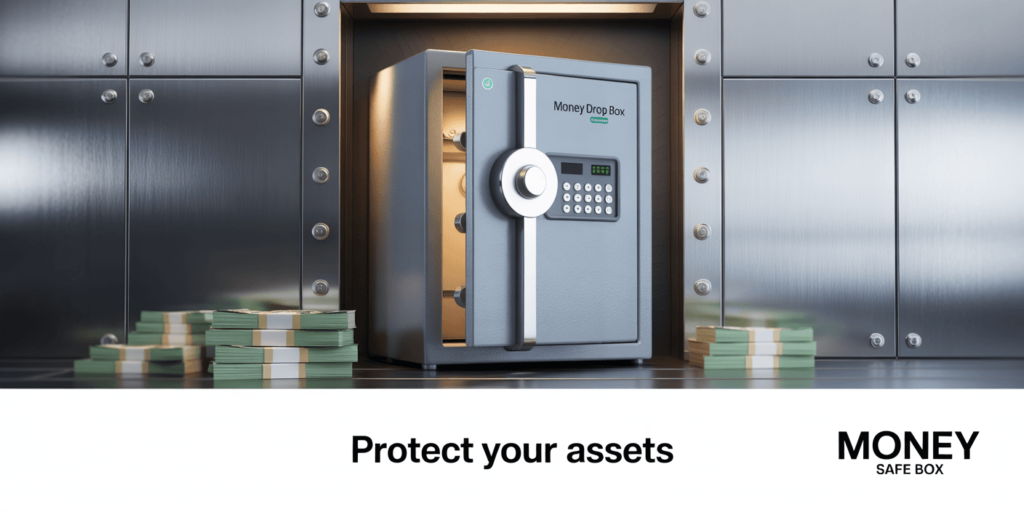
Why Every Convenience Store Needs a Money Drop Safe Box. Convenience stores handle constant cash transactions, making secure, streamlined cash management essential to reduce shrinkage and theft. Here’s what you need to know…
1. Protecting Against Internal and External Theft
Both employee theft and smash-and-grab burglaries threaten store profits. A money drop safe box lets cashiers deposit bills into a secure one-way slot, preventing retrieval without authorized access. This mechanism creates a physical barrier between front-end staff and till contents after shift end. For external burglars, the heavy-gauge steel body and anti-pry baffles prolong forced entry attempts, deterring break-ins in the critical seconds before law enforcement arrives.
| Threat Type | Safe Box Defense |
|---|---|
| Employee Theft | One-way deposit slot |
| Burglary | Hardened steel construction |
| Quick Grabs | Anti-pry internal baffles |
2. Simplifying End-of-Day Reconciliation
Daily cash reconciliation becomes a smoother, more accurate process once all register funds sit secured in a central drop safe. Store managers gather deposit envelopes labeled by cashier or register number, reducing errors from individual count sheets. This centralized collection point streamlines bank deposits and minimizes discrepancies, saving accounting time and reducing audit variances.
3. Enhancing Employee Accountability
Assigning each cashier a unique deposit envelope and code for electronic-lock models fosters a culture of responsibility. Employees know their individual drops are recorded and can be traced, discouraging skimming. Audit-trail capable safe boxes record each access event—timestamp, user ID, and deposit amount—providing clear oversight and reinforcing trust.
4. Reducing Cash on Hand to Improve Safety
Large sums of register cash make convenience stores targets for robberies. By frequently depositing surplus bills, stores keep minimal cash on the sales floor. This strategy reduces potential losses during holdups and lowers insurance premiums. Regular drop intervals—hourly during peak hours—ensure stores maintain low on-hand cash levels at all times.
| Cash Level | Risk Reduction |
|---|---|
| $0–$200 | Very Low Risk |
| $201–$500 | Moderate Risk |
| $501+ | High Risk |
5. Streamlining Bank Deposit Logistics
With a central drop safe, store staff need only transport one consolidated deposit per shift, limiting bank visits and reducing time out of the store. Bulk deposit bags fit directly into the safe’s interior, and tamper-evident seals ensure bag integrity from store to bank. This method minimizes handling errors and potential losses in transit.
6. Choosing the Right Deposit Mechanism
Safe boxes offer funnel slots, drop tubes, or hopper designs. Funnel slots guide bills into tamper-proof chambers, while drop tubes direct envelopes through ceilings to lockboxes below. Hopper designs hold cash until manually retrieved by managers. Selecting the mechanism that fits store layout and staffing patterns optimizes workflow and security.
7. Integrating Electronic Locks and Audit Trails
Electronic locks with PIN or RFID access add an audit layer to cash drops. Each transaction logs user credentials, time, and even deposit envelope ID into memory. Managers can export logs via USB or network to reconcile daily activity. These digital records enhance forensic analysis after discrepancies and support compliance with corporate control policies.
| Lock Type | Audit Capability |
|---|---|
| PIN Keypad | 1–50 user codes |
| RFID Reader | Card-based user authentication |
| Hybrid (PIN+Key) | Dual control, emergency override |
8. Installation and Mounting Best Practices
Money drop safes anchor securely to floors or walls. Floor units bolt to concrete slabs with wedge anchors, while wall-mount boxes require carriage bolts into studs or masonry anchors. Proper installation prevents thieves from removing the entire safe. Position safes in back offices or secure stockrooms to combine concealment with accessibility for authorized staff.
9. Fire and Water Resistance for Asset Protection
Though cash resists water, receipts and electronic backup media stored alongside need environmental protection. Safes with fireboard liners rated 30–60 minutes at 1,550 °F delay heat penetration, safeguarding paper records. Waterproof gaskets and drainage channels protect against sprinklers or accidental spills, ensuring comprehensive asset defense.
10. Determining Safe Box Capacity
Select a safe box sized for peak deposit volumes. Small shops may need 10–20 liters of capacity; high-volume outlets require 30–50 liters. Overly small units fill too quickly, delaying deposits, while oversized boxes waste space. Calculate daily cash throughput and envelope counts to choose optimal interior volume.
| Capacity (Liters) | Typical Fit |
|---|---|
| 10–20 | 20–40 deposit envelopes |
| 21–35 | 40–70 envelopes + bulk cash bundles |
| 36–50 | High-volume outlets |
11. Bulk Pricing and Distributor Deals
Distributors can secure volume discounts—10% for 10+ units, 20% for 25+, and up to 30% for 50+—reducing per-unit costs and improving resale margins. Bundling safe boxes with deposit bags, maintenance kits, and installation hardware creates attractive packages for retailers and chains.
12. Maintenance and Service Protocols
Quarterly inspections of lock mechanisms, lubrication of bolts, and battery replacements for electronic models prevent downtime. Annual verification of audit-trail accuracy and gasket integrity ensures ongoing reliability. Service contracts with rapid-response vendor support minimize disruptions in high-transaction environments.
13. Employee Training and Access Policies
Comprehensive staff training on correct deposit procedures, safe operation, and emergency override builds confidence. Access policies should define dual-control removal of funds by at least two managers to further reduce internal fraud risk. Clear signage and quick-reference guides improve adherence to security protocols.
| Training Element | Purpose |
|---|---|
| Deposit Procedure | Ensures consistent, secure drops |
| Lock Operation | Reduces user errors |
| Emergency Override | Defines crisis access workflows |
14. Insurance and Liability Benefits
Insurance underwriters often offer premium discounts when businesses implement certified deposit safes. Demonstrating robust cash-handling controls reduces liability and can lower deductibles. Maintain documentation of safe installation, maintenance, and deposit logs to support claims in the event of theft or damage.
15. Final Checklist for Convenience Store Owners
- Assess daily cash volume and select safe capacity accordingly.
- Choose a deposit mechanism—slot, tube, or hopper—that fits workflow.
- Prioritize steel gauge, lock type, and environmental ratings.
- Secure professional installation for reliable anchoring.
- Implement electronic locks with audit trails for accountability.
- Establish maintenance schedules and staff training programs.
- Negotiate bulk pricing and service contracts for cost efficiency.
Following this checklist ensures your store benefits from reduced shrinkage, simplified reconciliation, and enhanced security through a dedicated money drop safe box.
FAQ
Q1: How often should I deposit funds into the drop safe?
Ideally every 2–4 hours during peak shifts to minimize on-hand cash.
Q2: Can employees retrieve deposited cash?
No—the one-way slot and secure lock prevent access without managerial keys or codes.
Q3: Do drop safes require power?
Mechanical slot models need no power; electronic versions require battery or hard-wired support.
Q4: What maintenance keeps locks reliable?
Lubricate bolts quarterly, replace batteries annually, and inspect audit logs monthly.
Q5: Are bulk purchase discounts available?
Yes—distributors often offer 10–30% discounts on orders of 10, 25, or 50+ units.

