

The best way to store your watches involves using a home safe with watch winder to combine high-level security with mechanical maintenance. You have spent years curating a collection that represents your taste and hard work, yet leaving these pieces on a nightstand or in a simple drawer invites disaster. Dust can quietly infiltrate the delicate movements, and an unsecured collection is a primary target for theft or accidental damage. Transitioning to a professional-grade solution ensures that your horological investments remain in pristine, “ready-to-wear” condition while giving you total peace of mind.
Why is proper watch storage essential for collectors?

Proper storage protects your financial investment while ensuring the mechanical longevity of every timepiece. Integrating a home safe with watch winder technology allows you to categorize your collection by style and frequency of use. This organized approach prevents physical impact damage that occurs when watches are stored loosely together.
Why is one watch never enough?
Most enthusiasts develop a collection because different occasions demand specific styles and functionalities. You might prefer a robust diver for the weekend and a slim dress watch for formal board meetings.
But wait, there’s more:
- A diverse collection reflects your evolving personal journey.
- Rotating your watches prevents excessive wear on a single daily piece.
- Specialized watches like chronographs offer unique mechanical engagement.
The best part? Having the right tool for the right job makes the hobby significantly more rewarding.
How does dust impact long-term value?
Microscopic particles can seep into the watch case and act as an abrasive on the movement’s gears. Over time, this creates friction that degrades accuracy and necessitates expensive overhauls.
Simply put:
- Dust traps moisture against the metal, potentially leading to corrosion.
- Fine debris can settle on the dial, affecting the visual clarity of the piece.
- Internal buildup can cause the movement to stop entirely.
Here is the kicker: consistent protection from the environment is the easiest way to retain market value.
Can proper storage prevent unauthorized use?
Keeping your collection behind a secure barrier ensures that only you decide when a watch is worn. This is particularly important if you have household staff, guests, or curious children who might accidentally damage a delicate vintage caliber.
Think about it:
- A locked safe acts as a psychological and physical deterrent.
- Controlled access prevents “borrowing” that leads to scratches or drops.
- You maintain total control over the handling of your high-value assets.
It gets better: professional storage provides a centralized location for all documentation and extra links.
| Storage Priority | Drawer/Box | Standard Safe | Luxury Winder Safe |
|---|---|---|---|
| Security Level | Minimal | High | Maximum |
| Mechanical Care | None | Static | Active |
| Organization | Poor | Fair | Excellent |
The transition from casual storage to a dedicated system marks the difference between a hobbyist and a true connoisseur.
Key Takeaway: Professional storage solutions are the only way to safeguard the mechanical integrity and resale value of a luxury watch collection against environmental and human risks.
Should you choose a home safe for your collection?
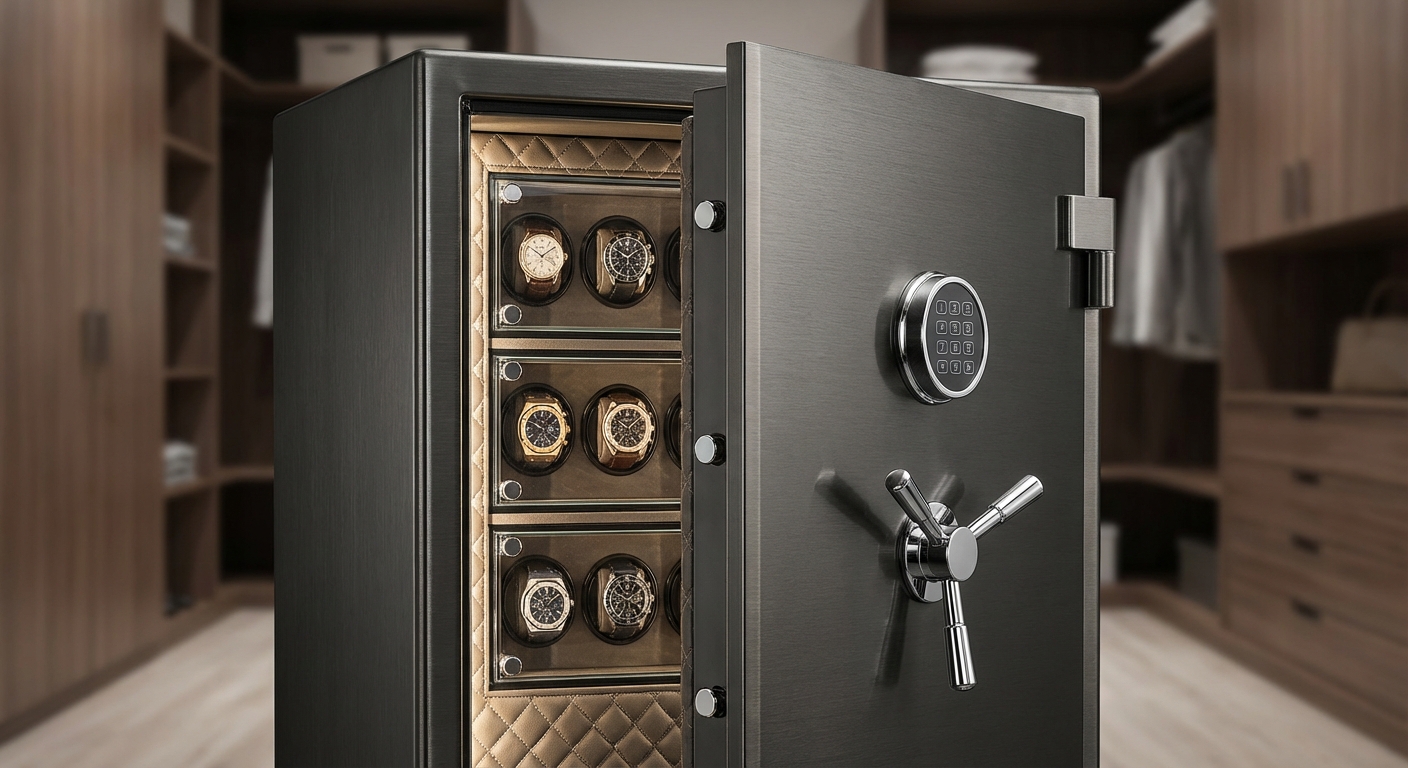
Investing in a specialized safe is the most effective way to secure high-value watches against theft and environmental damage. A home safe with watch winder provides a heavy-duty physical barrier that standard jewelry boxes simply cannot match. Modern units are often designed to be bolted to the floor, making them nearly impossible for intruders to remove from your premises.
Electronic vs. mechanical locking mechanisms?
Choosing between digital convenience and traditional reliability depends on how frequently you plan to access your collection. Electronic locks allow for rapid entry via codes or biometrics, while mechanical dials offer a classic feel that never requires a battery.
You might be wondering:
- Do electronic locks offer multiple user codes for family members?
- Is the reliability of a mechanical dial worth the slower entry speed?
- Which system is easier to manage during a power outage?
The truth is: both systems provide high-level security if the safe body is constructed from reinforced steel.
How to hide a safe in a secure area?
Strategically placing your safe in a discreet location adds an extra layer of protection by making it difficult for burglars to find. You can integrate these units into custom cabinetry or hide them behind false walls in a walk-in closet.
Here is the kicker:
- Floor safes can be covered with rugs for total invisibility.
- Wall-mounted units fit perfectly behind artwork or mirrors.
- Closet installations keep your collection close to your dressing area.
The best part? A hidden safe reduces the likelihood of it being targeted during a quick “smash and grab” robbery.
Can you customize a safe to match your decor?
Premium manufacturers offer bespoke finishes ranging from high-gloss automotive lacquer to hand-stitched leather interiors. You can select the number of winders, the type of lighting, and even the internal drawer configuration.
Surprisingly enough:
- You can match the safe’s exterior to your favorite luxury car.
- Internal LED lighting can be programmed to showcase your watches.
- Drawer inserts can be tailored for rings, cufflinks, and documents.
Simply put: your safe can become a statement piece of furniture rather than just a steel box.
| Lock Type | Access Speed | Power Source | User Management |
|---|---|---|---|
| Mechanical | Slow | None | Single User |
| Electronic | Fast | Battery/AC | Multiple Users |
| Biometric | Instant | Battery/AC | Multiple Users |
Selecting the right locking mechanism is a balance between your personal lifestyle needs and your desired level of technical simplicity.
Key Takeaway: A home safe is an essential foundation for any watch collection, providing the physical defense necessary to protect your assets from theft and unauthorized handling.
How do watch winders preserve automatic movements?
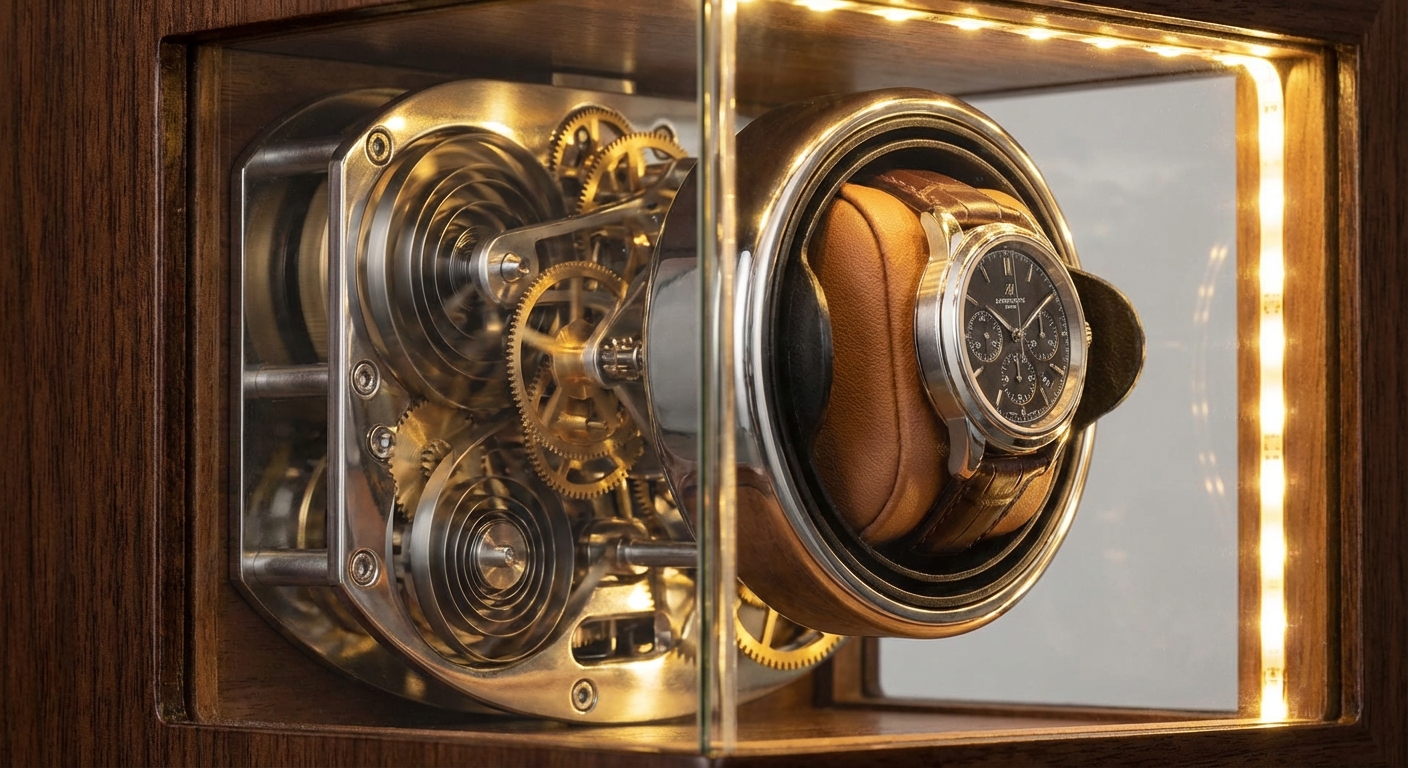
Watch winders simulate wrist motion to keep the mainspring wound and internal lubricants fluid. Utilizing a home safe with watch winder rotors ensures that your automatic timepieces are always charged and ready to wear without manual intervention. This is especially helpful for watches with complex complications like moon phases or perpetual calendars that are difficult to reset.
How to prevent oil stagnation?
Mechanical watches rely on specialized oils to reduce friction between moving parts, and these oils can congeal if the watch remains stationary for months. A winder keeps the gears in motion, ensuring the lubrication stays evenly distributed across the escapement and gear train.
Think about it:
- Moving parts stay supple and responsive when exercised regularly.
- Stagnant oil can cause the movement to lose accuracy over time.
- Periodic rotation mimics the natural wearing cycle of a timepiece.
The best part? Maintaining fluid motion can extend the interval between expensive professional servicing.
What are the benefits of programmable winding?
Not all watches wind in the same direction or require the same amount of energy to stay powered. Programmable winders allow you to set specific rotations to avoid unnecessary wear on the slipping clutch of the mainspring.
But wait, there’s more:
- You can select clockwise, counter-clockwise, or bi-directional modes.
- Adjustable settings prevent the movement from being “overwound” constantly.
- Each rotor can be tailored to a specific watch’s caliber requirements.
Here is the kicker: precise programming ensures your watch is treated with the same care the manufacturer intended.
Should you use battery or AC power?
The choice of power source affects where you can place your winder and how reliably it will operate over long periods. AC power is ideal for safes with internal outlets, while battery power offers flexibility for modular units or travel cases.
You might be wondering:
- How long do batteries typically last in a high-quality motor?
- Does AC power provide a more consistent rotation speed?
- Can you use a hybrid system that switches to battery during a power failure?
The truth is: a superior 90-degree winding angle performs best when powered by a stable AC connection.
| Movement Concern | Static Storage Result | Winder Storage Result |
|---|---|---|
| Lubrication | Potential Congealing | Remains Fluid |
| Power Reserve | Depletes in 40-70 hours | Stays Fully Charged |
| Time Setting | Required every wear | Always Accurate |
Active maintenance through rotation is the proactive way to ensure your mechanical watches remain functional for generations.
Key Takeaway: Using a winder is not just about convenience; it is a mechanical necessity that keeps lubricants flowing and delicate complications perfectly synchronized.
Is a bank deposit box the right choice for you?
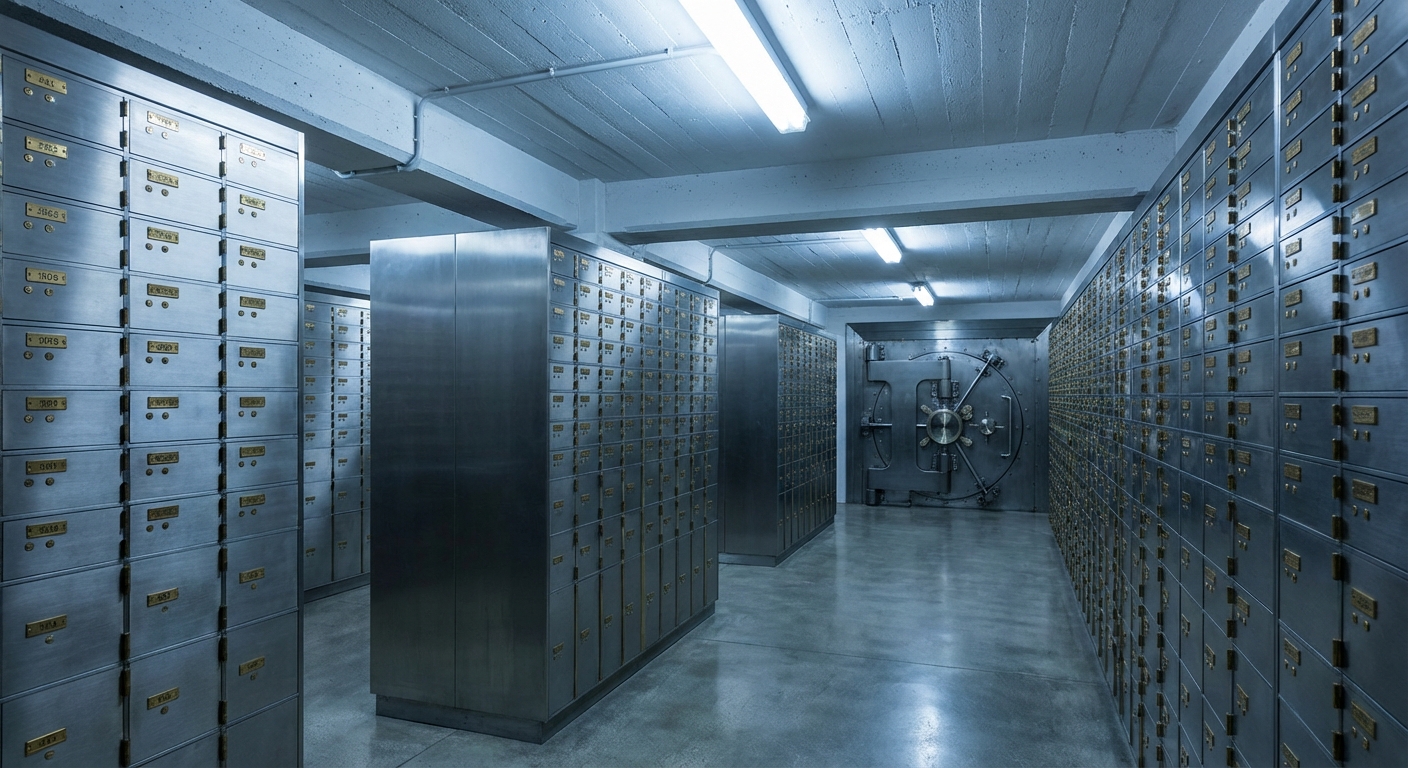
A bank deposit box provides maximum security for heirloom pieces but lacks the daily convenience of home access. Choosing this over a home safe with watch winder is often a decision based on how frequently you intend to rotate your collection. While the bank offers thick concrete walls and 24/7 monitoring, it requires you to travel and adhere to banking hours.
Accessibility vs. maximum security?
Banks offer a level of structural security that is difficult to replicate in a residential setting, but they limit your ability to wear your watches spontaneously. If you want to change your watch for a dinner party, you must plan your visit to the bank ahead of time.
Here is the kicker:
- High-security safes at home provide immediate access for any event.
- Bank vaults are essentially impervious to standard residential burglary tools.
- Home storage allows you to enjoy viewing your collection whenever you wish.
The best part? You can strike a balance by keeping your daily wearers at home and heirlooms at the bank.
Is bank-provided insurance enough?
Many people mistakenly believe that the bank automatically insures the contents of a deposit box. In reality, you usually need a separate rider on your homeowner’s insurance or a specialized jewelry policy to cover off-site storage.
Simply put:
- Banks are typically not liable for the value of items in your box.
- You must maintain an up-to-date appraisal for every piece stored.
- Specialized insurers offer better terms for items kept in high-security vaults.
Think about it: professional insurance is the only way to recover the financial value if the unthinkable happens.
When is off-site storage the best move?
Off-site storage is ideal for collectors who travel for several months at a time or who own pieces that are strictly for investment. It removes the risk of your home being targeted while you are away and provides peace of mind during extended absences.
But wait, there’s more:
- It is a cost-effective solution for very small, high-value collections.
- It provides a “double-lock” strategy when used alongside home storage.
- You can store original boxes and papers separately for extra security.
It gets better: combining home and bank storage creates a robust, multi-tiered security plan for your legacy.
| Factor | Home Safe Storage | Bank Deposit Box |
|---|---|---|
| Daily Access | Immediate | Restricted to Hours |
| Burglary Risk | Moderate to Low | Near Zero |
| Maintenance | Active Winding Possible | Static Only |
While a bank box is a fortress, the lack of active winding makes it less suitable for mechanical watches that you wear frequently.
Key Takeaway: Bank deposit boxes offer the highest level of physical protection but should be reserved for items that do not require regular mechanical exercise or immediate access.
What features define a high-security luxury vault?
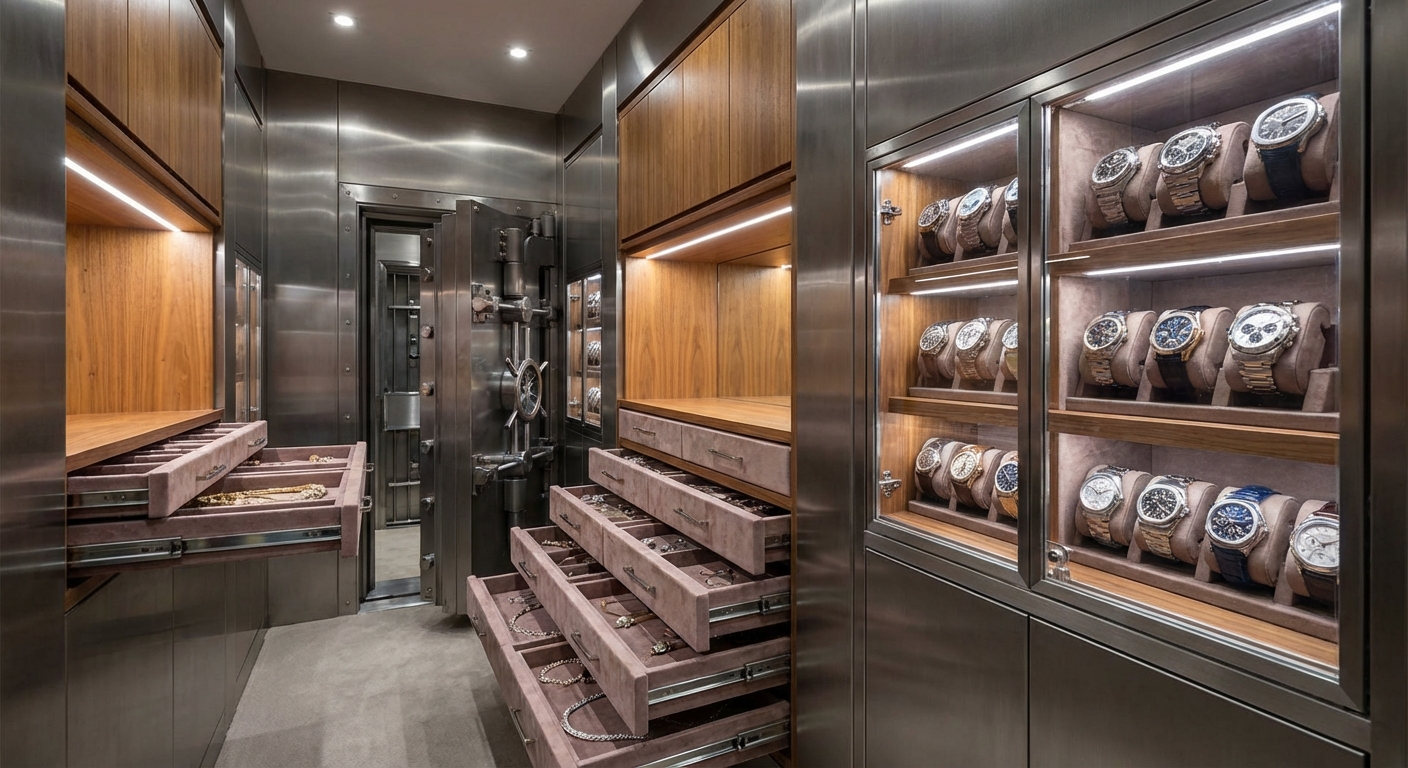
Luxury vaults combine industrial-grade protection with high-end aesthetic finishes and specialized organization. A home safe with watch winder unit becomes a “vault” when it incorporates multiple layers of security and white-glove interior details. These systems are designed to protect the exterior finish of your watches as much as the internal movements.
How do velvet interiors protect your watches?
Lining the drawers and winder pillows with high-quality velvet or microfiber prevents micro-scratches on polished gold or stainless steel surfaces. This soft contact ensures that even the most delicate high-polish finishes remain in “boutique” condition.
The best part?
- Velvet-wrapped pillows provide a secure, non-slip fit for all bracelet sizes.
- Soft linings absorb minor shocks when drawers are opened or closed.
- It creates a luxurious presentation every time you select a timepiece.
Here is the kicker: protecting the exterior “skin” of the watch is vital for maintaining its aesthetic and resale value.
What is the role of climate control in a vault?
Excessive humidity can lead to moisture ingress, while extreme dryness can cause leather straps to crack and lubricants to evaporate. A luxury vault often includes dehumidifiers or passive silica systems to maintain a stable environment.
You might be wondering:
- Is a stable temperature more important than humidity control?
- Can moisture affect the dial or “lume” of a vintage watch?
- How do you monitor the internal environment of a sealed safe?
The truth is: maintaining a consistent climate prevents the degradation of both mechanical and organic materials.
Can a vault be integrated into a home office?
Modern luxury safes are designed to complement fine furniture, allowing them to be placed prominently in a study or bedroom. You can choose wood veneers and metal accents that match your existing interior design perfectly.
But wait, there’s more:
- Bespoke cabinets can hide the safe while providing extra storage.
- Integrated lighting turns your vault into a functional display case.
- Silent motors ensure the winder doesn’t distract you while you work.
Simply put: you no longer have to hide your security solution in a dark basement or dusty garage.
| Luxury Feature | Purpose | Impact on Value |
|---|---|---|
| Microfiber Lining | Prevent Scratches | High |
| Silent Motors | Discreet Operation | Medium |
| LED Showcase | Easy Selection | Medium |
Exploring the most elegant luxury safes reveals how security can be transformed into a beautiful part of your home.
Key Takeaway: High-security luxury vaults provide a comprehensive environment that addresses security, mechanical health, and aesthetic preservation for the world’s finest timepieces.
Can fireproof safes protect your watch movements?
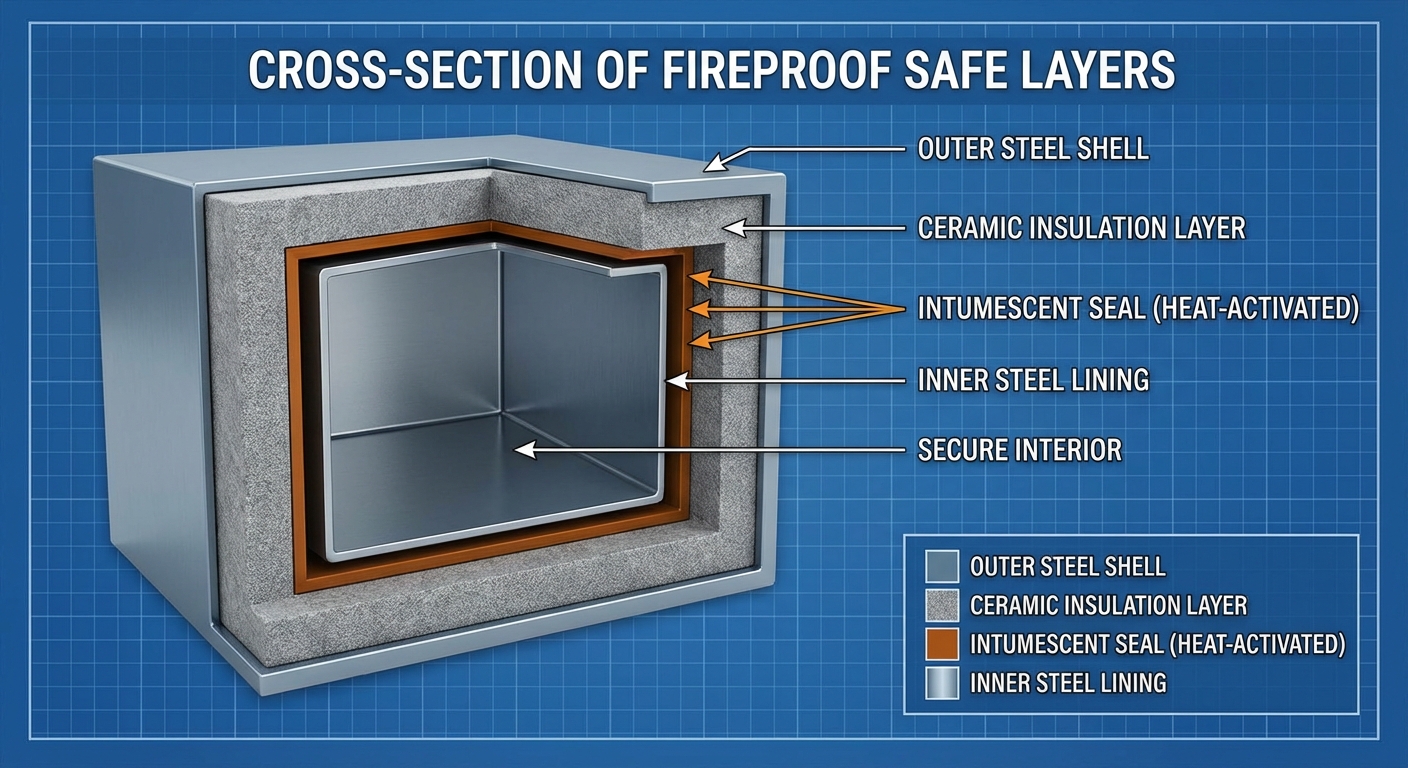
Fireproof safes use specialized insulation to keep internal temperatures below the threshold that melts watch gaskets. A home safe with watch winder that lacks a fire rating might survive the flames, but the heat inside can still destroy your collection. Look for certifications that guarantee protection against temperatures exceeding 1,700°F.
How do intumescent seals work?
Intumescent seals are heat-activated gaskets that expand when exposed to high temperatures, creating a pressure-tight barrier against smoke and water. This prevents hot gases from entering the safe and damaging the delicate internal components of your watches.
Think about it:
- The seal expands to many times its original size during a fire.
- It creates a physical block that stops soot and ash from infiltrating.
- It also protects against water damage from fire-fighting efforts.
Here is the kicker: this simple technology is the difference between a total loss and a successful recovery.
What do fire ratings actually mean for watches?
Ratings like UL 72 Class 350 indicate that the internal temperature will stay below 350°F for a specified duration, such as one hour. While this is safe for documents, luxury watches benefit from even lower temperature thresholds to protect their lubricants.
You might be wondering:
- How long can a standard fireproof safe withstand a typical house fire?
- Does the thickness of the steel affect the fire rating?
- Is there a difference between “fire-resistant” and “fireproof” labels?
The truth is: verifiable third-party testing is the only way to be certain your safe will perform as advertised.
Can heat damage a watch’s internal gaskets?
The rubber or silicone gaskets that provide water resistance are extremely sensitive to high heat and can melt or warp long before the metal case is affected. Once these gaskets fail, the movement is exposed to the environment and potential moisture damage.
But wait, there’s more:
- Excessive heat can cause the oils in the movement to dry out instantly.
- Delicate springs may lose their tension if exposed to high temperatures.
- Synthetic crystals might warp or pop out of the case.
Simply put: fire protection is just as critical as theft protection for long-term preservation.
| Fire Rating Class | Max Internal Temp | Suitable For |
|---|---|---|
| Class 350 | 350°F | Documents & Watches |
| Class 150 | 150°F | Digital Media |
| Class 125 | 125°F | Flexible Disks |
Protecting your investment from thermal damage ensures that your watches remain functional even after a major household disaster.
Key Takeaway: A fire-rated safe is essential because heat can be just as destructive as theft, potentially destroying gaskets and lubricants within minutes of exposure.
Why are 90-degree winding angles superior?
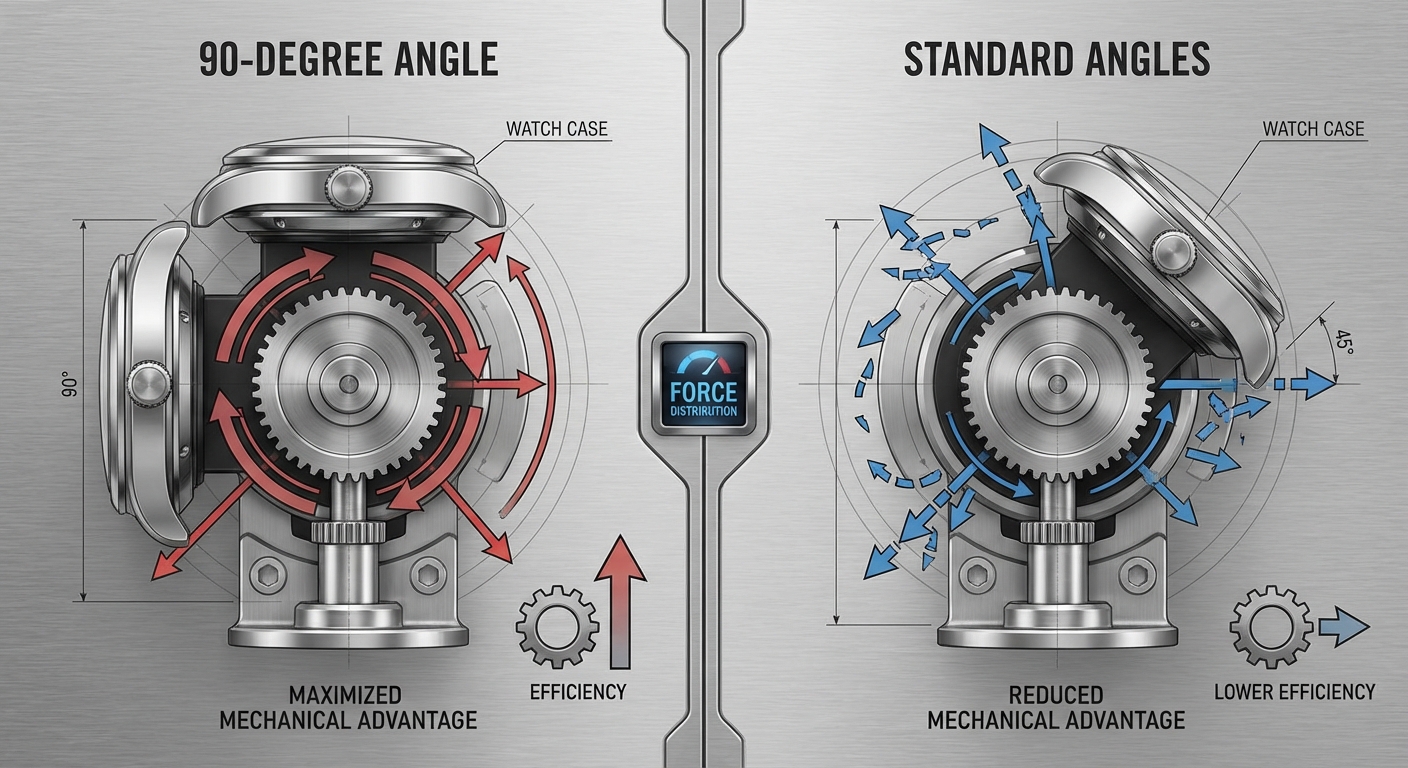
A 90-degree angle utilizes gravity most efficiently to turn the rotor and wind the mainspring without excess stress. In a home safe with watch winder setup, this vertical orientation ensures that the oscillating weight inside the watch drops fully with every rotation. This maximizes the energy transferred to the mainspring compared to winders that sit at a 45-degree tilt.
Is gravity the most important factor?
Automatic watches are designed to be wound by the natural movement of the human arm, which often involves vertical swinging. A winder that positions the watch at 90 degrees perfectly mimics this motion, allowing the rotor to fall through its full arc.
Here is the kicker:
- Full rotation ensures the mainspring reaches its optimal tension.
- It prevents the rotor from “shuffling” without actually winding.
- The weight of the rotor is used to its maximum mechanical advantage.
The best part? This efficiency means the winder can run for shorter periods to achieve the same results.
How do horizontal and vertical rotors compare?
Horizontal or tilted rotors often fail to provide enough gravitational force to move the heavy rotors in modern, oversized watches. Vertical rotors provide a consistent “drop” that is more reliable for a wide variety of watch calibers and sizes.
Surprisingly enough:
- Vertical winders take up less shelf depth in a compact home safe.
- They provide a better viewing angle for displaying your collection.
- Tilted winders can sometimes cause uneven wear on the rotor bearing.
Simply put: the 90-degree angle is the gold standard for professional-grade horological maintenance.
Does the angle affect the watch’s lifespan?
Using an inefficient winding angle can lead to partial winding, which may not keep the watch running or could put unnecessary strain on the winding mechanism. A 90-degree winder ensures a smooth, complete cycle that keeps the movement healthy without forcing it.
But wait, there’s more:
- Consistent winding prevents the mainspring from becoming “set” in a relaxed state.
- It reduces the need for frequent manual winding via the crown.
- Smooth rotation protects the delicate teeth of the winding gears.
It gets better: you can learn more about why superior 90-degree winding angles are the preferred choice for serious collectors.
| Winder Angle | Winding Efficiency | Gravitational Force | Best For |
|---|---|---|---|
| 90 Degrees | 100% | Maximum | All Automatics |
| 45 Degrees | ~70% | Moderate | Light Movements |
| Horizontal | ~10% | Minimal | Display Only |
Choosing a vertical orientation is a small detail that makes a massive difference in the long-term reliability of your automatic watches.
Key Takeaway: The 90-degree winding angle is technically superior because it maximizes the use of gravity to ensure a full and efficient winding cycle for every movement.
How do you manage TPD settings for multiple watches?
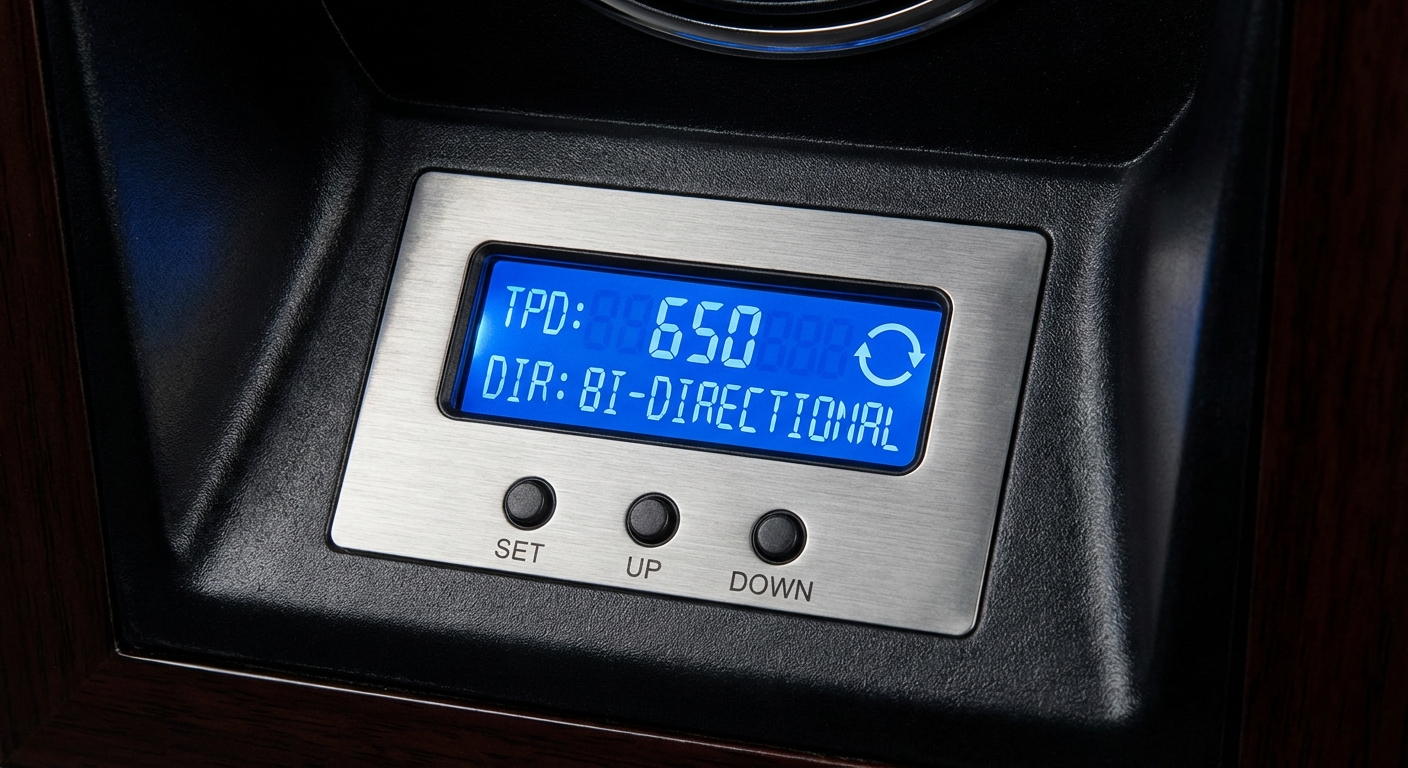
Managing Turns Per Day (TPD) involves programming each winder rotor to match the specific requirements of your watch movement. Modern home safe with watch winder systems feature digital control panels that let you set independent parameters for every timepiece. This precision prevents the overwinding of the mainspring and ensures the watch stays fully charged without unnecessary mechanical strain.
How to find your watch’s TPD needs?
Every watch movement has a recommended TPD range, which can usually be found in the manufacturer’s manual or through online database searches. Most standard automatic watches require between 650 and 800 turns per day to stay fully wound.
Think about it:
- Using too many turns can put extra wear on the slipping clutch.
- Too few turns will result in the watch stopping after a few days.
- Knowing the rotation direction (CW, CCW, or Both) is equally vital.
The best part? Once you find the setting, you can program it into the winder and forget it.
Why is independent programming necessary?
A collection often consists of different calibers with vastly different winding needs, such as a vintage piece needing 600 TPD and a modern complication requiring 1,200. High-end safes allow you to set independent TPD for each individual rotor.
Here is the kicker:
- You don’t have to compromise by using a “middle-ground” setting.
- Each watch receives exactly the amount of energy it needs.
- You can turn off specific rotors for watches you plan to store long-term.
Simply put: independent control is the only way to properly care for a diverse horological collection.
Can you overwind an automatic watch?
Automatic watches have a built-in “slipping clutch” that prevents the mainspring from breaking if it is overwound, but it is still best to minimize its use. Over-winding can cause unnecessary friction and wear on the winding mechanism over several years of use.
You might be wondering:
- Is a winder safer than winding the watch manually by hand?
- Does the winder run constantly, or does it have “rest” periods?
- Can modern digital winders simulate a natural wearing pattern?
The truth is: a well-programmed winder is much gentler on the movement than manual winding or excessive mechanical rotation.
| Movement Type | Typical TPD Range | Recommended Direction |
|---|---|---|
| Standard 3-Hand | 650 – 800 | Bi-directional |
| Valjoux 7750 | 800 | Clockwise |
| Vintage Caliber | 600 – 650 | CCW or CW |
Properly matching TPD settings ensures that each watch in your rotation is always ready to wear at a moment’s notice.
Key Takeaway: Independent TPD programming is essential for collectors because it allows each watch movement to be maintained according to its specific mechanical design requirements.
Is biometric access better than mechanical locks?
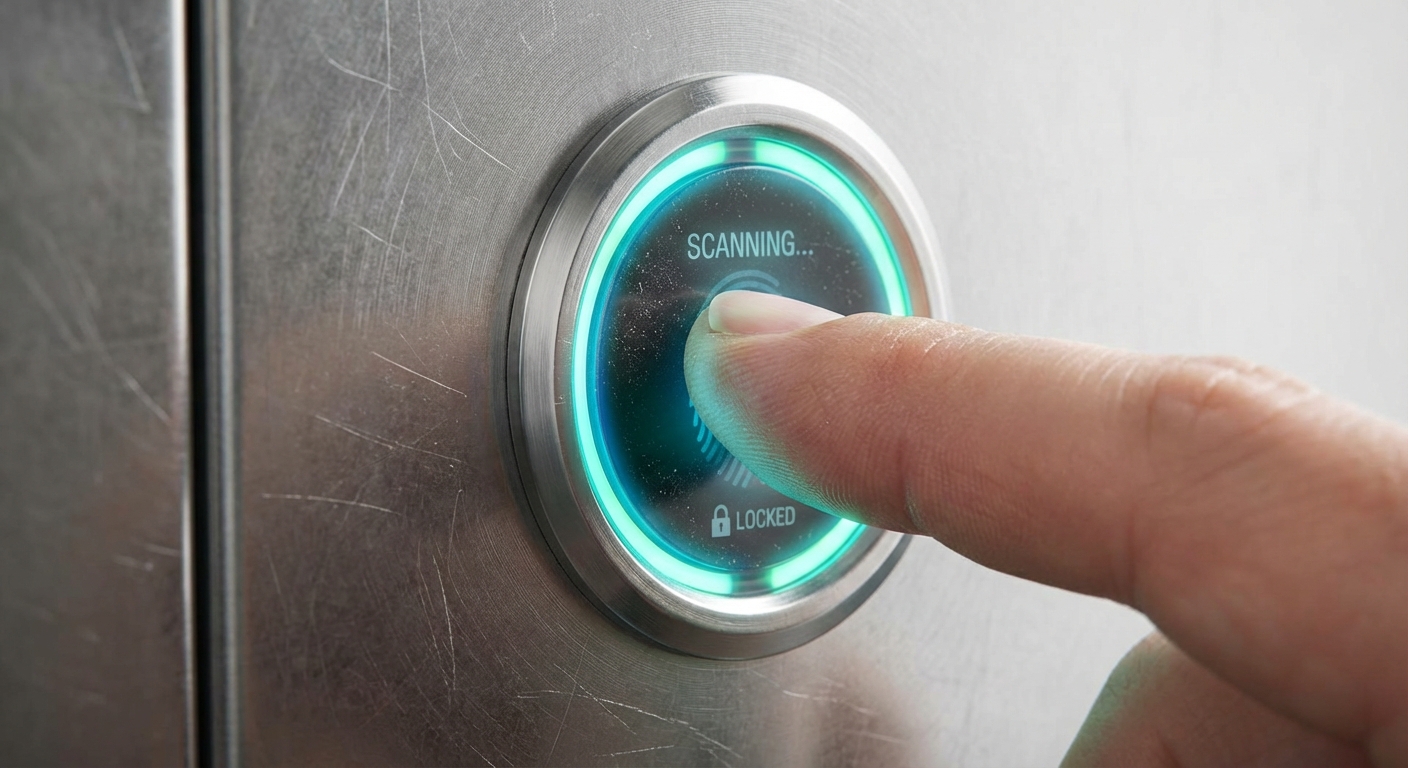
Biometric access offers a faster, more convenient entry method for daily wearers compared to traditional spinning dials. When you have a home safe with watch winder integration, being able to swap your timepiece in seconds makes the routine much more enjoyable. Biometric scanners allow you to unlock your safe with a simple touch, removing the need to remember complex codes.
How fast is biometric entry?
A high-quality biometric scanner can verify your identity and retract the locking bolts in less than one second. This is a massive improvement over manual dials, which can take thirty seconds or more to navigate correctly.
The best part?
- You can access your collection even when you are in a rush.
- There are no keys to lose or codes to accidentally share.
- The process is silent and discreet for early morning starts.
Here is the kicker: speed of access significantly increases the likelihood that you will actually use your safe every day.
Can multiple users be registered?
Modern biometric systems can store dozens of unique fingerprints, allowing you to grant access to your spouse or family members without sharing a physical key. This is perfect for households where multiple people store their valuables in one top jewelry box safe unit.
But wait, there’s more:
- You can easily add or delete users as your needs change.
- Admin controls ensure that only you can modify the user list.
- Scanners can often read fingerprints from any 360-degree angle.
Simply put: it provides a personalized security experience that adapts to your entire household.
What happens if the biometric battery dies?
Quality biometric safes always include an emergency backup system, such as a physical override key or an external battery jump pack. This ensures that you are never locked out of your collection due to a technical power failure.
You might be wondering:
- Do biometric scanners work if your hands are wet or cold?
- How often do the batteries typically need to be replaced?
- Is the fingerprint data stored locally on the safe for privacy?
The truth is: today’s biometric technology is extremely robust and designed with multiple redundancies for total reliability.
| Feature | Biometric Scanner | Mechanical Dial |
|---|---|---|
| Unlocking Time | < 1 Second | 20 – 40 Seconds |
| Convenience | Excellent | Low |
| Technical Failure Risk | Low (has backup) | Near Zero |
While mechanical locks have a classic appeal, biometrics are the superior choice for the modern collector who values efficiency.
Key Takeaway: Biometric access provides the perfect balance of high-level security and instant convenience, making it the ideal choice for frequent watch wearers.
How can you maintain your storage solution long-term?
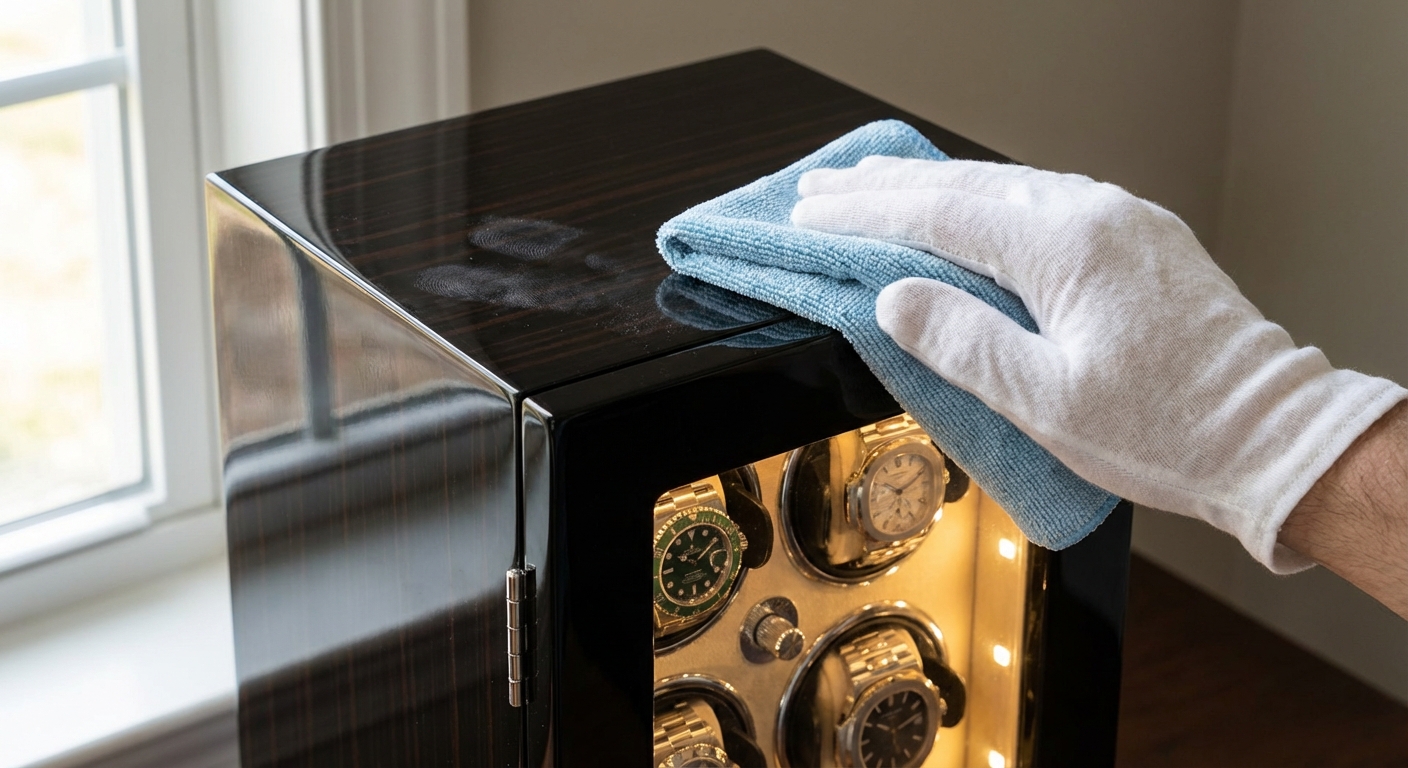
Long-term maintenance requires regular motor inspections, cleaning of the interior, and annual battery checks. To keep your home safe with watch winder performing like new, a few minutes of preventative care every few months is all it takes. This ensures that the motors stay silent and the security features remain fully operational for decades.
How often should you replace winder batteries?
If your safe is not connected to AC power, you should replace the winder batteries every twelve months to prevent them from leaking or dying unexpectedly. Using high-quality alkaline or lithium batteries provides a more stable voltage for the winder motors.
Think about it:
- Dead batteries could leave your watches static for weeks without you noticing.
- Leaking battery acid can cause permanent damage to the winder’s electronics.
- Setting a yearly calendar reminder is the easiest way to stay on top of it.
The best part? Regular battery changes ensure your collection is always being exercised and ready to wear.
What is the best way to clean safe interiors?
Dust can still find its way into a safe over time, so wiping down the winder rotors and jewelry drawers with a clean microfiber cloth is essential. Avoid using harsh chemicals or wet cloths that could damage the velvet lining or the wood veneers.
Here is the kicker:
- A clean interior prevents dust from being transferred to your watches.
- Microfiber is gentle enough to use on high-gloss lacquer finishes.
- You can use a soft-bristled brush to reach into tight corners or winder cups.
Simply put: a pristine storage environment is a reflection of the pride you take in your collection.
How to ensure the locking bolts stay lubricated?
The heavy steel bolts that secure your safe door should be inspected annually and occasionally lubricated with a small amount of specialized grease. This prevents the mechanism from becoming stiff and ensures the handle always turns smoothly.
But wait, there’s more:
- Listen for any unusual grinding or clicking sounds during operation.
- Ensure the bolt holes in the safe frame are free of debris.
- Check that the hinges are aligned and moving without friction.
It gets better: a well-maintained safe will operate so smoothly that you will barely notice the mechanical effort required to open it.
| Maintenance Task | Frequency | Estimated Time |
|---|---|---|
| Microfiber Dusting | Every 3 Months | 5 Minutes |
| Battery Check | Every 12 Months | 2 Minutes |
| Bolt Lubrication | Every 24 Months | 10 Minutes |
Investing a small amount of time into upkeep ensures that your security solution remains a reliable sanctuary for your most prized possessions.
Key Takeaway: Consistent, simple maintenance is the key to ensuring your watch storage solution provides a lifetime of mechanical reliability and high-level security.
Frequently Asked Questions
Can I store a quartz watch in a winder?
While you can physically place a quartz watch in a winder, it will not benefit from the mechanical rotation. Winders are specifically designed to keep the mainspring of automatic watches wound, whereas quartz watches rely on a battery for power.
What’s the best temperature for watch storage?
A stable room temperature between 65°F and 75°F is ideal for long-term storage. You should avoid areas with extreme fluctuations or high humidity, such as attics or damp basements, as these can affect lubricants and gaskets.
How do I know if my winder TPD is correct?
If your watch is still running and showing the correct time after 48 hours in the winder, your TPD setting is likely correct. If the watch has stopped, you may need to increase the turns or verify that the rotation direction matches the movement’s requirements.
Can I use a safe for all my jewelry?
Yes, most high-end watch safes include specialized drawers and hooks for rings, necklaces, and earrings. This makes them a comprehensive security solution for all your valuable accessories in one central location.
How do I prevent my safe from being stolen?
The most effective method is to have your safe professionally bolted to the floor or wall studs from the inside. This makes it nearly impossible for a thief to remove the unit from your home, even with heavy equipment.
At Jimbo Safes, we believe that security should never come at the expense of elegance or mechanical precision. Our mission is to provide collectors with a sanctuary that protects both the financial value and the mechanical soul of their timepieces. If you are ready to elevate your storage to a professional level, we invite you to contact us today to find the perfect solution for your collection.

