

Introduction: The Great Security Debate
Picture this: a sudden flood sweeps through your neighborhood, or a thief targets your home. Your most prized possessions—irreplaceable documents, rare collectibles, sentimental jewelry—are suddenly vulnerable. Would they survive unscathed? The answer lies in where and how you store them. But here’s the critical question: is a secure storage unit or a personal vault at home the better choice for protecting your valuables?
This isn’t just about locking away your treasures; it’s about peace of mind. It’s about knowing your items are shielded from theft, disaster, and even your own oversight. Yet, with so many options and features to consider, the decision can feel overwhelming. Does the convenience of a home vault outweigh the fortress-like security of an external facility? Or does the peace of mind offered by a bank-level solution justify the limited access?
In this guide, we’ll dive deep into the pros and cons of each option, helping you make an informed choice. Whether you’re safeguarding priceless heirlooms, critical paperwork, or sentimental keepsakes, the right decision could mean the difference between loss and security. Let’s settle the debate once and for all: which is truly safer—a secure storage unit or a home vault?
What is a Secure Storage Unit?
When it comes to protecting your most valuable items, a secure storage unit is a popular choice. But what exactly is it, and how does it work? Let’s break it down.
Definition and How It Works
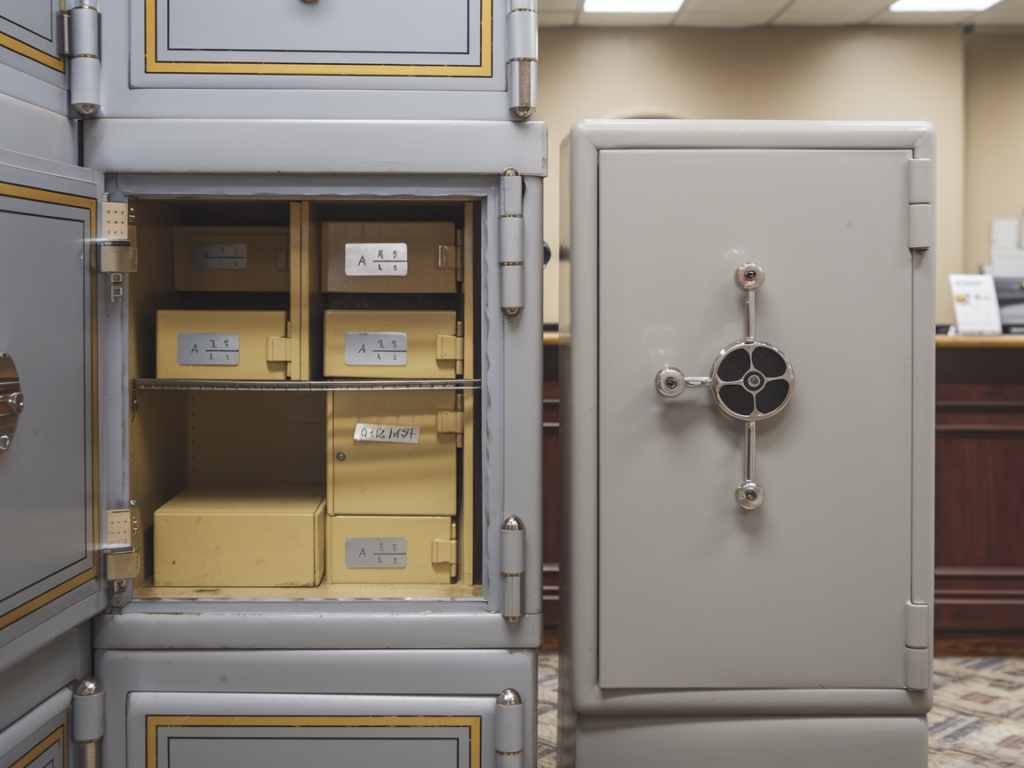
A secure storage unit is a locked compartment, typically housed within a bank or private facility, designed to safeguard your belongings. These units are often made of durable materials like steel and are stored in highly secure environments with advanced surveillance, fireproofing, and climate control. Access is usually restricted to authorized individuals, requiring keys, codes, or biometric verification.
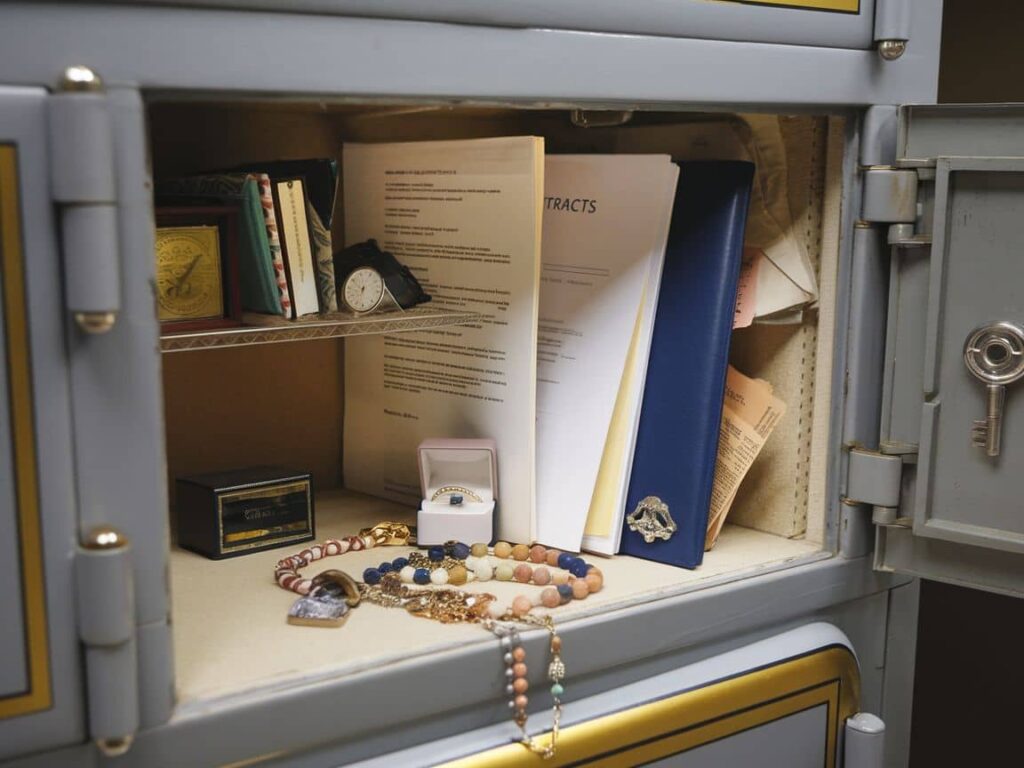
Common Uses: Documents, Jewelry, and More
- Important Papers: Legal documents like wills, deeds, and birth certificates are frequently stored to protect them from damage or loss.
- Valuables: Jewelry, rare coins, precious metals, and family heirlooms are kept safe from theft or natural disasters.
- Digital Storage: USB drives, hard drives, and other digital backups are often stored to ensure data security.
What is a Personal Vault?
For those who prefer keeping their valuables close at hand, a personal vault at home is a popular alternative to external storage solutions. But what exactly is it, and how does it function? Let’s explore.
Definition and How It Works
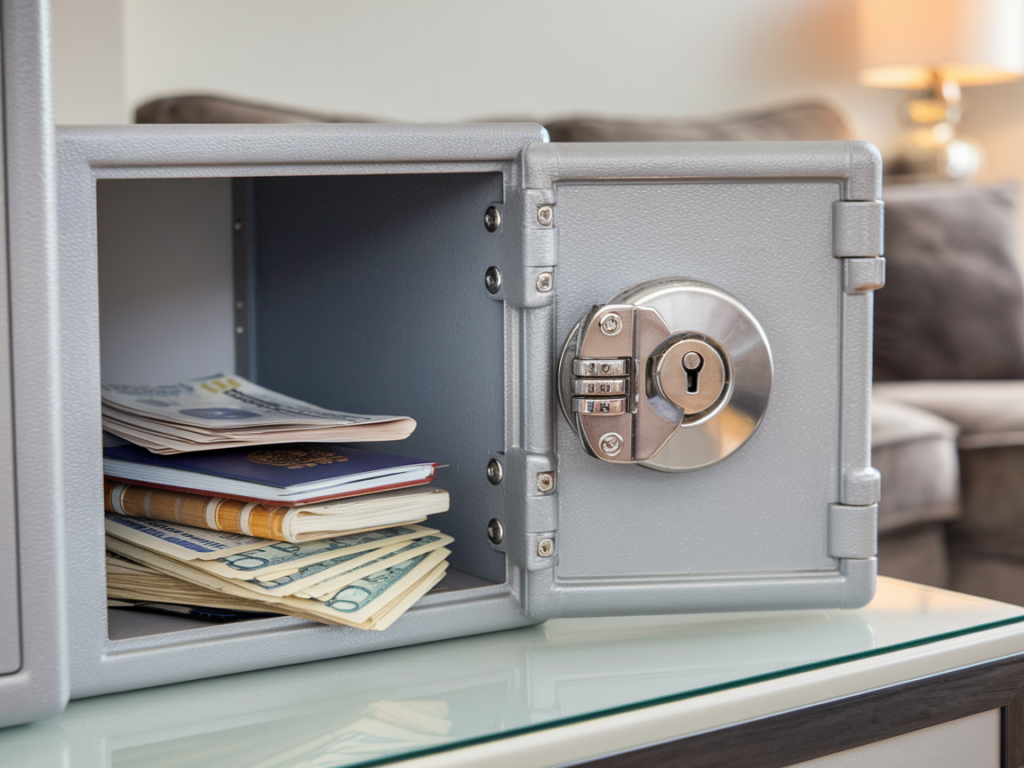
A personal vault, commonly known as a home safe, is a secure container designed to protect your belongings within your residence. These safes come in various sizes and are typically made from heavy-duty materials like steel. They often feature advanced locking mechanisms, such as combination locks, electronic keypads, or biometric scanners, to prevent unauthorized access. Many are also fireproof and waterproof, offering additional protection against disasters.
Common Uses: Cash, Valuables, and Emergency Items
- Cash and Jewelry: Ideal for storing money, precious metals, and small valuables that you may need to access regularly.
- Important Documents: Passports, medical records, and property deeds can be kept safe and easily accessible.
- Emergency Supplies: Some people use their vaults to store emergency items like spare keys, flash drives, or even medications.
Secure Storage Unit vs. Personal Vault: Key Differences
When deciding between a secure storage unit and a personal vault, understanding their key differences is essential. Each option has unique advantages and limitations, depending on your needs and lifestyle. Let’s compare them across three critical areas.
Location: Bank vs. Home
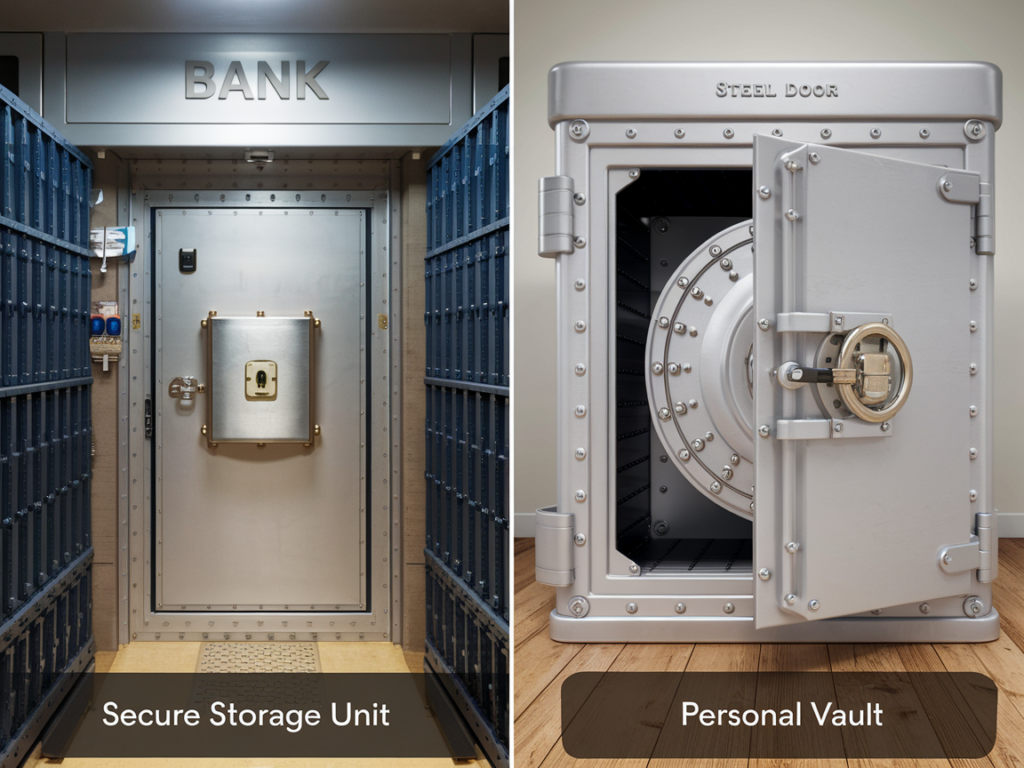
- Secure Storage Unit: Housed in a bank or private facility, these units are located outside your home, offering an extra layer of protection against theft or disasters.
- Personal Vault: Kept within your residence, providing immediate access but potentially exposing it to risks like burglaries or home-related accidents.
Accessibility: Hours and Convenience
- Secure Storage Unit: Access is typically limited to the facility’s operating hours, which may not align with your schedule.
- Personal Vault: Available 24/7, allowing you to retrieve items whenever needed, making it ideal for frequent use.
Cost: Upfront vs. Ongoing Expenses
- Secure Storage Unit: Involves ongoing rental fees, which can add up over time, but requires no upfront investment.
- Personal Vault: Requires an initial purchase cost, but there are no recurring fees, making it a one-time expense.
Security Features: How Do They Compare?
When it comes to protecting your valuables, the security features of your storage solution are paramount. Let’s compare how secure storage units and personal vaults stack up in terms of fireproofing, theft prevention, and monitoring.
Fireproofing and Waterproofing
- Secure Storage Unit: Often housed in facilities with fire-rated construction and climate control, offering robust protection against fires, floods, and other disasters.
- Personal Vault: Many home safes are designed with fireproof and waterproof ratings, but their effectiveness depends on the quality and placement within your home.
Burglary Protection: Locking Mechanisms and Durability
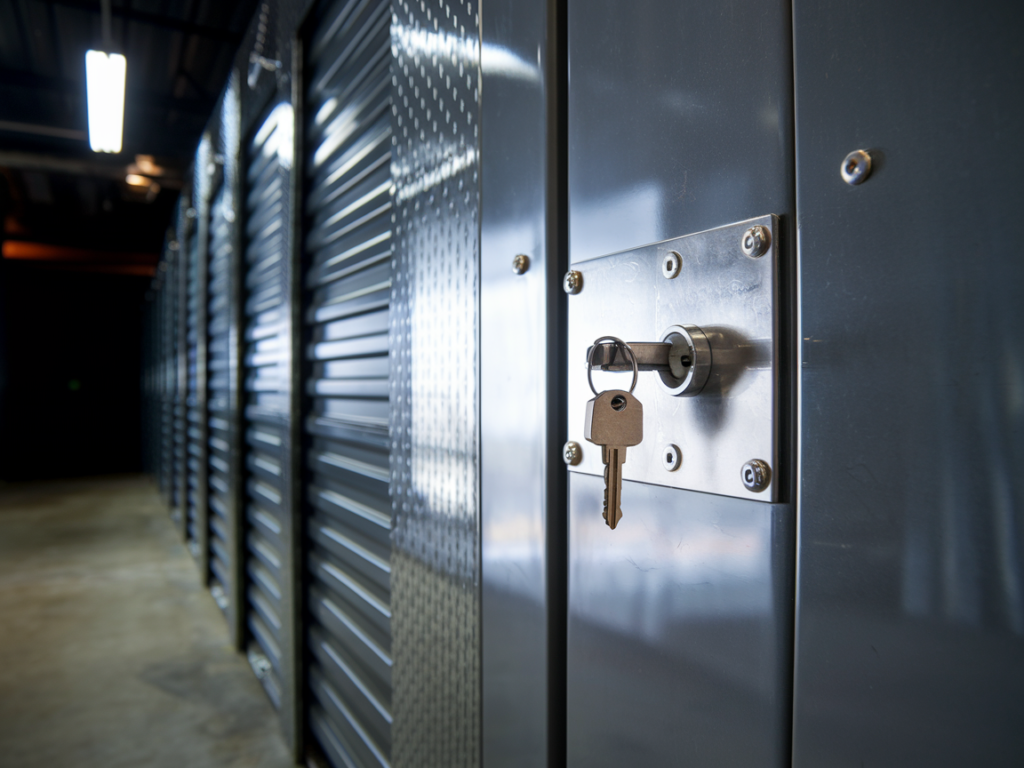
- Secure Storage Unit: Typically features advanced locking systems, such as dual-key mechanisms or biometric scanners, and is located in a highly secure environment.
- Personal Vault: Offers a range of locking options, from traditional combination locks to electronic keypads, but may be more vulnerable if discovered by intruders.
Surveillance and Monitoring
- Secure Storage Unit: Benefits from 24/7 surveillance, alarm systems, and on-site security personnel, providing an extra layer of protection.
- Personal Vault: Relies on your home’s security measures, such as alarms or cameras, which may not be as comprehensive as those in professional facilities.
Accessibility: Which is More Convenient?
When choosing between a secure storage unit and a personal vault, accessibility is a critical factor. How easily you can retrieve your items—and under what circumstances—can make all the difference. Let’s explore the convenience of each option.
24/7 Access vs. Limited Bank Hours
- Personal Vault: Available around the clock, allowing you to retrieve items whenever needed, whether it’s midnight or a holiday.
- Secure Storage Unit: Typically restricted to the facility’s operating hours, which may not align with your schedule, especially during evenings or weekends.
Emergency Access: What Happens If You Lose Your Key?
- Secure Storage Unit: Losing your key often involves a lengthy process, including verification steps, potential drilling fees, and restricted access until resolved.
- Personal Vault: Many home safes offer backup access methods, such as spare keys or override codes, making it easier to regain entry in emergencies.
Ease of Use: Daily vs. Occasional Access
- Personal Vault: Ideal for items you need to access frequently, such as passports, emergency cash, or important documents.
- Secure Storage Unit: Better suited for items you rarely need, like heirlooms, rare collectibles, or long-term backups.
Cost Comparison: Which is More Affordable?
When deciding between a personal vault and a secure storage unit, understanding the financial implications is crucial. From upfront expenses to hidden fees, let’s break down the costs associated with each option.
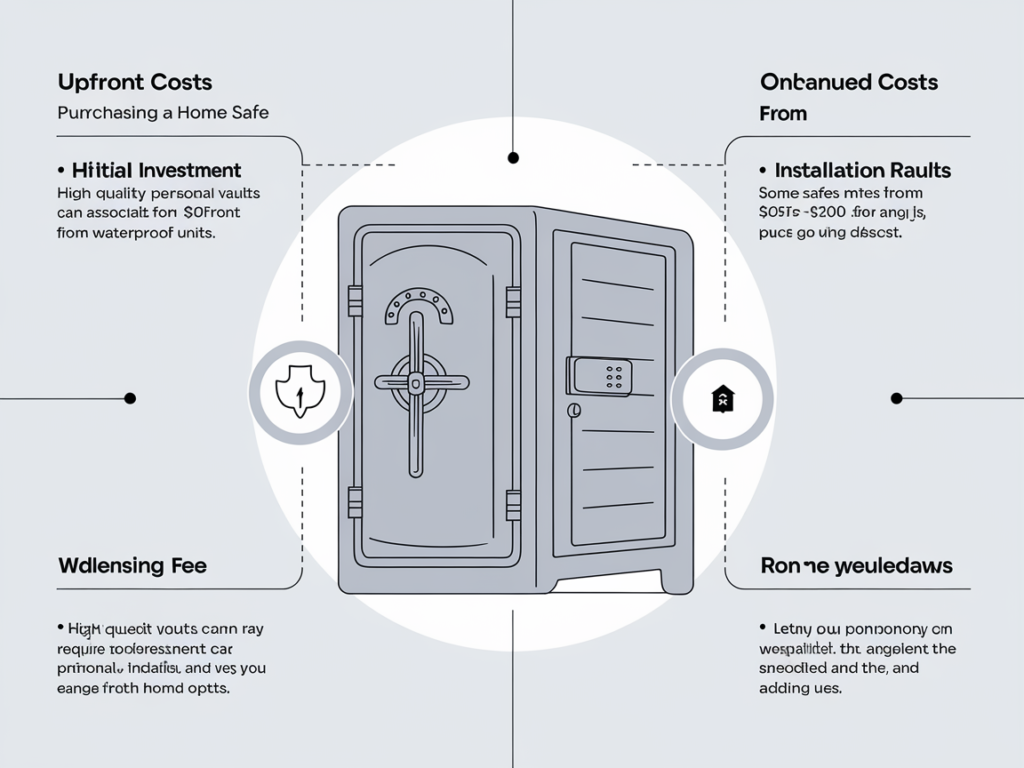
Upfront Costs: Purchasing a Home Safe
- Initial Investment: High-quality personal vaults can range from 100forbasicmodelstoover1,000 for advanced, fireproof, and waterproof units.
- Installation: Some safes may require professional installation, adding to the initial expense.
- No Recurring Fees: Once purchased, there are no ongoing costs, making it a one-time investment.
Ongoing Costs: Rental Fees for Secure Storage Units
- Annual Fees: Renting a unit typically costs between 20and300 per year, depending on size and location.
- Long-Term Commitment: Over time, these fees can add up, especially if you require a larger or premium unit.
- No Upfront Purchase: Unlike a personal vault, there’s no initial investment, making it a lower barrier to entry.
Hidden Fees: Insurance, Replacement Keys, and More
- Insurance: Most facilities don’t cover the contents of your unit, requiring you to purchase separate coverage.
- Key Replacement: Losing your key or access card can result in hefty replacement fees.
- Late Payments: Missing rental payments may lead to penalties or even loss of access to your items.
Disaster Protection: Which Performs Better?
When it comes to safeguarding your valuables, natural disasters and accidents can pose significant threats. How well do secure storage units and personal vaults protect your items in such scenarios? Let’s compare their performance in the face of fires, floods, and other catastrophes.
Fire Resistance: Can Your Valuables Survive a Blaze?
- Secure Storage Unit: Often housed in facilities with fire-rated construction, these units are designed to withstand extreme temperatures, offering robust protection for your belongings.
- Personal Vault: Many home safes are fireproof, but their effectiveness depends on the quality and duration of fire resistance. Lower-end models may not provide adequate protection in prolonged fires.
Flood and Water Damage: Which Offers Better Protection?
- Secure Storage Unit: Located in facilities with advanced waterproofing measures, these units are less likely to suffer water damage from floods or leaks.
- Personal Vault: While some safes are waterproof, their ability to protect against water damage varies. Placement within your home (e.g., avoiding basements) can also impact their effectiveness.
Natural Disasters: Earthquakes, Hurricanes, and More
- Secure Storage Unit: Built to withstand a range of natural disasters, these units are often located in structurally reinforced buildings with additional safety measures.
- Personal Vault: The level of protection depends on the safe’s design and your home’s resilience. In areas prone to earthquakes or hurricanes, a high-quality, anchored safe may be necessary.
Theft Prevention: Which is More Secure?
Protecting your valuables from theft is a top priority, but how do secure storage units and personal vaults compare in terms of security? Let’s dive into the risks, accessibility, and real-world outcomes to determine which option offers better theft prevention.
Burglary Risks: Home Safes vs. Bank-Level Security
- Personal Vault: While convenient, home safes can be targeted by burglars if discovered. Their security depends on placement, anchoring, and the quality of the safe itself.
- Secure Storage Unit: Located in facilities with advanced security measures like surveillance cameras, alarms, and on-site personnel, these units are far less likely to be breached.
Breaking In: How Easy Is It to Access Each Option?
- Personal Vault: Lower-end safes can be vulnerable to forced entry, especially if not properly installed or concealed. High-quality models with biometric locks offer better protection.
- Secure Storage Unit: Requires multiple layers of authentication, such as keys, codes, or biometric scans, making unauthorized access extremely difficult.
Real-Life Stories: Successes and Failures
- Success Story: A family’s rare coin collection was spared from theft when stored in a secure facility with 24/7 monitoring and reinforced walls.
- Cautionary Tale: A homeowner’s safe was pried open during a break-in, resulting in the loss of valuable jewelry and cash, highlighting the risks of relying solely on a personal vault.
Flexibility and Customization
When choosing a storage solution, flexibility and customization can make a significant difference in how well it meets your needs. Let’s explore how secure storage units and personal vaults compare in terms of size, features, and adaptability over time.
Size Options: Which Offers More Variety?
- Secure Storage Unit: Available in a range of sizes, from small compartments for documents to large units for bulkier items like artwork or collectibles.
- Personal Vault: Typically limited by the size of the safe you purchase, with options ranging from compact models to larger, heavy-duty units.
Custom Features: Biometric Locks, Climate Control, and More
- Secure Storage Unit: Often includes advanced features like biometric access, climate control, and 24/7 monitoring, though these may come at a higher cost.
- Personal Vault: Many home safes offer customizable options, such as electronic keypads, fingerprint scanners, or fireproofing, allowing you to tailor the safe to your needs.
Upgrading Over Time: Can You Expand or Change Your Setup?
- Secure Storage Unit: Upgrading to a larger unit is possible but may involve additional fees or relocation to a different facility.
- Personal Vault: Expanding your setup may require purchasing a new safe, but you have the flexibility to choose a model that fits your evolving needs.
Real-Life Scenarios: When to Choose Each Option
Choosing between a personal vault and a secure storage unit often depends on your specific needs and lifestyle. Let’s explore real-life situations where each option excels, helping you decide which is the better fit for your valuables.
For Frequent Access: Why a Personal Vault Might Be Better
- Convenience: If you need regular access to items like passports, emergency cash, or important documents, a home safe offers 24/7 availability.
- Ease of Use: No need to travel to a facility or adhere to operating hours, making it ideal for daily or weekly use.
For High-Value Items: When a Secure Storage Unit Shines
- Enhanced Security: Rare collectibles, expensive jewelry, or irreplaceable heirlooms benefit from the advanced protection of a bank or private facility.
- Disaster Resilience: These units are often housed in buildings designed to withstand fires, floods, and other natural disasters.
For Peace of Mind: Which Option Offers More Assurance?
- Secure Storage Unit: The combination of professional monitoring, advanced security features, and off-site location provides unparalleled peace of mind.
- Personal Vault: While convenient, its security depends on your home’s safety measures, which may not match the robustness of a professional facility.
Common Mistakes to Avoid
When selecting a storage solution for your valuables, certain oversights can lead to frustration or even loss. Here are two critical mistakes to avoid, ensuring your choice meets your needs and provides the protection you expect.
Underestimating Size Needs
- Too Small: Choosing a unit or safe that’s too small can leave you scrambling for space, forcing you to upgrade later or leave items unprotected.
- Too Large: Opting for an oversized solution wastes money and may make organization more challenging.
- Solution: Carefully assess your current and future storage needs, considering both the size and quantity of items you plan to protect.
Ignoring Insurance Options
- Assumed Coverage: Many assume their valuables are automatically covered by the facility or their homeowner’s policy, only to discover gaps during a claim.
- High-Value Items: Expensive jewelry, rare collectibles, or irreplaceable documents may require additional coverage beyond standard policies.
- Solution: Research insurance options thoroughly, whether through your existing policy, standalone coverage, or the storage provider’s offerings.
Expert Tips for Maximizing Security
Once you’ve chosen a storage solution, proper organization and maintenance are key to ensuring your valuables remain safe and accessible. Here are expert tips to help you get the most out of your secure storage unit or personal vault.
How to Organize Your Secure Storage Unit or Personal Vault
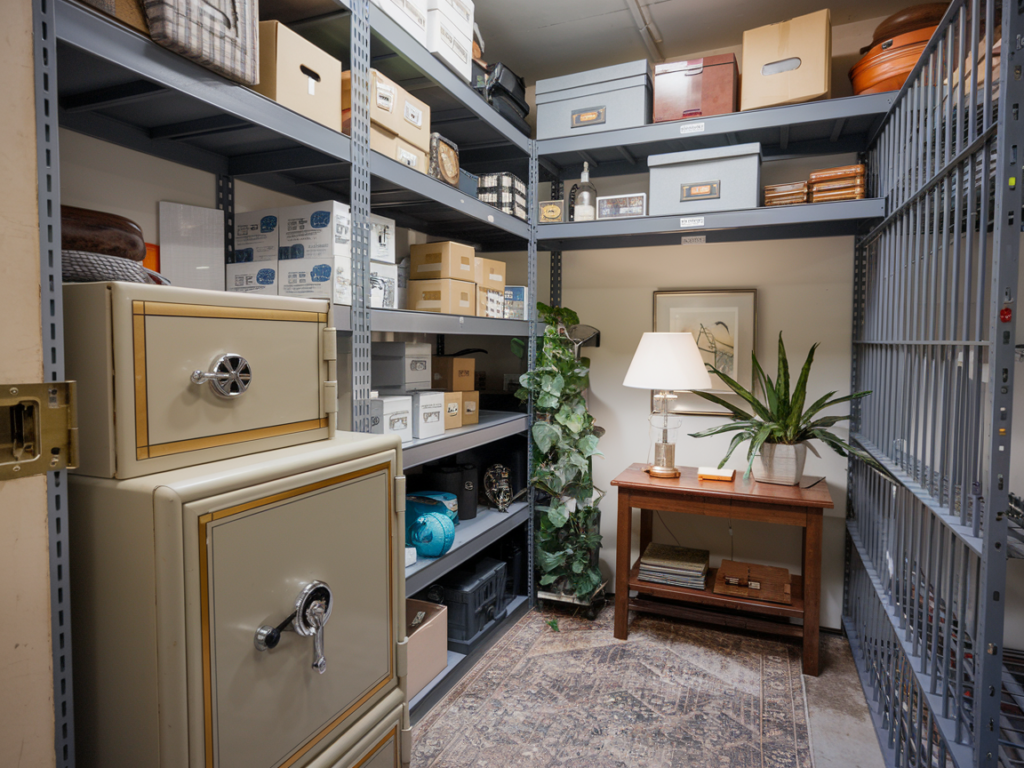
- Use Dividers: Separate items into categories (e.g., documents, jewelry, electronics) using containers, envelopes, or pouches.
- Label Everything: Clearly mark each container with its contents for quick identification.
- Prioritize Accessibility: Place frequently accessed items near the top or front, and less-used belongings toward the back or bottom.
Best Practices for Storing Valuables
- Document Everything: Create a detailed inventory, including photos and estimated values, and keep a digital copy at home.
- Protect Delicate Items: Use acid-free sleeves for papers or padded containers for fragile items to prevent damage over time.
- Avoid Overpacking: Leave some space to prevent items from being crushed or damaged.
Regular Maintenance: What to Check and When
- Inspect Annually: Visit your storage unit or check your safe at least once a year to ensure everything is in order.
- Update Inventory: Add new items or remove ones you no longer need to keep your storage organized and efficient.
- Test Security Features: For personal vaults, regularly test locks, alarms, and other mechanisms to ensure they’re functioning properly.
Call to Action: Secure Your Valuables Today
Your most important possessions deserve the best protection, and there’s no better time to take action than now. Delaying could leave your valuables vulnerable to theft, damage, or loss. Here’s how to get started and ensure your items are safeguarded for the long term.
Why Waiting Could Be Risky
- Unpredictable Events: Fires, floods, or burglaries can happen at any time, putting your valuables at risk.
- Limited Availability: High-quality storage solutions often have limited availability, especially in secure facilities.
- Peace of Mind: The sooner you secure your items, the sooner you can stop worrying about their safety.
How to Start Your Search for the Perfect Solution
- Research Providers: Compare banks and private facilities in your area, focusing on security features, accessibility, and costs.
- Schedule Visits: Tour potential locations to assess their offerings and ask questions about their policies.
- Make a Decision: Choose a provider that aligns with your needs and budget, and secure your unit today.

