

Introduction: The Great Debate Over Secure Storage Terminology
Have you ever paused mid-conversation, unsure whether to say “secure storage box” or “security storage box”? You’re not alone. This seemingly minor linguistic nuance has sparked a surprisingly intense debate among language purists, financial experts, and everyday users alike. But why does such a small difference in phrasing cause so much confusion? And more importantly, does it even matter?
The truth is, the words we choose often carry more significance than we realize. Whether you’re safeguarding cherished valuables or discussing financial protection, using the right term isn’t just about grammar—it’s about precision, trust, and clear communication. In this post, we’ll unravel the origins of this terminology tangle, explore why the mix-up persists, and finally answer the pressing question: Which phrase is correct? Get ready—this isn’t just a grammar deep dive; it’s a fascinating exploration of language, history, and the world of secure storage solutions.
What Is a Secure Storage Box? A Quick Definition
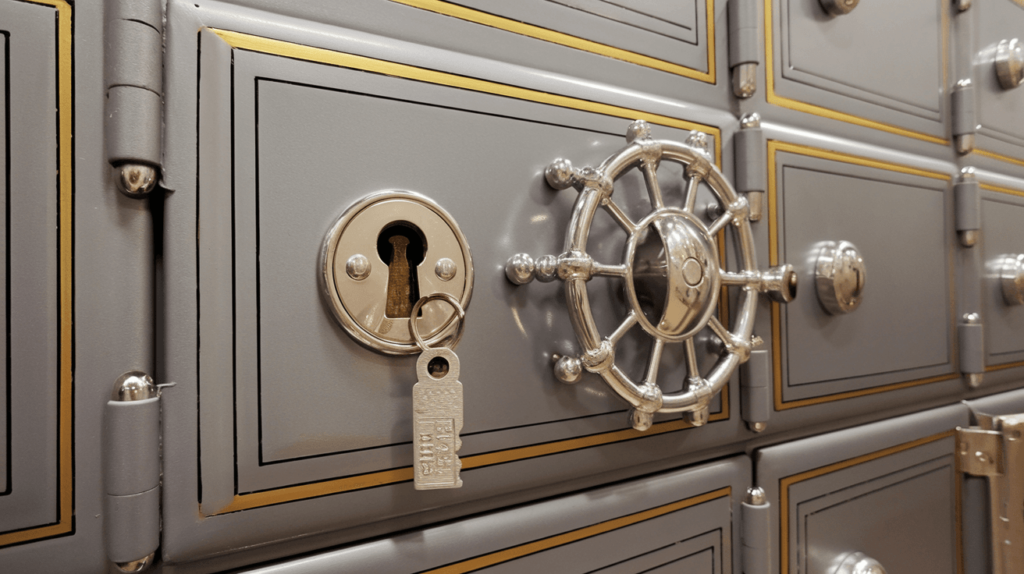
A secure storage box is a locked container, typically housed within a bank or private vault, designed to protect valuable items from theft, damage, or loss. These containers are often made of durable materials like steel and are stored in highly secure environments, offering an additional layer of protection beyond what a home safe can provide.
The Purpose of a Secure Storage Box
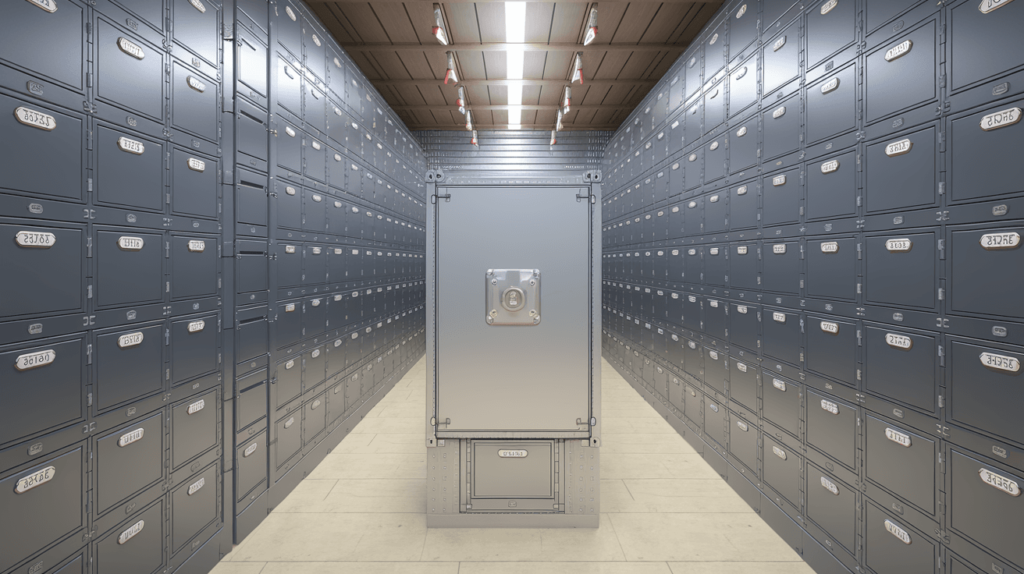
The primary goal of these containers is to offer a reliable solution for safeguarding important possessions. Whether it’s protecting irreplaceable heirlooms, critical documents, or high-value assets, these boxes provide peace of mind by ensuring your valuables are stored in a controlled, secure setting. Unlike home storage options, which may be vulnerable to break-ins or environmental hazards, these boxes are housed in facilities equipped with advanced security measures, including surveillance, alarms, and restricted access.

Common Uses for Secure Storage Boxes
People turn to these containers for a variety of reasons. Here are some of the most common uses:
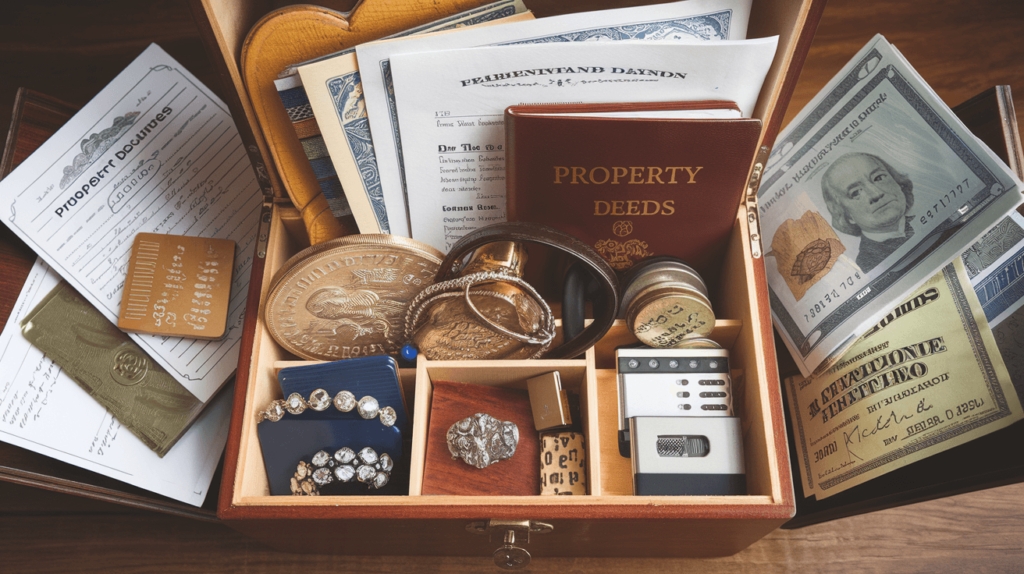
- Storing Important Documents: Items like property deeds, wills, birth certificates, and passports are often kept in these boxes to prevent loss or damage.
- Protecting Valuables: Jewelry, rare coins, family heirlooms, and other precious items are frequently stored here for added security.
- Safeguarding Digital Data: USB drives, external hard drives, and other digital storage devices containing sensitive information can be kept safe from cyber threats or physical damage.
- Holding Financial Instruments: Bonds, stock certificates, and other financial documents are often stored in these boxes to ensure their safety.
- Preserving Sentimental Items: Photographs, letters, and other irreplaceable mementos are protected from environmental factors like fire or flooding.
The Origins of the Term “Secure Storage Container
The concept of safeguarding valuables dates back centuries, but the modern iteration of secure storage containers has its roots in the 19th century. As urbanization and industrialization grew, so did the need for reliable ways to protect personal and business assets. Banks, already seen as trustworthy institutions, began offering private storage solutions to meet this demand.
Historical Background of Secure Storage Containers
The first known use of these containers can be traced back to ancient civilizations, where temples and palaces often housed treasuries to protect gold, artifacts, and important records. However, the modern version emerged in the 1800s, coinciding with the rise of banking systems in Europe and North America. Early versions were simple locked compartments within bank vaults, but over time, they evolved into individual boxes with unique keys or dual-key systems for added security.
By the late 19th century, these containers became a standard offering in banks, catering to wealthy individuals and businesses looking to protect their assets. The term “safe deposit box” likely originated during this period, combining the idea of a “safe” (a secure container) with “deposit” (the act of storing valuables).
How the Term “Secure Storage Container” Came Into Use
The phrase “safe deposit box” gained traction as banks marketed these services to the public. The term emphasized two key features: the security of the container (“safe”) and the act of entrusting valuables to the bank (“deposit”). Over time, this phrasing became standardized in the banking industry, solidifying its place in everyday language.
Interestingly, the confusion with “safety deposit box” likely arose from colloquial usage. People began substituting “safety” for “safe,” possibly because it felt more intuitive or descriptive. However, the original term remains the technically correct version, rooted in its historical and functional context.
The Rise of “Security Storage Box”: A Common Misconception
The term “security storage box” has gained traction over the years, often used interchangeably with the correct phrase. But how did this mix-up happen, and why does it persist? The answer lies in the way language evolves through everyday usage and the human tendency to prioritize clarity and familiarity over technical accuracy.
Why People Started Using “Security Storage Box”
One reason for the shift is the natural inclination to make language more descriptive. The word “security” feels more explicit and reassuring to many, as it directly conveys the idea of protection and safety. Over time, this led to the widespread adoption of the term, even though it wasn’t the original phrasing.
Additionally, regional dialects and colloquial speech played a role. In some areas, “security storage box” became the default term simply because it was more commonly heard and used. This linguistic phenomenon isn’t unique—similar shifts happen with other phrases, where a technically incorrect version becomes widely accepted through repetition.
Is “Security Storage Box” Grammatically Correct?
From a grammatical standpoint, the phrase isn’t inherently wrong, but it’s not the standard or historically accurate term. The original phrase, “secure storage container,” was carefully chosen to reflect its purpose: a “safe” (secure) place to “deposit” (store) valuables. While “security storage box” might sound more intuitive to some, it doesn’t carry the same historical or industry-specific weight.
That said, language is fluid, and common usage often shapes what’s considered acceptable. While “security storage box” may not be technically correct, its widespread use has made it a recognizable variant. However, for precision and clarity, especially in formal or professional contexts, sticking to the original term is recommended.
Secure Storage Container vs. Security Storage Box: Which Is Correct?
The debate over which term to use—secure storage container or security storage box—has puzzled many. To settle this once and for all, let’s break down the grammar and meaning of both phrases and explore what experts have to say about their usage.
Breaking Down the Grammar and Meaning of Both Terms
- Secure Storage Container:
- Secure: This adjective emphasizes the protective nature of the container, highlighting its ability to keep valuables safe.
- Storage: Refers to the act of keeping items in a designated space.
- Container: A neutral term describing the physical object used to hold items.
Together, the phrase clearly communicates the purpose: a protected space for storing valuables.
- Security Storage Box:
- Security: While also related to protection, this term is more abstract and often associated with broader concepts like systems or measures.
- Storage: Same as above, referring to the act of keeping items.
- Box: A simpler, more casual term for the container.
While this phrase is understandable, it lacks the precision and historical context of the original term.
Expert Opinions on the Correct Usage
Linguists and industry professionals overwhelmingly favor the original term, “secure storage container.” Here’s why:
- Historical Accuracy: The phrase has been used in banking and legal contexts for over a century, making it the standard term.
- Clarity: The word “secure” directly conveys the protective nature of the container, leaving no room for ambiguity.
- Professional Preference: Banks and financial institutions consistently use the original term in official communications, reinforcing its correctness.
While “security storage box” isn’t technically wrong, it’s considered a less precise alternative. Experts recommend using the original term, especially in formal or professional settings, to ensure clarity and credibility.
How Banks and Financial Institutions Use the Terms
When it comes to secure storage solutions, banks and financial institutions play a key role in shaping the terminology we use. But which phrase do they officially endorse: “secure storage container” or “security storage box”? Let’s explore how major banks address this linguistic debate and what it means for everyday usage.
Do Banks Use “Secure Storage Container” or “Security Storage Box”?
The overwhelming majority of banks and financial institutions use the term “secure storage container” in their official communications, marketing materials, and customer interactions. This preference aligns with the term’s historical roots and its precise description of the service being offered.
While the colloquial variation, “security storage box,” may appear in casual conversations or regional dialects, it’s rarely used in formal banking contexts. This consistency across the industry reinforces the importance of using the correct term, especially when dealing with financial matters.
Examples from Major Banks Like Chase, Truist, and Others
- Chase Bank:
Chase consistently uses “secure storage container” on its website and in customer communications. For example, their service descriptions emphasize the safety and reliability of these containers for storing valuables like documents, jewelry, and other important items. - Truist:
Truist also adheres to the standard terminology, referring to these services as “secure storage containers.” Their marketing materials highlight the advanced security features of their facilities, ensuring customers feel confident about protecting their assets. - Bank of America:
Similar to Chase and Truist, Bank of America uses the term “secure storage container” in all official documentation. They emphasize the convenience and peace of mind these containers provide for safeguarding personal and business valuables. - Wells Fargo:
Wells Fargo follows suit, using the correct term in their service descriptions. They also provide detailed information about the sizes, costs, and accessibility of their containers, reinforcing the importance of clarity in communication.
Why This Matters for Customers
The consistent use of “secure storage container” by major banks ensures clarity and professionalism in customer interactions. When customers see the same term used across different institutions, it builds trust and reduces confusion. This standardization also makes it easier for individuals to compare services and make informed decisions about where to store their valuables.
What Do Experts Say About the Terminology?
The debate over “secure storage container” versus “security storage box” isn’t just a matter of personal preference—it’s a topic that has drawn the attention of linguists, financial professionals, and language enthusiasts alike. Let’s dive into what experts have to say about this linguistic puzzle and why they overwhelmingly favor the original term.
Insights from Linguists and Financial Experts
- Linguists’ Perspective:
Linguists point out that language evolves through common usage, but they emphasize the importance of preserving historically accurate terms, especially in specialized fields like finance. The phrase “secure storage container” has a clear, logical structure: “secure” describes the protective nature of the container, while “storage” and “container” define its purpose and form. This precision makes it the preferred choice in formal contexts. - Financial Experts’ Take:
Financial professionals argue that consistency in terminology is crucial for maintaining clarity and trust in the industry. Using the correct term, “secure storage container,” ensures that customers understand exactly what they’re getting—a highly protected space for their valuables. This clarity is especially important when discussing legal or contractual matters related to these services.
Why Experts Prefer “Secure Storage Container
- Historical Accuracy:
The term has been used in banking and legal contexts for over a century, making it the standard in the industry. Experts argue that deviating from this established terminology can lead to confusion, particularly in formal or professional settings. - Precision and Clarity:
The word “secure” directly conveys the protective nature of the container, leaving no room for ambiguity. In contrast, “security” is a broader term that can refer to systems, measures, or even abstract concepts, making it less precise in this context. - Industry Standards:
Major banks and financial institutions consistently use “secure storage container” in their official communications. Experts recommend following this standard to ensure consistency and professionalism, whether you’re writing about the topic or discussing it in everyday conversations. - Avoiding Miscommunication:
Using the correct term helps prevent misunderstandings, particularly when dealing with sensitive matters like contracts, insurance, or legal documents. Experts stress that precision in language is essential for maintaining trust and credibility.
The Role of Marketing and Branding in the Terminology Debate
Marketing and branding play a significant role in shaping the language we use, and the debate over “secure storage container” versus “security storage box” is no exception. Let’s explore how advertising and promotional materials have influenced the use of these terms and examine examples of campaigns that have contributed to the confusion—or clarity—around this topic.
How Marketing Materials Influence Terminology
- Emphasis on Clarity and Appeal:
Marketing teams often prioritize language that resonates with their target audience. While “secure storage container” is the technically correct term, some campaigns have opted for “security storage box” because it feels more descriptive and reassuring to the average consumer. This shift highlights the tension between accuracy and accessibility in advertising. - Regional and Cultural Preferences:
In some regions, the colloquial term has become so ingrained in everyday speech that marketers use it to connect with local audiences. This regional adaptation can lead to inconsistencies in terminology, even within the same brand’s global campaigns. - Brand Identity and Differentiation:
Some companies intentionally use alternative phrasing to stand out in a crowded market. By adopting “security storage box,” they may aim to create a unique brand voice or appeal to customers who find the term more relatable.
Examples of Advertising Campaigns Using Both Terms
- Chase Bank:
Chase’s marketing materials consistently use “secure storage container,” aligning with industry standards. Their campaigns emphasize the reliability and advanced security features of their services, reinforcing the importance of using the correct term. - Regional Banks and Credit Unions:
Smaller financial institutions sometimes use “security storage box” in their local advertising to reflect regional language preferences. For example, a credit union in the southern United States might adopt the colloquial term to better connect with its community. - Private Vault Companies:
Some private vault companies have experimented with alternative phrasing in their campaigns. For instance, a luxury storage provider might use “security storage box” to evoke a sense of exclusivity and modern appeal, even if it deviates from the traditional term. - Insurance Companies:
Insurance providers often reference these containers in their marketing materials. While most stick to “secure storage container,” some have used “security storage box” in customer-facing content to simplify the message and make it more accessible.
The Impact of Marketing on Public Perception
Marketing campaigns have the power to shape how we think about and use language. While the correct term remains “secure storage container,” the widespread use of “security storage box” in advertising has contributed to its popularity. This duality highlights the ongoing tension between technical accuracy and consumer-friendly messaging.
Secure Storage Containers Around the World: Terminology Differences
Language is deeply influenced by culture, history, and regional preferences, and the way people refer to secure storage containers is no exception. While “secure storage container” is the standard term in many English-speaking countries, variations exist across regions. Let’s explore how different parts of the world describe these protective storage solutions and what these differences reveal about language and culture.
How Other English-Speaking Countries Refer to Secure Storage Containers
- United States and Canada:
In North America, “secure storage container” is the most widely used and officially recognized term. Banks and financial institutions consistently use this phrasing in their communications, reinforcing its status as the standard. - United Kingdom:
In the UK, the term “safe deposit box” is more commonly used. This phrasing aligns closely with the American version but drops the word “storage,” reflecting a slight linguistic variation. British banks and vault companies typically use this term in their marketing and customer interactions. - Australia and New Zealand:
Similar to the UK, Australia and New Zealand favor “safe deposit box.” However, colloquial usage sometimes shifts to “security deposit box,” mirroring the informal variation seen in other regions. - South Africa:
In South Africa, the term “safe deposit locker” is occasionally used, adding another layer of variation. This phrasing emphasizes the physical structure of the container, reflecting local linguistic preferences.
Variations in Terminology Across Regions
- Colloquial Adaptations:
In many regions, informal terms like “security storage box” or “safety deposit box” have gained traction, often due to everyday speech patterns. These variations are more common in casual conversations than in formal or professional settings. - Cultural Influences:
In some countries, local languages or dialects influence the terminology. For example, in India, where English is widely spoken alongside regional languages, terms like “locker” or “vault” are sometimes used interchangeably with “secure storage container.” - Marketing and Branding:
As seen earlier, marketing campaigns can shape regional terminology. In areas where “security storage box” is more relatable, companies may adopt this phrasing to better connect with their audience, even if it deviates from the standard term.
Why These Differences Matter
Understanding regional variations in terminology is essential for clear communication, especially in a globalized world. Whether you’re traveling, doing business internationally, or simply discussing the topic with someone from another country, being aware of these differences helps avoid confusion and fosters better understanding.
How to Choose the Right Secure Storage Container for Your Needs
Renting a secure storage container is a practical way to protect your valuables, but with so many options available, how do you choose the right one? Whether you’re storing important documents, family heirlooms, or high-value items, here are the key factors to consider when making your decision.
Factors to Consider When Renting a Secure Storage Container
- Size and Capacity:
Determine what you plan to store and choose a container that accommodates your needs. Containers come in various sizes, from small units for documents and jewelry to larger ones for bulkier items like artwork or collectibles. - Security Features:
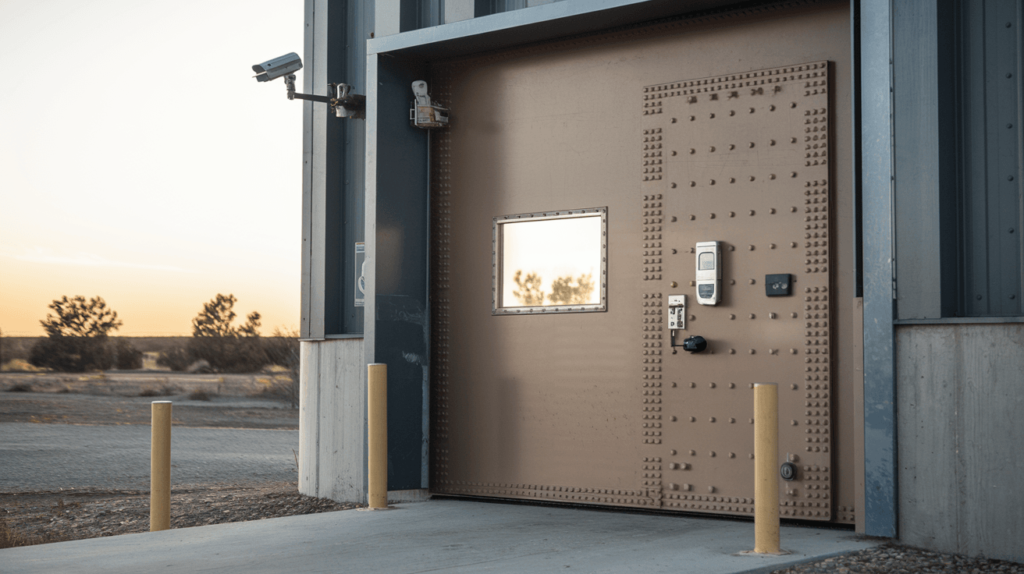
Look for facilities with advanced security measures, such as 24/7 surveillance, biometric access, and alarm systems. The level of protection offered can vary significantly between providers. - Accessibility:
Consider how often you’ll need to access your items. Some facilities offer extended hours or even 24/7 access, while others may have more limited availability. - Location:
Choose a facility that’s conveniently located, whether it’s near your home, workplace, or a frequently visited area. This ensures easy access when you need it. - Reputation and Reliability:
Research the provider’s reputation by reading reviews and checking their history. A well-established institution with positive customer feedback is often a safer choice. - Insurance Options:
While secure storage containers offer excellent protection, it’s wise to ensure your items are covered by insurance. Some providers offer insurance packages, or you may need to arrange coverage through a third party.
Comparing Prices, Sizes, and Security Features
- Price:
Costs can vary widely depending on the size of the container, the location of the facility, and the level of security offered. Compare prices from multiple providers to find a solution that fits your budget. - Size Options:
- Small containers: Ideal for documents, jewelry, and small valuables.
- Medium containers: Suitable for larger items like electronics or small collectibles.
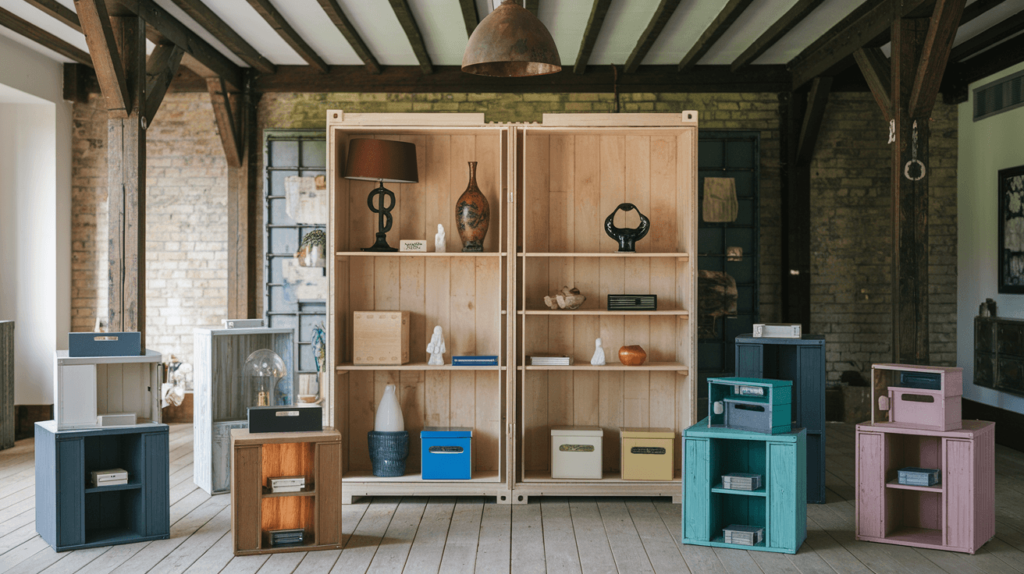
- Large containers: Best for bulky items such as artwork, antiques, or multiple boxes of valuables.
3. Security Features:
- Basic facilities: May offer standard locks and limited surveillance.
- High-security facilities: Often include features like biometric scanners, motion detectors, and round-the-clock monitoring.
4. Additional Services:
Some providers offer extra services, such as climate control for sensitive items, private viewing rooms, or personalized customer support. These can add value but may come at a higher cost.
Making the Right Choice
Choosing the right secure storage container requires careful consideration of your specific needs and priorities. By evaluating factors like size, security, accessibility, and cost, you can find a solution that offers peace of mind and reliable protection for your valuables.
Whether you’re storing irreplaceable heirlooms or critical documents, taking the time to make an informed decision ensures that your items are safe, secure, and easily accessible whenever you need them.

