

Introduction: Why Storing Cash in a Secure Storage Unit is a Hot Topic
Picture this: you’ve tucked away a stack of bills for emergencies, a major purchase, or simply peace of mind. But where do you keep it? Under the mattress? In a shoebox? For many, the answer lies in a secure storage unit—a seemingly impenetrable vault for valuables. But is it really the best place for your cash?
The allure of keeping currency secure is undeniable. In a world of digital transactions and cyber threats, cold, hard money feels tangible and reliable. Yet, misconceptions about these units abound. Are they truly foolproof? What happens if the facility closes or you lose your key? And perhaps most importantly—is your money even insured?
In this guide, we’ll dive deep into the pros and cons of storing cash in a secure storage unit, uncovering the risks, rewards, and alternatives you need to know. Whether you’re safeguarding emergency funds, inheritance, or a rainy-day reserve, the right choice could mean the difference between security and loss. Let’s explore: is a secure storage unit the right choice for your cash?
What is a Secure Storage Unit?
When it comes to safeguarding your most valuable items, a secure storage unit is a popular choice. But what exactly is it, and why is it so essential? Let’s break it down.
Definition and Purpose
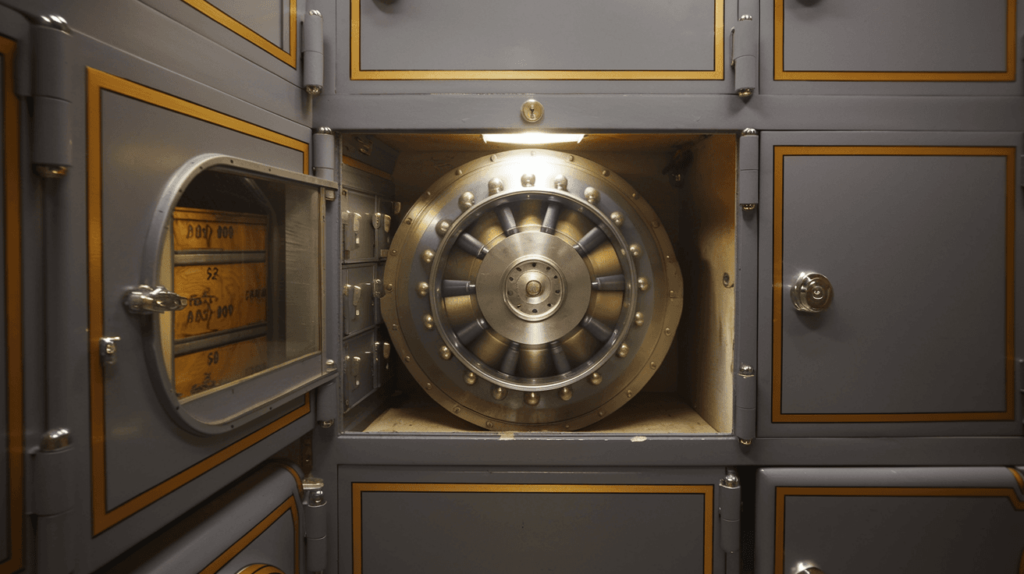
A secure storage unit is a locked compartment, typically housed within a bank or private facility, designed to protect your belongings. These units are often made of durable materials like steel and are stored in highly secure environments with advanced surveillance, fireproofing, and climate control. Access is usually restricted to authorized individuals, requiring keys, codes, or biometric verification.
Typical Uses: Documents, Valuables, and Cash
- Important Papers: Legal documents like wills, deeds, and birth certificates are frequently stored to protect them from damage or loss.
- Valuables: Jewelry, rare coins, precious metals, and family heirlooms are kept safe from theft or natural disasters.
- Currency: Some individuals choose to store cash for emergencies or as a tangible backup to digital funds.
By understanding what a secure storage unit is and how it functions, you can better evaluate whether it’s the right solution for your needs. Whether you’re safeguarding legal papers, sentimental items, or cash, these units offer a reliable way to protect what matters most.
Pros of Storing Cash in a Secure Storage Unit
Storing cash in a secure storage unit offers several advantages that make it an appealing option for many. Here’s why this solution might be the right choice for safeguarding your money.
Enhanced Security Against Theft
- Advanced Protection: These units are housed in facilities with robust security measures, including surveillance cameras, alarms, and on-site personnel.
- Deterrent for Burglars: The location and construction of these units make them difficult targets for theft.
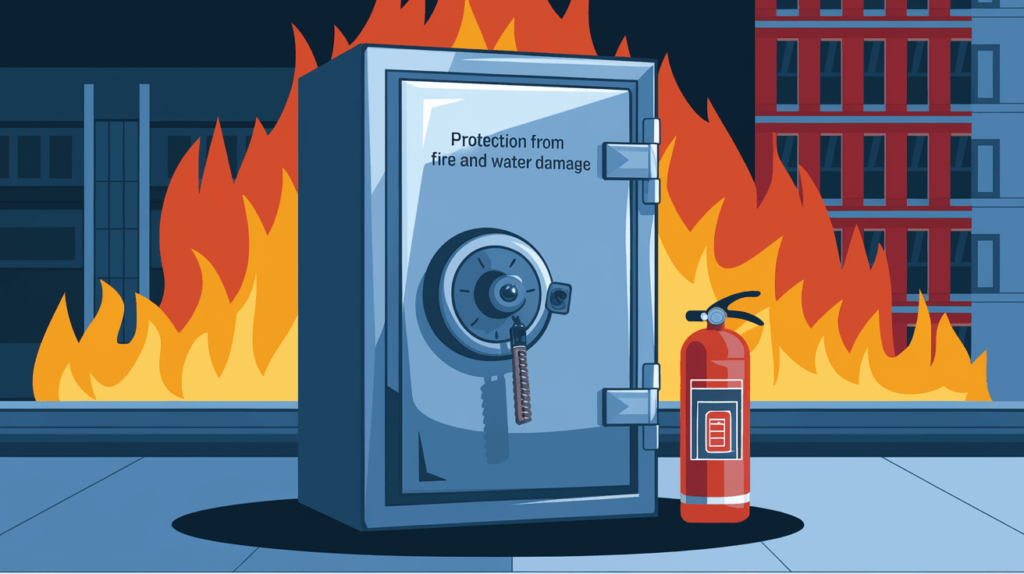
Protection from Fire and Water Damage
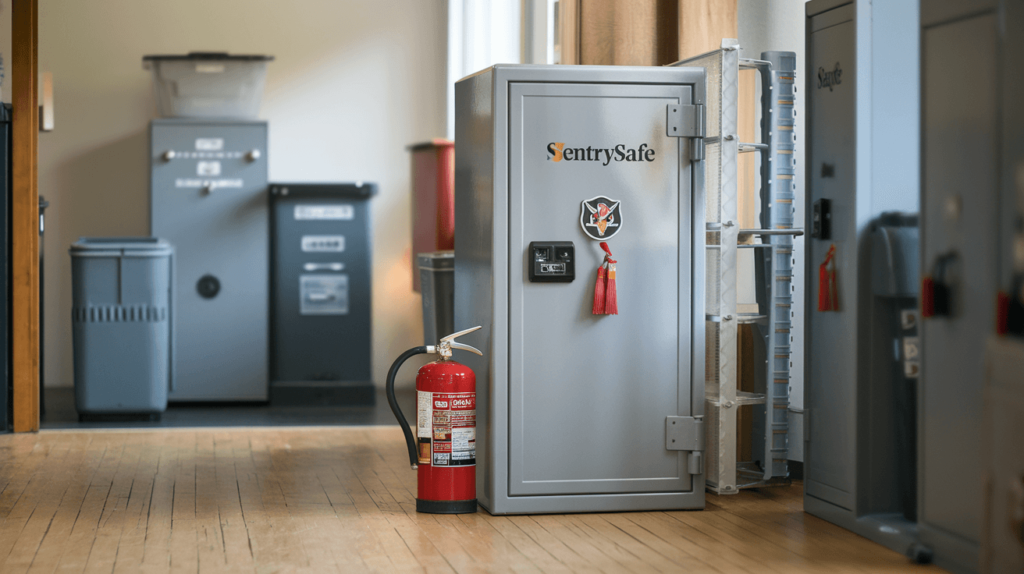
- Fireproofing: High-quality units are designed to withstand extreme temperatures, ensuring your cash remains safe even in a fire.
- Waterproofing: Sealed construction protects your money from floods, leaks, or water-related disasters.
Privacy and Confidentiality
- Discreet Storage: Unlike bank accounts, secure storage units offer a level of privacy, as the contents are not disclosed to financial institutions.
- Limited Access: Only authorized individuals can access the unit, ensuring your cash remains confidential.
Cons of Storing Cash in a Secure Storage Unit
While secure storage units offer many benefits, they also come with drawbacks that are important to consider before deciding to store your cash there. Here’s what you need to know.
Limited Access During Facility Hours
- Restricted Availability: Access is typically limited to the facility’s operating hours, which may not align with your schedule.
- Emergency Situations: If you need cash outside of these hours, you may face delays or difficulties.
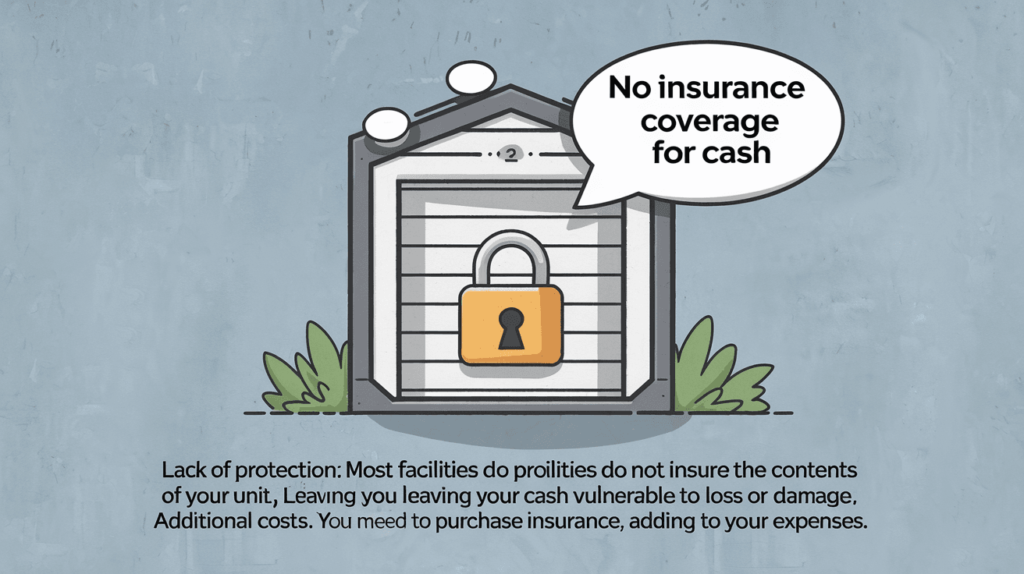
No Insurance Coverage for Cash
- Lack of Protection: Most facilities do not insure the contents of your unit, leaving your cash vulnerable to loss or damage.
- Additional Costs: You may need to purchase separate insurance, adding to your expenses.
Risk of Forfeiture in Case of Unpaid Fees
- Late Payments: Failure to pay rental fees can result in restricted access or even forfeiture of your unit’s contents.
- Auction Risk: In extreme cases, unpaid fees can lead to the facility auctioning off your items to recover costs.
Secure Storage Unit vs. Personal Vault: Which is Better for Cash?
When it comes to safeguarding your cash, choosing between a secure storage unit and a personal vault at home can be challenging. Let’s compare these options to help you make an informed decision.
Security Features Compared
- Secure Storage Unit: Offers advanced protection with fireproofing, waterproofing, and 24/7 surveillance.
- Personal Vault: Provides basic security but may lack the robust features of a professional facility.
Accessibility and Convenience
- Secure Storage Unit: Access is limited to facility hours, which may not align with your schedule.
- Personal Vault: Available 24/7, allowing you to retrieve cash whenever needed.
Cost Analysis
- Secure Storage Unit: Involves ongoing rental fees, which can add up over time.
- Personal Vault: Requires an upfront investment but has no recurring costs.
Legal and Financial Considerations
Storing cash in a secure storage unit isn’t just about security—it also involves navigating legal and financial implications. Here’s what you need to know to stay compliant and avoid potential pitfalls.
IRS Reporting Requirements for Large Cash Deposits
- Thresholds: Deposits or withdrawals of $10,000 or more must be reported to the IRS.
- Documentation: Ensure you have proper records to avoid scrutiny or penalties.
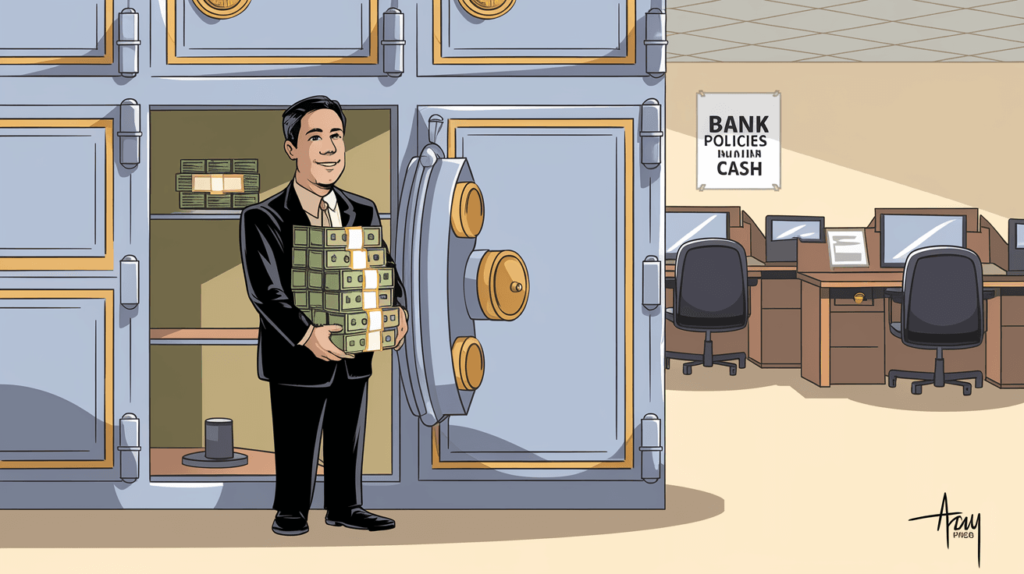
Bank Policies on Storing Cash
- Facility Rules: Some banks or private facilities may have restrictions on storing large amounts of currency.
- Disclosure: Be aware of any reporting requirements or limitations imposed by the provider.
Potential Legal Risks
- Forfeiture: Unpaid fees or legal disputes could result in losing access to your stored cash.
- Theft or Loss: Without insurance, you may have no recourse if your money is stolen or damaged.
Alternatives to Storing Cash in a Secure Storage Unit
If a secure storage unit doesn’t seem like the right fit for your cash, there are other options to consider. Each alternative offers unique benefits and drawbacks, depending on your needs and priorities.
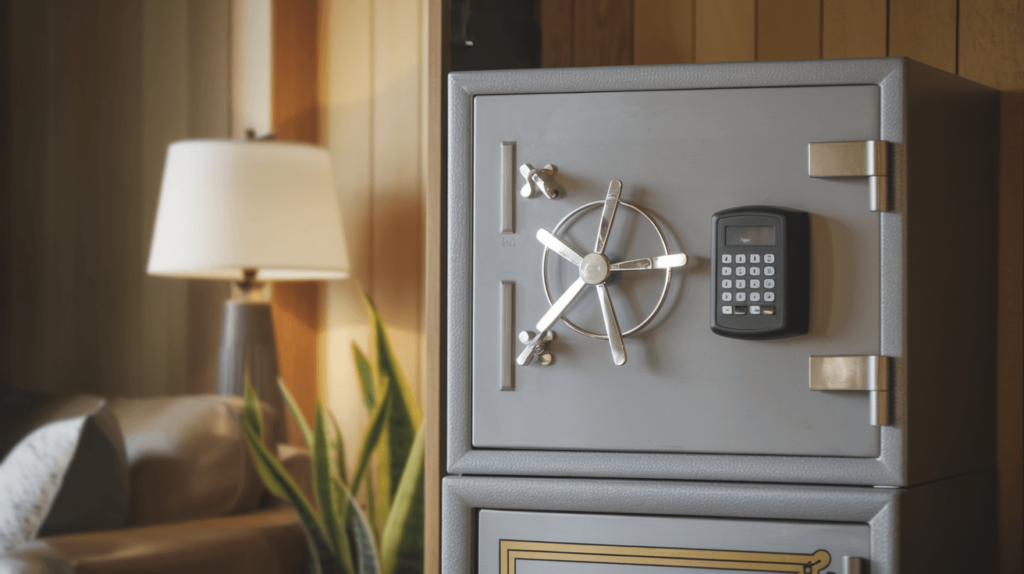
Home Safes with Advanced Security Features
- Convenience: Access your cash 24/7 without relying on external facilities.
- Customization: Choose safes with fireproofing, waterproofing, or biometric locks tailored to your needs.
- Limitations: May be vulnerable to theft or damage if not properly installed or concealed.
Bank Accounts and Safety Deposit Alternatives
- Savings Accounts: Offer FDIC insurance and easy access to funds, though with lower privacy.
- Money Market Accounts: Provide higher interest rates while keeping your cash liquid and secure.
- Certificates of Deposit (CDs): Offer fixed interest rates for locking up your money for a set period.
Digital Storage Solutions for Cash Management
- Online Banking: Secure and convenient, with features like fraud protection and mobile access.
- Digital Wallets: Apps like PayPal or Venmo allow quick transfers and easy management of funds.
- Cryptocurrency: Offers decentralized storage, though it comes with volatility and security risks.
How to Choose the Right Secure Storage Unit for Cash
Selecting the perfect storage solution for your cash requires careful consideration. From size and security to cost, here’s a step-by-step guide to help you make the right choice.
Size and Capacity Considerations
- Assess Your Needs: Determine how much cash you plan to store and whether you’ll need space for additional items like documents or valuables.
- Future-Proofing: Choose a unit that allows room for growth if your storage needs increase over time.
Security Features to Look For
- Fireproofing and Waterproofing: Ensure the unit can withstand extreme conditions to protect your cash.
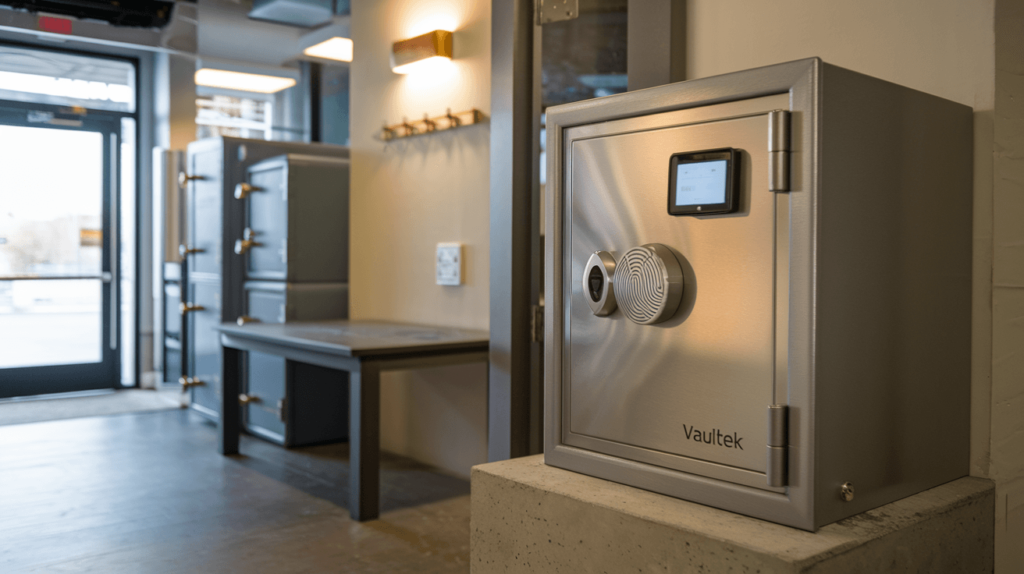
- Advanced Locking Systems: Opt for biometric scanners, combination locks, or dual-key mechanisms for added security.
- Surveillance and Monitoring: Look for facilities with 24/7 surveillance and on-site security personnel.
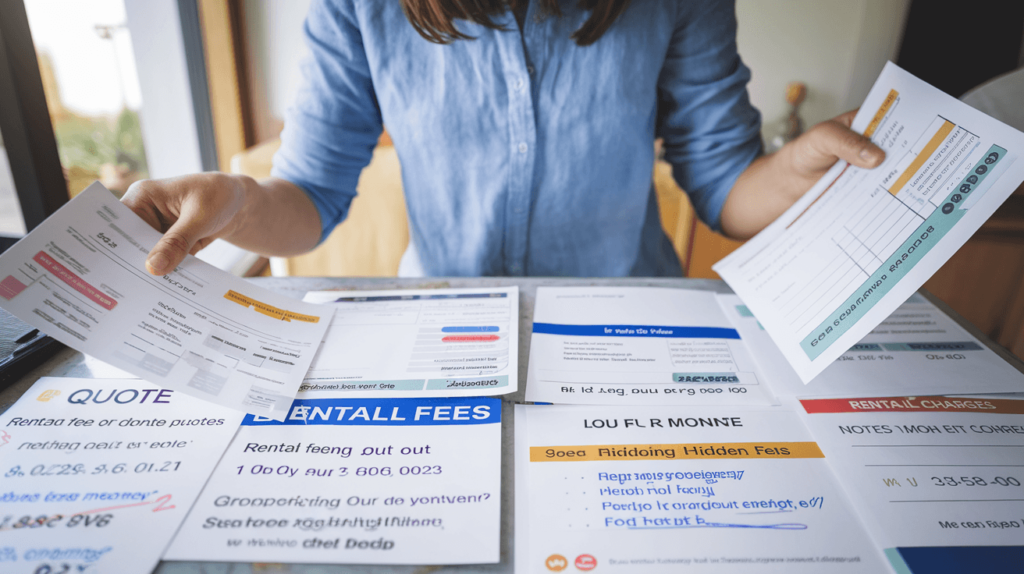
Comparing Costs and Fees
- Rental Fees: Compare prices across different providers, keeping in mind that higher-quality units may cost more.
- Hidden Charges: Be aware of additional fees for key replacement, late payments, or insurance.
- Value for Money: Balance cost with the level of security and convenience offered by the unit.
Tips for Safely Storing Cash in a Secure Storage Unit
Once you’ve chosen a secure storage solution for your cash, proper organization and maintenance are key to ensuring its safety and accessibility. Here’s how to make the most of your storage unit.
Proper Organization and Labeling
- Use Containers: Store cash in sealed envelopes or small, durable containers to keep it organized and protected.
- Label Clearly: Mark each container with the amount and date of storage for easy identification.
- Avoid Overcrowding: Leave some space to prevent damage and make retrieval easier.
Keeping an Inventory of Stored Cash
- Digital Records: Create a digital list detailing the amount, location, and date of storage for each cash deposit.
- Physical Copies: Keep a printed copy of your inventory in a separate, secure location.
- Regular Updates: Update your inventory whenever you add or remove cash from the unit.
Regularly Checking and Updating Your Storage
- Scheduled Inspections: Visit your unit at least once or twice a year to ensure everything is in order.
- Condition Checks: Inspect your cash for signs of damage or wear, especially if stored for long periods.
- Policy Reviews: Stay informed about any changes to the facility’s policies or fees that could affect your storage.
Real-Life Stories: Successes and Failures
Learning from real-world experiences can provide valuable insights into the importance of protecting your cash. Here are inspiring success stories and cautionary tales to help you understand the impact of a reliable storage solution.
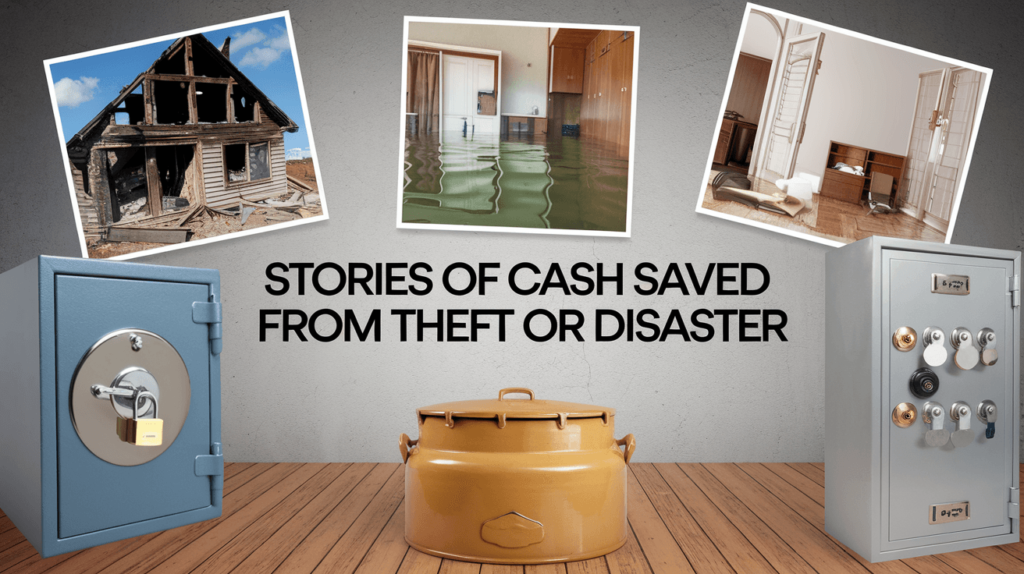
Stories of Cash Saved from Theft or Disaster
- The Fire Survivor: A family’s home was destroyed in a wildfire, but their emergency cash stash, stored in a fireproof unit, remained intact.
- The Flood Escape: During a severe flood, a business owner’s cash reserves were protected in a waterproof container, saving them from significant losses.
- The Burglary Foil: A rare coin collection and cash were spared from theft when stored in a highly secure unit with advanced locking systems.
Lessons Learned from Storage Mishaps
- The Lost Key Dilemma: One individual lost their access key and faced hefty drilling fees to retrieve their cash, highlighting the importance of keeping spare keys in a safe place.
- The Forgotten Unit: A family neglected their storage compartment for years, only to discover their items had been auctioned off due to unpaid fees. This underscores the need to stay on top of rental payments.
- The Insurance Oversight: A collector failed to insure their valuables stored in a unit, resulting in a total loss when the facility was damaged in a storm. This emphasizes the value of additional coverage.
Frequently Asked Questions About Storing Cash in Secure Storage Units
When considering a storage solution for your cash, it’s natural to have questions. Here are answers to some of the most common inquiries to help you make an informed decision.
Can I Insure Cash Stored in a Secure Storage Unit?
- Answer: Most facilities do not insure the contents of your unit, including cash. You may need to purchase separate insurance through a third-party provider to protect your money.
What Happens If the Facility Closes or Loses My Unit?
- Answer: In the event of a closure, the facility should provide notice and instructions for retrieving your items. If your unit is lost, contact the provider immediately to resolve the issue, though compensation may not be guaranteed.
Are There Limits to How Much Cash I Can Store?
- Answer: While there’s no legal limit, some facilities may have policies restricting large amounts of currency. Always check with the provider to understand their rules and any reporting requirements.
Expert Tips for Maximizing Security
Protecting your cash goes beyond just choosing the right storage solution. Here are expert tips to enhance the security of your money and ensure it remains safe from all threats.
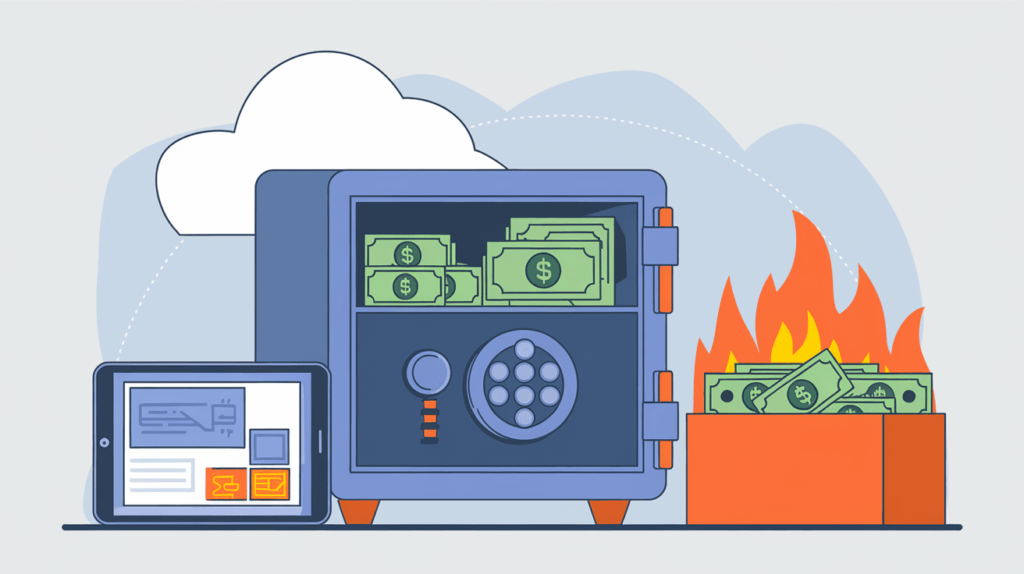
Combining Physical and Digital Security Measures
- Backup Records: Scan and store digital copies of your cash inventory in encrypted drives or cloud storage.
- Two-Factor Authentication: For digital backups, enable additional security layers to protect your files.
- Physical Safeguards: Use durable containers and labels to keep your cash organized and protected within the unit.
Regularly Updating Your Storage Strategy
- Review Needs: Periodically assess whether your current storage solution still meets your needs.
- Upgrade Features: Consider adding advanced security measures like biometric locks if your unit supports them.
- Inspect Regularly: Schedule annual checks to ensure your cash and storage unit are in good condition.
Staying Informed About Facility Policies
- Policy Changes: Keep up-to-date with any changes to the provider’s terms, fees, or access hours.
- Legal Updates: Stay informed about IRS reporting requirements or other regulations that could affect your storage.
- Insurance Options: Regularly review your insurance coverage to ensure your cash is fully protected.
Conclusion: Is Storing Cash in a Secure Storage Unit the Right Choice for You?
Your cash represents more than just currency—it’s a safety net, an investment, or a tangible asset. Deciding whether to store it in a secure storage unit requires careful consideration of the benefits and drawbacks. Let’s recap and help you take the next step.
Recap of Key Pros and Cons
- Pros: Enhanced security against theft, protection from fire and water damage, and privacy.
- Cons: Limited access during facility hours, no insurance coverage, and potential forfeiture risks.
Final Recommendations Based on Your Needs
- For High Security: Choose a secure storage unit with advanced features like fireproofing and biometric locks.
- For Convenience: Consider a home safe or digital storage solution for easier access.
- For Long-Term Storage: Evaluate bank accounts or safety deposit alternatives for insured and low-maintenance options.
Taking the Next Step: How to Get Started
- Research Providers: Compare facilities, features, and costs to find the best fit.
- Visit Facilities: Tour potential locations to assess their security and accessibility.
- Make a Decision: Choose a solution that aligns with your needs and budget.
Recommended Resources for Secure Storage Unit Users
Once you’ve chosen a storage solution for your cash, having the right tools and resources can make managing your valuables even easier. Here’s a curated list of helpful links, services, and tools to enhance your experience.
Links to Top Secure Storage Providers
- SentrySafe: Known for fireproof and waterproof units with advanced security features.
- VAULTEK: Offers high-tech biometric safes for secure document and cash storage.
- Private Vault Companies: Explore specialized facilities with 24/7 access and premium security.
Insurance Options for Valuables
- State Farm: Provides customizable policies for items stored in secure units.
- Jewelers Mutual: Specializes in insuring high-value items like cash and collectibles.
- Collectibles Insurance Services: Offers tailored coverage for rare and irreplaceable assets.
Tools for Organizing and Inventorying Your Stored Items
- Sortly: A digital inventory app to track and organize your stored cash and valuables.
- Evernote: A note-taking app to create detailed lists and attach photos of your items.
- Label Makers: Devices like the Brother P-touch Cube Plus help you create clear, durable labels for containers.
Call to Action: Secure Your Cash Today
Your cash deserves the best protection, and there’s no better time to take action than now. Delaying could leave your money vulnerable to theft, damage, or loss. Here’s how to get started and ensure your cash is safeguarded for the long term.
Why Waiting Could Be Risky
- Unpredictable Events: Fires, floods, or burglaries can happen at any time, putting your cash at risk.
- Limited Availability: High-quality storage solutions often have limited availability, especially in secure facilities.
- Peace of Mind: The sooner you secure your money, the sooner you can stop worrying about its safety.
How to Start Your Search for the Perfect Secure Storage Solution
- Research Providers: Compare banks and private facilities in your area, focusing on security features, accessibility, and costs.
- Schedule Visits: Tour potential locations to assess their offerings and ask questions about their policies.
- Make a Decision: Choose a provider that aligns with your needs and budget, and secure your unit today.
Share Your Thoughts: Would You Store Cash in a Secure Storage Unit?
- Join the Conversation: Let us know which solution you’re leaning toward—whether it’s a secure storage unit, a home safe, or a digital alternative.
- Inspire Others: Your choice might help someone else decide what’s best for their needs.

