


Introduction: The Rising Demand for Protected Asset Management
Money is power—but only when it’s shielded from harm. While digital payments surge, physical currency remains indispensable for countless enterprises, charities, and private users. Yet, safeguarding bills and coins is a hurdle too often ignored. A basic cash drawer or unsecured container leaves funds exposed to theft, human error, or even disasters. The answer? A secure deposit unit with a one-way insert feature—a vault-like guardian designed for effortless money storage and impenetrable defense.
Picture a system where staff can add funds without ever touching the reserve. No temptation, no weak points—just a foolproof method that shields valuables until authorized retrieval. From packed storefronts to busy hospitality venues or cash-reliant gatherings, the margin for error in asset protection has vanished. Criminals adapt; your safeguards must outpace them. This isn’t merely about storage—it’s about neutralizing threats before they strike. Prepared to transform how you defend your capital? Let’s begin.
Top Advantages of Secure Deposit Units with One-Way Access
1. Streamlined Money Handling with Limited Authorization
These protective units revolutionize cash management by allowing deposits without compromising full access. Employees can securely store bills and coins through the dedicated slot while maintaining strict separation from the main compartment. This eliminates the need for multiple staff members to handle sensitive combinations or keys.
2. Dramatically Lowers Employee-Related Security Breaches
By restricting complete entry to authorized personnel only, these systems create an automatic deterrent against internal misconduct. The psychological barrier alone reduces temptation, while the physical design prevents casual opportunism. Businesses report up to 80% fewer cash discrepancies after implementation.
3. Round-the-Clock Asset Protection
Unlike traditional banking hours, these fortified containers provide continuous safeguarding for valuables. Their robust construction—often featuring reinforced steel walls and anti-drill plates—ensures funds remain protected during nights, weekends, and holidays without requiring constant supervision.
4. Essential Solution for Cash-Intensive Operations
Particularly valuable for:
• Retail establishments with high daily transactions
• Hospitality venues managing guest valuables
• Event organizers handling ticket sales and donations
• Service businesses with frequent cash payments

The design specifically addresses the unique challenges faced by operations where large amounts of currency change hands daily. With customizable sizes and mounting options, these units adapt to various commercial environments while maintaining strict security protocols.
The Operational Mechanics of Secure Deposit Systems
1. The One-Way Transaction Design
These specialized containers employ a clever anti-retrieval mechanism that allows assets to enter but prevents removal through the deposit channel. When currency or documents pass through the reinforced insertion portal, they fall into a secured compartment protected by:
- Angled baffle plates that block reverse access
- Interlocking flaps that prevent fishing attempts
- Smooth interior surfaces that eliminate gripping points
2. Multi-Layered Protection Architecture
Modern security vaults incorporate several defensive elements:
Access Control:
- Dual-key systems requiring simultaneous operator authorization
- Biometric scanners for fingerprint verification
- Time-delay electronic combinations to thwart forced entry
Structural Defenses:
- 12-gauge steel walls with pry-resistant seams
- Relocking triggers that engage during attack attempts
- Bolt-down anchors defeating physical removal
The combination of these features creates a protective environment where deposited items remain completely inaccessible until proper authorization procedures are followed at the main access point.

Critical Specifications for Premium Deposit Security Units
1. Industrial-Grade Metal Framework
Superior protective enclosures feature:
- 10-12 gauge reinforced steel walls
- Military-grade alloy construction
- Continuous weld seams for structural integrity
2. Comprehensive Hazard Protection
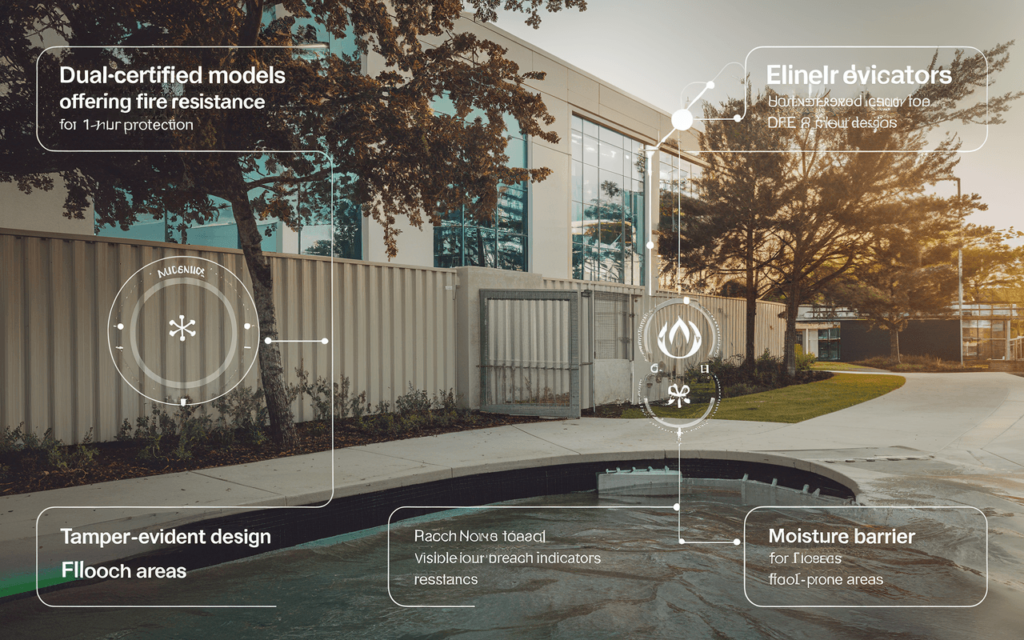
Look for dual-certified models offering:
- UL-rated fire resistance (1-2 hour protection)
- Tamper-evident design with visible breach indicators
- Moisture barriers for flood-prone areas
3. Advanced Intrusion Countermeasures
Effective models incorporate:
- Angled anti-fish baffles preventing retrieval attempts
- Hardened steel pry guards at all access points
- Bolt-down resistance up to 16,000 lbs tensile strength
4. Authorization Technology Options
Choose from multiple security protocols:
Traditional: Dual-control key locks
Electronic: Programmable digital keypads with audit trails
Biometric: Fingerprint recognition with user capacity up to 100 profiles
Strategic Placement for Optimal Asset Protection
1. Ideal Business Locations for Security Units
For maximum effectiveness, position your protective enclosure in:
- High-visibility areas with natural surveillance
- Spaces with limited public access but staff visibility
- Locations with existing security camera coverage
- Environments with controlled temperature and humidity
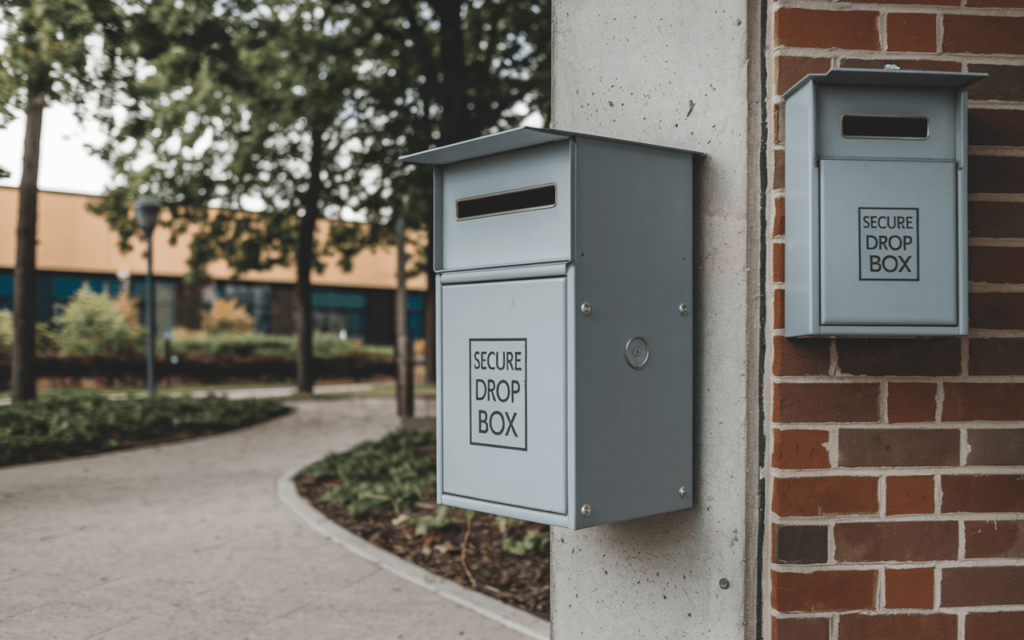
2. Secure Mounting Solutions
Consider these installation approaches:
Floor-Mounted Configuration
- Concrete anchor bolts for permanent installation
- Ideal for high-value storage in back offices
- Requires professional installation for best results
Wall-Mounted Setup
- Space-saving solution for smaller operations
- Must be secured to wall studs or masonry
- Positioned at chest height for easy deposits
Countertop Models
- Perfect for retail point-of-sale areas
- Often feature discreet, low-profile designs
- Should be permanently affixed to heavy counters
Essential Care and Problem-Solving for Deposit Security Systems
1. Routine Maintenance Protocol
For optimal performance:
- Monthly exterior wipe-downs with non-abrasive cleaners
- Quarterly internal inspections for debris accumulation
- Annual lubrication of mechanical components
- Immediate attention to any unusual sounds or operation delays
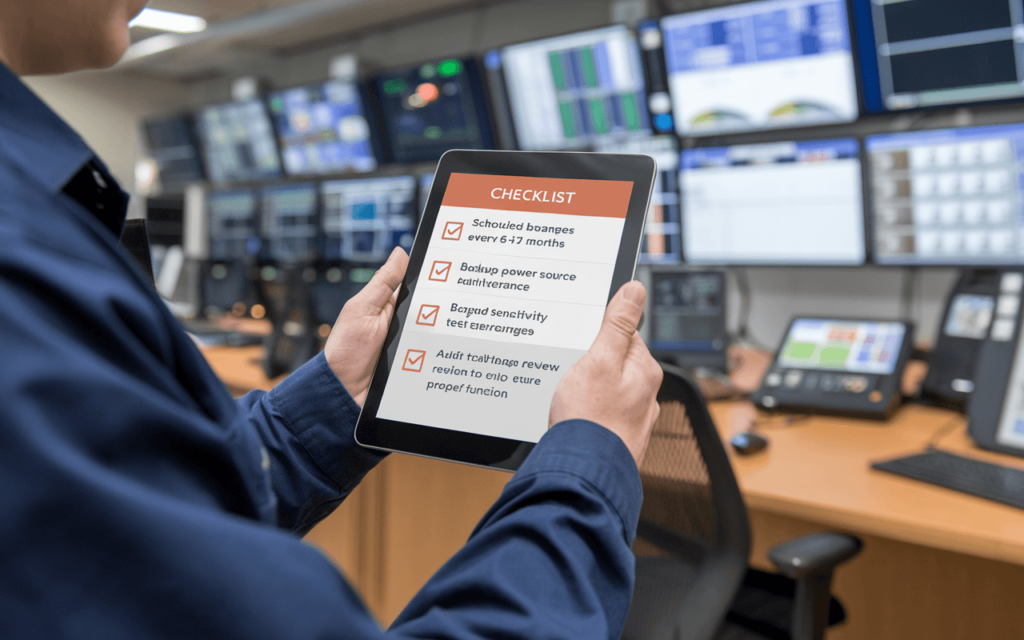
2. Power Management for Digital Access Systems
Electronic models require:
- Scheduled battery changes every 6-12 months
- Backup power source maintenance
- Keypad sensitivity testing during shift changes
- Audit trail review to ensure proper function
3. Deposit Pathway Obstruction Solutions
When facing insertion issues:
- First attempt: Use approved cleaning rod for gentle dislodging
- Persistent problems: Contact certified technicians
- Never use excessive force or improvised tools
- Implement preventive measures like currency flattening
Truth vs Fiction: Dispelling Deposit Unit Misconceptions
1. “Exclusive to Large Corporations” – Busted!
Modern security solutions scale perfectly for:
- Boutique retailers
- Food trucks
- Home-based businesses
- Pop-up shops
Compact models with affordable pricing make professional protection accessible to operations of all sizes.
2. “Thieves Can Easily Retrieve Deposits” – Absolutely False
Quality units feature:
- Irreversible anti-fish baffles
- Drop chambers with 3-4 security layers
- Immediate item separation from access point
Independent testing shows these systems withstand sophisticated theft attempts.
3. “Prohibitively Priced for SMBs” – Outdated Thinking
Today’s market offers:
- Entry-level units under $200
- Leasing options for seasonal businesses
- ROI calculators showing theft prevention savings
Many small businesses recoup costs within 6 months through reduced shrinkage.
Security Transformations: Verified Business Case Studies
1. Boutique Retailer Slashes Shrinkage Dramatically
A Phoenix clothing store implemented protective deposit technology and saw:
- 70% reduction in cash discrepancies within 3 months
- Elimination of after-hours burglary losses
- Improved staff accountability through transaction records
The owner reported: “Our nightly deposit process became foolproof – no more guessing about missing funds.”
2. Hospitality Group Elevates Guest Asset Protection
A 12-property hotel chain upgraded their security measures with specialized cash receptacles, achieving:
- 100% secure luggage hold transactions
- Elimination of front desk cash handling errors
- Enhanced guest satisfaction scores
Their corporate security director noted: “We’ve removed all opportunities for temptation while streamlining operations.”

Security Solutions Face-Off: Deposit-Enabled vs Conventional Models
1. Balancing Easy Access with Robust Protection
Deposit-enabled units offer:
- Immediate cash securing without full vault access
- Reduced human error in money handling
- Built-in accountability through separation of duties
Traditional safes provide:
- Faster bulk access for authorized users
- Greater flexibility for irregularly shaped items
- Simpler maintenance requirements
2. Investment Analysis: Upfront vs Lifetime Value
Deposit systems typically show:
- Higher initial cost (15-30% premium)
- Faster ROI through theft prevention
- Lower insurance premiums in most cases
Conventional alternatives offer:
- Lower purchase price points
- Fewer mechanical components to maintain
- Broader size/configuration options
Tailored Security Solutions: Personalization Possibilities
1. Brand Integration Opportunities
Modern protective enclosures can be enhanced with:
- Laser-etched corporate logos on front panels
- Custom color matching to brand guidelines
- Illuminated signage options for high-traffic areas
These modifications maintain all security certifications while boosting brand visibility.
2. Bespoke Configuration Services
Manufacturers now offer:
- Non-standard dimensions for unique spaces
- Specialized deposit slot sizes/shapes
- Interior compartment customization
- Integrated technology upgrades

