

Protect Valuables Easily with an Office Safe Box Today. In busy workplaces, securing cash, documents, and electronics shouldn’t slow you down—an office safe box offers instant protection with minimal effort. Here’s the advantage…
1. What Is an Office Safe Box?
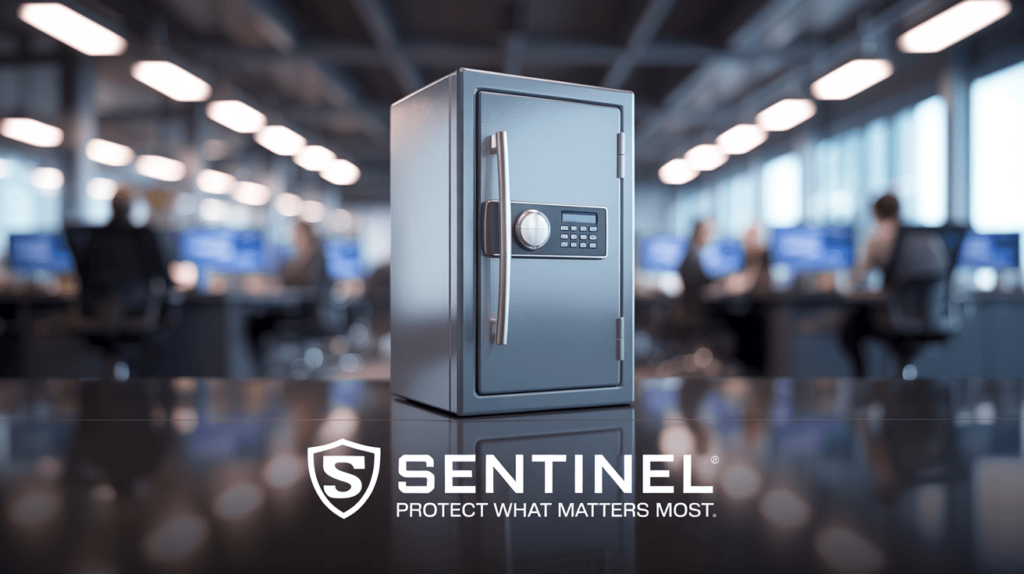
An office safe box is a compact, reinforced container designed to fit under desks or inside cabinets, providing discrete security where you work. Built from heavy-gauge steel with specialized lock mechanisms, it safeguards valuables from both opportunistic theft and environmental threats. Installation requires only basic tools, and the low-profile design blends seamlessly into your office furniture without drawing attention.
| Feature | Description |
|---|---|
| Steel Gauge | 16–18 gauge hardened steel |
| Lock Types Available | Mechanical dial, electronic keypad |
| Mounting Holes | Pre-drilled for easy anchoring |
2. Why Ease of Use Matters
Employees rarely lock away valuables if the process is cumbersome. An office safe box streamlines security by embedding directly into everyday workflows. With one-handed drawer opening and intuitive lock interfaces, staff can secure cash envelopes or sensitive files in seconds, reducing the chance of items left unattended on desks and minimizing human error.
3. How Locking Mechanisms Provide Peace of Mind
From simple combination dials to advanced biometric scanners, office safe boxes cater to varied security needs. Mechanical dials offer uninterrupted access without batteries, electronic keypads allow multiple user codes, and biometric options grant fingerprint entry within a second. Many models include a concealed emergency override key, ensuring you never get locked out—even if power fails.
4. Fire and Water Protection Essentials
Protecting against theft is only half the battle—office environments face fire sprinkler activations and occasional leaks. Quality safe boxes feature UL-rated fireboard liners that keep internal temperatures below 350 °F for up to 60 minutes, and EPDM gasket seals with drainage ports to repel sprinkler water. These environmental defenses ensure documents and electronics remain intact after emergencies.
| Protection Type | Specification |
|---|---|
| Fire Rating | UL Class 350, 60 minutes |
| Water Resistance | IPX5 splash-proof |
| Drainage Port | Channels moisture away |
5. Selecting the Right Size and Capacity
Office safe boxes range from petite models (0.2 cu ft) for passports and small electronics to larger units (1.0 cu ft) that accommodate binders and cash bundles. Measure your drawer or cabinet’s interior dimensions—height, width, depth—then add at least 1-inch clearance on all sides. Prioritize capacity based on current storage needs plus projected growth to avoid frequent upgrades.
6. Installation and Anchoring Best Practices
Proper anchoring prevents thieves from removing the entire safe. Using the pre-drilled mounting holes, secure the safe box to a sturdy substrate—wooden drawer bottoms or concrete floors—using lag bolts or masonry anchors. Even minimal installation ensures the box remains a permanent fixture, and professional installers can verify torque settings for maximum shear resistance.
7. Interior Organization for Rapid Retrieval
Customizable trays, removable buckets, and dividers turn chaotic contents into an orderly system. Cash bundles sit in shallow trays at the top, while file folders stand upright in vertical racks. Jewelry and USB drives find safe homes in foam-lined pouches. This organization not only protects items from shifting but also ensures you grab precisely what you need without delay.
| Organization Tool | Use Case |
|---|---|
| Removable Tray | Cash, keys, and small valuables |
| Vertical File Rack | Legal documents and folders |
| Foam Pouches | Electronics and fragile items |
8. Smart Connectivity and Real-Time Alerts
Modern office safes integrate via Bluetooth or Wi-Fi to send tamper notifications, low-battery warnings, and lock-status updates to designated smartphones. Geo-fencing can auto-lock the safe when no authorized employee is detected, while temporary PINs grant guest access without disclosing master codes. These features ensure continuous oversight, even when you’re out of the office.
9. Simple Maintenance and Care
Keeping a safe box operational requires little effort: monthly lock function tests, quarterly lubrication of mechanical parts with graphite spray, and annual battery replacements for electronic or biometric locks. Inspect water seals and fireboard liners every few years for wear. These brief routines prevent unexpected failures and extend the life of your investment.
10. Balancing Budget and Features
Entry-level office safes ($100–$200) provide basic steel shells and combination dials. Mid-range units ($200–$350) add electronic keypads and basic fire liners. Premium models ($350–$600+) include biometric scanners, robust environmental seals, and smart integrations. Align your budget with must-have features—fire resistance, lock type, connectivity—to maximize value without overspending.
| Price Range | Features Included |
|---|---|
| $100–$200 | Steel shell, mechanical dial |
| $200–$350 | Electronic keypad, basic fire liner |
| $350–$600+ | Biometric, fire & water seals |
11. Ensuring Compliance and Audit Readiness
For regulated industries, maintaining audit trails is crucial. Electronic locks with built-in logs record every access event—user ID, timestamp, and method. Export these logs during internal audits or regulatory inspections to prove due diligence. Mechanical safes without logs can pair with external sign-in sheets, but electronic options deliver seamless compliance support.
12. Integrating with Office Security Ecosystems
When linked to your building’s access control system, the safe box becomes one node in a unified defense network. Badge-based credentials unlock both office doors and the safe, streamlining credential management. Tamper alerts can trigger CCTV recordings and activate intrusion alarms, creating coordinated responses to security events.
13. Choosing the Optimal Location
Select a discreet, low-traffic area—under a manager’s desk, inside a locked cabinet, or behind office doors. Avoid placing the safe in direct sight or in easily accessible common areas. Confirm that the installation spot provides a solid anchoring substrate and remains within quick reach for authorized users during urgent situations.
| Location Option | Advantage |
|---|---|
| Under-Desk Mount | Concealed and within arm’s reach |
| Cabinet Installation | Hidden behind cabinet doors |
| Closet Shelf | Out of direct line of sight |
14. DIY vs. Professional Installation
While many office safe boxes include straightforward bolt-down kits, complex installations—such as concrete anchoring or integration with security panels—benefit from professional expertise. Certified installers ensure proper torque settings, alignment, and code integration, reducing the risk of installation errors that could compromise security.
15. Making the Final Decision
Compile a checklist of your top priorities: capacity, lock type, fire/water ratings, and connectivity. Measure installation spaces and verify substrate materials. Compare models side by side, reading user reviews for real-world performance insights. Confirm certifications like UL 72 and IPX5 to guarantee reliability. With a methodical approach, you’ll select an office safe box that protects your valuables easily and effectively.
FAQ
Q1: How deep should a drawer be to install an office safe box?
Ensure at least 6 inches of internal depth plus 1-inch clearance on all sides for mounting hardware and lid movement.
Q2: Do electronic locks require network connectivity?
Basic electronic functions run offline; smart features like remote alerts need Wi-Fi or Bluetooth connections.
Q3: Can the safe withstand office fires?
Models with UL 72 Class 350 liners protect contents up to 60 minutes at 350 °F internal temperatures in external fires.
Q4: Is professional installation necessary?
Simple bolt-down kits suit standard desk or cabinet mounts, but professional installers ensure optimal anchoring and integration.
Q5: How often should I maintain my office safe box?
Perform monthly lock tests, quarterly lubrication, and annual battery and seal inspections to maintain peak reliability.

