

How to Store Cash and Jewelry in a Fireproof Safe Box at Home. Safeguarding your hard-earned money and precious valuables demands a strategy that balances accessibility with robust fire protection. Here’s how to organize and protect your assets…
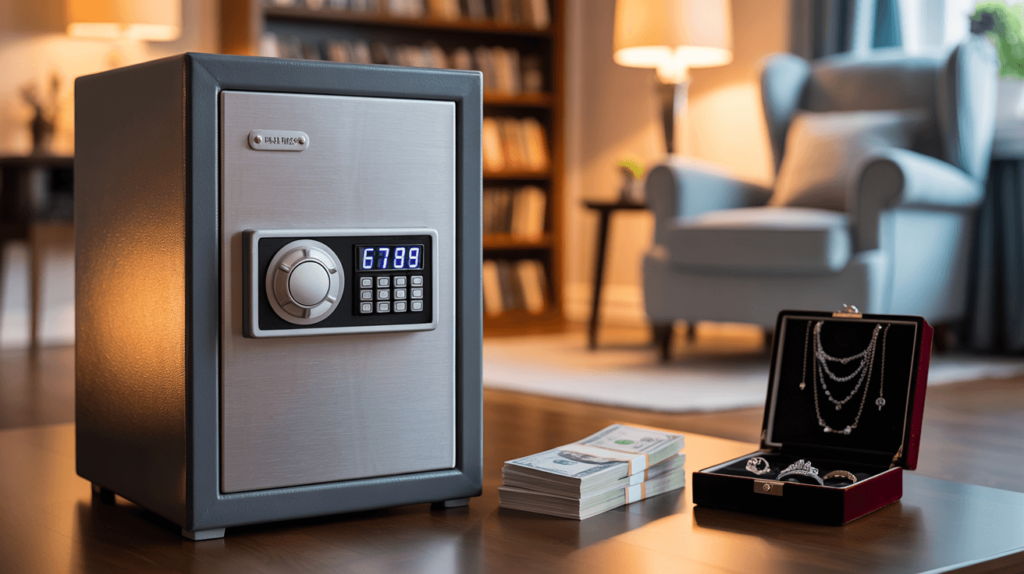
1. Choosing the Right Fireproof Safe Box
Select a UL-rated Class 350 or better fireproof safe box sized to fit both cash bundles and jewelry trays. Look for 60-minute fire ratings if local response times exceed 30 minutes. Opt for intumescent gaskets and gypsum or ceramic liners that expand under heat, sealing out smoke and flames. Ensure the shell is at least 16-gauge hardened steel to resist prying.
| Feature | Specification |
|---|---|
| Fire Rating | UL Class 350, 60 min |
| Steel Gauge | 16-gauge hardened steel |
| Gasket Type | Intumescent |
2. Preparing Cash for Storage
Organize cash into denomination bundles, wrap each in tamper-evident envelopes, and label with date and amount. This prevents scattering and simplifies audits. Use sealed poly cash bags inside the safe to keep moisture and dust away. Store larger bills flat to avoid creasing, and keep a digital log of totals so you can reconcile without opening the box frequently.
3. Organizing Jewelry Inside the Safe
Use removable velvet-lined trays and foam inserts with ring rolls and necklace hooks to prevent tangling. Store heavier pieces at the bottom to avoid crushing lighter items. Place delicate gemstones in individual pouches to reduce friction. Adjustable shelves help segregate cash on lower levels and jewelry in upper tiers, optimizing space and preventing accidental damage.
4. Positioning the Safe for Maximum Protection
Locate your safe inside a closet wall cavity or bolt it to a concrete floor under furniture. Avoid exterior walls prone to temperature extremes. Conceal behind a false panel or inside a wardrobe to deter casual discovery. Use ½-inch lag bolts into wood stud or ⅜-inch wedge anchors for concrete, embedding at least two inches for shear strength.
| Mount Type | Anchor Specs |
|---|---|
| Wood Stud | ½″ lag bolts, 2″ |
| Concrete Slab | ⅜″ wedge anchors, 2″ |
5. Temperature and Humidity Considerations
Fireproof liners guard against heat, but humidity can corrode metal and degrade paper money. Place silica gel packs or desiccant trays inside the safe, replacing them every six months. A humidity indicator card helps you monitor moisture levels. Keep the safe away from HVAC vents and pipes to maintain a stable internal climate for both cash and jewelry.
6. Electronic vs. Mechanical Locks
Mechanical combination locks provide power-free reliability but require precise dialing. Electronic PIN keypads offer quick code entry and multi-user profiles, while biometric scanners enable one-touch access. Choose a model with a mechanical override key or external 9 V jump-start port to ensure entry during battery failure. Balance speed, user count, and reliability when selecting the lock type.
7. Dividing Cash and Jewelry by Priority
Separate emergency funds, daily-use cash, and long-term reserves into distinct compartments. Use top trays for emergency envelopes you may need on short notice. Store high-value jewelry pieces in deeper drawers or hidden trays to reduce temptation. Prioritize frequently accessed items near the front, while heirloom jewelry and large cash reserves go in the rear.
8. Audit and Inventory Practices
Maintain a printed inventory sheet taped inside the safe door, listing envelope IDs, cash amounts, and jewelry descriptions. Update this sheet immediately after deposits or withdrawals. Keep a digital backup copy stored offsite or in cloud storage. Periodic audits—monthly for cash, quarterly for jewelry—ensure discrepancies surface quickly.
9. Fireproof Safe Maintenance
Every quarter, inspect the safe’s locking bolts and hinges, applying graphite lubricant to prevent sticking. Check the intumescent gasket for cracks or compression, replacing it every five years. Test your lock mechanism monthly and replace batteries in electronic models annually or when low-battery indicators appear to avoid lock-out scenarios.
10. Emergency Access Planning
Share access protocols with a trusted family member or executor, storing override keys or backup codes in a separate secure location. Create a sealed envelope with critical access instructions—safe location, lock type, override key storage—so first responders or heirs can retrieve valuables if you’re incapacitated.
| Access Method | Backup Strategy |
|---|---|
| Mechanical Dial | Duplicate key with lawyer |
| Electronic PIN | Secondary code holder |
| Biometric | Registered fingerprint and PIN |
11. Insurance and Documentation
Verify that your homeowner’s policy covers safe contents, especially cash limits. For high-value jewelry, schedule individual appraisals and provide copies to your insurer. Store appraisal certificates and policy endorsements inside the safe, ensuring you can expedite claims. Review coverage annually to adjust for new acquisitions.
12. Safe Placement for Child Safety
If minors are in the home, situate the safe at a height that prevents unsupervised access. Consider wall-mounting inside a high closet or using biometric locks to control entry. Educate children on the safe’s purpose and risks without revealing codes. Combine key or PIN backups with parental oversight to maintain both security and safety.
13. Integrating with Home Security Systems
Some fireproof safes offer tamper alerts via Bluetooth or Wi-Fi, sending notifications to your smartphone. Link these alerts to your home security hub or alarm system to trigger real-time notifications or alarms upon unauthorized entry. Secure any smart features with strong encryption and frequent firmware updates.
14. Long-Term Storage Tips
For jewelry not worn frequently and cash reserves held long-term, rotate items to prevent metal fatigue and paper yellowing. Every six months, remove and inspect pieces for tarnish, clean them gently, and rotate envelope bundles. This practice preserves both physical integrity and metadata accuracy in your inventory logs.
15. Final Checklist Before You Lock
- Confirm safe’s UL fire rating and steel gauge.
- Anchor the safe securely to stud or concrete.
- Organize cash into labeled, sealed envelopes.
- Store jewelry in padded trays and separate pouches.
- Install desiccant packs and humidity indicator.
- Choose a reliable lock with backup entry methods.
- Keep an updated inventory sheet inside.
- Share override protocols with a trusted person.
- Insure contents with proper appraisals.
- Schedule maintenance and audits regularly.
FAQ
Q1: Can I store both cash and jewelry in the same safe?
Yes—use separate trays and envelopes to prevent mixing and abrasion between items.
Q2: How often should I replace desiccant packs?
Every six months or when humidity indicators show elevated moisture levels.
Q3: What if the safe’s batteries die?
Use the external 9 V jump-start terminal or mechanical override key to regain access.
Q4: Are UL fire ratings necessary for home safes?
Absolutely—certified ratings guarantee performance under standardized fire conditions.
Q5: How do I ensure heirs can access the safe?
Provide override keys or backup codes to a designated executor, along with written access instructions.

