 跳到内容
跳到内容 

Standard watch winders offer convenience for daily wear, but they lack the structural integrity required to protect a growing horological investment. As your collection increases in value, leaving high-end timepieces in a simple glass-top box creates a significant vulnerability to theft and environmental damage. Transitioning to a professional watch safe and winder provides the dual benefit of movement maintenance and vault-grade security.
Is your collection outgrowing a watch safe and winder?
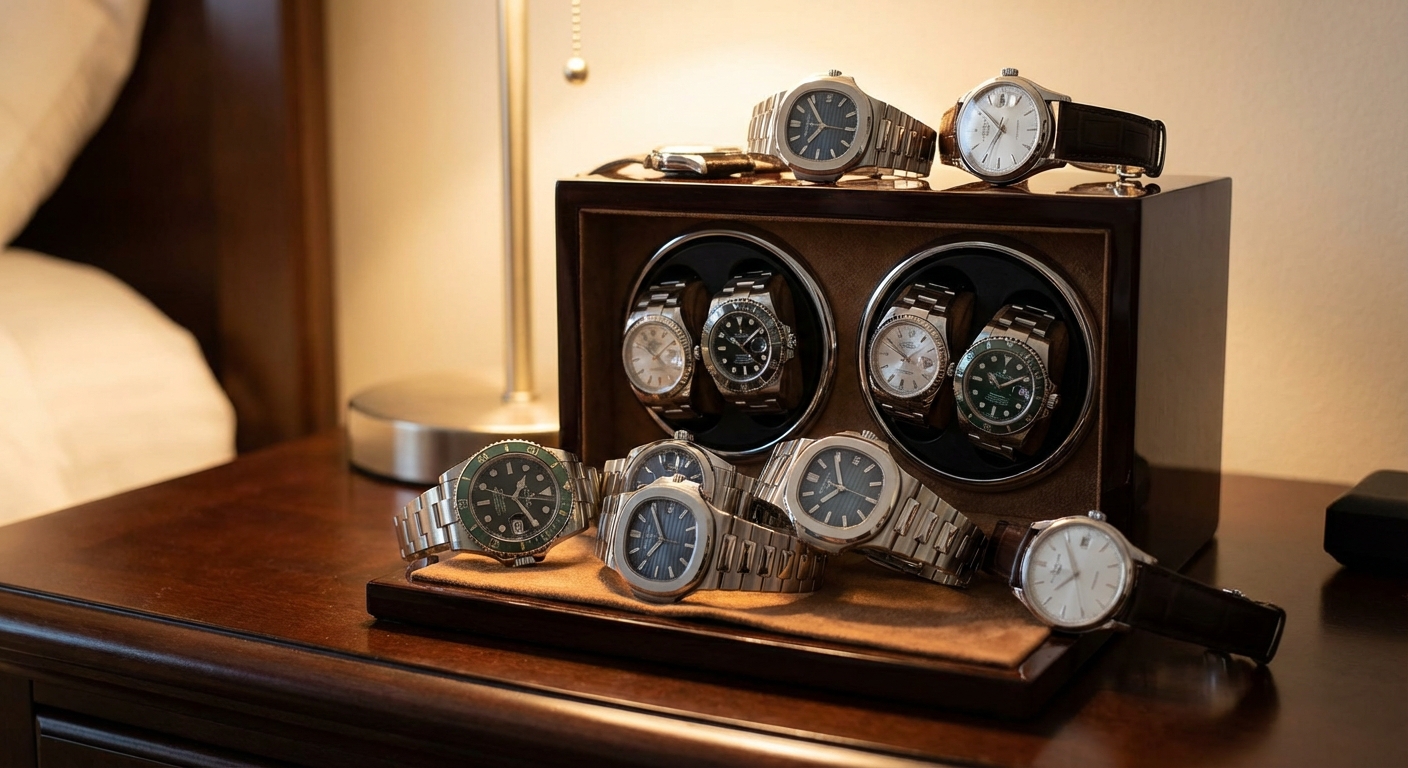
You should consider an upgrade when your current storage solution can no longer accommodate new acquisitions without risking physical contact between pieces. A high-capacity watch safe and winder ensures that every timepiece has its own dedicated rotor and sufficient clearance to prevent bezel scratches.
Why is physical capacity a security risk?
Crowding multiple watches into a standard desktop winder often leads to “safe queens” being left out on nightstands or in unlocked drawers. This visibility makes your most valuable assets an easy target for opportunistic theft.
Think about this:
- Standard winders usually cap at 4 to 8 slots.
- Overcrowded rotors can strain motors, leading to mechanical failure.
- A vault provides room for watches, original boxes, and spare straps.
But that’s not all…
Does a larger unit provide better protection?
A vertical multi-unit safe offers superior organization compared to a scattered array of small plastic winders. By consolidating your collection into one armored unit, you simplify your security routine and ensure everything is locked behind steel.
Key Takeaway: Upgrading to a larger capacity safe prevents mechanical damage caused by overcrowding and eliminates the risk of leaving valuable watches exposed on open surfaces.
| Capacity Indicator | Standard Winder | Watch Safe & Winder |
|---|---|---|
| Slot Limits | 1–8 watches | 4–24+ watches |
| Physical Layout | Horizontal/Bulky | Vertical/Efficient |
| Storage Mix | Watches only | Watches, jewelry, docs |
Physical expansion is the first indicator that your security needs have shifted from basic organization to asset protection.
Does insurance require a certified watch safe and winder?
Insurance companies often mandate the use of a UL-rated or certified watch safe and winder once a collection reaches a specific valuation threshold. Using an uncertified storage box could potentially void your coverage in the event of a burglary or fire loss.
What are the standard insurance requirements?
Most high-value jewelry riders require a safe that is bolted to the floor and features a minimum fire rating. Failure to meet these specific hardware standards can lead to denied claims or significantly higher annual premiums.
Consider these factors:
- Minimum weight requirements for “portable” safes.
- Locking mechanism certifications (Group II or higher).
- Professional installation receipts for floor-bolting.
The stakes are high.
How do you verify safe compliance?
You must check the internal labels for UL (Underwriters Laboratories) or equivalent regional ratings to ensure the unit meets the “Burglary Resistant” criteria. Documentation is key when presenting your security measures to an underwriter.
Key Takeaway: A certified safe is often a non-negotiable requirement for insuring high-value horological assets, providing a paper trail that guarantees coverage eligibility.
| Compliance Aspect | Desktop Winder | Certified Winder Safe |
|---|---|---|
| UL Rating | None | TL-15 / TL-30 / RSC |
| Premium Impact | High/Uninsurable | Significant Discounts |
| Proof of Security | Photo only | Certification Stickers |
Meeting insurance standards is the most practical financial reason to invest in professional-grade watch security.
Is fire protection missing from your watch safe and winder?
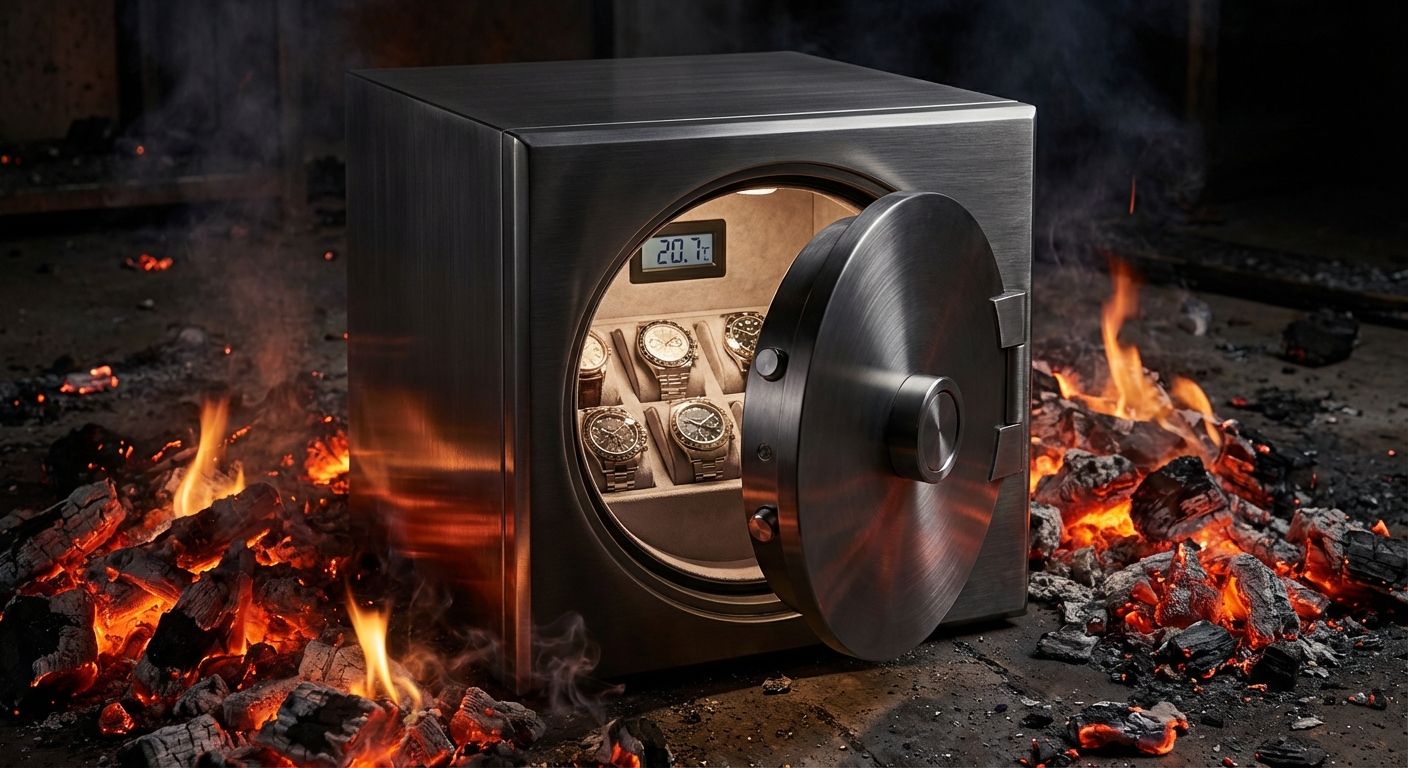
Standard winders provide absolutely zero defense against thermal damage, whereas a fire-rated watch safe and winder utilizes specialized insulation to keep internal temperatures below the point of mechanical seizure. In a house fire, the lubricants inside a watch movement can dry out or seize if not protected by a heat-resistant barrier.
Why does heat matter for movements?
Even if a watch isn’t touched by flames, extreme heat can warp delicate balance springs and destroy waterproof seals. A dedicated safe uses moisture-releasing fireboards to create a cooling effect during high-heat events.
Think about this:
- Standard house fires exceed 1,100°F (600°C) within minutes.
- Watch oils begin to degrade at temperatures as low as 150°F.
- Armored safes provide 60 to 120 minutes of cooling.
But there is more to the story.
Can fire safes also prevent moisture damage?
High-quality fire safes often include airtight seals that expand when heated, which also serves to keep out humidity during normal operation. This creates a stable micro-climate that prevents the oxidation of vintage dials and hands.
Key Takeaway: Fire protection is an essential “insurance” against the total loss of movement functionality during a domestic emergency, preserving both the case and the caliber.
| Hazard Defense | Plastic/Wood Winder | Fire-Rated Watch Safe |
|---|---|---|
| Temperature Limit | Room temp only | 1,200°F+ resistance |
| Duration | 0 Minutes | 60–120 Minutes |
| Seal Integrity | None | Expanding fire seals |
Thermal resistance transforms a simple display case into a survival vault for your most sensitive mechanical instruments.
Can a bolted watch safe and winder stop professional theft?

A bolted watch safe and winder is designed to withstand prying, drilling, and “smash and grab” attempts that would easily destroy a standard display box. Professional thieves look for portable valuables, so a 100kg+ unit anchored to a concrete slab creates an immediate deterrent.
What makes a safe “anti-theft”?
The combination of solid steel plating and active locking bolts ensures that even if a thief reaches the safe, they cannot easily bypass the door. Multi-way bolts lock into the frame, making it nearly impossible to pry the unit open.
Critical security features include:
- Anti-drill manganese plates protecting the lock.
- Thick gauge steel walls (minimum 3mm–6mm).
- Internal hinges that cannot be cut from the outside.
It’s about buying time.
Why is weight a factor?
Standard desktop winders can be tucked into a backpack in seconds, but a professional vault requires specialized equipment to move. This logistical hurdle often forces intruders to abandon the attempt in favor of easier targets.
Key Takeaway: Physical fortification and floor anchoring are the only reliable defenses against professional burglary, turning your collection into a difficult-to-move liability for thieves.
| Security Feature | Basic Winder | Watch Winder Safe |
|---|---|---|
| Material | Wood/MDF | Solid Steel |
| Portability | Easy to carry | 150lb+ (Anchorable) |
| Entry Resistance | Seconds | Hours (Certified) |
Professional theft requires professional defenses, and a steel-reinforced vault provides the necessary barrier for peace of mind.
Are you worried about tech in your watch safe and winder?
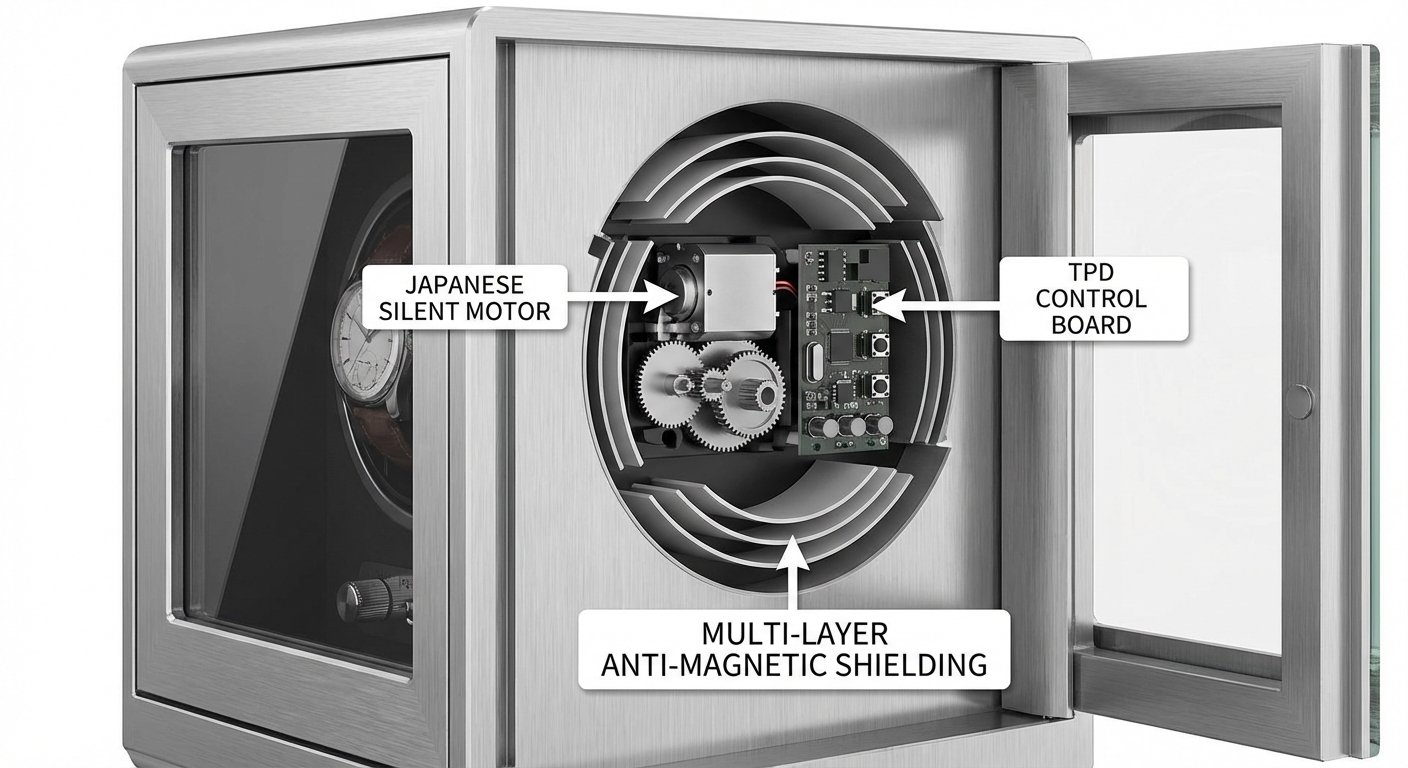
Modern horology requires precise control over rotations per day (TPD), and a premium watch safe and winder offers programmable logic for every individual rotor. Unlike cheap units that spin constantly, professional safe modules mimic the natural movement of the human wrist to avoid over-stressing the mainspring.
How does TPD affect watch health?
Every caliber has a specific winding requirement, and using the wrong setting can lead to excessive wear on the slipping clutch of an automatic movement. Digital interfaces allow you to set clockwise, counter-clockwise, or bi-directional modes for each slot.
Technical benefits include:
- Individual motor controls for mixed collections.
- LCD touchscreens for easy programming.
- “Sleep modes” to allow the mainspring to relax.
Precision is paramount.
Are the motors quiet enough?
High-end safes utilize Japanese brushless motors that operate at near-silent decibel levels, allowing for placement in bedrooms or quiet studies. These motors are also designed for longevity, often outlasting the cheap components found in entry-level boxes.
Key Takeaway: Programmable technology ensures that each watch receives the exact energy it needs, extending the service interval and maintaining the long-term accuracy of the movement.
| Technical Spec | Entry-Level Winder | Safe-Grade Winder |
|---|---|---|
| Motor Type | DC Brushed (Noisy) | Brushless (Silent) |
| Programming | Fixed / Limited | Fully Customizable TPD |
| Longevity | 1–2 Years | 5–10+ Years |
The engineering inside a watch safe is just as critical as the steel outside, ensuring your timepieces remain in peak mechanical condition.
Does your decor deserve a custom watch safe and winder?
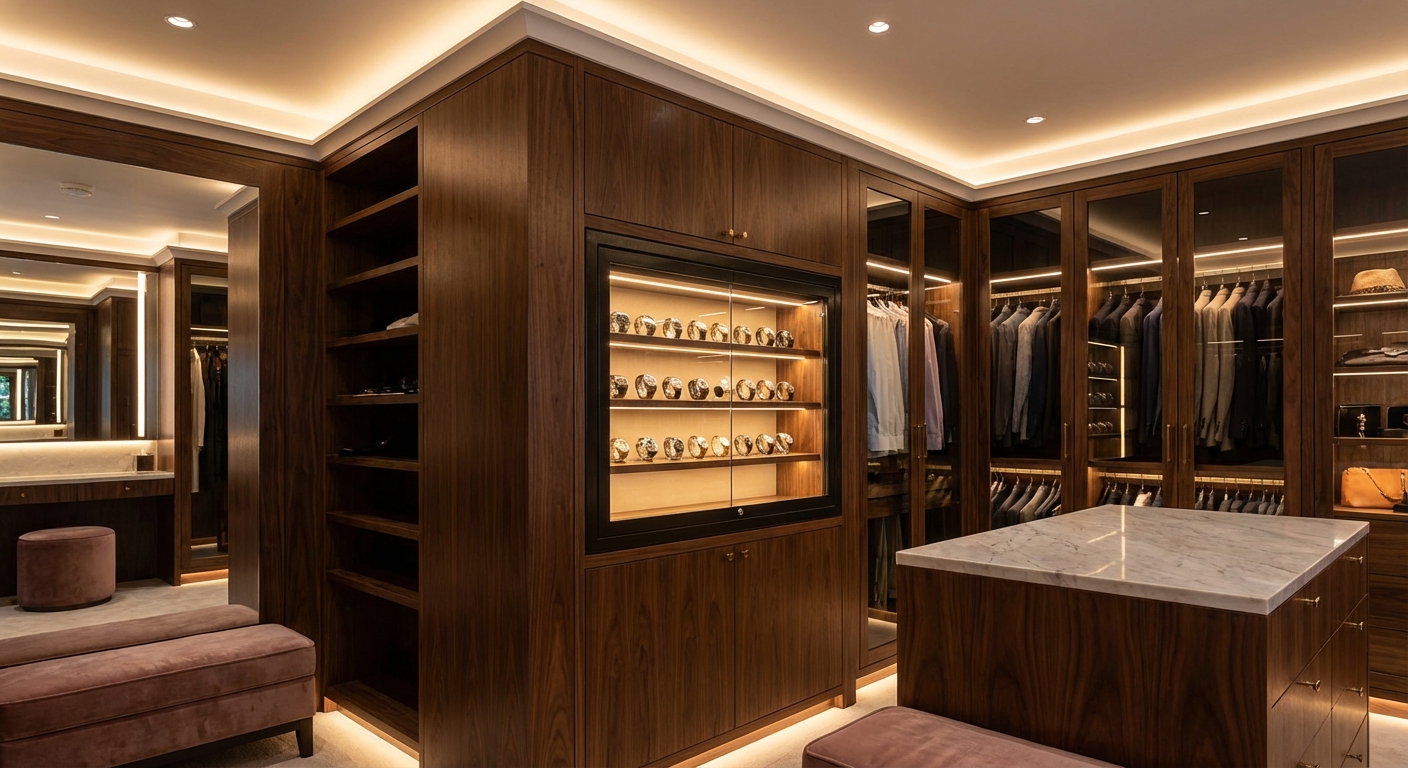
Integrating a watch safe and winder into your home’s architecture allows for a seamless blend of high-security and luxury interior design. Custom-built units can be finished in exotic woods, premium leathers, or carbon fiber to match the aesthetic of a high-end walk-in closet or dressing room.
Can a safe look like furniture?
Modern safe manufacturers offer bespoke exterior finishes that hide the “industrial” look of the steel, making the unit appear as a piece of fine cabinetry. Inside, LED lighting and glass doors showcase your collection like a private museum.
Design options include:
- High-gloss piano lacquer finishes.
- Microfiber or velvet interiors to prevent strap wear.
- Internal jewelry drawers for complementary accessories.
It is about the experience.
Why choose an integrated wall safe?
Wall-mounted or closet-integrated safes save floor space while providing a hidden layer of security that is not immediately obvious to visitors. This “security by obscurity” approach adds another level of protection to your horological assets.
Key Takeaway: Custom aesthetics allow security to coexist with luxury, ensuring that your watch safe enhances your home’s value and visual appeal rather than clashing with it.
| Design Element | Standard Box | Bespoke Watch Safe |
|---|---|---|
| External Finish | Generic Wood/Vinyl | Leather / Lacquer / Wood |
| Lighting | None / Basic | Motion-Sensing LED |
| Integration | Tabletop only | Wall / Closet / Cabinet |
Luxury is not just about the watches you own, but how you choose to present and protect them within your personal environment.
Is magnetization a risk for your watch safe and winder?
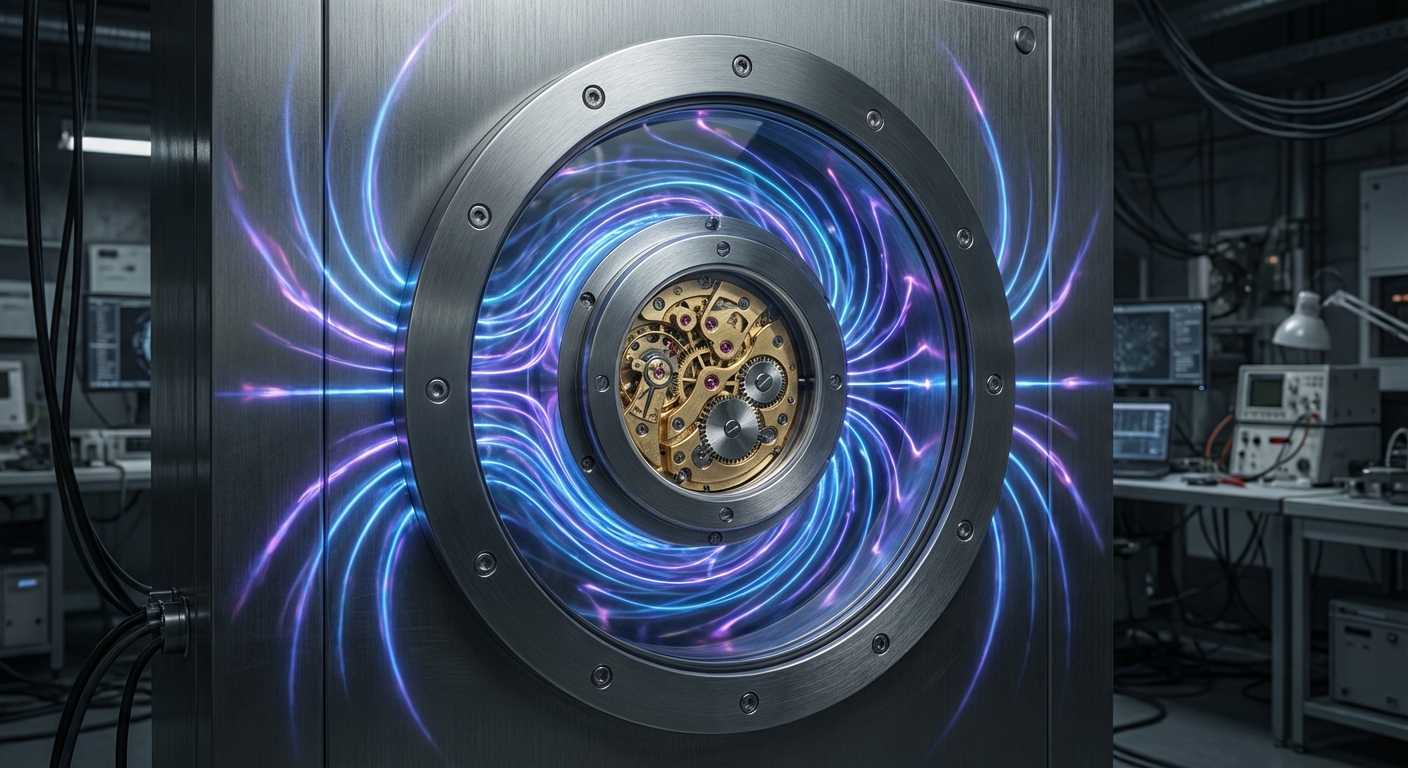
Cheap electric motors generate magnetic fields that can interfere with a watch’s balance spring, but a shielded watch safe and winder uses heavy steel walls to naturally block electromagnetic interference. Magnetization causes watches to run fast and often requires a professional demagnetizing service to correct.
How do safes block magnetism?
The thick steel construction of a vault acts as a “Faraday cage,” absorbing stray magnetic waves from external electronics like speakers or mobile phones. Additionally, the winding motors in high-end safes are positioned to minimize magnetic flux near the watch head.
Think about this:
- Magnetic fields are the silent killers of mechanical accuracy.
- Steel walls provide a physical barrier against external fields.
- Premium rotors are engineered with anti-magnetic shielding.
The science is clear.
Can a winder actually cause magnetization?
Low-quality winders often place the motor too close to the watch, inadvertently magnetizing the movement during the winding cycle. A properly engineered safe ensures a safe distance and uses non-magnetic materials for the rotor housing.
Key Takeaway: Superior shielding in a high-security safe prevents electromagnetic interference from degrading the timing of your mechanical watches, ensuring they stay COSC-accurate.
| Magnetic Safety | Plastic Winder | Shielded Safe |
|---|---|---|
| Motor Shielding | Minimal to None | High-Grade Insulated |
| Wall Material | Transparent / Thin | Heavy Gauge Steel |
| Accuracy Impact | High Risk of Speeding | Maintains Chronometry |
Protecting the delicate balance spring from invisible magnetic forces is a core benefit of moving to a high-specification steel vault.
How do you maintain a premium watch safe and winder?
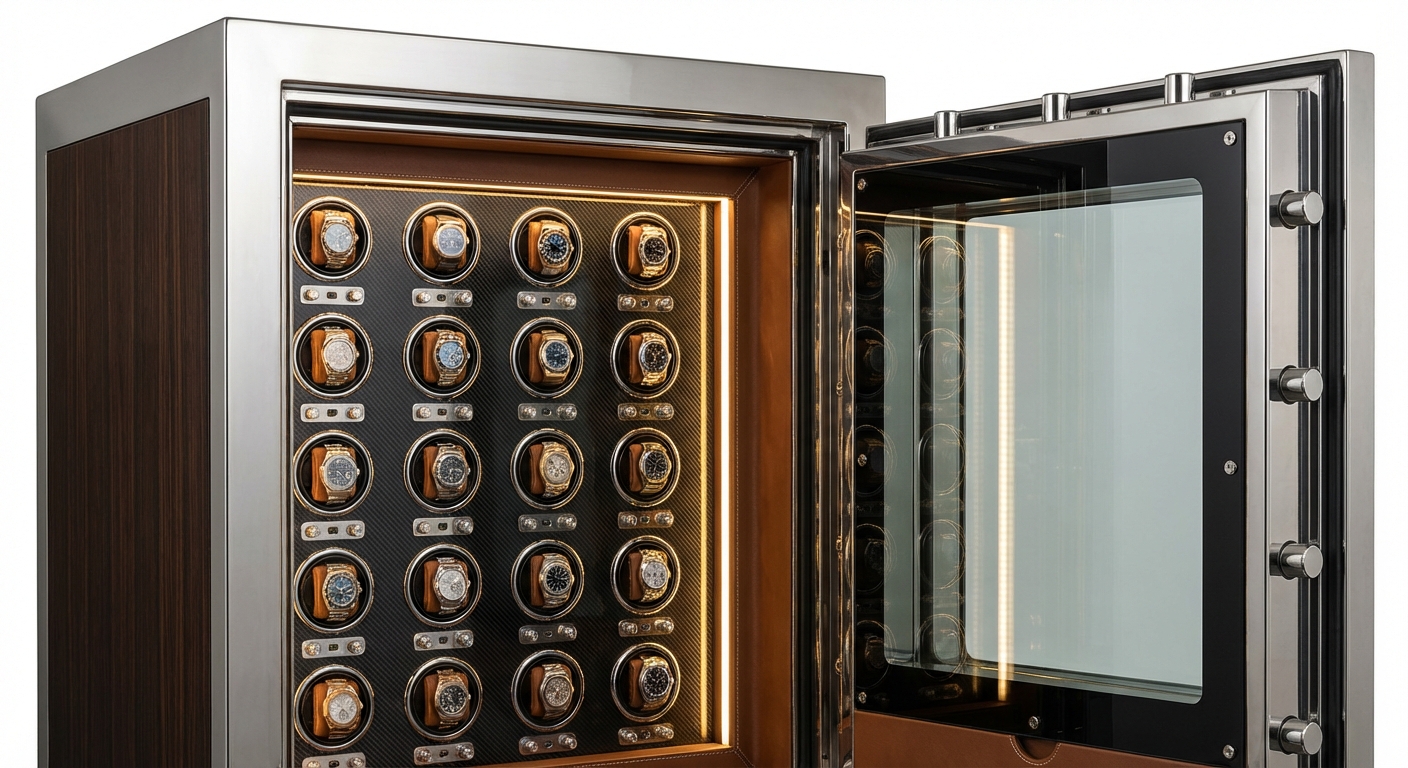
Maintaining the long-term reliability of your watch safe and winder involves periodic lubrication of the hinges and checking the electronic battery backups for the locking system. Unlike disposable winders, a premium safe is a lifetime investment that requires minimal but regular attention to ensure peak performance.
What are the main maintenance steps?
You should clean the interior microfiber linings with a soft brush to remove dust that could scratch watch cases over time. Periodically testing the digital keypad and the override key ensures that you are never locked out of your collection.
Routine tasks include:
- Replacing keypad batteries every 12–24 months.
- Inspecting rotor cups for secure fitment.
- Vacuuming the interior to keep motors dust-free.
Sustainability matters.
Why do brushless motors last longer?
Brushless technology eliminates the physical friction found in older motor designs, significantly reducing the heat generated and the likelihood of mechanical failure. This makes the winding system as durable as the armored safe body itself.
Key Takeaway: A small amount of preventative maintenance ensures that your safe remains a reliable guardian for decades, protecting both the hardware and the horological assets inside.
| Maintenance Item | Frequency | Benefit |
|---|---|---|
| Battery Swap | Annually | Prevents lockout |
| Dusting | Monthly | Protects watch finish |
| Hinge Lube | Every 2 Years | Smooth operation |
Proper care for your security system is the final step in professional watch management, guaranteeing that your vault functions as intended during a crisis.
Is it time for a multi-unit watch safe and winder?
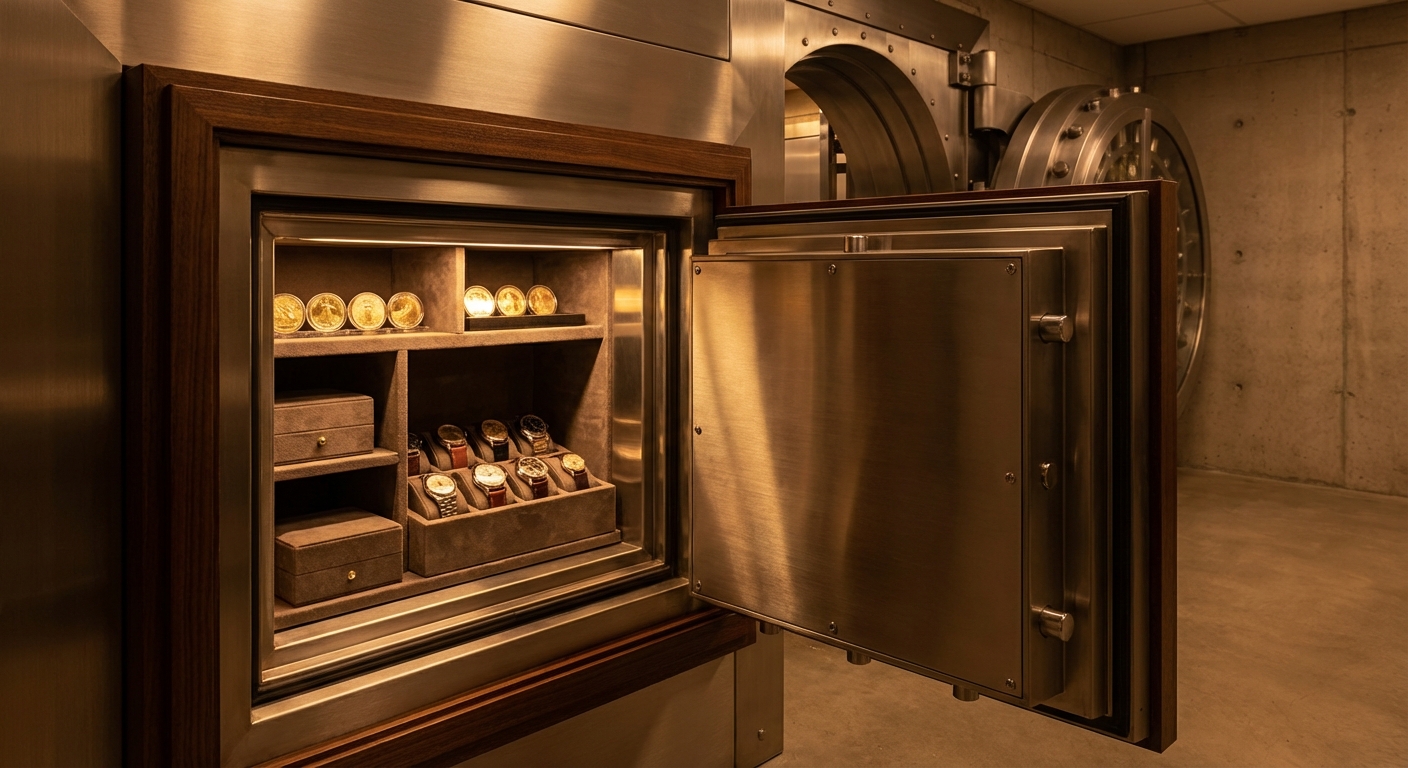
If you find yourself managing multiple single winders across different rooms, it is time to consolidate into a single, high-capacity watch safe and winder. Centralizing your collection improves security by reducing the number of potential targets and simplifies the daily process of selecting a timepiece.
What are the benefits of consolidation?
Consolidating your assets into one vertical vault saves space and allows you to use a single high-security code or biometric scan to access all your valuables. It also makes it easier to keep track of service intervals and winding settings.
Consider the efficiency:
- One power source for 12+ watches.
- Unified security protocols.
- Streamlined insurance documentation.
But that’s not all…
Can you store more than just watches?
A multi-unit safe typically features additional drawers for passports, original certificates, and fine jewelry, making it the central hub for your home security. This “all-in-one” approach maximizes the return on your security investment.
Key Takeaway: Consolidation eliminates the clutter of multiple winders and provides a single, fortified location for your entire collection and related financial documents.
| Organization | Multiple Winders | Multi-Unit Safe |
|---|---|---|
| Visual Clutter | High | Low/Sleek |
| Security Points | Multiple | Single Centralized |
| Accessory Space | Limited | Extensive Drawers |
Centralizing your collection is the hallmark of a mature horological investment strategy, moving from hobbyist storage to professional asset management.
Should you buy a biometric watch safe and winder?
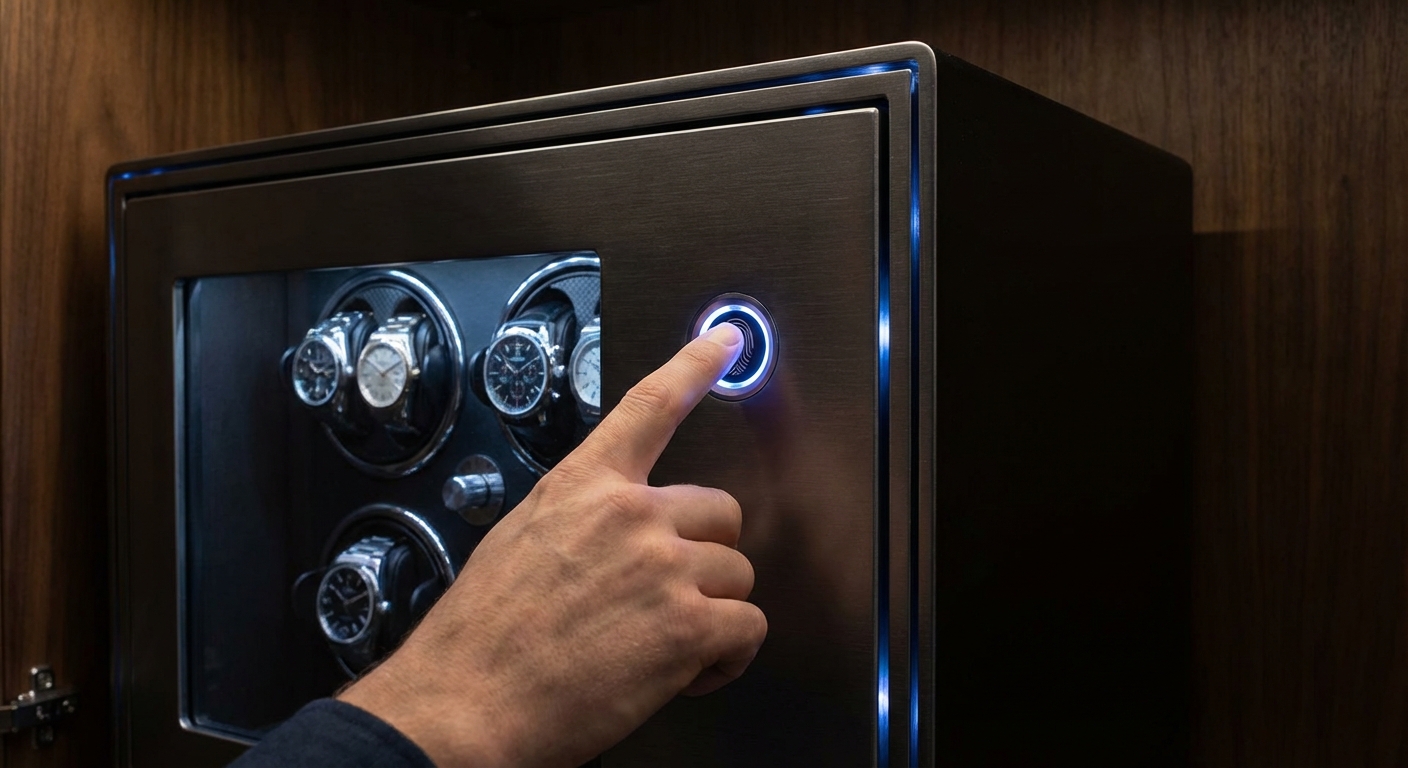
Investing in a biometric watch safe and winder provides the fastest possible access to your collection while ensuring that only authorized users can bypass the steel door. Fingerprint technology eliminates the risk of someone guessing a digital code or finding a hidden physical key.
How secure is biometric access?
Modern scanners use high-resolution capacitive sensors that cannot be fooled by photos or fake prints. This level of security is standard in high-end financial institutions and is now available for private residential horological vaults.
Key advantages include:
- Zero-latency entry (less than 1 second).
- Multiple user capacity for family access.
- Audit trails to track when the safe was opened.
Convenience meets armor.
What happens if the electronics fail?
Every premium biometric safe includes a mechanical override key or a hidden power port to ensure you can always access your watches even during a total battery failure. This redundancy is what separates professional safes from consumer-grade toys.
Key Takeaway: Biometric technology offers the perfect balance of instant accessibility and uncompromising security, making it the gold standard for modern watch collectors.
| Entry Method | Keyed Lock | Biometric Safe |
|---|---|---|
| Access Speed | Slow | Instant |
| Security Level | Risk of stolen key | Unique to user |
| User Tracking | No | Yes (Digital logs) |
A biometric upgrade represents the pinnacle of modern safe technology, providing a high-tech gateway to your most prized mechanical possessions.
*
Summary of Security Tiers
| Feature | Basic Tabletop Winder | High-Security Winder Safe |
|---|---|---|
| Material | Plastic, MDF, or Wood | Reinforced Solid Steel |
| Protection | Cosmetic only | Anti-Theft & Fire Resistant |
| Locking | None or Basic Key | Biometric / Digital / Bolted |
| Technical | Fixed TPD / Noisy | Programmable / Silent Motors |
The transition to a professional-grade vault is not merely an upgrade in storage; it is a commitment to the long-term preservation and security of your horological legacy. By recognizing these five signs, you ensure that your collection is managed with the same precision and care that went into its creation.
Jimbo Safes is dedicated to providing world-class security solutions for discerning collectors who refuse to compromise on quality or protection. Our mission is to safeguard your most valuable assets with innovative engineering and uncompromising manufacturing standards. If you are ready to secure your collection, contact us today for a personalized security consultation.
Frequently Asked Questions
- Can I bolt a watch safe and winder to a wooden floor?
Yes, but for maximum security, it is best to anchor the unit through the subfloor into a structural joist using heavy-duty lag bolts. - What’s the best TPD setting for a Rolex Submariner?
Most modern Rolex calibers require 650 TPD in a bi-directional rotation, which can be easily programmed into a premium safe unit. - Can I use batteries to power the winders inside the safe?
While some units offer battery options, it is highly recommended to use the AC adapter for consistent motor performance and longevity. - Will the safe’s fireproofing affect the watch’s movement?
No, the fire-resistant insulation is chemically stable and designed to keep the internal temperature at a level that preserves delicate lubricants. - How long does the biometric scanner last on a single battery?
Generally, a set of quality alkaline batteries will power a biometric locking system for 12 to 18 months under normal daily usage.


