 跳到内容
跳到内容 

A watch winder guide is a comprehensive resource designed to help you understand the functionality, benefits, and maintenance requirements of automatic watch winding devices. By following expert advice, you can ensure your horological investments remain accurate and physically preserved over years of ownership.
Owning a collection of fine timepieces is a rewarding experience until you realize the frustration of resetting complex calendars every single morning. Leaving your high-end watches to sit idle for long periods can lead to oil stagnation and inconvenient downtime that disrupts your routine. By investing in a luxury watch winder, you provide your collection with the consistent motion it requires to remain in peak condition and ready for immediate wear.
What is the purpose of a luxury watch winder?
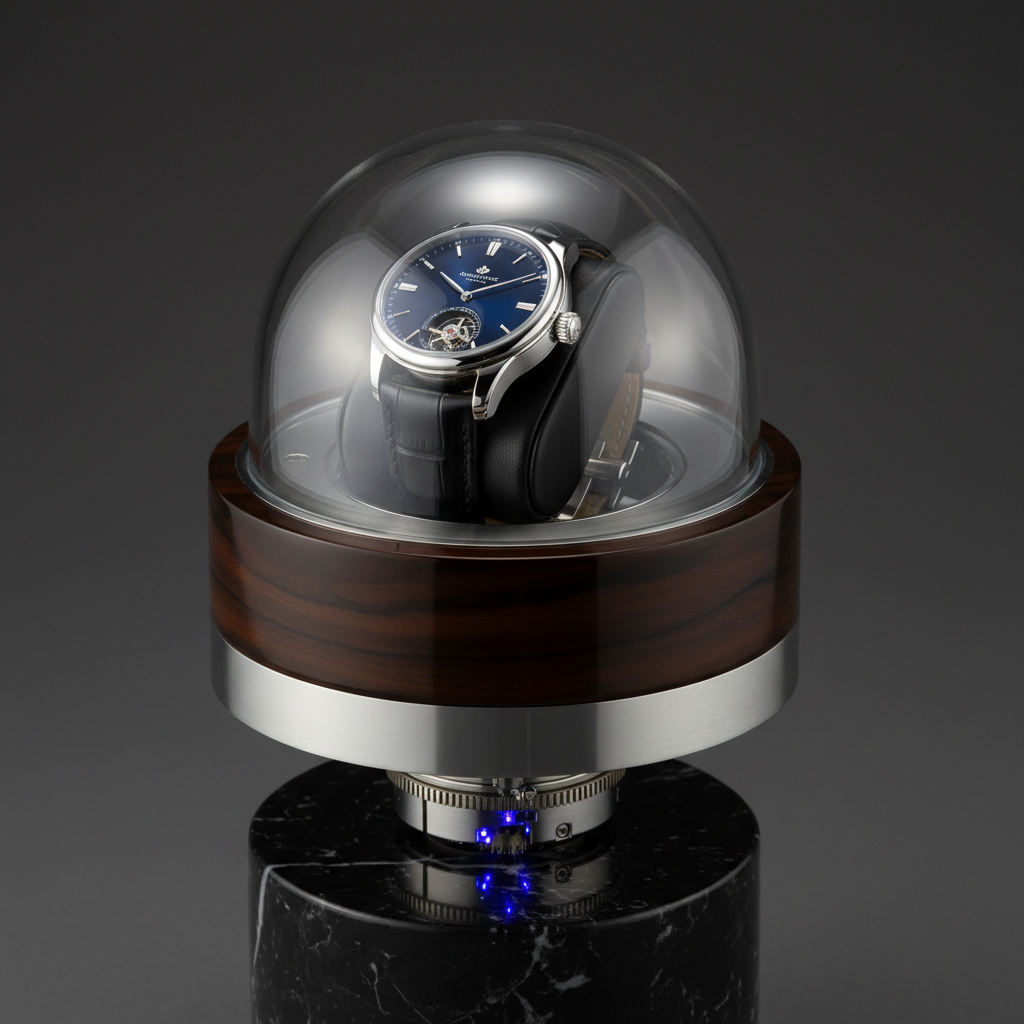
The primary purpose of a luxury watch winder is to keep automatic watches running while they are not being worn. This device simulates the movement of a human wrist to ensure the mainspring stays tensioned. Without this regular activity, the power reserve will eventually deplete, causing the watch to stop.
Why keep your watch running?
Keeping your movement active prevents the internal lubricants from becoming stagnant or dry over time. This is especially useful for collectors who rotate between several pieces and want each one to be accurate at a moment’s notice.
Believe it or not, the convenience of avoiding a manual reset is the biggest draw for many enthusiasts.
- Prevents mechanical “sleep” mode.
- Maintains date and moon phase settings.
- Reduces wear on the winding crown.
Can it improve mechanical health?
Regular motion helps distribute specialized horological oils across the gears and pivots of the movement. This consistent lubrication ensures that when you do wear the watch, the friction remains at a minimum.
Think about it; a watch that runs occasionally is often healthier than one that sits for years.
- Encourages consistent gear interaction.
- Mimics natural kinetic energy.
- Offers a secure storage environment.
Key Takeaway: A luxury watch winder acts as both a functional maintenance tool and a high-end display case for your collection.
| Feature | Primary Benefit |
|---|---|
| Motion Simulation | Maintains power reserve |
| Lubrication Distribution | Extends service intervals |
| Setting Retention | Saves time during daily wear |
The following data summarizes the essential impacts of consistent winding on mechanical movements.
How does a luxury watch winder actually work?
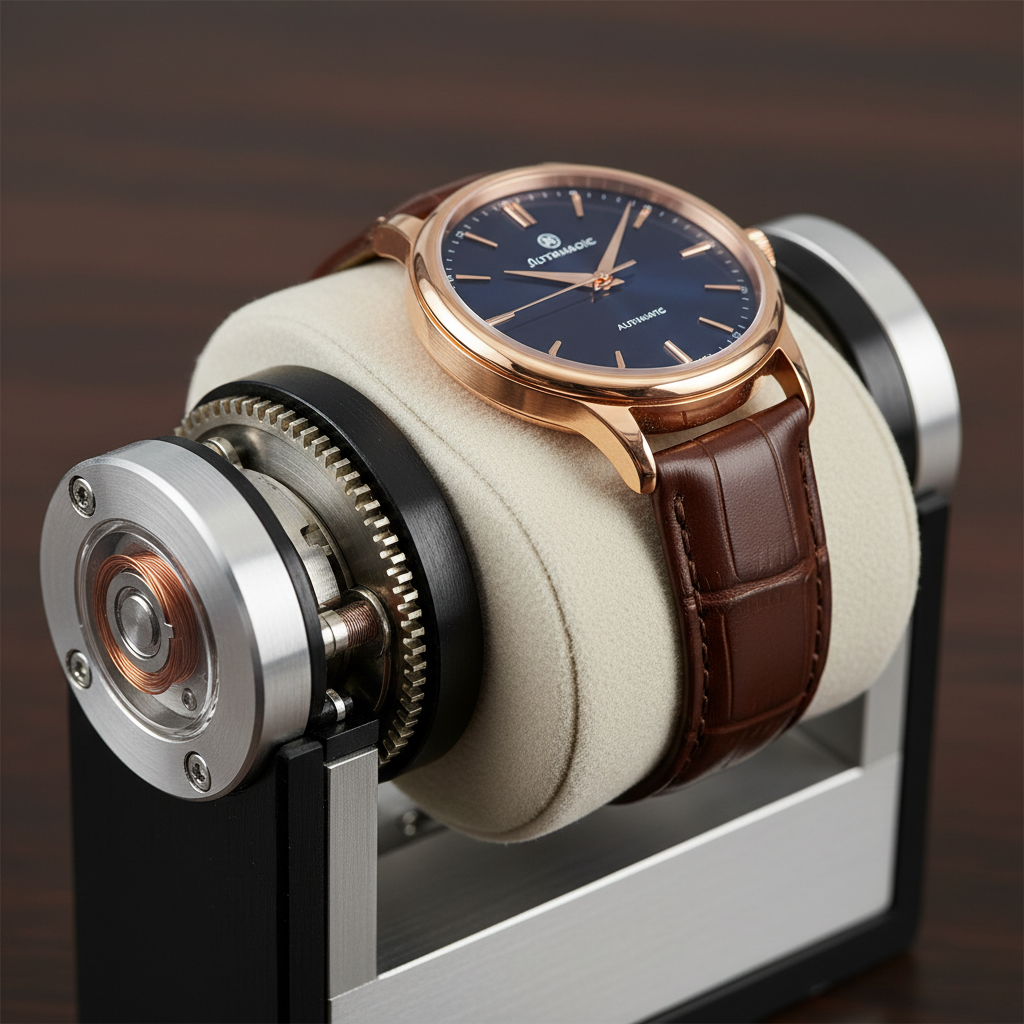
A luxury watch winder works by using a low-noise electric motor to rotate a watch cushion at specific intervals. This rotation triggers the watch’s internal rotor, which spins to wind the mainspring and store energy. High-end models allow you to customize the speed and direction of these rotations.
What powers the rotation?
Most professional-grade winders are powered by either an AC adapter or high-capacity lithium batteries. Battery power is particularly useful if you intend to keep your collection inside a secure safe or a closet.
Here is the kicker: quality motors are designed to be virtually silent.
- AC adapters for constant power.
- Battery options for safe storage.
- Brushless motors for long-term durability.
Does it mimic human movement?
The device does not spin constantly; instead, it uses programmed cycles of activity and rest. This intermittent motion more accurately reflects how you would move your arm throughout a standard day.
The best part? It prevents the winding mechanism from being under constant stress.
- Programmable rest periods.
- Gravity-assisted rotor activation.
- Variable rotation angles.
Key Takeaway: Understanding the mechanics of your luxury watch winder ensures you select a model that mimics natural wear without overstressing the movement.
| Component | Function |
|---|---|
| Electric Motor | Drives the rotation |
| Microprocessor | Controls TPD and direction |
| Watch Cuff | Secures the timepiece |
Check the comparison below to see how mechanical components interact within the winding unit.
Is a luxury watch winder necessary for everyone?
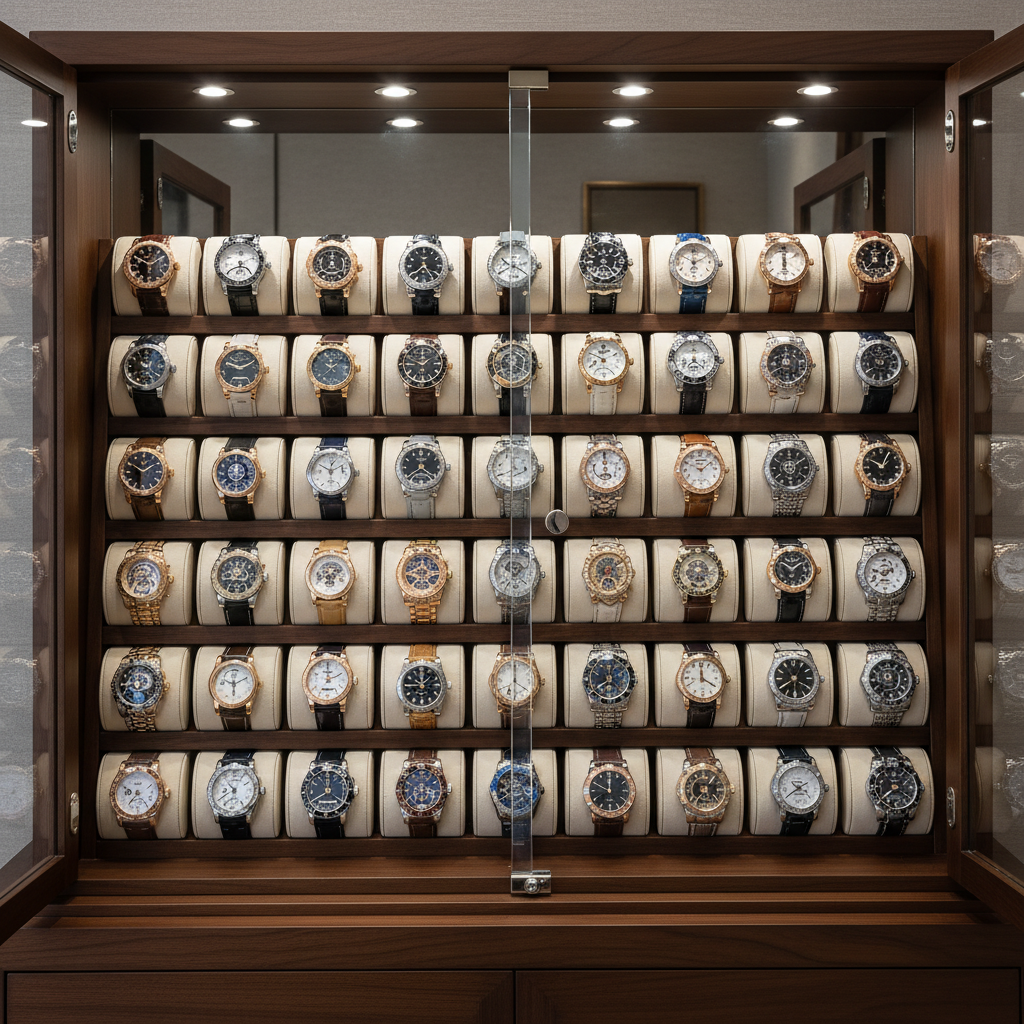
A luxury watch winder is not strictly necessary for every owner, but it is highly recommended for those with complex movements. If you own a watch with a perpetual calendar or a moon phase complication, resetting it manually can be a time-consuming chore. For simple time-only watches, letting them stop is perfectly acceptable.
Are complex calendars hard to set?
Complications like annual calendars require precise synchronization of the day, date, and month. If the watch stops, you may spend several minutes or even an hour reconfiguring these settings.
Let’s face it, nobody wants to spend their morning adjusting a tiny calendar wheel.
- Maintains perpetual calendar sync.
- Keeps moon phase displays accurate.
- Protects delicate internal calendar gears.
What about simple time-only pieces?
For watches that only display the time, a winder is more about convenience than necessity. You can easily wind these by hand or give them a quick shake to start the movement before wearing.
That said, many collectors still prefer the “grab and go” convenience of a wound watch.
- Quick setup for daily wear.
- Reduced crown usage.
- High-quality aesthetic presentation.
Key Takeaway: While luxury watch winders are optional for simple watches, they are essential for maintaining the accuracy of high-complication timepieces.
| Watch Type | Necessity Level |
|---|---|
| Perpetual Calendar | Essential |
| Simple Date | Recommended |
| Time-Only | Optional |
The following analysis highlights when a winding device becomes a vital part of your collection.
Does a luxury watch winder cause movement wear?
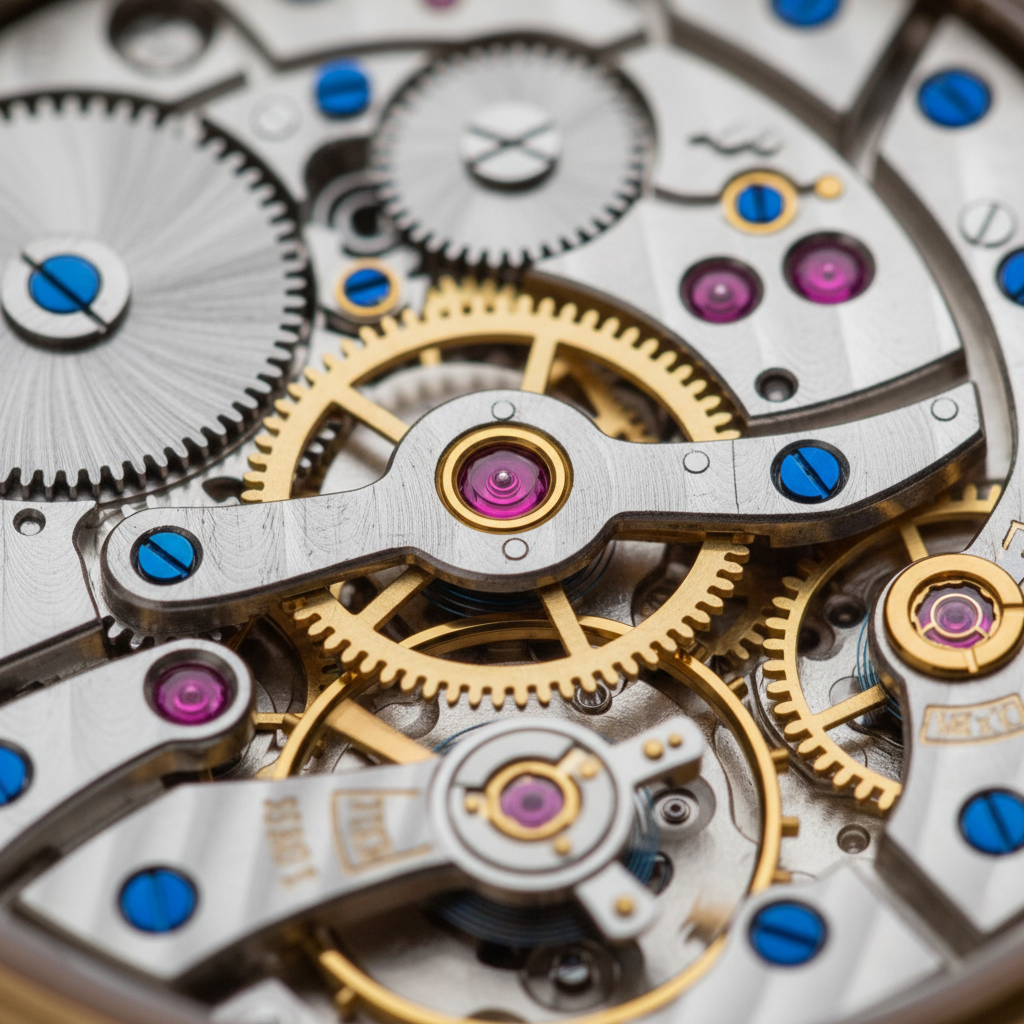
When configured with the correct settings, a luxury watch winder does not cause significant wear to a modern movement. Modern automatic watches are designed to withstand daily wear, which is often more erratic and forceful than a winder. The device provides a gentle, controlled motion that is safe for long-term use.
Can a watch be overwound?
It is impossible to overwind a modern automatic watch because they feature a “slipping bridle” mechanism. This safety feature allows the mainspring to slip inside the barrel once it reaches full tension.
To be honest, the risk of “overwinding” is a common myth among new collectors.
- Built-in clutch systems.
- Mainspring tension release.
- Protection against excessive torque.
How do you prevent gear strain?
The key to preventing wear is using a winder that offers programmable rest cycles. By allowing the watch to rest for several hours between rotations, you avoid keeping the mainspring at maximum tension indefinitely.
Now, consider this: rest cycles are just as important as the winding cycles.
- Scheduled downtime for gears.
- Prevents motor overheating.
- Maintains mainspring elasticity.
Key Takeaway: A luxury watch winder is a safe maintenance tool as long as you utilize its programmable rest periods and safety features.
| Potential Issue | Safety Solution |
|---|---|
| Overwinding | Slipping bridle mechanism |
| Gear Wear | Intermittent rest cycles |
| Magnetization | Shielded motor casing |
Review the protective features listed below to understand how your watch remains safe during the winding process.
What settings matter in a luxury watch winder?
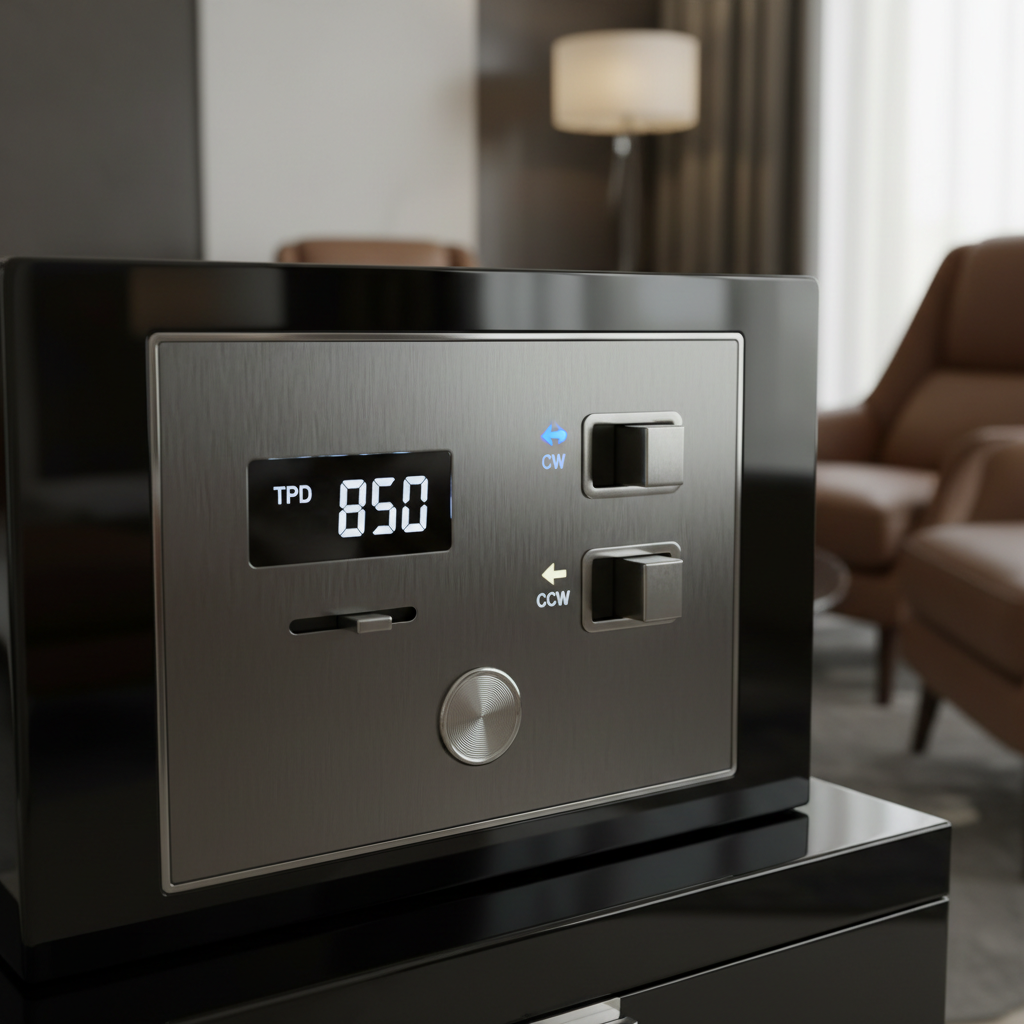
The most important settings on a luxury watch winder are the rotation direction and the frequency of turns. Different movements require different directions to wind effectively, such as clockwise, counter-clockwise, or bi-directional. Using the wrong setting will simply result in the watch not being wound at all.
Which direction should you use?
You should check your watch manufacturer’s specifications to determine the correct winding direction. Most modern calibers are bi-directional, meaning they wind regardless of which way the rotor spins.
Truth be told, choosing the wrong direction won’t damage the watch, but it will be ineffective.
- Clockwise-only movements.
- Counter-clockwise-only calibers.
- Bi-directional (alternating) settings.
Why are rest periods essential?
Rest periods allow the mainspring to unwind slightly, which is the natural state of a watch during use. Constant spinning keeps the movement under peak tension, which can lead to faster wear on the automatic winding bridge.
It gets even better when you can program these cycles to match your sleep schedule.
- Prevents constant high-torque states.
- Mimics the 8-hour sleep cycle.
- Increases motor longevity.
Key Takeaway: Customizing the direction and rest cycles of your luxury watch winder is the only way to guarantee effective and safe winding.
| Setting | Importance |
|---|---|
| Direction | Ensures effective winding |
| Rest Period | Prevents mechanical fatigue |
| Delay Start | Syncs with power reserve levels |
This table summarizes the critical settings you must configure for a successful winding experience.
Why is TPD vital for a luxury watch winder?
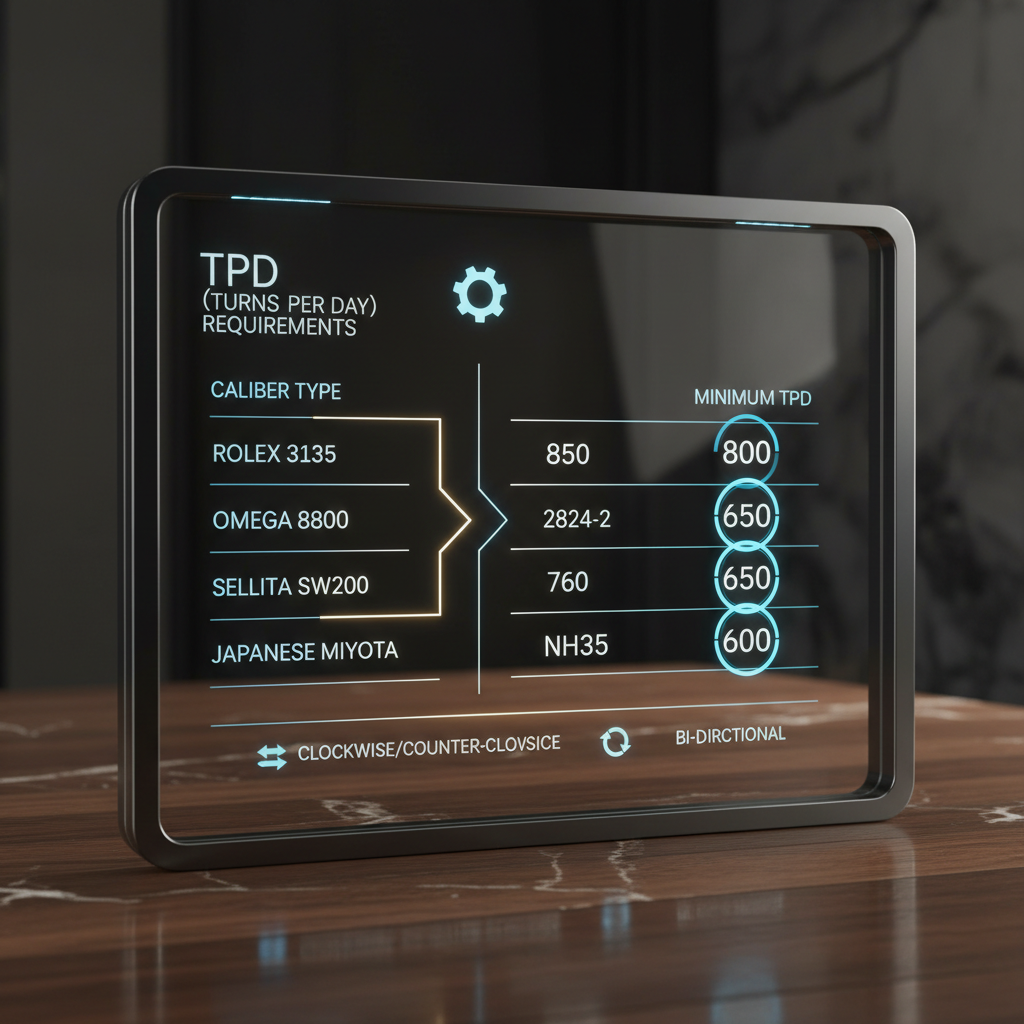
TPD, or Turns Per Day, is a vital metric for any luxury watch winder because it dictates the amount of energy delivered to the watch. Most automatic watches require between 650 and 950 TPD to maintain their current power level. Setting this too low will result in a stopped watch, while setting it too high is unnecessary.
How many turns do you need?
The exact number depends on the caliber of the movement and the weight of the rotor. Higher TPD settings are usually reserved for heavy-duty sports watches or those with multiple power-intensive complications.
You might be wondering if more turns are always better for your timepiece.
- Standard range: 650–800 TPD.
- High-range: 900–1300 TPD.
- Custom settings for vintage calibers.
What happens with high TPD?
While the slipping bridle protects the watch, running it at 2000 TPD when it only needs 650 is wasteful. It puts unnecessary work on the winder’s motor and keeps the internal clutch engaged more often than needed.
On the other hand, a “goldilocks” setting keeps everything perfectly balanced.
- Reduces motor battery drain.
- Minimizes internal friction.
- Extends the lifespan of the winder.
Key Takeaway: Matching the TPD of your luxury watch winder to your watch’s specific requirements is the best practice for mechanical longevity.
| Caliber Category | Typical TPD Requirement |
|---|---|
| Standard Automatic | 650 – 800 |
| Complex Calendar | 800 – 1000 |
| Heavy Sports Rotor | 1000+ |
The infographic and data above demonstrate how TPD varies across different movement architectures.
How to store a luxury watch winder in a safe?
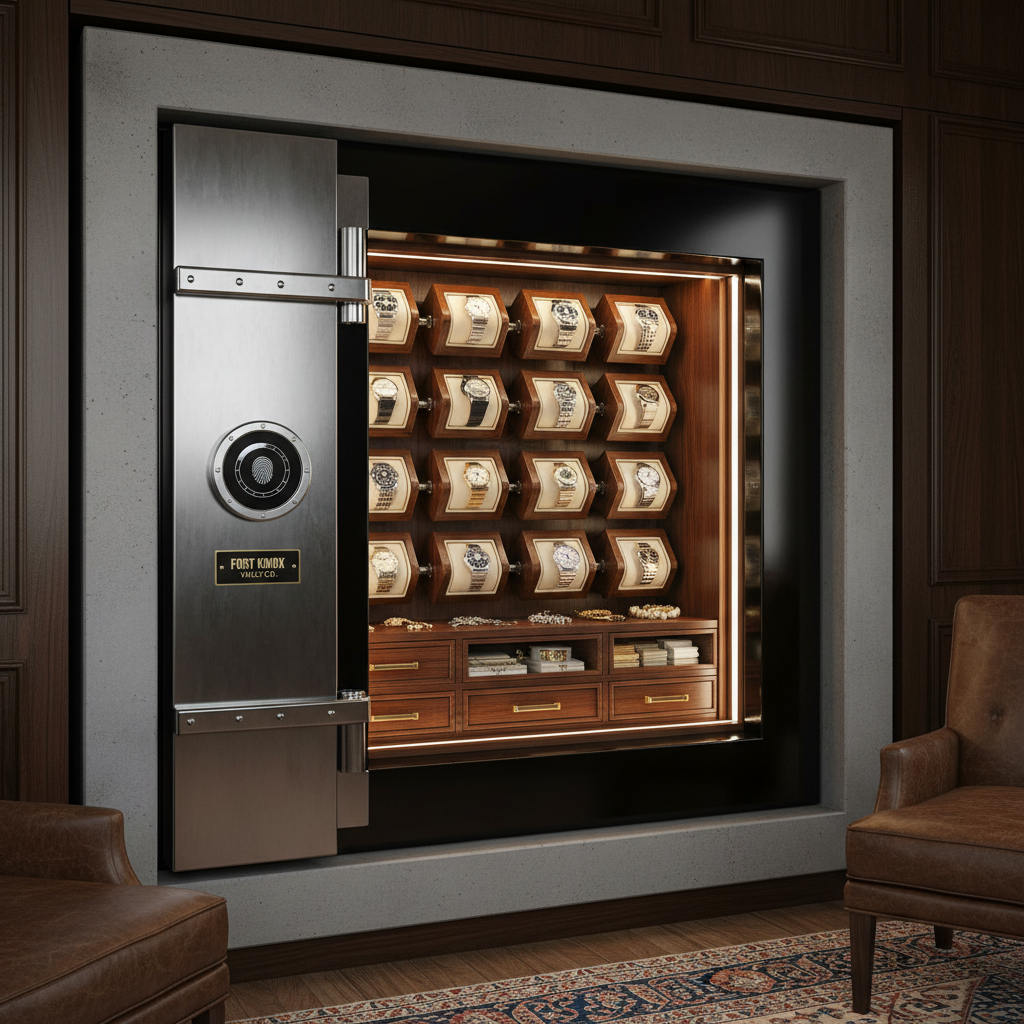
Storing a luxury watch winder inside a safe is the ultimate way to combine mechanical care with physical security. This setup protects your collection from theft, fire, and unauthorized handling while keeping the movements wound. You should look for safes designed specifically for horology with internal power options.
Is security more important than winding?
For high-value collections, security is paramount, but it shouldn’t come at the cost of your watch’s health. A dedicated safe allows you to hide your assets while ensuring they are ready to wear the moment you open the door.
In other words, you get the best of both worlds with an integrated solution.
- Protection against burglary.
- Fire-resistant storage.
- Organized, dust-free environment.
Can you power winders inside a safe?
Many modern safes include pre-drilled holes for power cables or internal AC outlets. If your safe lacks these, you can use high-quality luxury watch winder modules that operate on battery power for several months.
But wait, there’s more: some safes even feature interior LED lighting to showcase your collection.
- Internal AC power strips.
- Long-lasting battery modules.
- Cable management ports.
Key Takeaway: A specialized safe is the most secure and effective environment for housing a luxury watch winder and its precious contents.
| Safe Feature | Benefit for Watches |
|---|---|
| Internal Power | Constant winding capability |
| Biometric Lock | Quick, secure access |
| Plush Lining | Prevents case scratches |
Compare these safe features to see how they enhance the storage of your luxury timepiece collection.
Which watches need a luxury watch winder most?
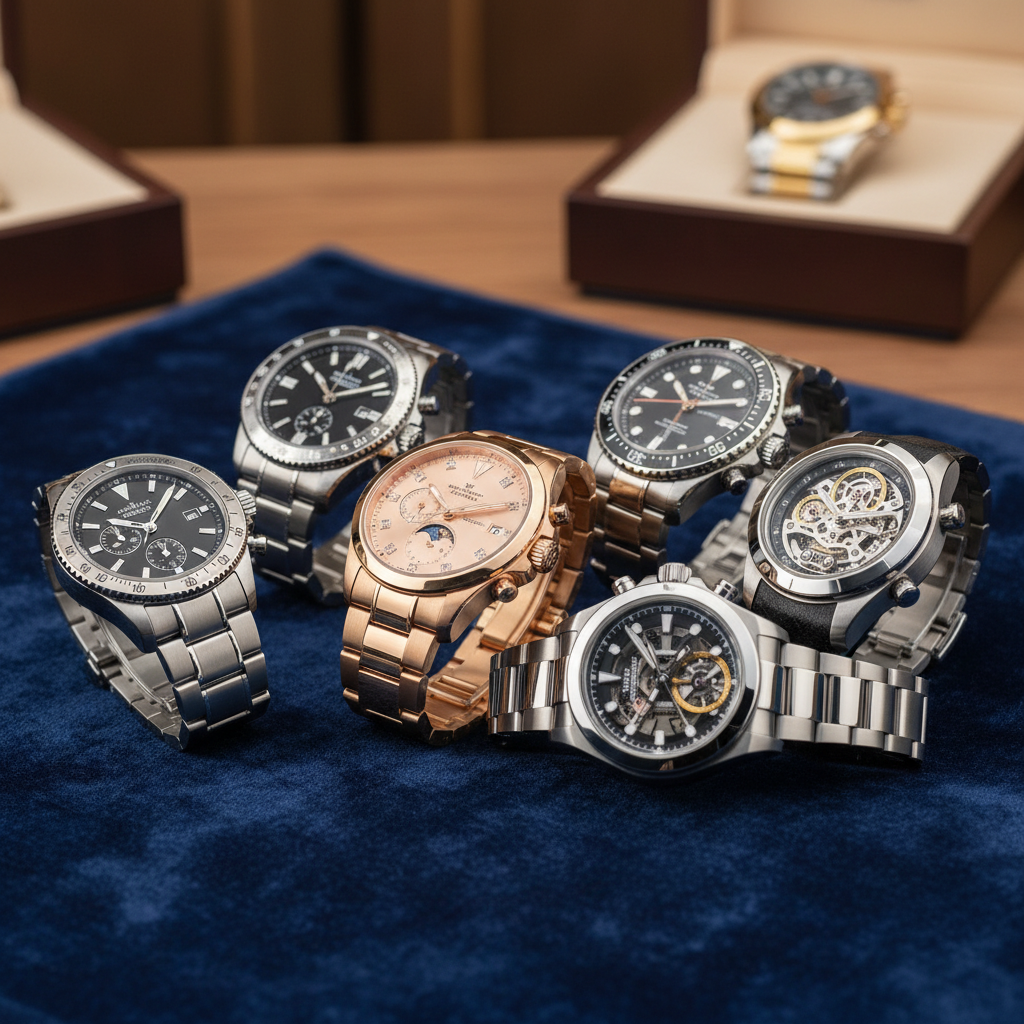
The watches that benefit most from a luxury watch winder are those with automatic movements and multiple calendar complications. Watches that you only wear on special occasions, such as dress watches, are also prime candidates. They ensure that when the occasion arises, you aren’t stuck resetting a complex moon phase or annual date.
Does it work for manual watches?
A watch winder will not work for manual-wind watches because they do not have an internal rotor. These timepieces require you to manually turn the crown to tension the mainspring, so a winder would be purely for display.
Make no mistake, putting a manual watch on a winder is a common beginner error.
- Requires physical crown rotation.
- No kinetic winding mechanism.
- Winder serves only as a stand.
Is it useful for quartz watches?
Quartz watches are powered by batteries and do not require movement to stay running. While a winder can serve as a beautiful storage case for them, it provides no mechanical benefit to the quartz movement itself.
Generally speaking, you should save your winder slots for your mechanical pieces.
- Battery-powered accuracy.
- No mainspring to wind.
- Ideal for display purposes only.
Key Takeaway: Prioritize automatic watches with complex calendars when deciding which pieces to place in your luxury watch winder.
| Movement Type | Winder Benefit |
|---|---|
| Automatic | High (Functional) |
| Manual | None (Aesthetic only) |
| Quartz | None (Aesthetic only) |
The following table breaks down which movements truly require an active winding environment.
Can you customize a luxury watch winder safe?
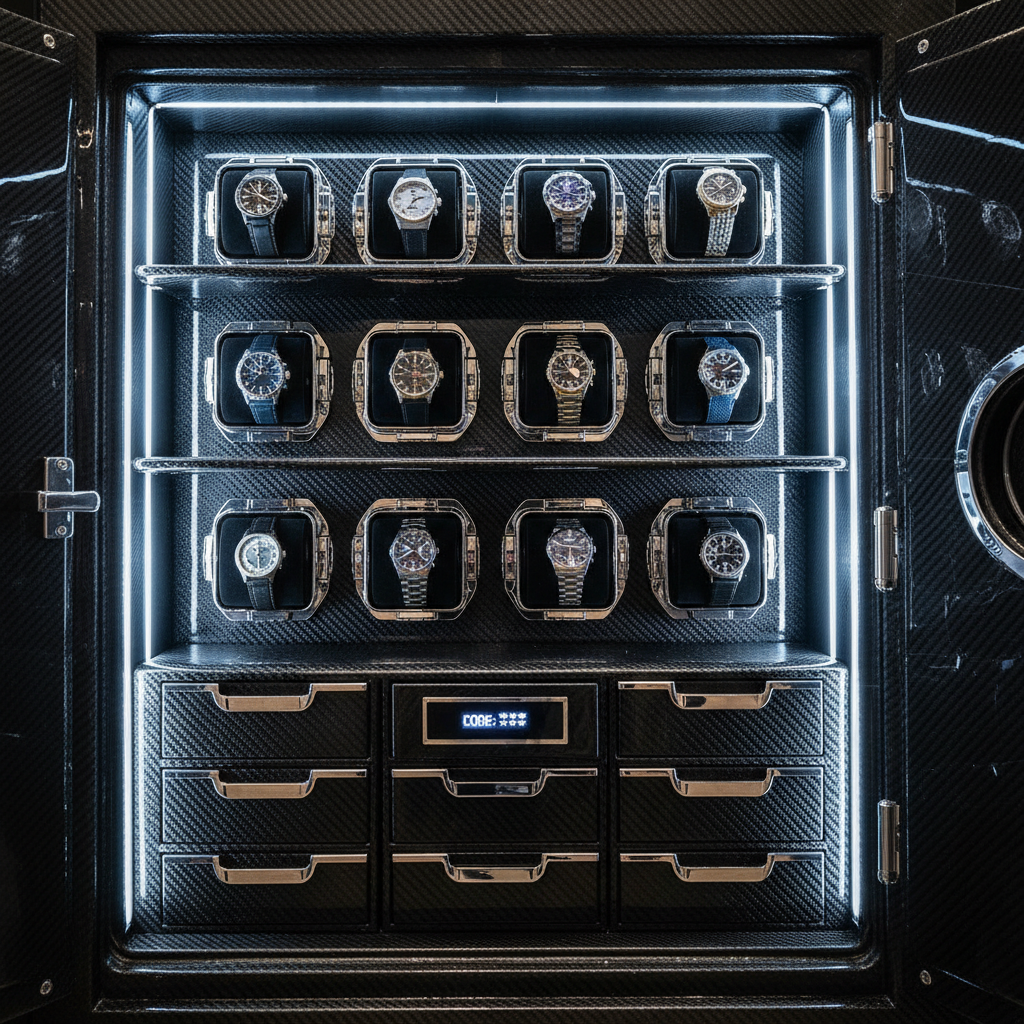
Yes, you can extensively customize a luxury watch winder safe to match your home’s interior and your collection’s size. Premium manufacturers offer bespoke options ranging from the number of winding modules to the type of leather used in the lining. This allows you to create a piece of furniture that is both functional and beautiful.
Can you choose the interior material?
High-end safes offer interiors finished in alcantara, genuine leather, or exotic woods. These materials are chosen not just for their beauty, but because they are soft and won’t scratch the polished surfaces of your watches.
Simply put, the interior should be as luxurious as the watches it protects.
- Soft-touch microfiber linings.
- Real wood veneer accents.
- Carbon fiber module housings.
Are biometric locks available?
Custom safes often feature advanced security tech like fingerprint scanners or facial recognition. This removes the need for physical keys or remembered codes, allowing for a seamless experience when selecting your watch for the day.
As it turns out, tech-heavy security is the new standard for luxury storage.
- Multi-user fingerprint storage.
- Silent alarm notifications.
- Integrated digital control panels.
Key Takeaway: Customization allows a luxury watch winder safe to become a personalized reflection of your taste and security needs.
| Custom Option | Impact on Experience |
|---|---|
| Module Count | Scales with your collection |
| LED Lighting | Enhances visual display |
| Finish Type | Matches home decor |
Analyze the customization possibilities below to see how they can transform your watch storage.
How to pick the right luxury watch winder?
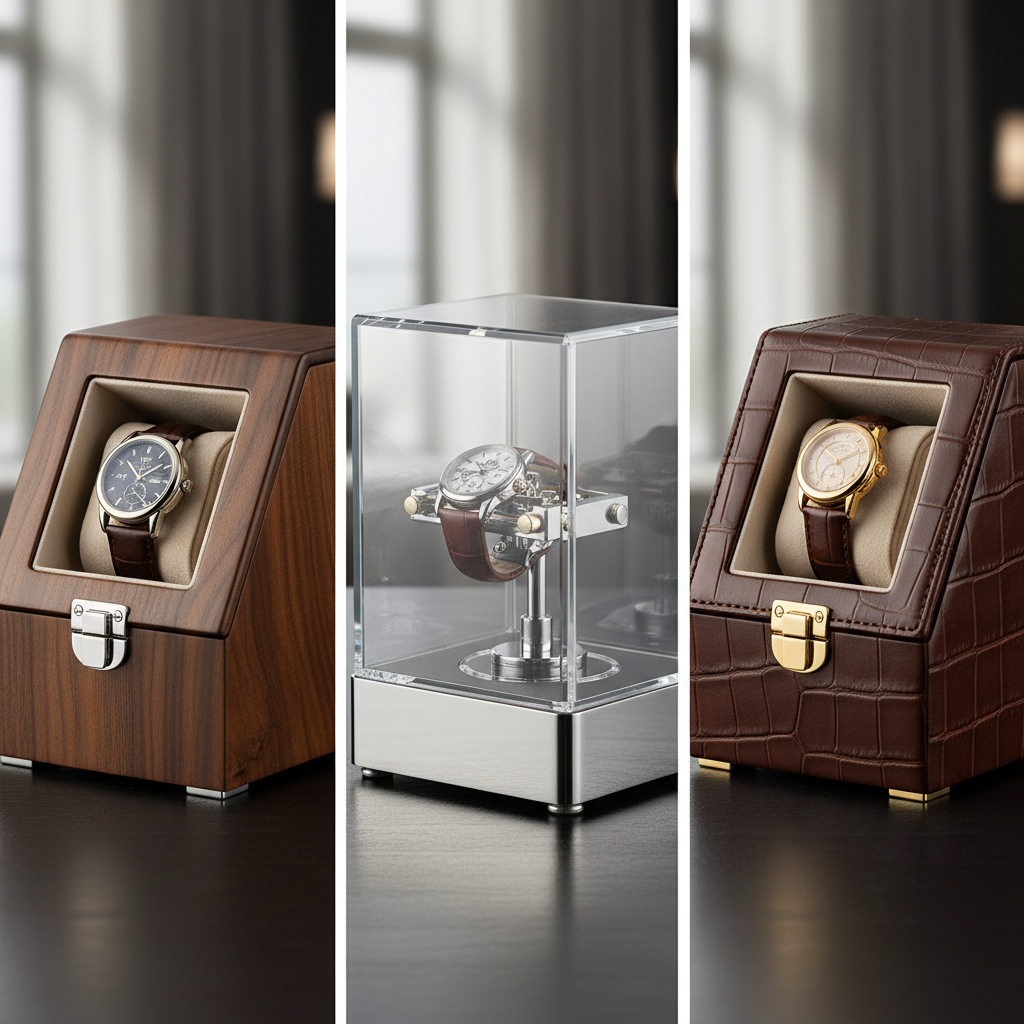
Picking the right luxury watch winder requires you to focus on motor quality, programmable settings, and aesthetic build. A cheap winder can be noisy and may lack the TPD adjustments needed to keep your specific watches healthy. Always prioritize models that offer silent operation and a variety of rotation modes.
Should you worry about motor noise?
Noise is a significant factor if you plan to keep your winder in a bedroom or office. High-quality Japanese or German motors are engineered to be virtually silent, ensuring your environment remains peaceful while your watches stay wound.
Listen closely, because a loud motor is often a sign of poor internal gearing.
- Decibel ratings under 10dB.
- Vibration-dampening mounts.
- Long-term motor reliability.
Does cushion size matter?
Your winder should come with adjustable cushions or “cuffs” that can accommodate different wrist sizes. A cushion that is too large can stretch a small leather strap, while one that is too small may allow a heavy watch to vibrate.
Bottom line, a secure fit is essential for consistent winding.
- Compressible foam or spring cuffs.
- Size-adjustable plastic inserts.
- Non-slip surface materials.
Key Takeaway: Investing in a high-quality luxury watch winder with silent motors and adjustable cushions protects your watches from both mechanical and physical stress.
| Factor | What to Look For |
|---|---|
| Motor | Silent/Brushless |
| Settings | Independent TPD/Direction |
| Materials | Solid wood/Real leather |
Use this final comparison table to guide your purchase of a premium winding device.
*
Conclusion
Maintaining a luxury watch collection requires more than just a passion for horology; it demands the right tools to ensure mechanical longevity and security. By integrating a luxury watch winder into a high-security safe, you provide your timepieces with the perfect environment to remain functional and protected for generations. Our vision is to provide every collector with the peace of mind that comes from combining expert-grade maintenance with unyielding anti-theft excellence. To find the perfect solution for your unique collection, please contact us today for a professional consultation.
*
FAQ
Can I use a winder for a watch I wear every day?
Yes, but it is not necessary since your wrist provides the winding energy. You can use it as a secure storage spot overnight, but the watch will already be fully wound.
What’s the best rotation direction for a modern sports watch?
The best setting is usually “Bi-directional” or “Alternating.” Most modern movements are designed to wind in both directions, making this the safest and most efficient choice.
How do I know if my winder is damaging my watch?
If you hear grinding noises or notice the watch gaining/losing significant time, check your settings. Damage is extremely rare and usually only occurs if you use a poor-quality winder without rest cycles.
Can I keep my winder running 24/7?
You should only use winders that have programmed rest cycles. Running a motor and a watch movement without any downtime can lead to premature wear on both devices.
What’s the best power source for a winder inside a safe?
The best option is a built-in AC outlet within the safe for consistent power. If your safe is not wired, high-quality lithium-ion batteries are the next best alternative.


