

A watch winder is a sophisticated mechanical device designed to maintain the energy levels of automatic timepieces when they are not on your wrist. You likely spend significant time and resources curating a horological collection only to find the oils drying and complications resetting every time you leave a piece in storage. By providing constant, controlled rotation, a luxury watch winder eliminates the frustration of manual resets and ensures your investments remain in peak mechanical condition.
What defines a premium luxury watch winder?
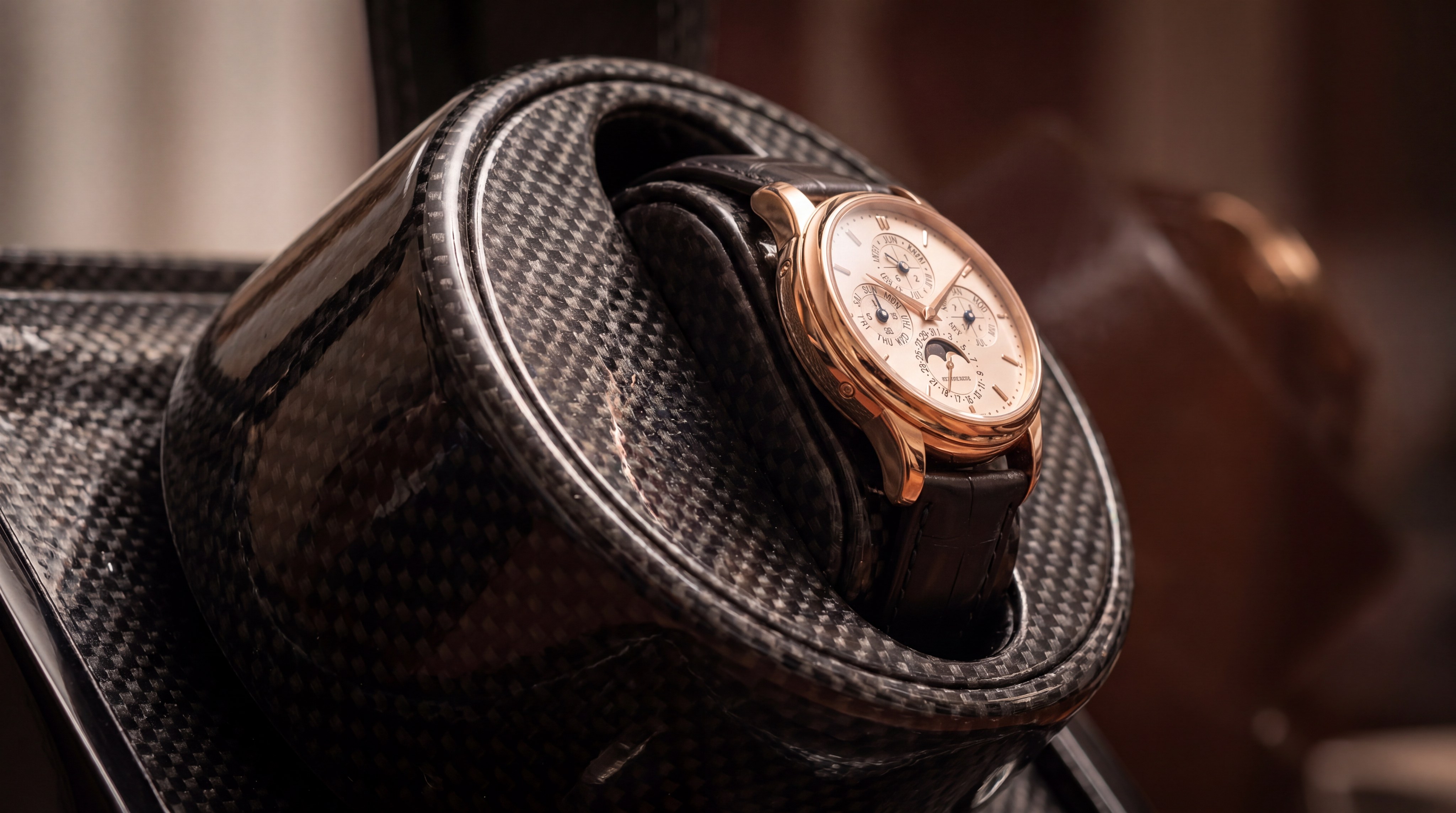
A premium luxury watch winder is defined by its ability to simulate the natural kinetic motion of a human wrist with absolute precision and near-silent operation. These devices utilize high-grade brushless motors that offer vibration-free rotation to protect delicate internal movements. You will often find them encased in materials like carbon fiber or polished hardwoods, reflecting the caliber of the timepiece they protect.
What technical features should you look for?
The internal engineering is what separates a standard rotator from a high-end instrument. You need to ensure the motor is shielded to prevent electromagnetic interference from affecting the hairspring. Here is the deal:
- Silent Operation: Motors that register below 10 decibels.
- Bi-directional Settings: The ability to rotate clockwise, counter-clockwise, or both.
- Build Quality: Seamless finishes and reinforced glass displays.
Why does motor quality matter for your collection?
High-quality motors provide a consistent torque that prevents the jerky motions found in cheaper alternatives. These premium components ensure that the mainspring is wound smoothly without placing undue stress on the gear train. You can trust that a superior motor will last for decades, mirroring the longevity of your watches.
Key Takeaway: Investing in a winder with a high-precision motor ensures your watch is maintained with the same level of care that went into its original craftsmanship.
| Feature | Premium Standard | Practical Benefit |
|---|---|---|
| Motor Type | Brushless DC | Silent, long-lasting performance |
| Shell Material | Carbon Fiber/Solid Wood | Structural integrity and aesthetic appeal |
| Rotation Modes | Fully Programmable | Matches specific movement requirements |
Understanding these core definitions allows you to appreciate the engineering required for horological maintenance.
Why should you invest in a luxury watch winder?
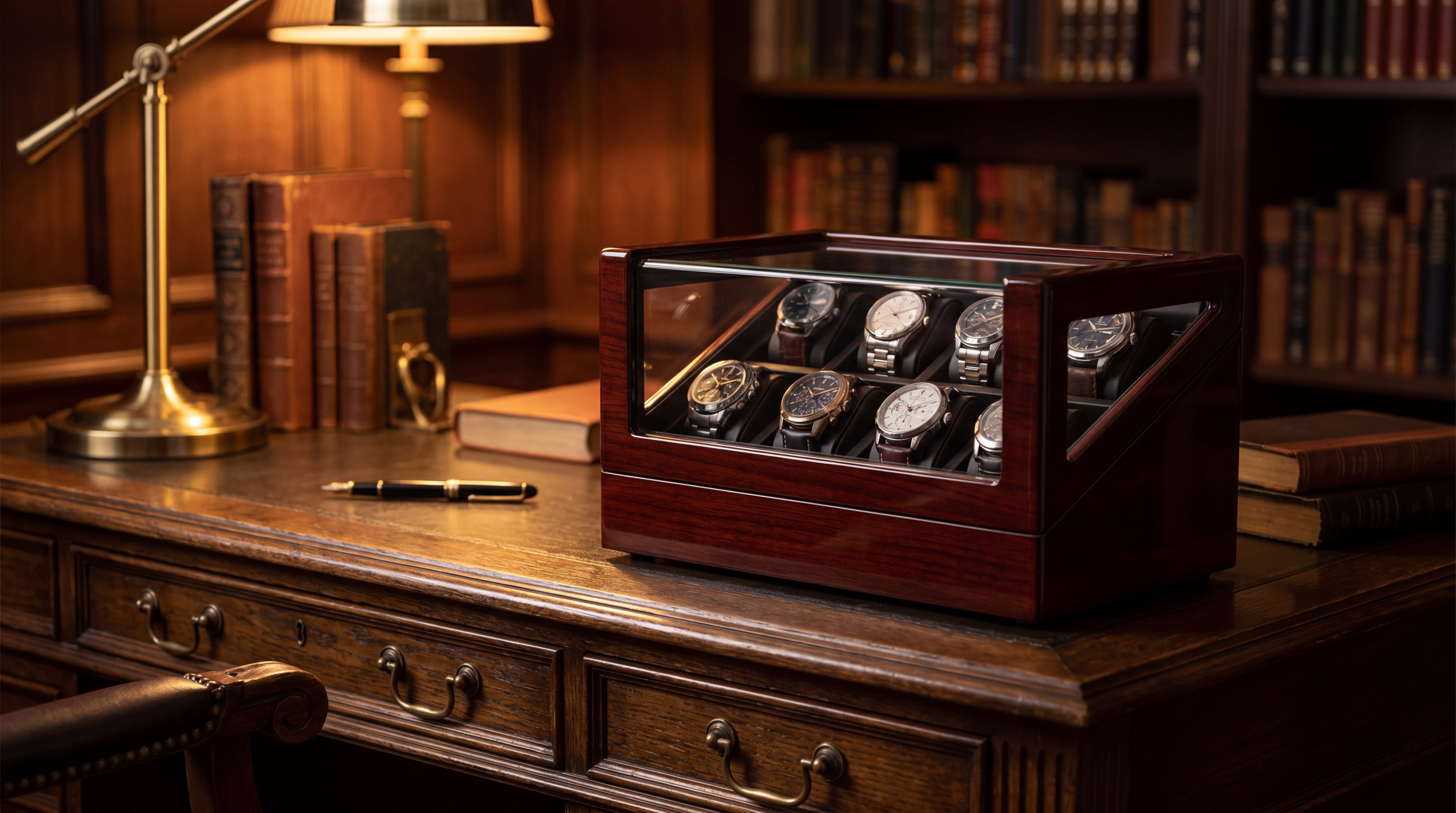
You should invest in a luxury watch winder primarily to preserve the intricate complications of automatic watches, such as perpetual calendars and moon phases. When these watches stop, resetting them can be a laborious process that risks damaging the delicate crown and stem assembly. Keeping them wound ensures they are always ready for immediate wear without a secondary setup.
How does it protect your mechanical investment?
Beyond convenience, these devices prevent the lubricants inside the movement from migrating or congealing over time. If a watch sits dormant, the specialized oils can settle, leading to increased friction once the gears start moving again. But wait, there is more:
- Accuracy Maintenance: Constant motion keeps the timing within COSC standards.
- Convenience: Ready-to-wear status for entire collections.
- Aesthetic Display: Serves as a high-end gallery for your favorite pieces.
Can it increase the lifespan of your watch?
By keeping the movement active, you are effectively performing “preventative maintenance” every single day. The consistent distribution of oils reduces the need for frequent professional servicing. You will find that a watch kept in motion often experiences fewer mechanical failures over a ten-year period.
Key Takeaway: The primary benefit of this investment is the reduction in long-term maintenance costs and the preservation of the watch’s accuracy.
| Investment Factor | Impact on Collection | Long-term Value |
|---|---|---|
| Lubricant Health | Prevents oil congealing | High |
| Complication Sync | Eliminates manual resets | Extreme |
| Display Value | Enhances home decor | Moderate |
Once you understand the “why,” the transition to choosing between automated and manual methods becomes much clearer.
Is a luxury watch winder better than manual winding?
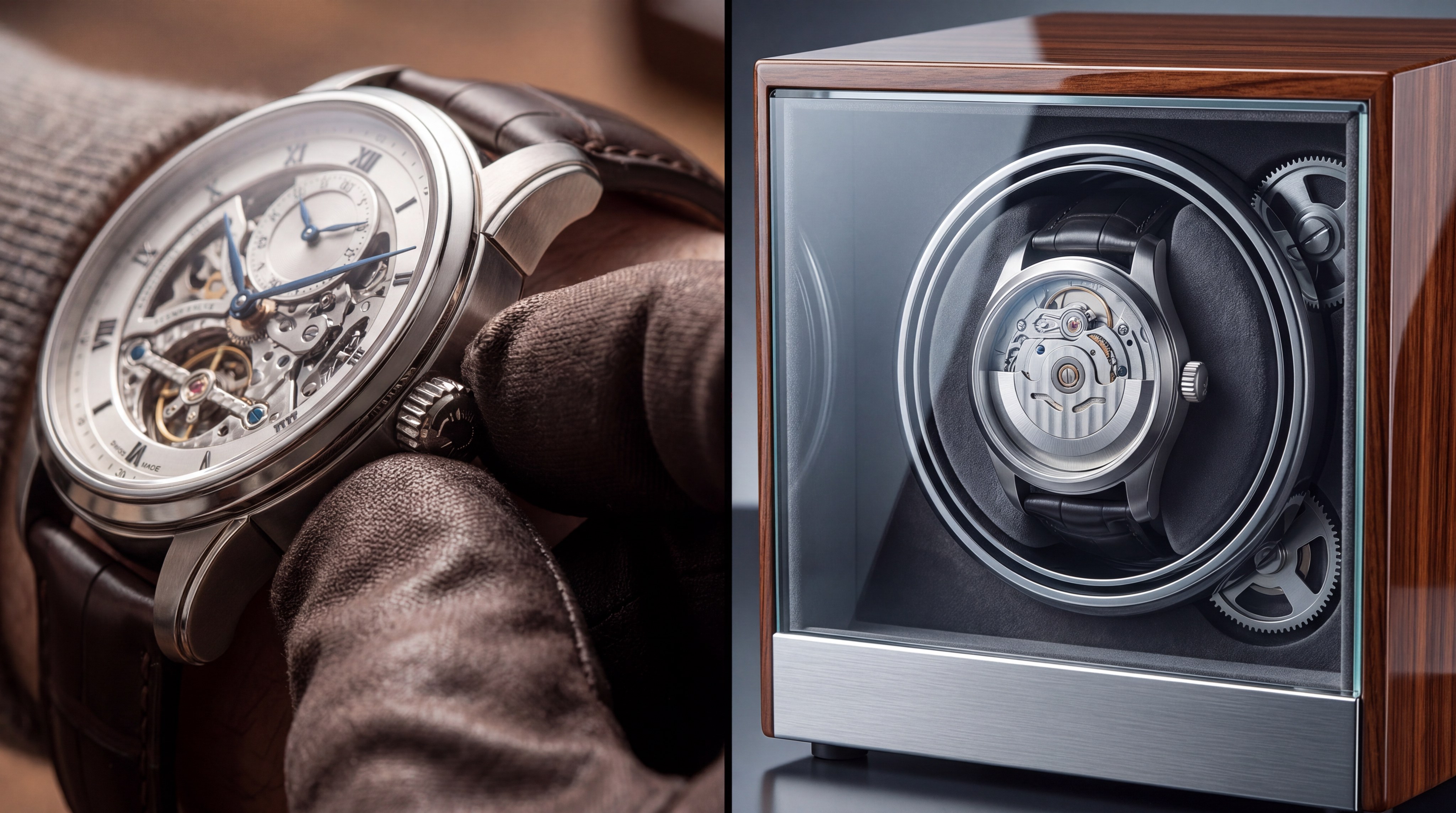
A luxury watch winder is generally superior to manual winding because it provides a consistent, low-torque energy transfer that avoids the stress of over-winding. Manual winding requires you to unscrew the crown frequently, which can eventually lead to cross-threading or wear on the waterproof seals. Automated rotation mimics the natural movement of your arm, which is exactly how the movement was designed to receive energy.
Does manual winding cause physical wear?
Frequent manual intervention puts direct pressure on the winding stem and the internal clutch mechanism. Over years of use, the repeated friction of turning the crown can lead to mechanical fatigue. Let’s look at the facts:
- Seal Integrity: Constant crown usage can degrade gaskets.
- Human Error: It is easy to over-wind a manual piece if you aren’t careful.
- Consistency: Automated systems provide the exact turns per day required.
What about “over-winding” protection?
Most premium devices include built-in sleep cycles that allow the mainspring to relax periodically. This prevents the slipping clutch of an automatic watch from being engaged unnecessarily for hours at a time. You can rest easy knowing the machine is programmed to stop precisely when the watch is fully charged.
Key Takeaway: Using an automated system protects the physical integrity of the crown and ensures the mainspring is never subjected to excessive tension.
| Method | Wear Level | User Effort |
|---|---|---|
| Manual Winding | High (Crown/Gaskets) | Manual / Frequent |
| Luxury Winder | Minimal (Designed Motion) | Set and Forget |
While manual winding has its place for occasional use, the automated approach offers a level of safety and precision that is hard to match.
How do you select the best luxury watch winder?
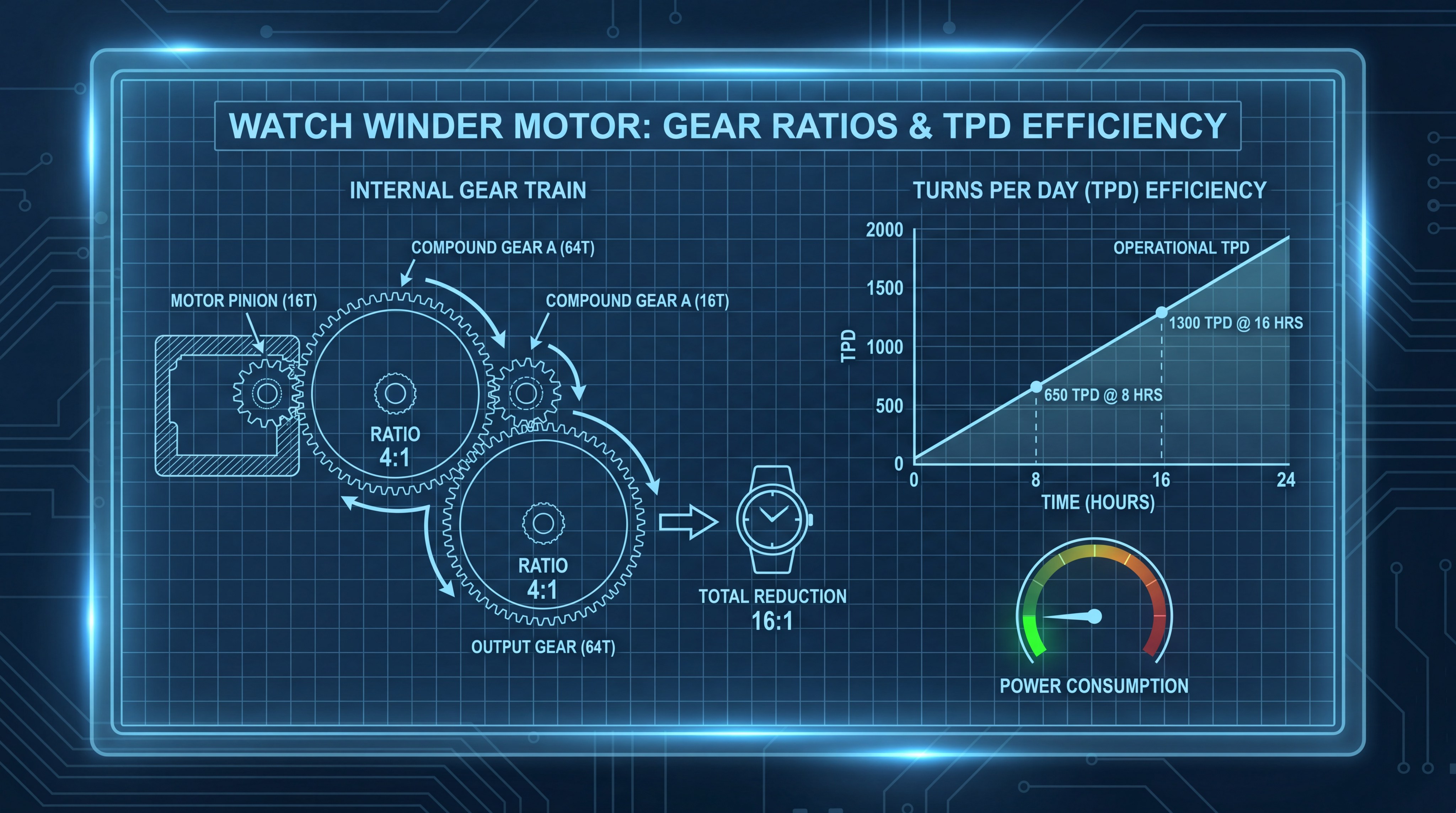
Selecting the best luxury watch winder requires a deep dive into the specific “Turns Per Day” (TPD) settings and the quality of the internal motor shielding. You must ensure that the device allows for customizable rotation directions, as different watch calibers have unique winding requirements. Furthermore, look for a unit that offers adjustable watch cuffs to accommodate various wrist sizes and strap materials.
Which technical specs are most important?
You should prioritize the motor’s TPD range and its ability to operate without creating a magnetic field. Cheap motors can actually magnetize your watch, causing it to run fast and requiring a trip to the jeweler. Here is the deal:
- TPD Range: Ideally 650 to 1800 turns per day.
- Shielding: Essential to protect the balance spring.
- Power Options: AC adapter for home use and battery backup for travel.
How do you evaluate the exterior build?
The exterior should be more than just a box; it should be a piece of furniture that complements your office or bedroom. Look for high-transparency glass and interiors lined with non-abrasive materials like micro-suede or velvet. You want a piece that feels substantial and uses high-quality hinges that won’t sag over time.
Key Takeaway: Choosing the right unit involves balancing technical TPD requirements with high-end aesthetic finishes that protect the watch’s exterior and interior.
| Selection Criteria | What to Look For | Priority |
|---|---|---|
| TPD Control | Programmable per watch | Essential |
| Interior Lining | Soft micro-suede | High |
| Noise Level | Under 10dB | High |
Selecting the right device is only the first step; knowing how to use it correctly is what ensures the longevity of your movement.
How often should you use a luxury watch winder?
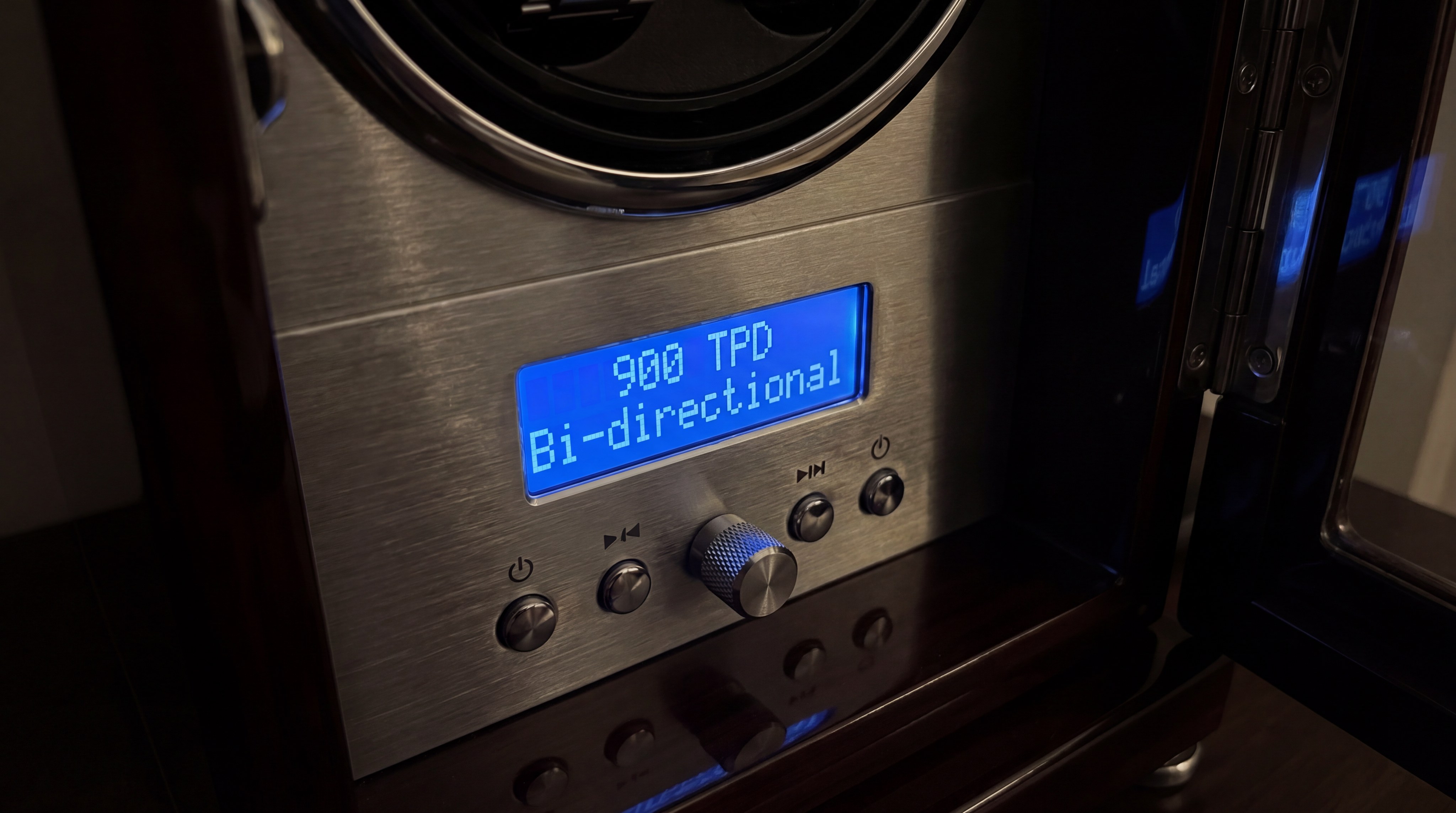
You should use a luxury watch winder whenever your automatic timepiece is not being worn for more than 24 to 48 hours. Most automatic watches have a power reserve of roughly two days, after which they will stop and require a manual reset. For collectors who rotate between multiple watches throughout the week, keeping the non-active pieces on a rotator is the most efficient way to manage the collection.
Is constant rotation necessary?
Actually, your watch does not need to spin 24 hours a day to remain fully powered. Premium units utilize “rest periods” to mimic a typical human sleep cycle, preventing the movement from being constantly active. But wait, there is more:
- Daily Wearers: Only need the winder during the night.
- Weekly Rotation: Should stay on the winder when not in use.
- Long-term Storage: Use periodically to keep oils moving.
Can you leave a watch on the winder forever?
While you can leave a watch on a high-quality rotator indefinitely, it is good practice to wear every watch in your collection at least once a month. This ensures that the natural heat of your body helps the lubricants perform as intended. You should view the device as a support system, not a total replacement for wearing the piece.
Key Takeaway: Regular use prevents mechanical stagnation while the built-in rest cycles prevent the movement from experiencing unnecessary wear.
| Usage Frequency | Recommended Duration | User Scenario |
|---|---|---|
| Active Rotation | 12-16 hours / day | Multi-watch rotation |
| Rest Cycle | 8-12 hours / day | Standard maintenance |
| Maintenance Spin | Once per week | Occasional pieces |
Effective usage cycles lead naturally to the question of where to acquire these specialized tools.
Where can you purchase a quality luxury watch winder?
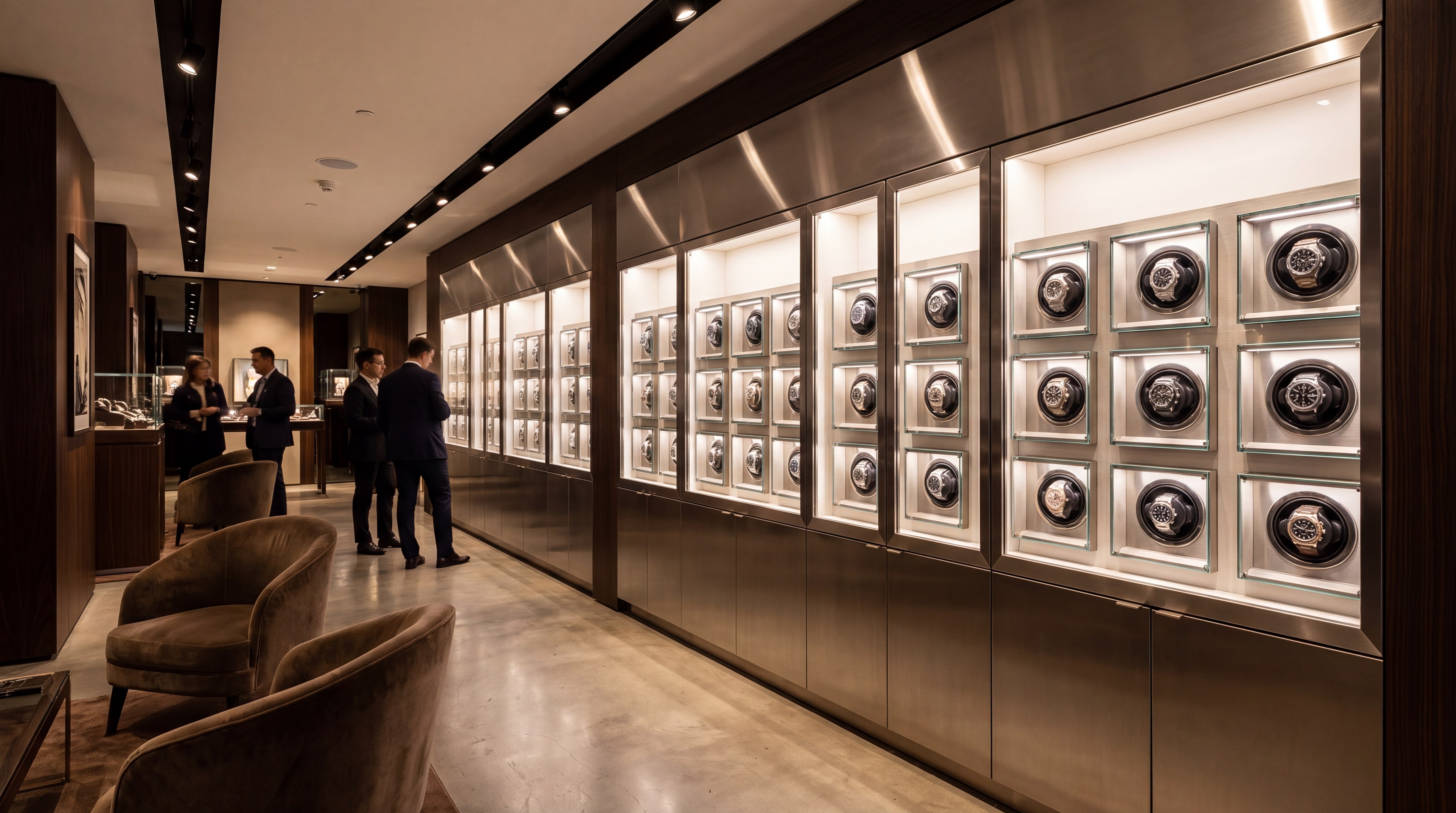
Quality watch maintenance tools should be purchased from specialized horological retailers or manufacturers that provide comprehensive warranties and ISO-certified production standards. You should avoid generic marketplaces where technical specifications like TPD and magnetic shielding are often misrepresented or omitted entirely. A luxury watch winder is a precision instrument, and the vendor should be able to provide detailed technical support for your specific watch caliber.
What should you look for in a retailer?
Reputable sellers will offer after-sales support and have a deep understanding of different watch brands and their specific winding directions. Look for companies that specialize in high-security storage and horological accessories. Let’s check the criteria:
- Certifications: ISO 9001 or similar quality control markers.
- Customization: Ability to offer bespoke finishes or configurations.
- Track Record: A history of serving the high-end collector community.
Are online specialized shops reliable?
Many top-tier manufacturers now sell directly to consumers to ensure that quality standards are maintained from the factory to your door. You can often find better value and more transparent technical data when buying from a brand that specializes exclusively in secure watch storage. This direct relationship also makes it easier to request custom-built solutions for larger collections.
Key Takeaway: Buying from a specialized manufacturer ensures you receive a tool that is technically compatible with your high-value timepieces.
| Vendor Type | Quality Level | Technical Support |
|---|---|---|
| Specialized Manufacturer | Elite | Comprehensive |
| Luxury Boutique | High | Moderate |
| Generic Marketplace | Low/Variable | Non-existent |
Acquiring a high-quality unit is the best way to ensure the long-term health of your movement by preventing unnecessary wear.
How does a luxury watch winder prevent movement wear?
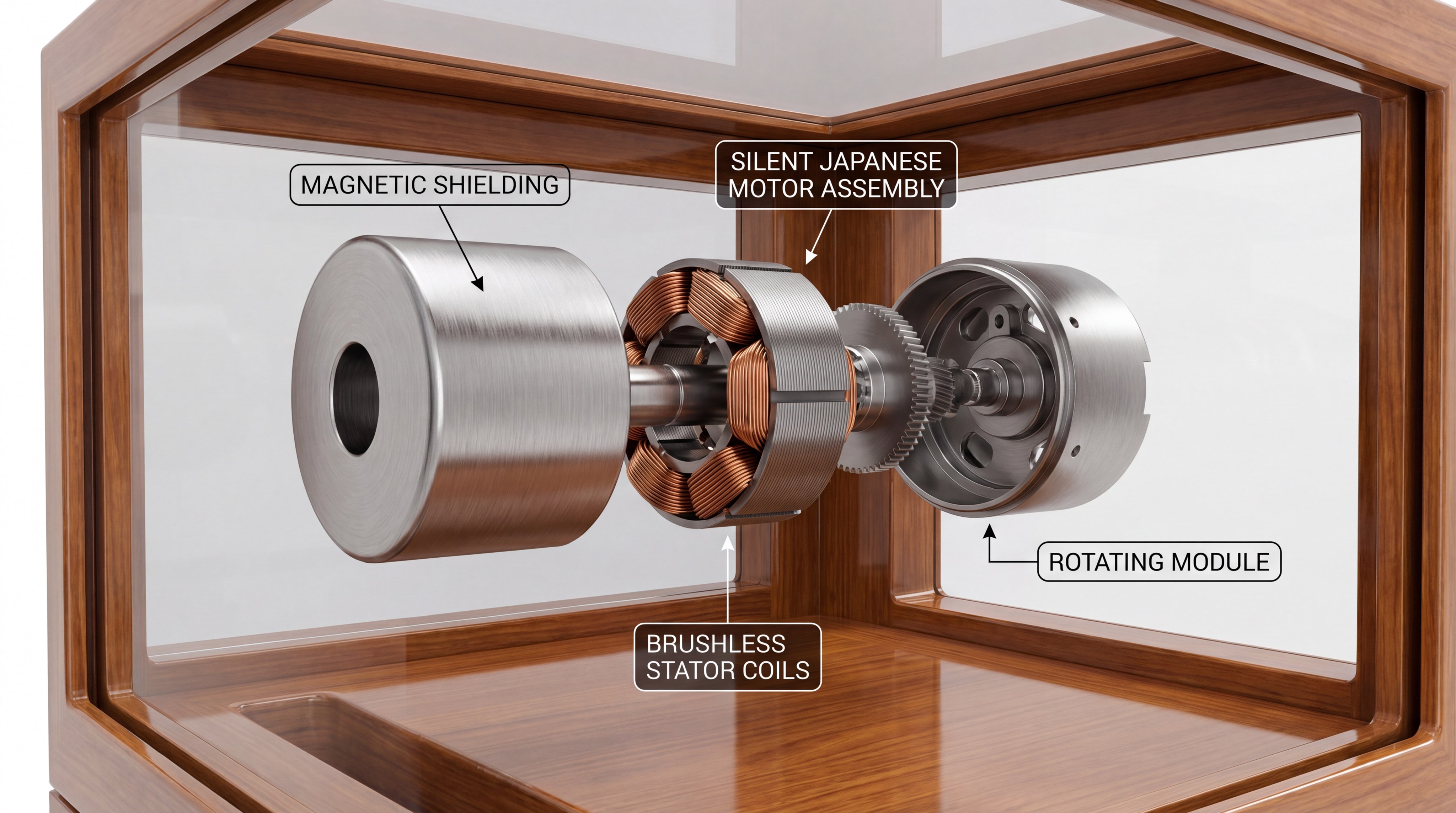
A luxury watch winder prevents movement wear by keeping the internal oils in a state of constant, fluid motion, which inhibits the “gumming up” of delicate mechanical parts. When a watch sits still, the oils can migrate away from the friction points, leaving the metal components to rub against each other dry when the watch is finally restarted. Constant motion ensures that every jewel and pivot remains properly coated in synthetic lubricant.
Why is lubricant distribution so vital?
In the world of micro-mechanics, friction is the ultimate enemy of accuracy and longevity. Keeping the movement active ensures that the watch’s heart—the balance wheel—remains healthy. Here is the deal:
- Friction Reduction: Oils stay on the escapement and pivots.
- Oxidation Prevention: Moving parts are less likely to develop micro-corrosion.
- Mechanical Fluidity: The gear train operates with less resistance.
Does it prevent “dry starts” after storage?
Just like a car engine, a “dry start” on a watch movement causes the most significant wear. By keeping the watch wound, you eliminate the high-friction phase that occurs when a dormant gear train is forced into action. You will find that your watch maintains better amplitude and timing stability when it never has a chance to stop.
Key Takeaway: The primary mechanical benefit is the elimination of dry friction, which significantly extends the intervals between expensive professional services.
| Wear Prevention | Mechanical Effect | Long-term Result |
|---|---|---|
| Oil Distribution | Consistent lubrication | Lower friction |
| Kinetic Motion | Prevents part seizing | High accuracy |
Preventing physical wear is essential, but you must also consider the invisible threats to your movement’s health.
Is magnetic shielding vital for a luxury watch winder?
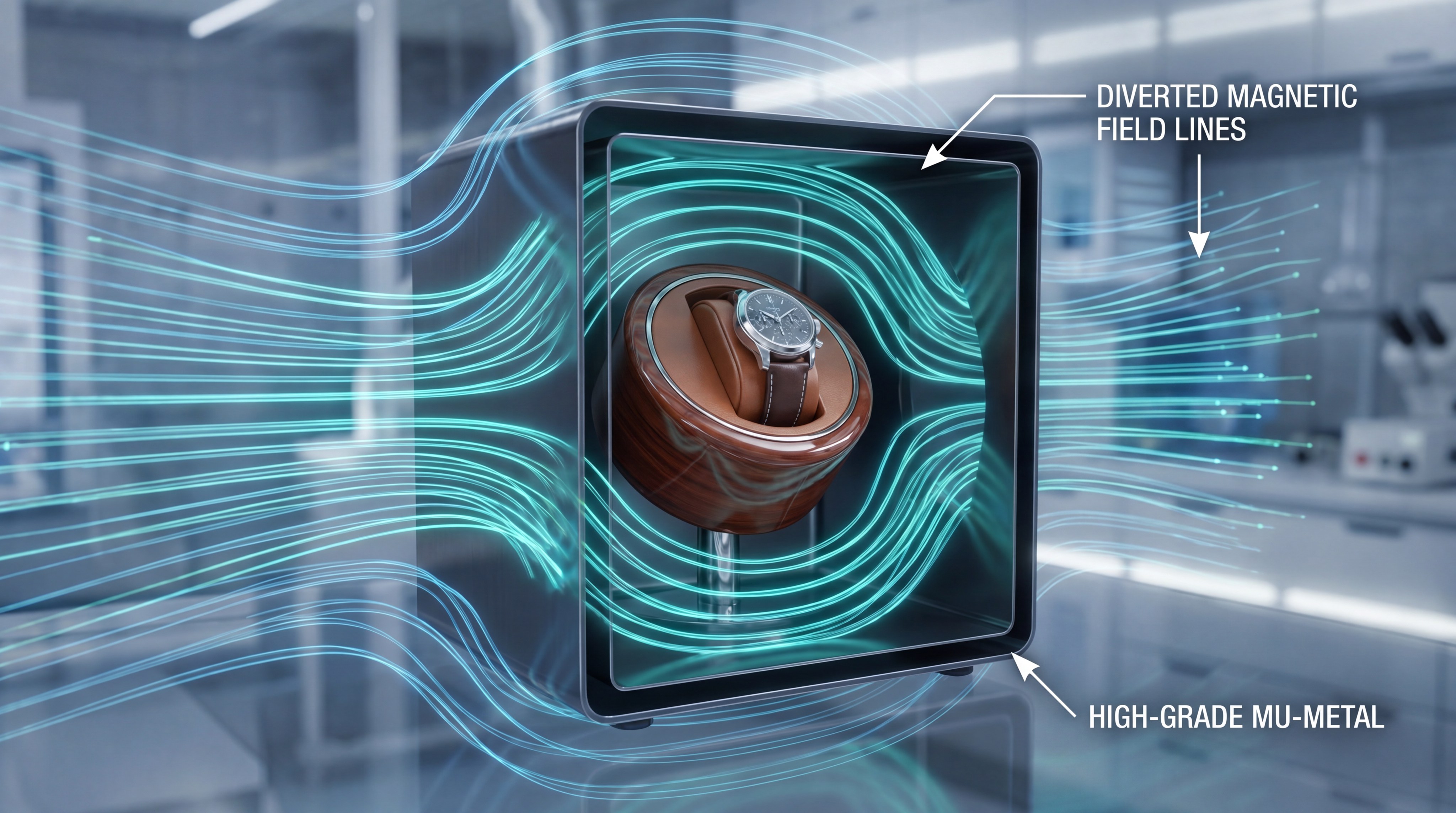
Magnetic shielding is absolutely vital because the electric motors inside a winder naturally generate electromagnetic fields that can magnetize your watch’s hairspring. If a hairspring becomes magnetized, its coils will stick together, causing the watch to run extremely fast—sometimes gaining several minutes per hour. High-end devices use materials like Mu-metal to divert these magnetic field lines away from the watch cradle.
How do you know if your watch is magnetized?
If your watch suddenly gains significant time or stops sporadically despite being wound, magnetism is the most likely culprit. You can test this easily with a simple compass; if the needle moves when placed near the watch, you have a problem. But wait, there is more:
- Precision Loss: Even low-level magnetism affects the beat rate.
- Repair Cost: Demagnetizing is simple, but repeated occurrences are annoying.
- Shielding Quality: Look for specialized alloys in the motor housing.
Why do cheap winders often fail here?
Lower-priced models often use unshielded motors to save on production costs, which places your watch directly in a magnetic “hot zone.” You might save money on the winder, but you will pay for it in jeweler fees later. You should always insist on seeing technical proof of magnetic shielding before placing a five-figure watch inside any rotating device.
Key Takeaway: Proper shielding is the only way to ensure the motor powering the winder doesn’t inadvertently ruin the accuracy of the watch it is meant to protect.
| Component | Standard Model | Luxury Shielded Model |
|---|---|---|
| Motor Housing | Plastic/Steel | Mu-metal / Anti-magnetic Alloy |
| Magnetic Impact | High risk | Zero / Negligible |
Once the technical safety is secured, you can look at integrating these tools into your overall home security strategy.
Can a luxury watch winder be integrated into a safe?
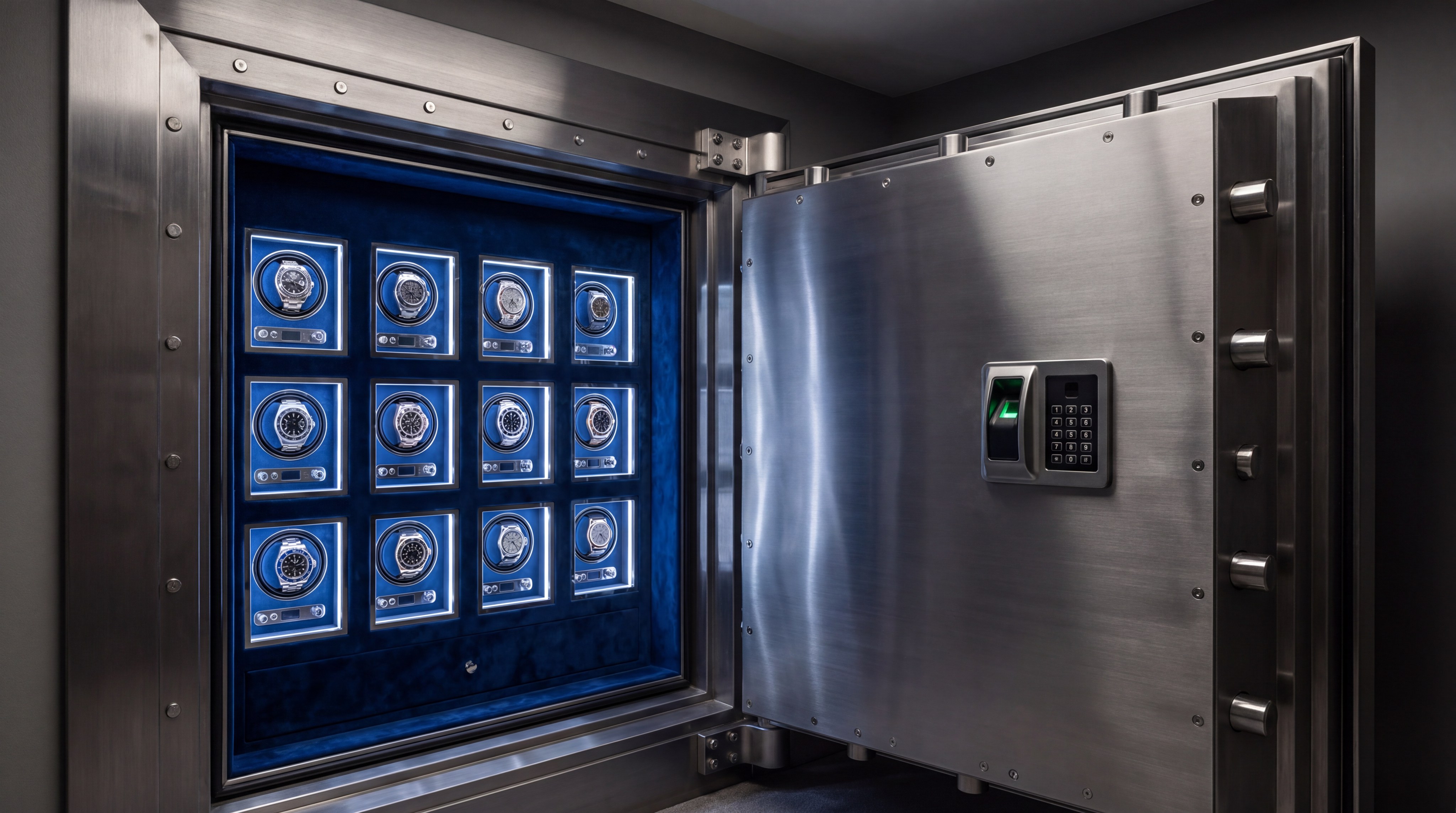
A luxury watch winder can certainly be integrated into a high-security safe, providing a dual solution for physical protection and horological maintenance. This integration allows you to keep your most valuable assets protected from theft and fire while simultaneously keeping them wound and ready for use. Modern luxury safes often come pre-configured with modular winder banks that can be customized to the size of your collection.
What are the benefits of safe integration?
Integrated systems offer a level of organization and security that a standalone winder simply cannot provide. You get the benefit of biometric access and reinforced steel protection combined with a beautiful, illuminated display. Here is the deal:
- Security: Protection from theft and unauthorized handling.
- Environment: Controlled, dust-free atmosphere for the watches.
- Convenience: All valuables are in one centralized, secure location.
How is the power managed inside a safe?
Engineered safes feature internal power ports and cable management systems designed to provide a constant charge to the winders without compromising the safe’s fire rating. You don’t have to worry about batteries dying or drilling holes in the safe yourself. You will find that the interior lighting and digital controls are often powered by the same centralized system.
Key Takeaway: Combining storage with maintenance provides the ultimate peace of mind for collectors who value both security and mechanical readiness.
| Integration Aspect | Benefit to User | Security Level |
|---|---|---|
| Biometric Entry | Instant, secure access | Elite |
| Internal Power | Constant rotation | High |
| Modular Rotors | Scalable collection | High |
This level of integration represents the pinnacle of watch care, but it all relies on the final detail: the correct rotation settings.
What TPD settings are ideal for a luxury watch winder?
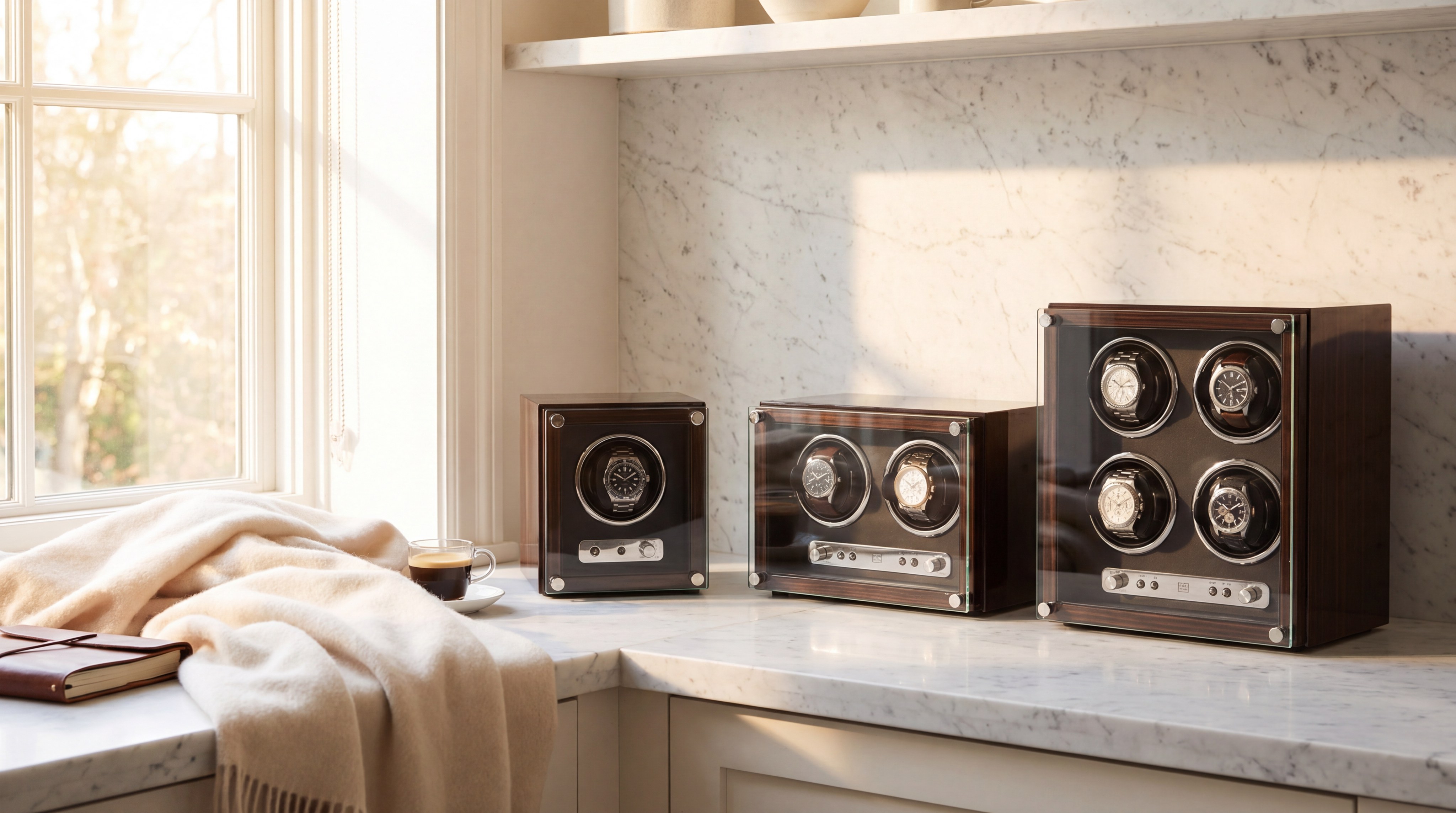
The ideal TPD settings for a luxury watch winder typically range between 650 and 900 turns per day for most modern automatic movements. However, specialized calibers—especially those with heavy complications—may require up to 1800 TPD to maintain a full power reserve. You must consult your watch’s technical manual or a manufacturer’s database to determine if your piece winds clockwise, counter-clockwise, or bi-directionally.
Why is direction as important as TPD?
Many automatic movements use a “one-way” winding rotor that only adds energy when spinning in a specific direction. If you set the winder to rotate in the wrong direction, the watch will eventually stop even though it is moving. But wait, there is more:
- Clockwise Only: Common in many entry-level movements.
- Counter-Clockwise: Found in specific high-end calibers.
- Bi-directional: The most flexible option for modern collections.
Can you use a “default” setting?
If you are unsure of the specific requirements, a bi-directional setting of 800 TPD is a safe middle ground for the vast majority of watches. Most luxury devices offer a “pre-set” mode that handles this for you, ensuring the watch stays wound without stressing the clutch. You should always monitor the watch for a few days after changing settings to ensure it is maintaining its time accurately.
Key Takeaway: Matching the TPD and direction to your specific caliber ensures the watch stays fully powered without unnecessary mechanical strain.
| Movement Type | Typical TPD Range | Winding Direction |
|---|---|---|
| Standard Automatic | 650 – 800 | Bi-directional |
| Complex Perpetual | 900 – 1300 | Caliber Specific |
| Vintage Automatic | 600 – 750 | Variable |
Matching these settings is the final piece of the puzzle in your journey toward expert watch maintenance.
*
Selecting a luxury watch winder is about more than just convenience; it is a commitment to the longevity, accuracy, and security of your horological legacy. Our mission is to provide you with the world-class engineering and technical insight required to protect what you value most. Whether you are seeking a single display piece or a fully integrated vault solution, we stand by the philosophy that high-end timepieces deserve high-end care. If you are ready to elevate your collection’s security and maintenance, please contact us today to discuss a custom solution tailored to your needs.
*
FAQ
Can I use any winder for my vintage watch?
It depends, but generally, you must be very careful with vintage pieces as they often have weaker mainsprings and no over-winding protection. You should use a programmable device with very low TPD settings (around 600) to avoid placing excessive stress on aged components.
What’s the best TPD for a heavy gold watch?
The weight of the watch case does not change the TPD requirement, which is determined solely by the movement inside. However, you should ensure the winder’s motor is powerful enough to rotate the heavier mass of a gold or platinum piece without slowing down.
How do I know if my winder is shielded?
You should check the manufacturer’s specifications for mentions of “Mu-metal” or “anti-magnetic shielding.” If the information is not listed, you can use a compass to check for magnetic pull while the motor is running.
Can I leave the winder running 24/7?
Yes, provided the device has a built-in sleep timer or rest cycle. Most quality winders are designed to run for a few hours and then rest for several, preventing the watch from being constantly under tension.
How often do the motors need to be replaced?
It depends on the quality, but high-end Japanese motors are typically rated for 10,000 to 20,000 hours of operation. In a luxury unit, this often translates to over a decade of reliable service before any maintenance is required.

