

Choosing a watch winder safe requires evaluating capacity, security ratings, motor quality, interior materials, climate control, aesthetic integration, and power reliability. You have likely spent years curating a collection of luxury timepieces, but storing them in a bedside drawer or a flimsy wooden box is a recipe for disaster. Dust can compromise delicate movements, while the constant threat of theft can turn your pride and joy into a source of deep-seated anxiety. By investing in a professional-grade home safe with watch winder, you bridge the gap between high-end maintenance and absolute protection.
How many slots should your home safe with watch winder have?
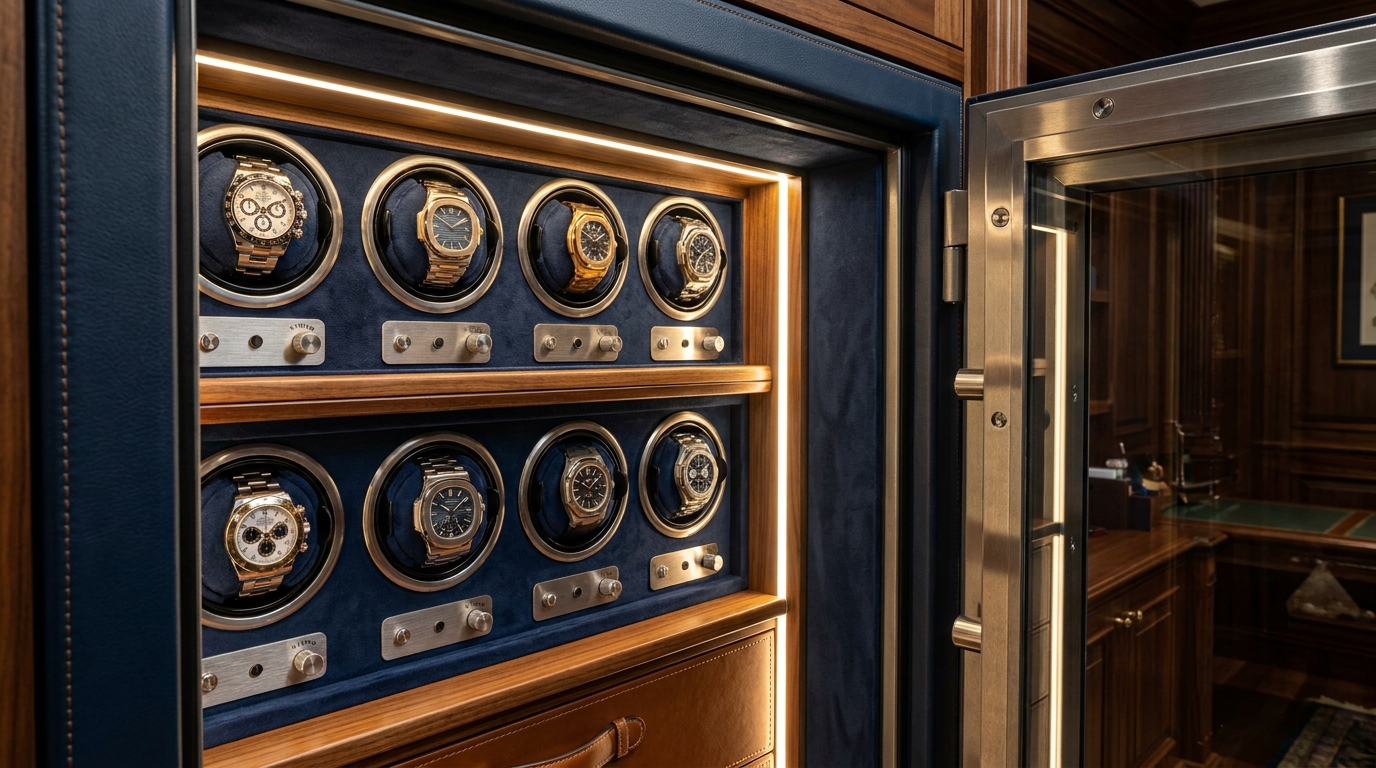
You should select a capacity that accommodates your current collection while leaving at least 25% room for future acquisitions. Choosing a home safe with watch winder that is too small becomes a costly mistake the moment you add a new piece to your rotation. A balanced unit ensures your mechanical timepieces remain wound without overcrowding the internal chamber.
Does your current collection fit?
You must first audit your existing inventory to ensure every automatic watch has a dedicated rotor. Think about it; squeezing multiple watches onto a single winder can lead to scratches or inconsistent winding cycles.
- Count every automatic movement currently in your possession.
- Measure the case diameters to ensure they fit the rotor spacing.
- Account for oversized crowns or thick dive watch cases.
Want to know the best part? Modern luxury safes offer modular rotor systems that allow for better spatial organization.
Is there room for future growth?
Strategic collectors always look two steps ahead when purchasing a high-end vault. You know the feeling of finding a must-have piece only to realize you have nowhere safe to store it.
- Plan for at least two empty slots for upcoming purchases.
- Consider if you will transition from manual to automatic watches.
- Look for units with additional drawers for non-automatic timepieces.
It gets better: extra slots can be used to store spare bracelets or leather straps securely.
Key Takeaway
Always buy more capacity than you currently need to avoid outgrowing your security investment within a year.
| Capacity Factor | Recommendation | Benefit |
|---|---|---|
| Current Slots | Match 1:1 with automatics | Protects movements immediately. |
| Future Expansion | Add 2-4 extra rotors | Prevents future safe upgrades. |
| Jewelry Drawers | Include at least 2 | Organizes accessories and tools. |
Use this capacity guide to determine the minimum internal dimensions required for your specific collection.
Is your home safe with watch winder truly theft-proof?
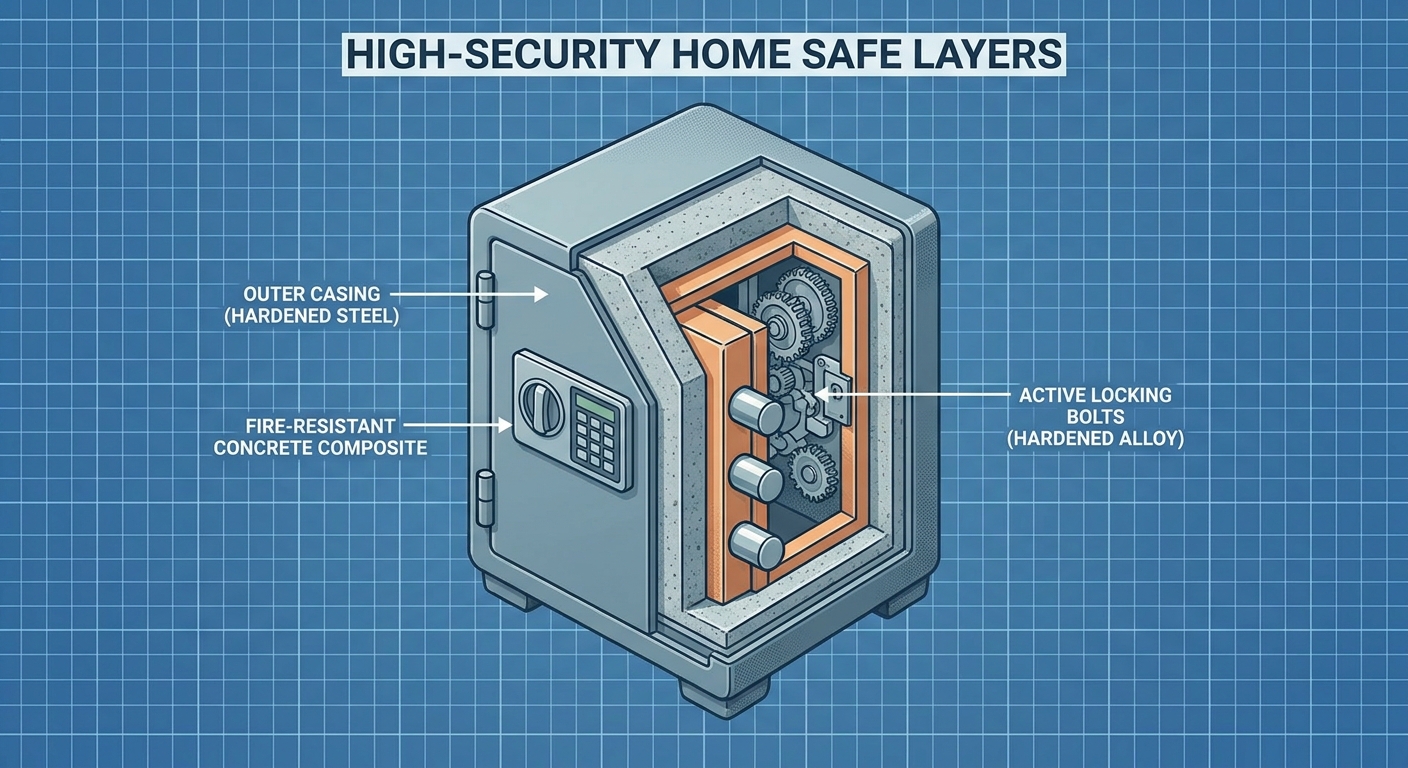
A truly theft-proof safe must feature at least 8-gauge steel construction, active locking bolts, and pry-resistant recessed hinges. You must look beyond the glossy exterior of a home safe with watch winder to evaluate its raw defensive capabilities against physical breaching. High-quality vaults use reinforced steel plates to thwart drilling and prying attempts from professional burglars.
What is the thickness of the steel?
The gauge of the steel is the primary barrier between a thief’s tools and your valuable collection. Here is the kicker: many “luxury” boxes use thin sheet metal that can be breached with basic hand tools in minutes.
- Aim for 10-gauge steel for standard home protection.
- Select 8-gauge or thicker for high-value horological collections.
- Check for manganese drill-resistant plates behind the lock.
Want to know the best part? Thicker steel not only provides security but also increases the total weight, making the unit harder to carry away.
Are the door hinges pry-resistant?
Exposed hinges are a major vulnerability that experienced burglars will target first. Simply put, if a thief can cut or knock off the hinges, your locking bolts are the only thing left holding the door.
- Look for internal or recessed hinges that cannot be accessed from outside.
- Ensure the door frame is reinforced to prevent prying gaps.
- Verify the presence of interlocking bolts on the hinge side.
Best of all, internal hinges provide a cleaner, more modern aesthetic that fits seamlessly into your home design.
Key Takeaway
Physical security is non-negotiable; prioritize steel thickness and hinge design to ensure your collection stays exactly where you put it.
| Security Feature | Requirement | Protective Function |
|---|---|---|
| Steel Thickness | 8-12 Gauge | Resists drilling and impact. |
| Locking Bolts | 3-5 Active Bolts | Secures the door on all sides. |
| Hinge Type | Internal/Recessed | Eliminates leverage points for prying. |
Compare these specifications against the product data sheet to verify the safe’s true defensive rating.
Which motors power a home safe with watch winder?
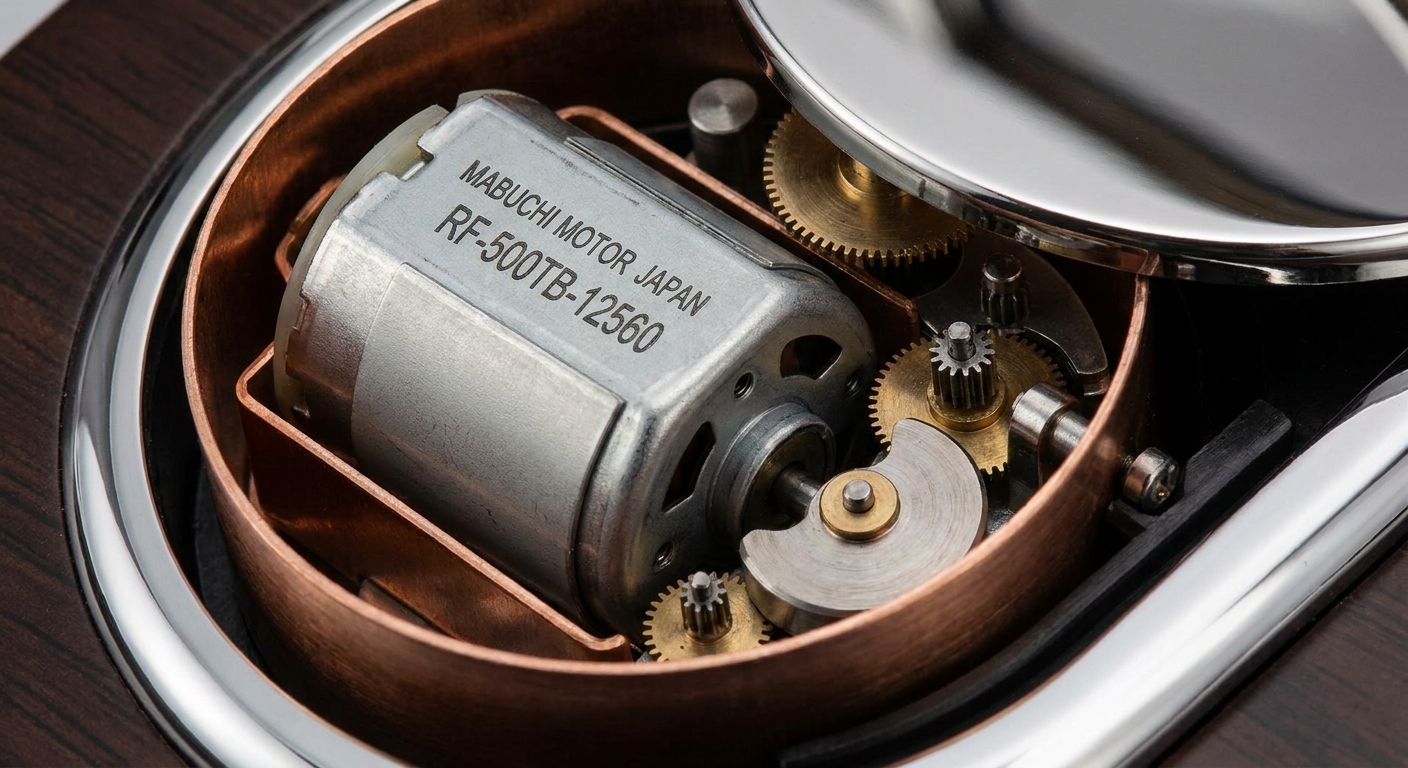
The highest quality safes utilize Japanese Mabuchi motors because they are virtually silent, durable, and shielded against magnetic interference. Selecting a home safe with watch winder with inferior motors can lead to noisy operation and potential magnetism issues. You need a mechanism that maintains the mechanical integrity of your watches without causing long-term damage to the hairspring.
Are the TPD settings adjustable?
Every automatic movement has a specific “Turns Per Day” (TPD) requirement to stay fully wound without stressing the mainspring. You know the feeling of worry when you realize a generic winder might be over-winding your delicate Patek or Rolex.
- Look for settings ranging from 600 to over 1,000 TPD.
- Ensure the rotors support clockwise, counter-clockwise, and bi-directional modes.
- Verify that each rotor can be programmed independently for different watches.
Want to know the best part? Independent programming allows you to store a vintage piece and a modern diver in the same safe with perfect settings.
Is the motor shielded from magnetism?
Magnetism is the silent killer of accuracy in mechanical timepieces, causing them to run fast or stop entirely. Here is the kicker: electric motors naturally generate magnetic fields that can ruin your watch if they aren’t properly shielded.
- Check for copper or alloy shielding around the motor housing.
- Ensure the watch is positioned a safe distance from the power source.
- Opt for motors specifically designed for high-end horological use.
Simply put, proper shielding means you won’t have to visit the watchmaker for demagnetization every few months.
Key Takeaway
Invest in high-quality, shielded motors with customizable TPD settings to preserve your watch movements for decades.
| Motor Spec | Ideal Standard | Movement Impact |
|---|---|---|
| Motor Brand | Mabuchi (Japanese) | Guarantees silent, long-term reliability. |
| TPD Control | Individual Per Rotor | Prevents mainspring over-tensioning. |
| Shielding | Anti-Magnetic Alloy | Maintains COSC-level timekeeping accuracy. |
Check your watch manufacturer’s manual for TPD requirements before finalizing your motor settings.
Does a home safe with watch winder protect your finish?
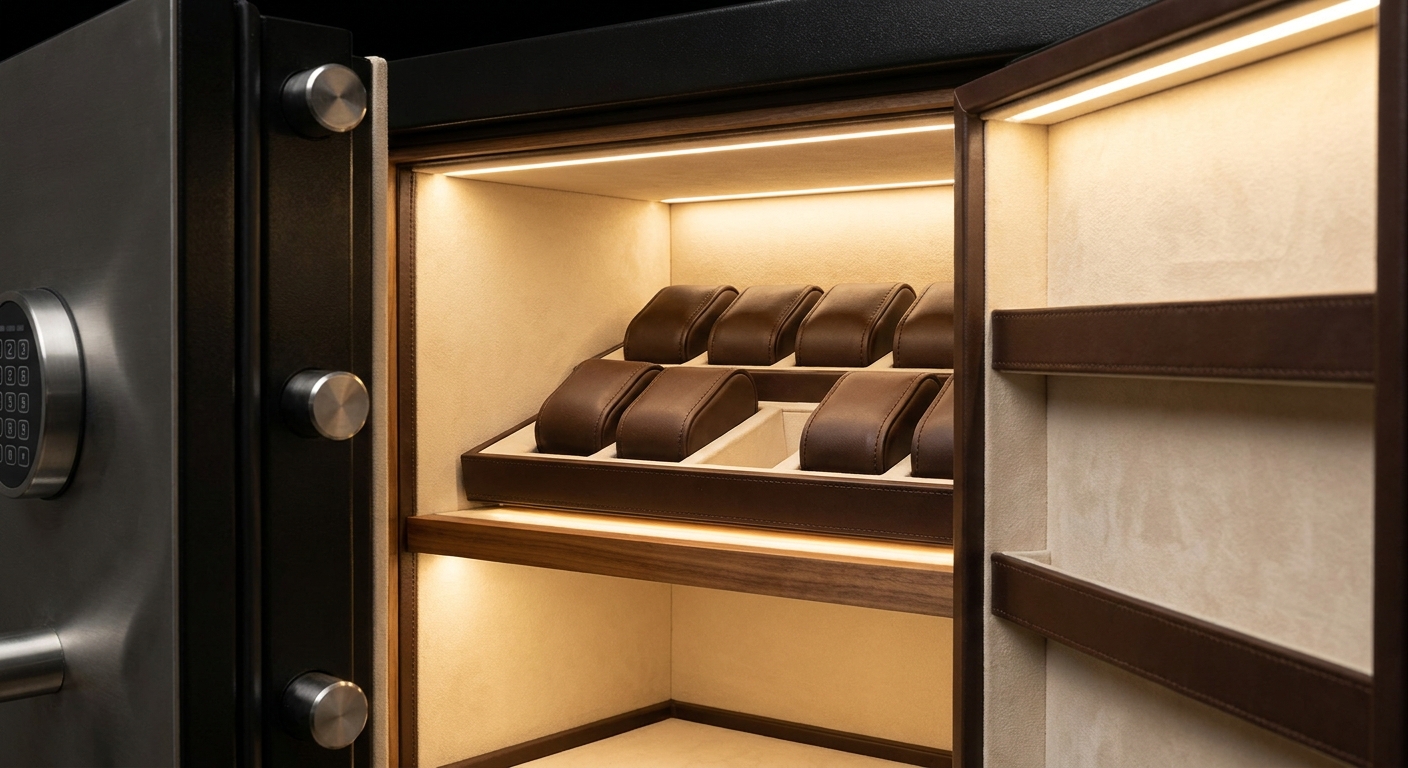
The interior of the safe must be lined with soft, non-abrasive materials like micro-suede or fine leather to prevent micro-scratches on polished cases. A home safe with watch winder should be as refined on the inside as it is rugged on the outside. You want an environment that mirrors the luxury of the timepieces it holds while providing functional protection during daily use.
Is the lining soft and non-abrasive?
The contact points between your watch and the safe are critical for maintaining a “factory fresh” look. Think about it; even a hard plastic edge or a rough fabric can leave permanent marks on gold or platinum surfaces.
- Look for premium micro-suede, velvet, or Alcantara linings.
- Ensure all drawers and shelf edges are padded.
- Avoid any exposed metal hardware inside the winding chamber.
Want to know the best part? High-end linings also help dampen the sound of the motors, making the unit even quieter.
Are the watch pillows adjustable?
Watch collectors have varying wrist sizes, and a “one-size-fits-all” pillow often fails to secure smaller or larger bracelets properly. You know the feeling of a watch flopping around on a rotor because the pillow is too small or too stiff.
- Seek out memory foam or spring-loaded pillows that adapt to size.
- Ensure the pillow clicks securely into the rotor to prevent falling.
- Verify that the pillows can accommodate heavy watches without sagging.
It gets better: adjustable pillows ensure that your leather straps aren’t stretched out while being stored for long periods.
Key Takeaway
Superior interior materials and adjustable pillows are essential for preventing physical wear and ensuring a secure fit for every watch.
| Interior Factor | Ideal Material | Protective Result |
|---|---|---|
| Chamber Lining | Micro-suede or Leather | Prevents micro-scratches on polished lugs. |
| Pillow Type | Compressible Memory Foam | Ensures a snug fit for any wrist size. |
| Rotor Attachment | Locking “Click” System | Prevents the watch from falling during rotation. |
Examine the interior finish under bright light to ensure there are no rough seams or abrasive surfaces.
Can a home safe with watch winder prevent corrosion?
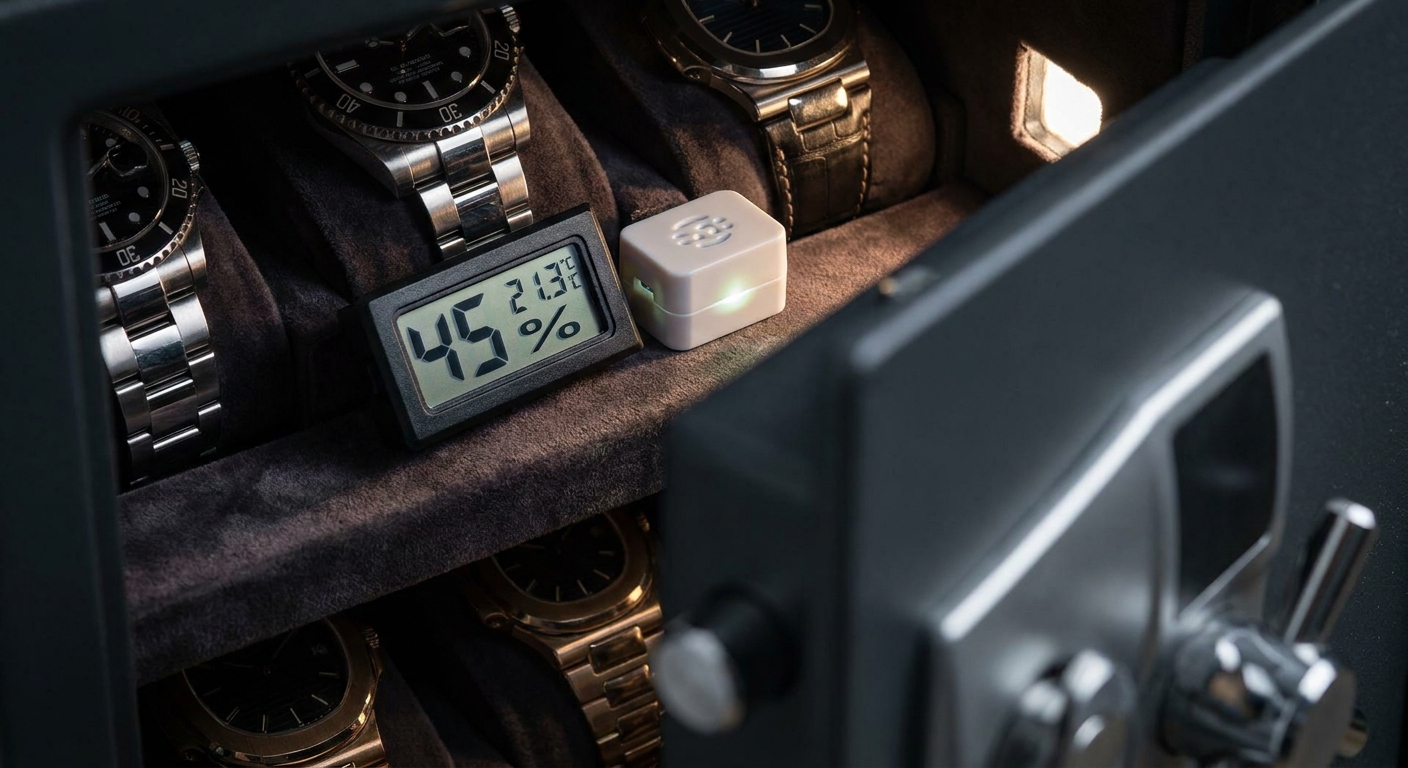
Integrated climate control features like hygrometers and airtight seals prevent humidity from causing rust or lubricant degradation. Using a home safe with watch winder allows you to maintain a stable environment that protects delicate gaskets and internal movements. You must guard against the silent damage caused by moisture, especially if you live in a coastal or humid climate.
Is there an integrated hygrometer?
A hygrometer allows you to monitor the internal moisture levels without having to open the vault door. Here is the kicker: high humidity can lead to internal fogging and the eventual breakdown of the oils that keep your watch running smoothly.
- Choose a safe with a visible digital or analog hygrometer display.
- Ensure the display is backlit for easy reading in dark closets.
- Check if the safe has a dedicated compartment for silica gel packs.
Want to know the best part? Monitoring humidity levels can alert you to a failing door seal before any damage occurs to your watches.
Can you control the internal humidity?
Active humidity control is the ultimate defense for collectors who own vintage pieces with sensitive dials or aging gaskets. Simply put, a sealed environment is only half the battle; you must actively manage the air quality inside.
- Look for safes that include rechargeable dehumidifiers.
- Ensure the safe uses medical-grade seals to keep out external air.
- Verify that the interior materials do not off-gas harmful chemicals.
Best of all, a dry environment also protects your important paper documents and leather watch straps from mold growth.
Key Takeaway
Environmental stability is just as important as physical security for the long-term health of your mechanical collection.
| Climate Feature | Target Level | Preservation Benefit |
|---|---|---|
| Humidity Goal | 45% – 50% RH | Prevents rust and lubricant thickening. |
| Door Seal | Airtight Rubber Gasket | Keeps out dust and ambient moisture. |
| Monitoring | External Digital Display | Provides peace of mind without opening door. |
Regularly check your hygrometer and replace dehumidifying agents every few months for maximum efficacy.
How does a home safe with watch winder fit your decor?
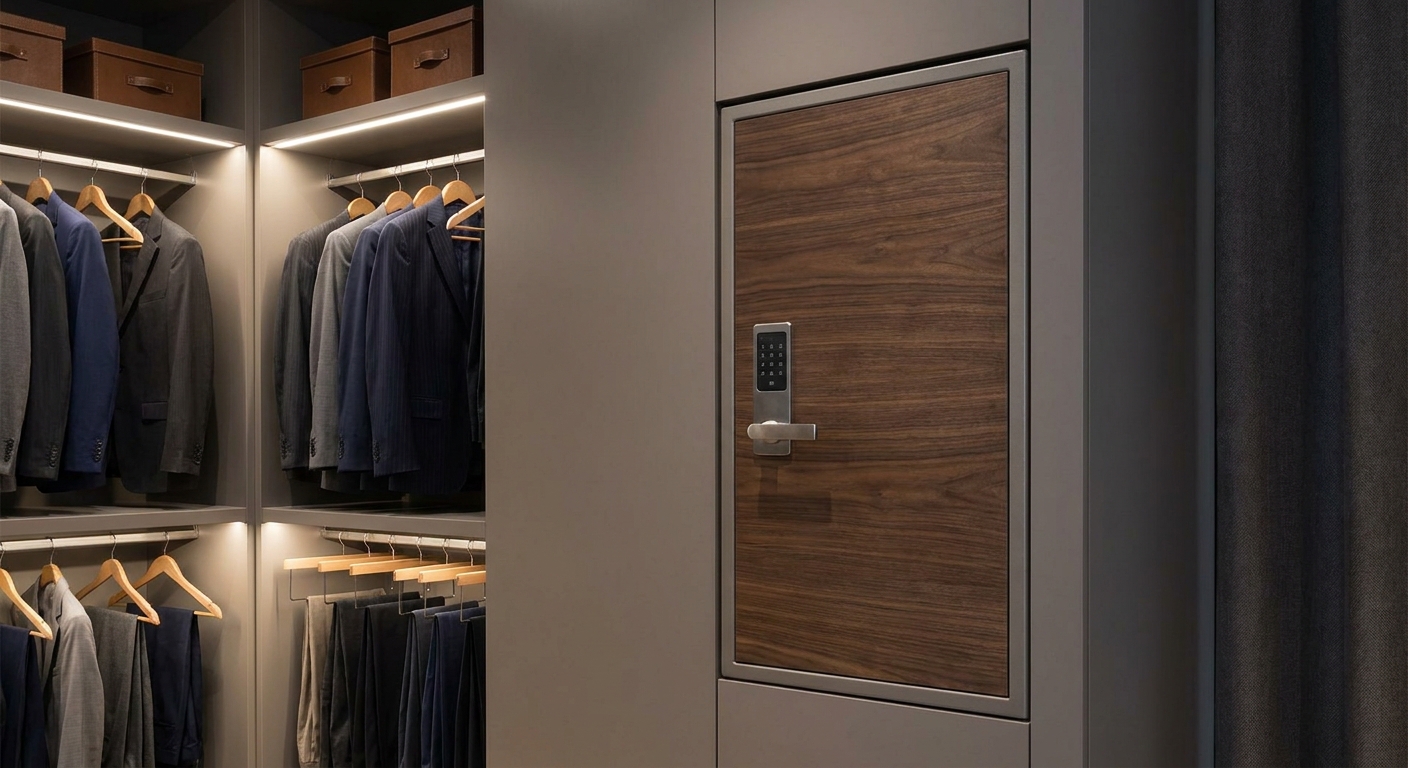
Modern security vaults offer customizable finishes like high-gloss lacquer or wood veneers to blend perfectly with your interior design. Your home safe with watch winder doesn’t have to look like a bulky industrial eyesore in your bedroom or office. You can now balance uncompromising security with a sophisticated aesthetic that enhances the visual appeal of your living space.
Are there custom exterior finishes?
The exterior of your safe should reflect your personal style and the quality of the collection stored inside. Think about it; a matte black steel box might clash with your hand-crafted mahogany office furniture.
- Options often include carbon fiber, piano black, or walnut veneers.
- Look for high-quality paint finishes that resist scratching and fading.
- Consider stainless steel accents for a more contemporary look.
Want to know the best part? Many manufacturers allow you to choose custom colors to match your specific room palette.
Can the unit be recessed into a wall?
Recessing your safe is the ultimate way to achieve a sleek, flush look while adding an extra layer of concealment. You know the feeling of satisfaction when a heavy security unit occupies zero floor space and stays hidden behind a mirror or painting.
- Check if the safe is designed with a flange for wall mounting.
- Ensure the wall depth can accommodate the safe’s back-end electronics.
- Verify that the door has a 180-degree swing for easy access in tight spaces.
It gets better: wall-recessed safes are significantly harder for thieves to remove from the premises compared to floor models.
Key Takeaway
Aesthetics should never compromise security, but a well-designed safe allows you to enjoy both without sacrifice.
| Design Element | Custom Option | Aesthetic Impact |
|---|---|---|
| Exterior Finish | High-Gloss / Wood Veneer | Blends vault into existing room furniture. |
| Mounting Style | Floor / Wall-Recessed | Optimizes space and adds concealment. |
| Interior LED | Motion-Activated | Showcases your collection with museum quality. |
Measure your available wall or floor space carefully before selecting a safe with specific exterior dimensions.
What powers a modern home safe with watch winder?
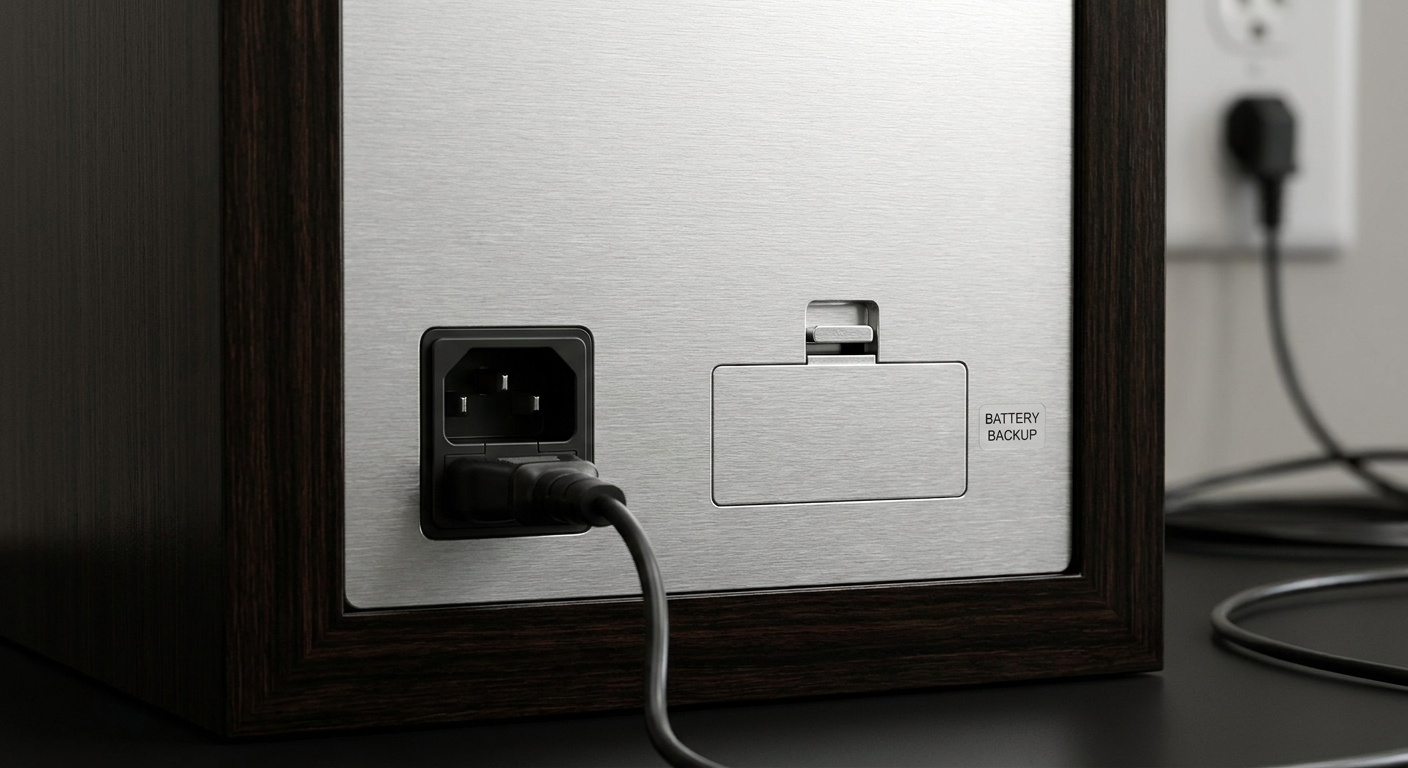
Reliable safes use a primary AC adapter with an integrated battery backup to ensure continuous winding during power outages. Choosing a home safe with watch winder with dual power sources prevents your watches from stopping if a circuit breaker trips. You need to know that your perpetual calendars and moon phase complications will remain accurate even when you are away on vacation.
Is there a primary AC power adapter?
AC power is the most convenient way to keep your rotors turning day and night without the hassle of changing batteries. Here is the kicker: some low-end safes rely solely on batteries, which can leak and damage the safe’s internal circuitry.
- Look for UL-certified power adapters with long cords.
- Ensure the power port is recessed to allow the safe to sit flush against the wall.
- Check for energy-efficient electronics that won’t overheat.
Want to know the best part? Constant AC power allows for additional features like internal LED lighting and digital displays.
Does it include a battery backup?
A battery backup is your insurance policy against blackouts or accidental unplugging. Simply put, if your power goes out while you are traveling, your watch winders should continue to function for several days or weeks.
- Look for a dedicated battery compartment that is easy to access.
- Ensure the safe automatically switches to battery mode when AC fails.
- Check if the safe provides a “low battery” warning light or sound.
Best of all, high-quality backup systems can power the electronic lock as well, ensuring you’re never locked out during a blackout.
Key Takeaway
Dual power sources are a hallmark of a professional-grade safe, providing both convenience and reliability for your collection.
| Power Feature | Best Practice | Operational Benefit |
|---|---|---|
| Main Source | AC Wall Adapter | Provides unlimited run-time for all features. |
| Backup Source | Alkaline/Lithium Batteries | Keeps rotors turning during power outages. |
| Switch System | Automatic Failover | Ensures zero interruption in winding cycles. |
Test your battery backup every six months to ensure the cells are fresh and ready for an emergency.
Can a home safe with watch winder survive a fire?
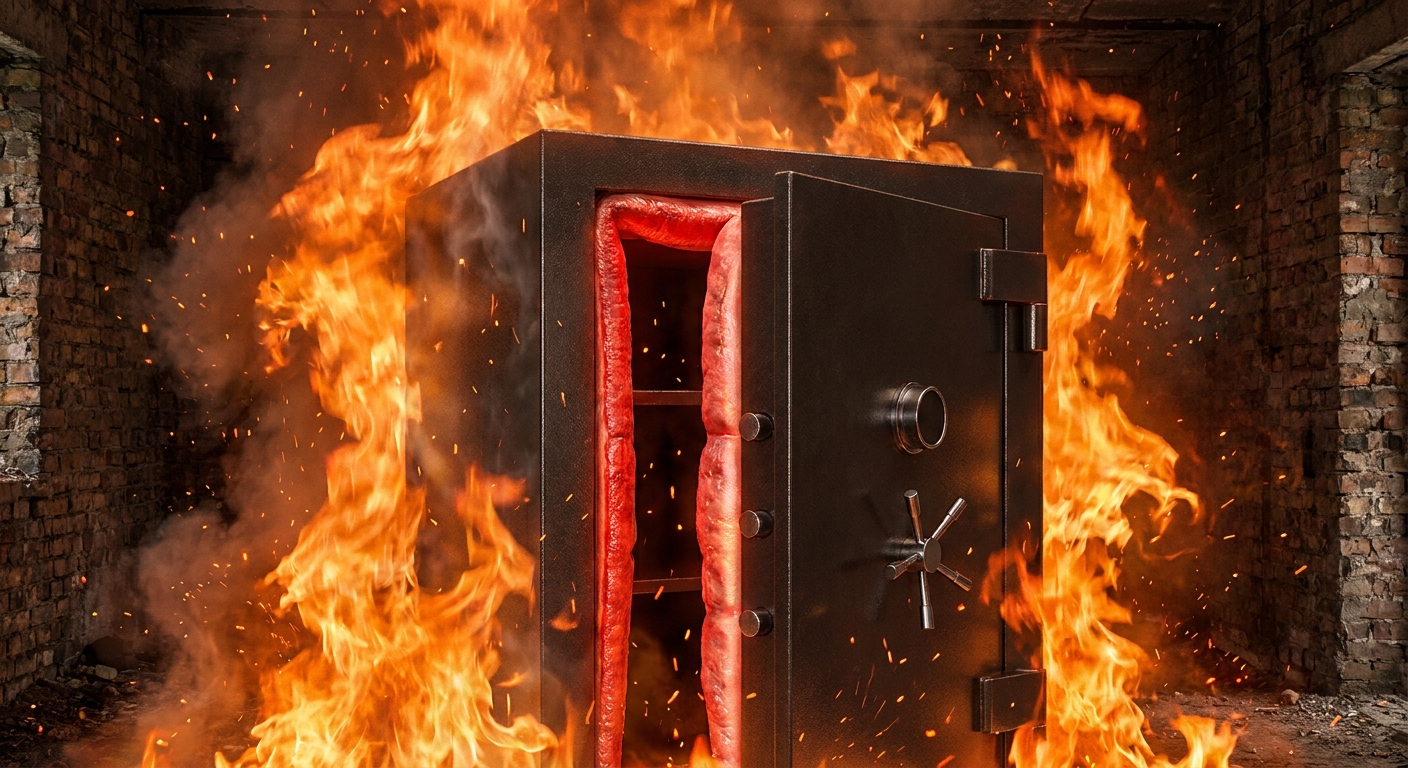
Fire-resistant safes utilize specialized insulation and heat-reactive door seals to protect your watches from extreme thermal events. Theft isn’t the only threat to your watches; a home safe with watch winder must also guard against the devastating heat of a structural fire. You need a vault that can maintain a safe internal temperature even when the exterior is engulfed in flames.
What is the hourly fire rating?
Fire ratings tell you exactly how long the safe can withstand intense heat before the internal temperature becomes dangerous. Think about it; mechanical watches can be permanently damaged if the internal oils boil or the gaskets melt.
- Seek a minimum rating of 30 to 60 minutes at 1,700°F.
- Look for independent certifications like UL or ETL.
- Ensure the rating covers both the safe body and the door.
Want to know the best part? Fireproof safes often include extra layers of heavy composite material, which also improves theft resistance.
Are there heat-reactive door seals?
A heat-reactive seal, or “Palusol” seal, expands when exposed to high temperatures to completely block out smoke and heat. Here is the kicker: without this seal, hot gases can leak through the door gaps and destroy your watches even if the safe body survives.
- Verify the safe has a multi-layered door seal system.
- Ensure the seal is designed to expand up to 7 times its original size.
- Check that the seal also protects against water from fire hoses.
Simply put, a high-quality fire seal creates an airtight cocoon that keeps your timepieces cool and dry during a disaster.
Key Takeaway
Do not overlook fire protection; a high-quality rating ensures your legacy timepieces survive more than just a burglary.
| Fire Spec | Recommended Level | Protection Scope |
|---|---|---|
| Time Rating | 60 Minutes | Covers average house fire duration. |
| Max Int. Temp | Below 350°F | Prevents watch lubricants from evaporating. |
| Door Seal | Heat-Activated Intumescent | Blocks smoke, hot air, and fire-hose water. |
Verify that your safe’s fire rating is certified for “Class 350” to ensure your delicate documents and watches are safe.
Is biometric entry best for a home safe with watch winder?
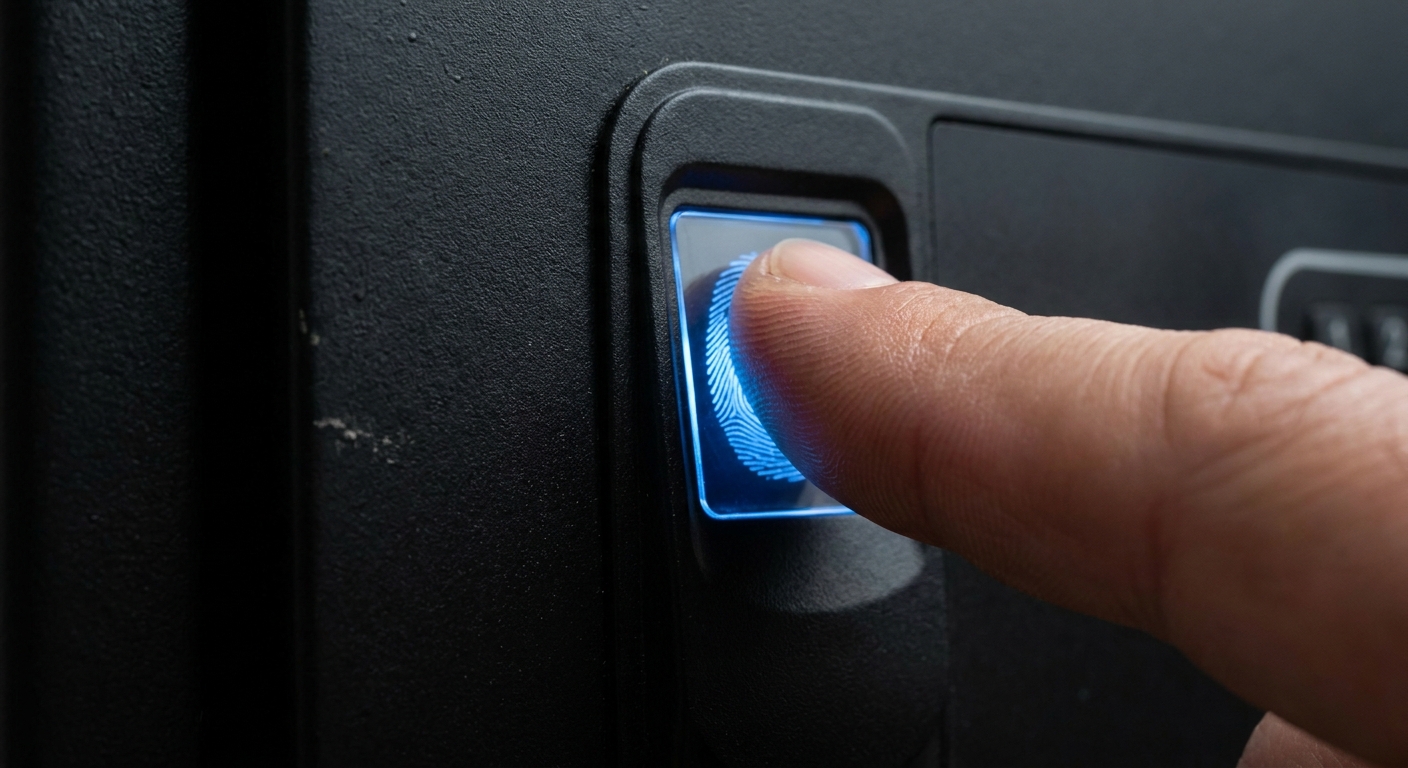
Biometric fingerprint scanners offer the fastest and most secure access, allowing you to reach your collection in seconds without remembering a code. When selecting a home safe with watch winder, you should prioritize a locking system that balances convenience with high-tech encryption. You want the ability to swap your timepiece quickly in the morning while knowing that unauthorized users are strictly blocked.
Is the fingerprint scanner encrypted?
Not all biometric locks are created equal; high-end systems use advanced algorithms to prevent “spoofing” or hacking. You know the feeling of security that comes from knowing only your unique biological signature can trigger the locking bolts.
- Look for 360-degree scanners that read your print from any angle.
- Ensure the system can store at least 20 different fingerprints.
- Check for anti-theft lockout features after multiple failed attempts.
Want to know the best part? Biometric entry eliminates the risk of someone finding a hidden key or guessing a simple four-digit pin.
Is there a manual override key?
Even the best electronics can fail due to dead batteries or internal errors, making a physical backup essential. Here is the kicker: you never want to be in a situation where you have to use a blowtorch to get into your own safe.
- Ensure the safe comes with two high-security “skeleton” or dimple keys.
- Check that the keyhole is hidden behind a discreet panel.
- Verify that the manual key functions independently of the electronic system.
Simply put, a manual override key provides a “fail-safe” that ensures you always have access to your assets.
Key Takeaway
Biometric locks provide unmatched speed, but a physical key backup is a critical safety feature for every luxury owner.
| Entry Method | Benefit | Best For |
|---|---|---|
| Fingerprint | 1-second access | Daily watch rotation and convenience. |
| Digital Keypad | Shared access | Multiple family members or backup use. |
| Manual Key | Emergency access | Electronics failure or dead batteries. |
Register multiple fingers on the scanner to ensure you can open the safe even if one finger is injured or dirty.
Will a home safe with watch winder lower premiums?
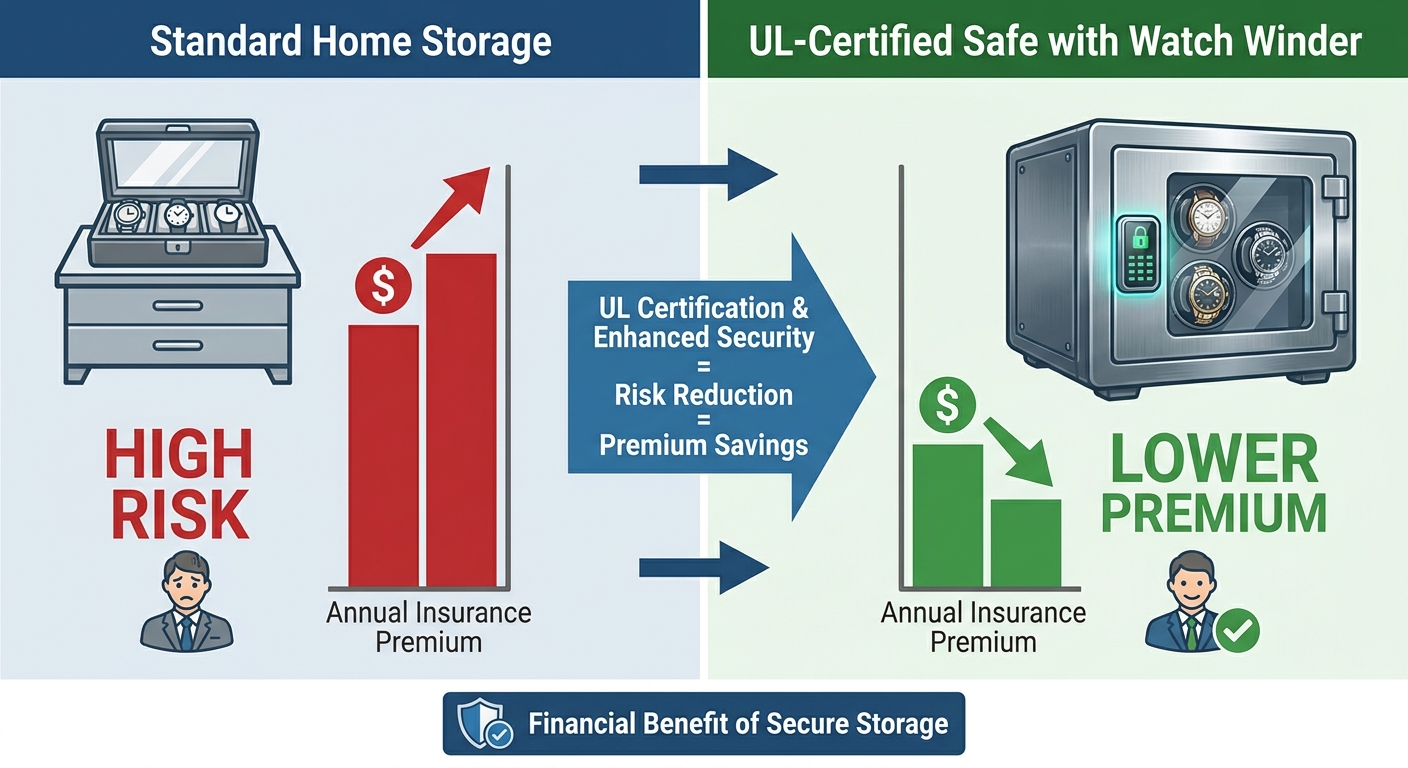
Using a UL-certified safe often qualifies you for significantly lower insurance premiums on high-value jewelry and watch riders. A home safe with watch winder proves to your insurance company that you are proactively mitigating the risk of theft and fire. You can often recover the cost of the safe through several years of reduced insurance costs, making the vault a self-funding investment.
Does the safe meet UL standards?
Underwriters Laboratories (UL) is the gold standard for testing the burglary resistance of residential and commercial safes. Think about it; an insurance adjuster will prioritize a safe with a “RSC” (Residential Security Container) rating over an unrated box.
- Look for the UL sticker on the inside of the safe door.
- Check for specific ratings like RSC-Level 1 or Level 2.
- Verify the safe has been tested against common burglary tools.
Want to know the best part? A UL rating acts as a universal language that any insurance company in the world will understand and reward.
Does it qualify for jewelry riders?
Most standard homeowners’ policies have very low limits for jewelry and watches, often capping at $1,500 to $2,500 total. You know the feeling of shock when you realize your $20,000 GMT-Master II is barely covered by your basic policy.
- Ask your agent about “scheduled” personal property riders.
- Mention the safe’s fire and theft ratings to negotiate a lower rate.
- Ensure the safe is bolted to the floor to meet maximum security requirements.
It gets better: some insurers will increase your coverage limits immediately once a certified safe is professionally installed.
Key Takeaway
A certified safe is a financial asset that pays for itself through risk reduction and insurance savings.
| Insurance Step | Required Documentation | Financial Impact |
|---|---|---|
| Proof of Rating | Photo of UL/ETL Certification | Up to 20% discount on riders. |
| Proof of Install | Receipt from professional installer | Increases total coverage limits. |
| Item Scheduling | Appraisal and serial numbers | Guarantees full replacement value. |
Contact your insurance agent before buying to see which specific safe ratings provide the highest premium discounts.
Frequently Asked Questions
Can I store other valuables besides watches in the safe?
Absolutely. Most high-end safes include additional drawers and velvet-lined shelving designed specifically for jewelry, legal documents, cash, and passports.
What’s the best TPD setting for a luxury automatic watch?
Most modern luxury watches require between 650 and 900 Turns Per Day (TPD), but you should always check your specific movement’s technical manual for the exact manufacturer recommendation.
Is it possible to bolt the safe to the floor?
Yes, professional-grade safes come with pre-drilled anchoring holes and heavy-duty expansion bolts to ensure the entire unit cannot be physically removed from your home.
How often should I replace the backup batteries?
It is highly recommended to replace the internal backup batteries every 12 to 24 months to ensure the electronic lock and winding rotors never lose power during an emergency.
Why does my watch need a winder if I’m not wearing it?
Winders keep internal lubricants flowing and ensure that complex complications like perpetual calendars or moon phases remain accurate, saving you the time and hassle of manual resetting.
Conclusion
Selecting a vault for your horological treasures is a strategic decision that balances fine engineering, aesthetic luxury, and uncompromising defense. By focusing on these seven key factors, you ensure that your timepieces are not only protected from external threats like theft and fire but are also maintained in peak mechanical condition for the next generation. At Jimbo, we are dedicated to providing the highest level of security for your most valuable assets. Ready to secure your legacy? Explore our full range of bespoke security solutions or contact us today for a personalized security consultation.

