

Yes, utilizing a watch winder significantly enhances the longevity of automatic timepieces by maintaining constant lubrication and preventing mechanical stagnation. You know the feeling of dread when you reach for your favorite Rolex only to find it completely dead and out of sync. It is not just the inconvenience of resetting the time; it is the realization that your multi-thousand-dollar investment is sitting idle, its internal oils potentially settling or drying out.
The agitation grows when you consider the steep repair bills or the risk of stripping the crown threads during manual winding. This repeated stress on the movement can lead to premature service intervals that cost a fortune. Fortunately, a safe with watch winder provides the ultimate solution, merging high-level security with the precise mechanical maintenance your collection deserves.
How does a safe with watch winder mimic wrist motion?
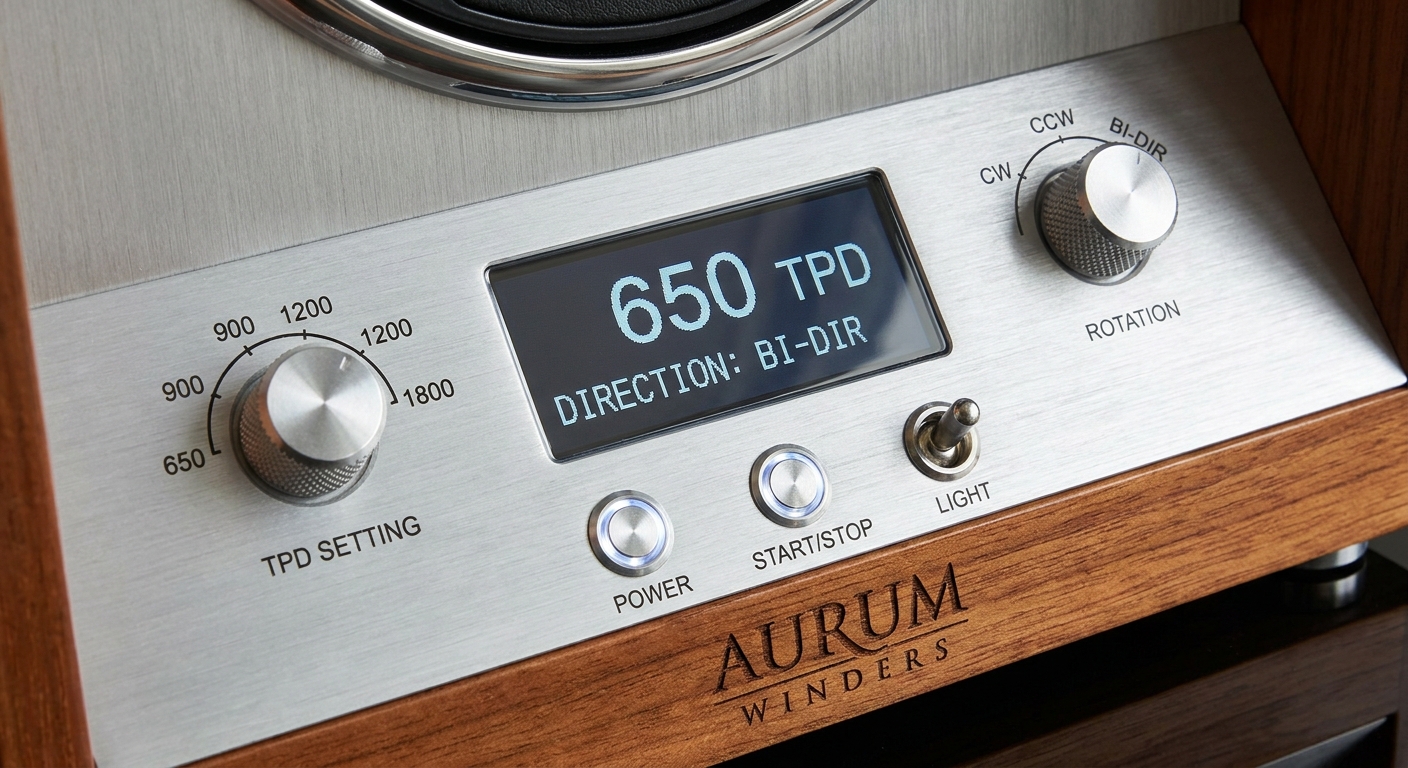
A safe with watch winder uses a motorized rotor to simulate the kinetic energy your arm produces throughout the day. This motion ensures the mainspring stays at an optimal tension without the need for manual intervention. By mimicking a natural wearing rhythm, the device keeps the heartbeat of your watch consistent and healthy.
Understanding the energy transfer
The winder engages the internal rotor of your watch, which in turn winds the mainspring to store energy. This mechanical transfer is designed to be gentle and rhythmic rather than aggressive.
But wait, there is more:
- Consistent energy levels prevent “low-power” timing errors.
- Smooth rotation avoids jarring the escapement.
- Programmed rests ensure the spring is not under permanent max stress.
Key Takeaway: Simulating natural motion is the most effective way to keep an automatic movement healthy during periods of non-wear.
| Component | Function in Motion |
|---|---|
| Mainspring | Stores power via rotor rotation |
| Escapement | Regulates energy release |
| Rotor | Spins to engage winding gears |
The mechanical synergy created by simulated motion prevents the movement from “freezing” due to inactivity.
Can a safe with watch winder stop oil from drying?
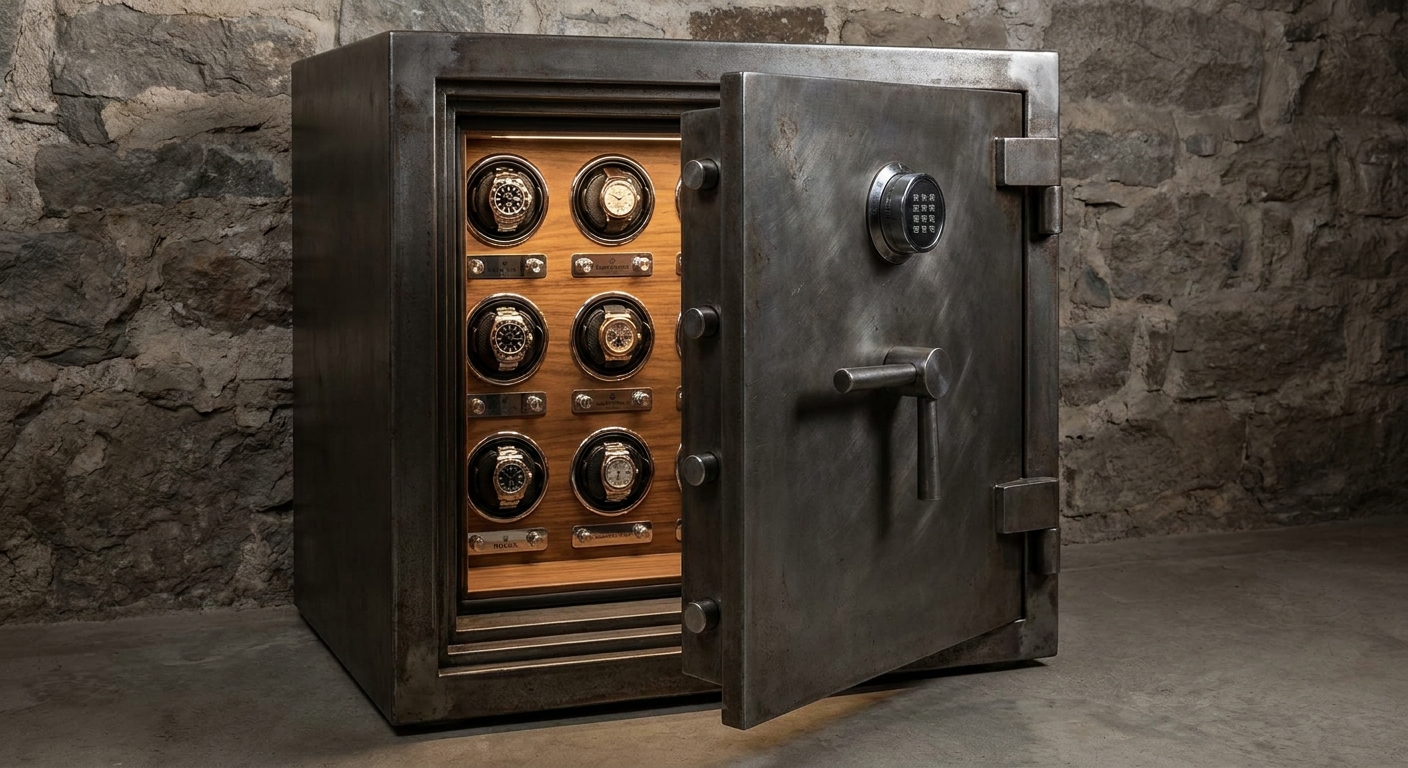
Consistent movement within a safe with watch winder keeps specialized synthetic lubricants distributed across all friction points. When a watch sits idle for months, these oils can migrate away from critical jewels and pivots. This leads to increased friction when you eventually start the watch again.
The role of modern lubricants
Modern watch oils are designed to stay fluid, but they still benefit from active circulation. Maintaining a steady state of motion ensures these lubricants don’t pool in one area of the movement.
Here is the kicker:
- Idle watches suffer from “cold start” friction.
- Winder-kept watches maintain a film of oil on every gear.
- Distributed lubrication extends the time between overhauls.
Key Takeaway: Keeping the internal oils active is a primary defense against the mechanical wear that occurs during the first few seconds of startup.
| Lubrication Status | Impact on Movement |
|---|---|
| Active (Wound) | Low friction, smooth gear engagement |
| Stagnant (Idle) | Potential oil migration, higher startup wear |
Regular circulation is the best way to ensure that your watch components remain properly coated and protected.
Why use a safe with watch winder for daily health?
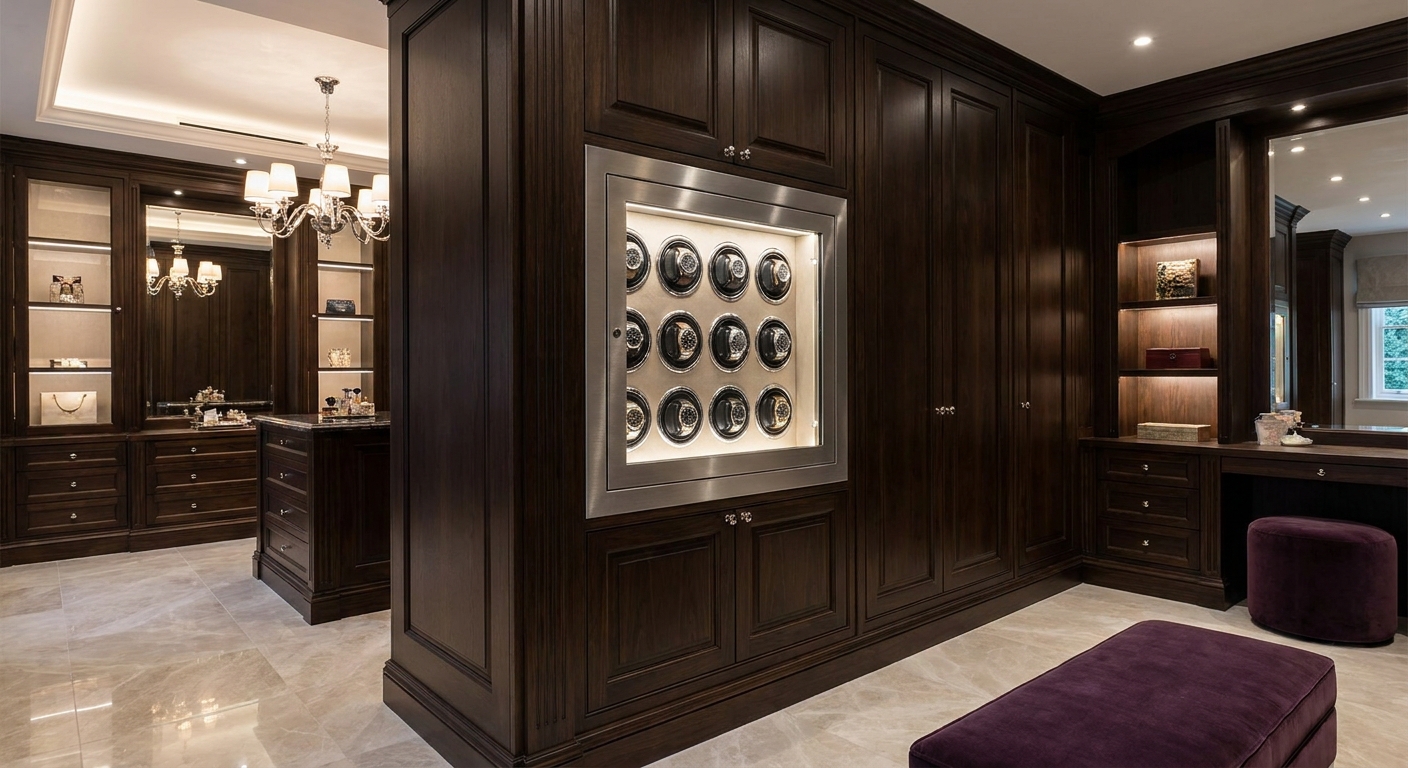
Maintaining the internal systems of your timepiece in a safe with watch winder ensures the balance spring and escapement remain in top condition. Mechanical watches are designed to run, and keeping them active prevents the “stiffening” of moving parts. This proactive care keeps the mechanical integrity of the watch intact for decades.
Keeping internal systems active
An active watch is a healthy watch, as the constant oscillation of the balance wheel prevents the buildup of microscopic debris. It also ensures that the calendar wheels and other complications move through their cycles naturally.
Think about it:
- Complex gears stay synchronized without manual force.
- The hairspring maintains its shape and elasticity.
- Dust and particles are less likely to settle on moving gears.
Key Takeaway: Mechanical systems thrive on consistency, and a winder provides the steady state required for peak performance.
| System | Benefit of Continuous Run |
|---|---|
| Balance Wheel | Maintains consistent amplitude |
| Calendar | Avoids manual “quick-set” stress |
| Power Train | Distributes torque evenly |
Continuous operation within specified parameters is the key to preventing mechanical degradation in luxury watches.
Does a safe with watch winder reduce crown damage?
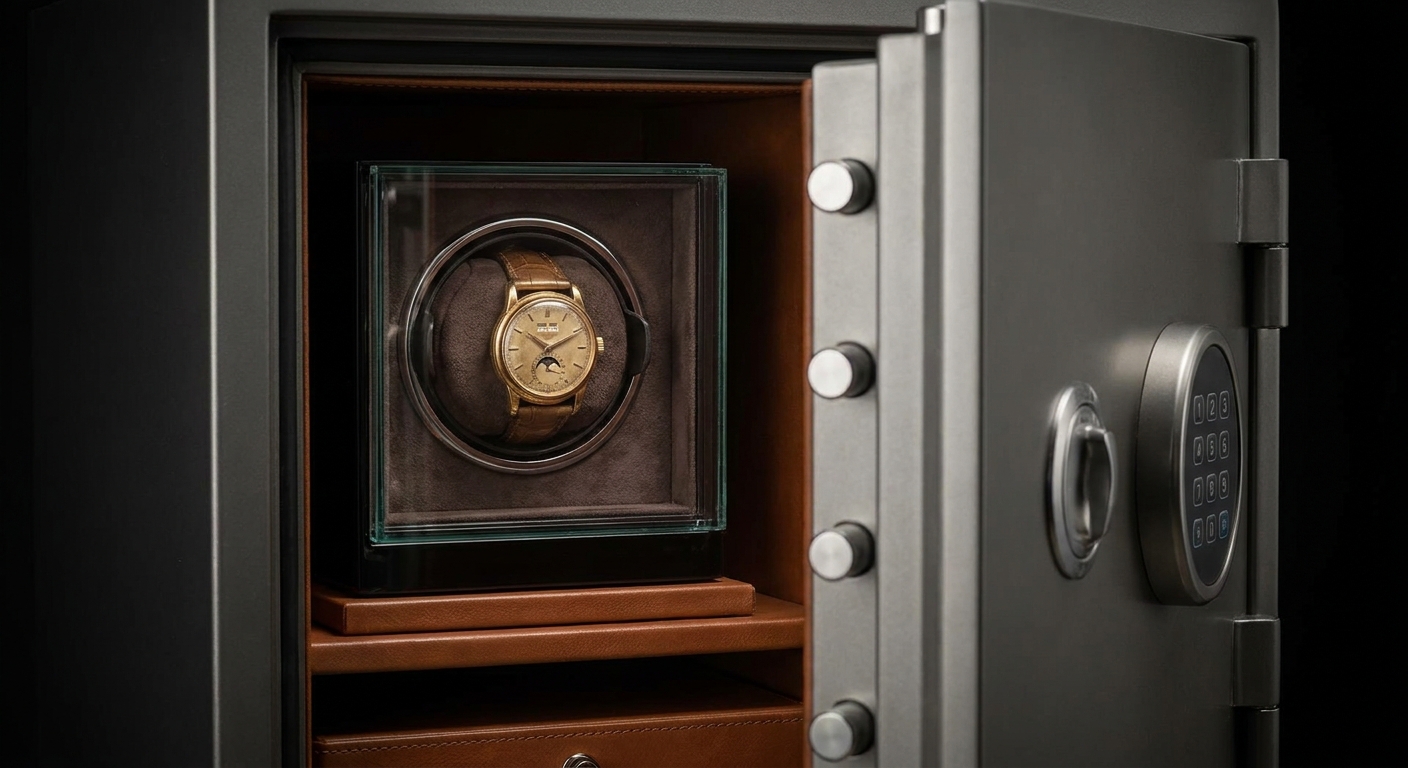
You will find that using a safe with watch winder drastically reduces the number of times you must interact with the delicate crown. The crown is one of the most common points of failure in luxury watches due to cross-threading or gasket wear. By keeping the watch wound and on time, you rarely need to pull the stem.
Protecting the crown and gaskets
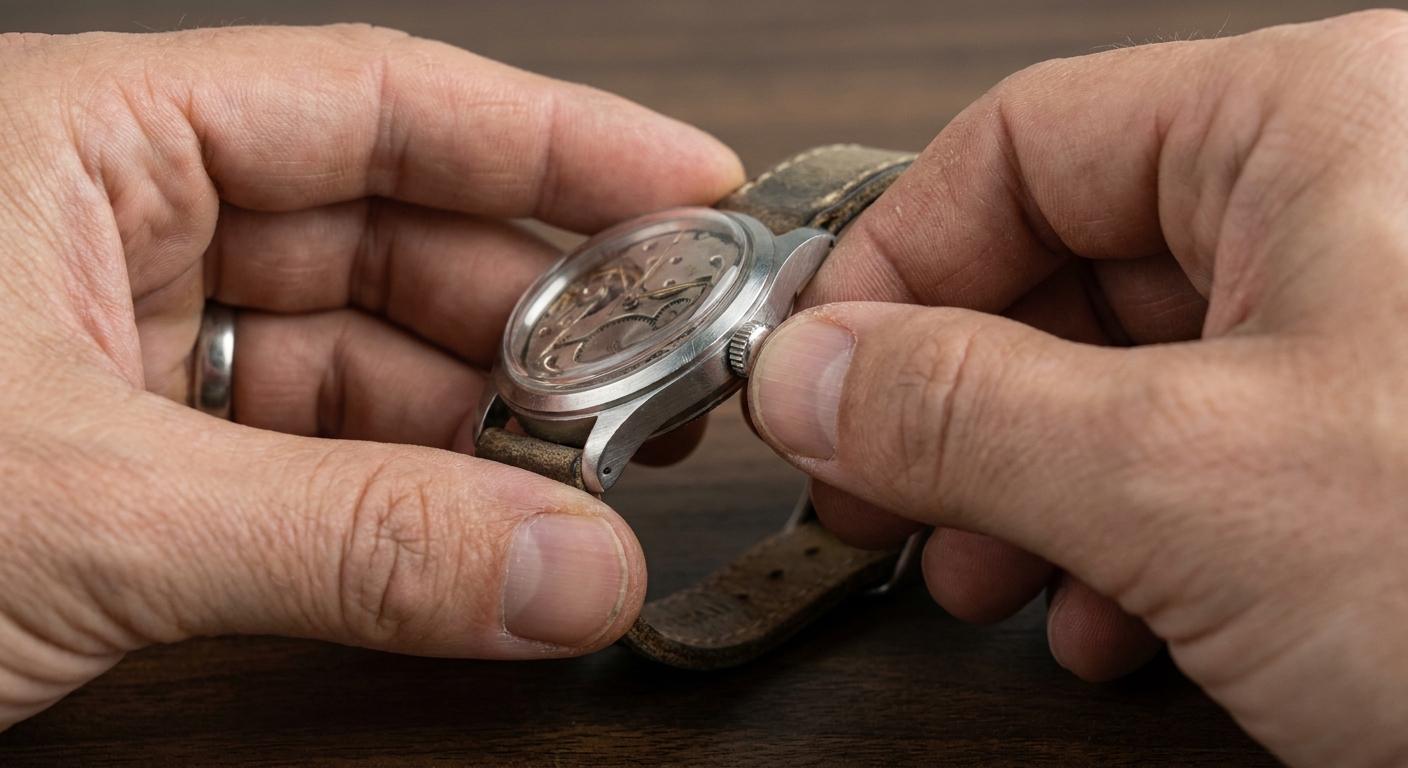
Every time you unscrew a crown to set the time, you risk damaging the threads or the waterproof seals. This is especially true for vintage pieces where replacement parts are hard to find.
Keep this in mind:
- Screw-down crowns have a finite number of safe cycles.
- Gaskets stay compressed and sealed when the crown is left alone.
- Stem alignment is preserved by avoiding frequent manipulation.
Key Takeaway: Reducing manual adjustments is one of the most practical ways to preserve a watch’s water resistance and structural integrity.
| Potential Damage | Cause | Winder Solution |
|---|---|---|
| Stripped Threads | Frequent manual winding | Watch stays wound automatically |
| Gasket Failure | Repeated crown pulling | Minimizes seal manipulation |
Protecting the external interface of the watch is just as important as maintaining the internal movement.
Is a safe with watch winder better for environmental protection?
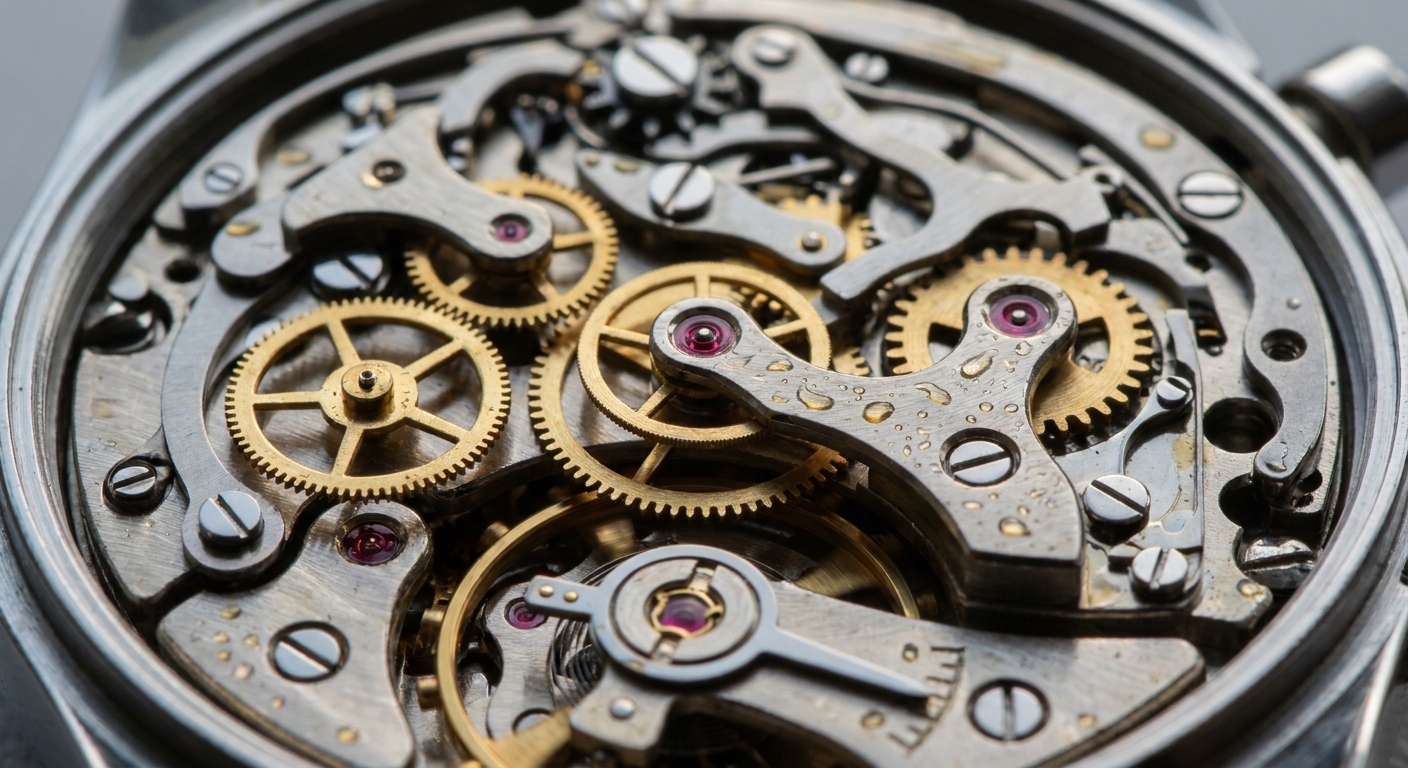
Storing your collection in a safe with watch winder shields the delicate movements from harmful environmental factors like dust and humidity. Moisture is the silent killer of mechanical watches, leading to rust on steel components. A sealed safe provides a controlled atmosphere that keeps your timepieces in a pristine “showroom” state.
Shielding from dust and humidity
Dust particles can enter even the most well-sealed watches during crown adjustments or if left on a nightstand. A safe environment ensures that nothing interferes with the microscopic tolerances of the gears.
But wait, there is more:
- Stable temperatures prevent oil viscosity changes.
- Humidity control stops dial corrosion and oxidation.
- A dark environment prevents fading of the dial or lume.
Key Takeaway: Environmental stability is the final piece of the puzzle in ensuring a watch movement lasts for generations.
| Factor | Risk to Watch | Safe Benefit |
|---|---|---|
| Humidity | Rust and corrosion | Airtight, dry storage |
| Dust | Mechanical blockage | Sealed barrier |
A safe provides a micro-climate that is far superior to any open-air storage method.
Will a safe with watch winder overwind your movement?
A high-quality safe with watch winder features programmed sleep cycles to ensure your movement is never stressed by overwinding. Modern automatic watches are equipped with a slip-clutch mechanism that prevents the mainspring from snapping. However, constant rotation without rest can still cause unnecessary wear on that clutch.
How sleep cycles protect the spring
The best winders turn for a set period and then pause for several hours. This allows the mainspring to partially unwind, mimicking the natural depletion that happens when you take a watch off at night.
Here is the kicker:
- Sleep cycles reduce the total time gears are under tension.
- Modern winders are customizable to your specific caliber.
- Intermittent movement prevents motor fatigue and heat.
Key Takeaway: Rest periods are just as important as movement cycles for the long-term health of the mainspring.
| Winding Mode | Stress Level | Longevity Impact |
|---|---|---|
| Constant Rotation | High (Continuous) | Possible clutch wear |
| Programmed Sleep | Low (Natural) | Optimal spring health |
Selecting a winder with intelligent programming ensures your watch stays powered without being overworked.
Can a safe with watch winder improve timekeeping accuracy?
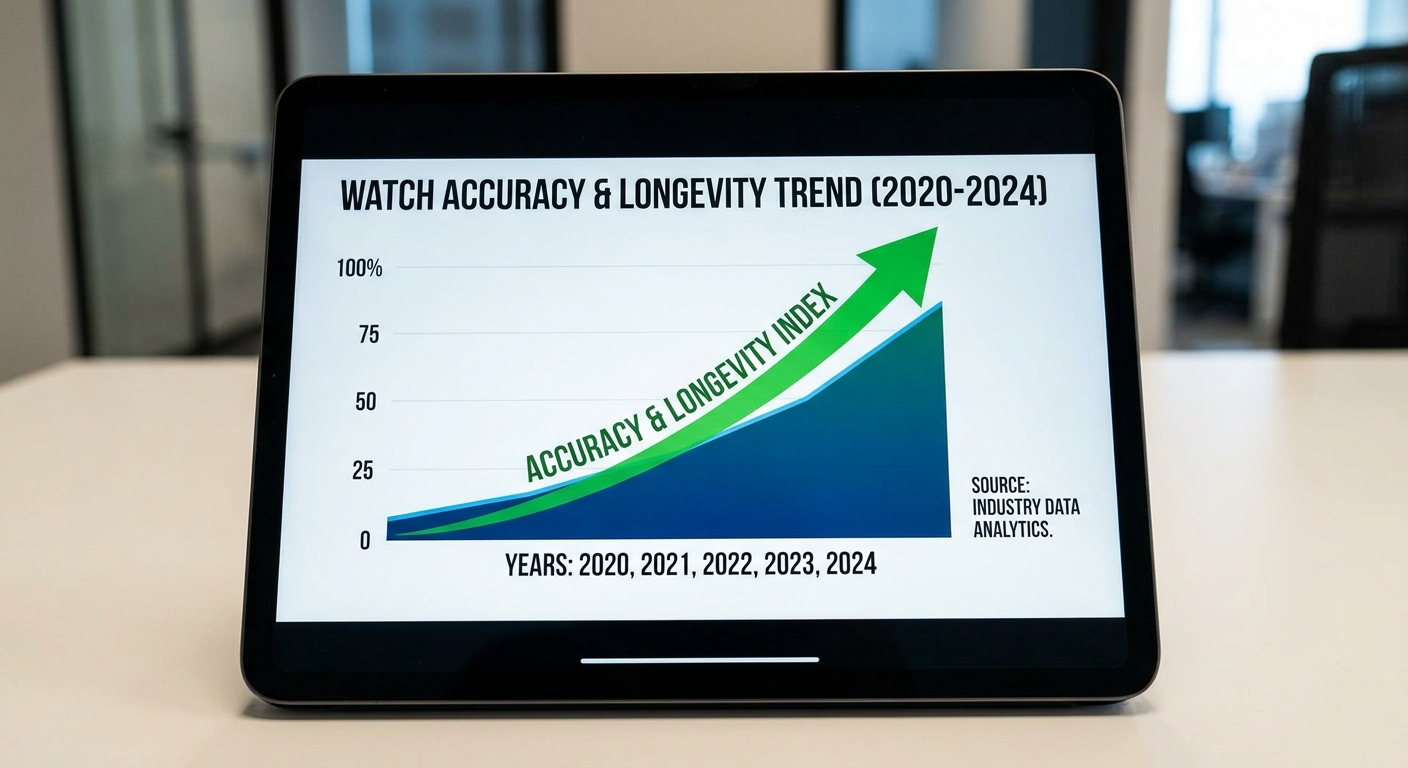
Maintaining your timepiece in a safe with watch winder helps it stay within its COSC or manufacturer accuracy tolerances. When a watch’s power reserve drops to very low levels, the amplitude of the balance wheel decreases, leading to timekeeping errors. By keeping the energy levels consistent, you ensure the watch always performs at its peak.
Maintaining synchronization of complications
If you own a perpetual calendar or moon phase watch, you know how difficult they are to reset accurately. Keeping these complications synchronized avoids the risky “quick-set” maneuvers that can break internal levers.
Think about it:
- High amplitude results in more precise timekeeping.
- Avoids the “running slow” phase of a dying power reserve.
- Ensures you never have to force a date change manually.
Key Takeaway: Consistency in power leads directly to consistency in accuracy, making the winder a tool for precision.
| Power Reserve | Accuracy Impact | Result |
|---|---|---|
| 100% (Winder) | Optimal Amplitude | Accurate timing |
| <20% (Idle) | Reduced Amplitude | Watch runs slow |
Using a winder maintains the “sweet spot” of the movement’s energy delivery for better daily performance.
How to set a safe with watch winder for specific TPD?
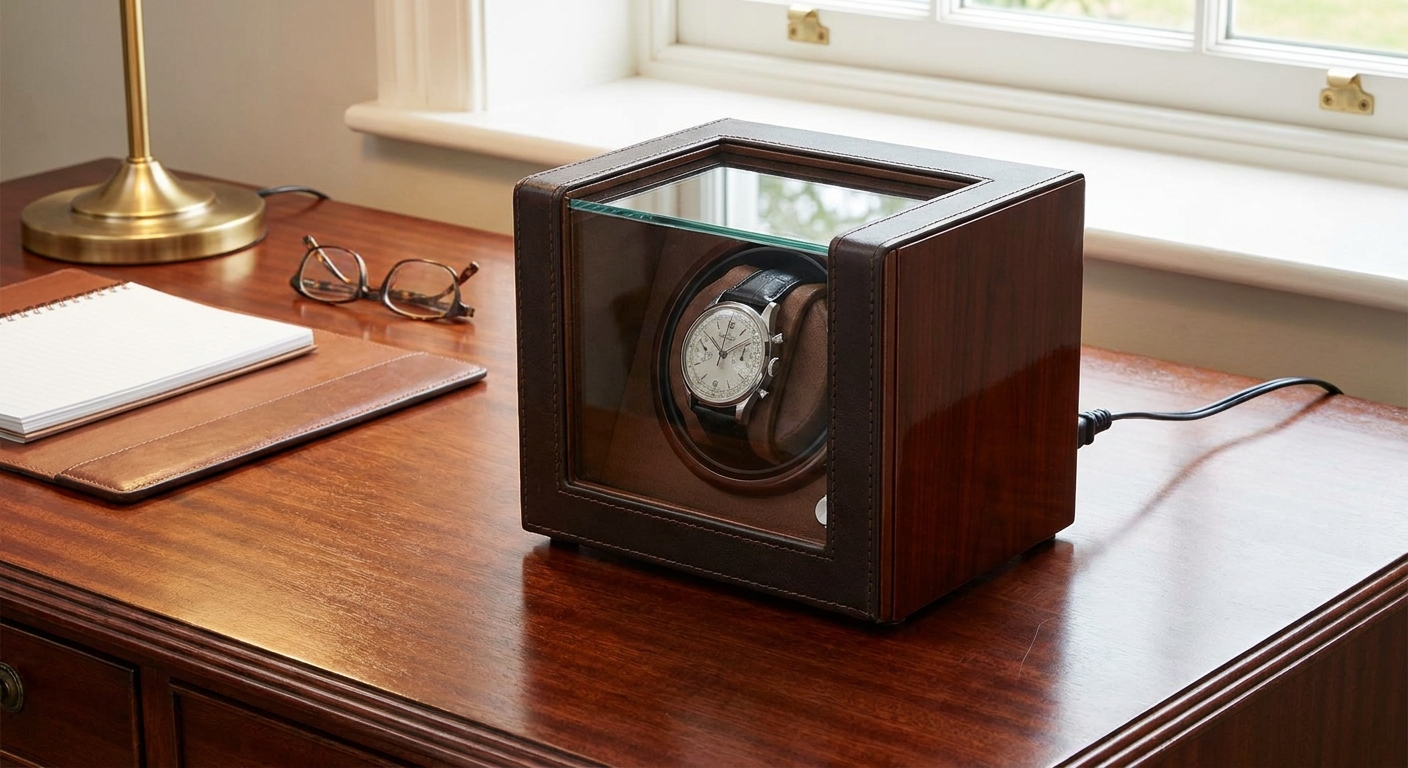
You must configure your safe with watch winder to the correct Turns Per Day (TPD) and direction for each specific watch. Some watches only wind clockwise, while others require a bi-directional setting. Using the wrong setting means your watch will simply stop, rendering the winder ineffective for maintenance.
Finding the TPD sweet spot
Most modern movements require between 650 and 900 TPD to stay fully charged. Consulting your manufacturer’s guide ensures you aren’t under-winding or over-stressing the mechanism.
Here is the kicker:
- Bi-directional watches are the most versatile for winders.
- Valjoux 7750 movements often require clockwise-only rotation.
- Setting the exact TPD prevents the slip-clutch from over-activating.
Key Takeaway: Customization is the difference between a simple storage box and a professional maintenance tool.
| Rotation Mode | Common Use | Stress Level |
|---|---|---|
| Bi-Directional | Most modern Rolex/Omega | Very Low |
| Single Direction | Specialized vintage/Valjoux | Specific |
Accurate settings ensure your watch receives exactly the amount of energy it was designed to handle.
Are watch winders safe for vintage timepieces?
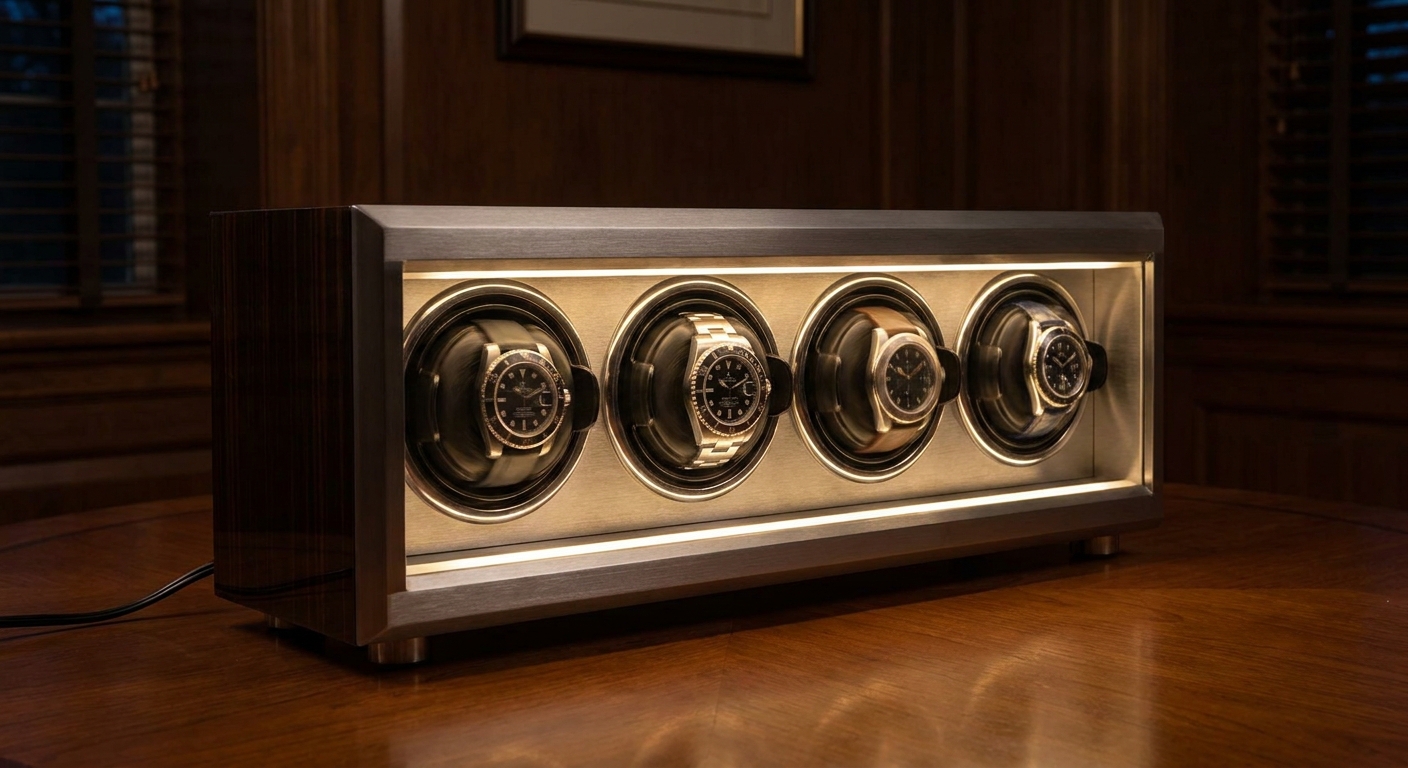
A safe with watch winder is generally safe for vintage watches if it offers low TPD settings and gentle movement. Vintage movements often have softer metals and older gaskets that can be sensitive to aggressive winding. However, keeping them running occasionally is better than letting them sit until the oils solidify.
Special considerations for aging components
Older watches may not have the robust slip-clutch mechanisms found in modern timepieces. It is crucial to use a “gentle” setting that provides just enough turns to maintain the power reserve.
Keep this in mind:
- Older organic oils are more prone to gumming up than synthetics.
- Gentle movement prevents pivots from seizing.
- Long rest periods reduce wear on the brass winding gears.
Key Takeaway: With the right settings, a winder is a vintage watch’s best friend, keeping history alive and ticking.
| Watch Era | Lubricant Type | Winder Strategy |
|---|---|---|
| Vintage (Pre-1970) | Organic/Mix | Low TPD, long rests |
| Modern (Post-1990) | Synthetic | Standard TPD |
Managed motion is far safer for a vintage movement than the high-torque stress of a manual “cold” wind.
Does a safe with watch winder protect your investment?
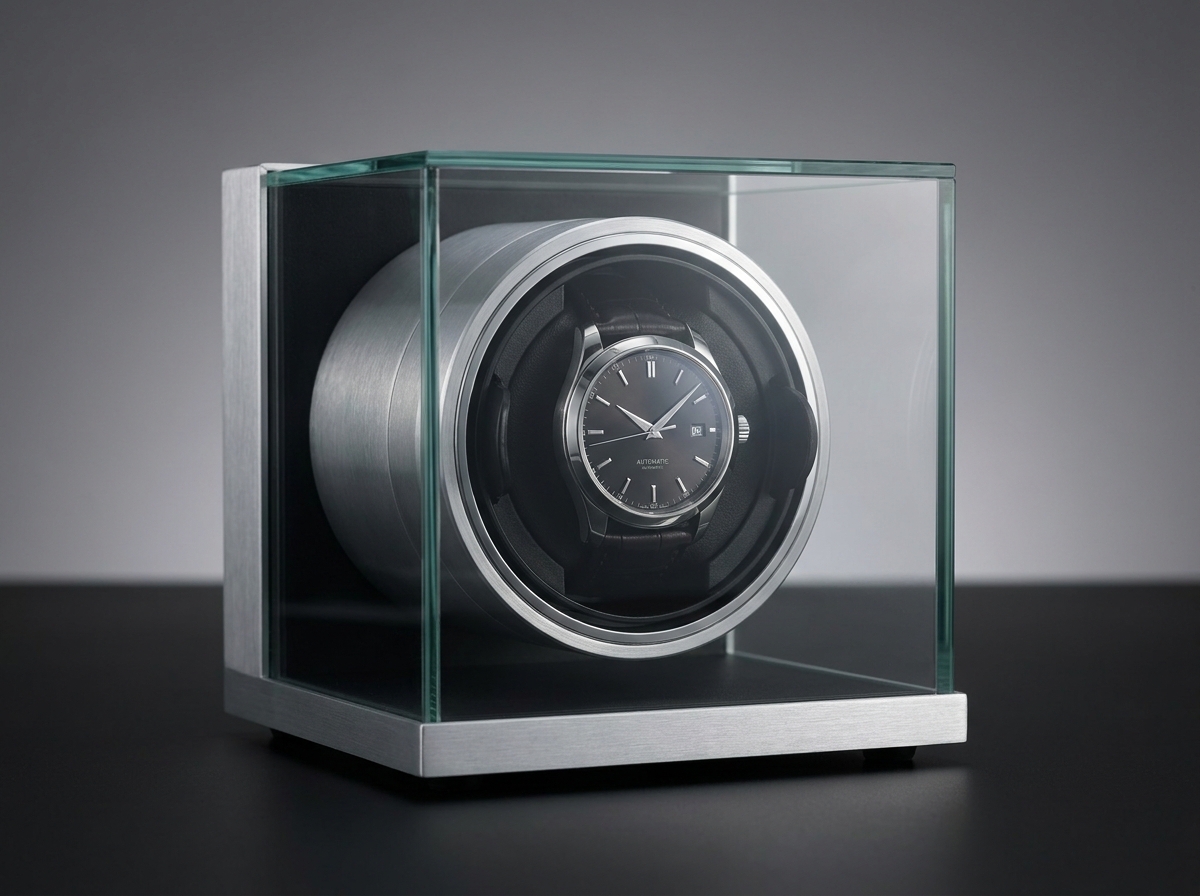
A safe with watch winder protects the long-term resale value of your collection by extending service intervals. A well-maintained watch with a documented history of proper storage and care commands a higher price on the secondary market. Buyers look for “ready-to-wear” condition, which a winder provides effortlessly.
Extending professional service intervals
By reducing friction and mechanical stress, a winder can potentially add years to the time between expensive professional overhauls. This directly translates to thousands of dollars saved over the life of the watch.
But wait, there is more:
- Pristine dials and cases stay protected from accidental damage.
- The movement stays “fresh” and ready for immediate appraisal.
- Security from theft ensures your investment doesn’t disappear overnight.
Key Takeaway: Maintenance is not a cost; it is a value-preservation strategy for any serious horological investor.
| Investment Factor | Impact of Winder Safe |
|---|---|
| Mechanical Health | Reduced repair costs |
| Aesthetic State | No dust or scratches |
| Security | Protection from theft/loss |
Investing in a high-end winder safe is the smartest move a collector can make to ensure their assets grow in value.
*
A safe with watch winder is the ultimate guardian for your luxury timepieces, solving the dual problems of mechanical stagnation and physical security. By keeping your watches wound, lubricated, and shielded from environmental hazards, you ensure they remain in peak condition for a lifetime. Do not leave your collection’s health to chance—invest in the protection it deserves.
To discover how our customized security solutions can transform your collection, contact us today. At Jimbo, we believe that every masterpiece deserves a sanctuary where precision meets protection.
*
Frequently Asked Questions
Can I leave my watch on the winder indefinitely?
Yes, provided you use a quality winder with programmed rest cycles. Modern automatic movements have slip-clutches to prevent damage, and the rest periods mimic the natural wearing habits that keep a watch healthy without over-stressing the components.
What’s the best TPD setting for a Rolex?
Most modern Rolex models require approximately 650 Turns Per Day (TPD) in a bi-directional rotation. However, you should always verify the specific caliber requirements in your owner’s manual to ensure the setting is optimized for your particular movement.
How do I know if my watch winds bi-directionally?
Consult your manufacturer’s technical specifications or a reliable horological database. Generally, if your watch loses power on a single-direction setting but remains wound on bi-directional, it requires the latter; many modern movements from major brands are bi-directional for efficiency.
Can I use a winder for a manual-wind watch?
No, manual-wind watches lack the rotor required for a winder to function. These watches must be wound by hand via the crown; placing them in a winder will have no effect on their power reserve or mechanical health.
What is the benefit of a safe over a standard winder box?
A safe offers high-level security against theft and a more controlled, airtight environment. While a standard box might keep your watch running, a safe provides the physical protection and environmental stability necessary to preserve a high-value investment.

