 跳到内容
跳到内容 

A watch winder mimics the natural motion of your wrist to keep an automatic timepiece running and accurate while it is not being worn. It is incredibly frustrating to reach for your favorite luxury piece only to find it has stopped and lost its date settings. You might worry that manually resetting complex complications will cause unnecessary wear over time. By investing in a wolf watch winder safe, you solve the problem of stagnant movements and ensure your collection is always ready for your next event.
How does a watch winder keep time?
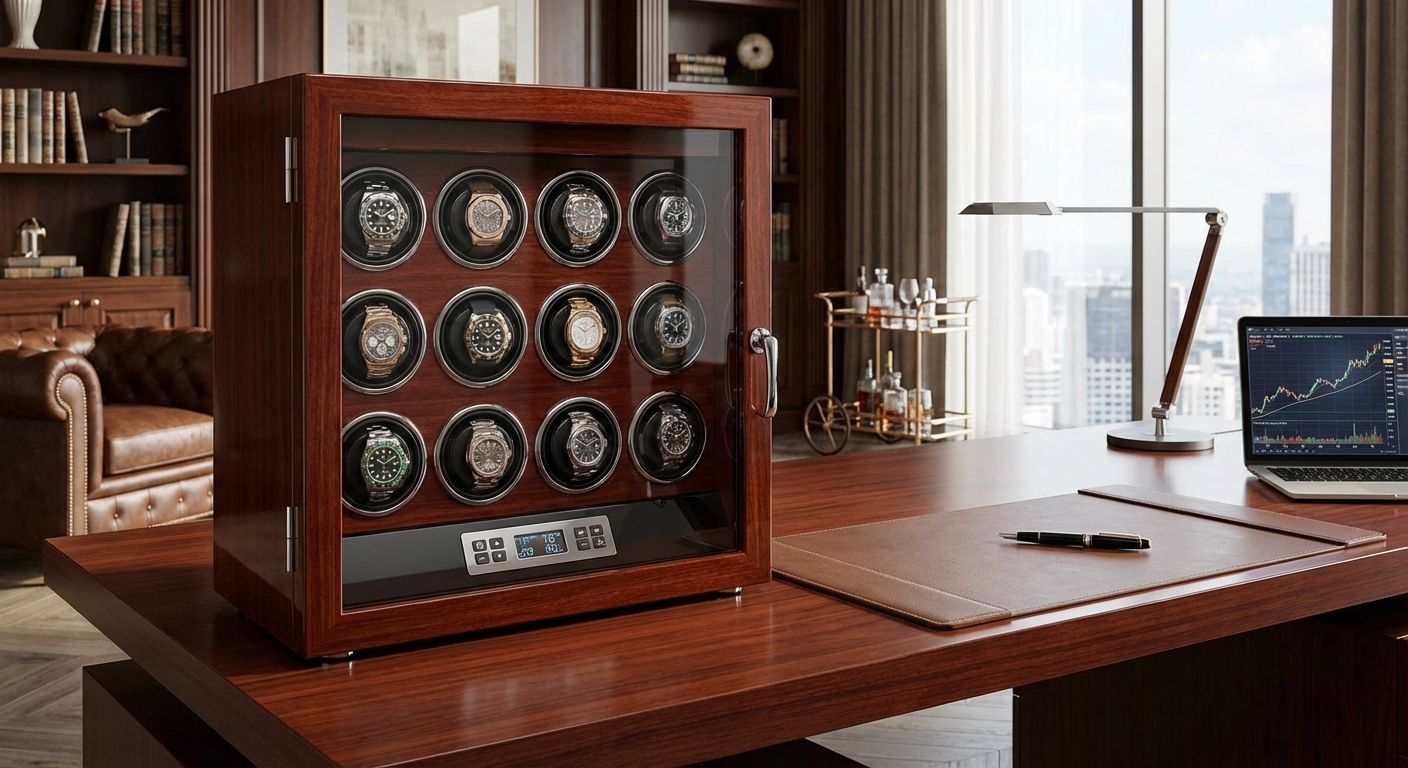
A watch winder keeps time by rotating your automatic timepiece to engage the internal rotor and wind the mainspring. If you own a high-end wolf watch winder safe, you ensure your watch never loses its synchronization with the actual time. This mechanical unit effectively simulates the kinetic energy generated by your daily activities. It provides a consistent power source so the internal gears stay in constant, fluid motion.
Why is constant movement necessary?
Here is the deal: automatic watches rely on a weighted rotor that spins as you move. Without this movement, the mainspring eventually unwinds completely, and the watch stops.
- Prevents power reserve depletion.
- Keeps lubricants distributed.
- Maintains complication accuracy.
Does it replace manual winding?
Think about it: while you can wind most automatics by hand, doing so frequently can stress the winding stem. A winder provides a gentler, more consistent alternative for your delicate movements.
Key Takeaway: Utilizing a winder ensures your watch is always ready to wear, saving you the hassle of daily resets and protecting the delicate internal components from unnecessary manual handling.
| Operation Mode | Primary Benefit |
|---|---|
| Rotation | Winds the mainspring |
| Rest Periods | Prevents mechanical strain |
| Constant Motion | Keeps time accurate |
The table above illustrates how the combination of movement and rest creates the ideal environment for a mechanical timepiece.
Why do automatic watches need motion?
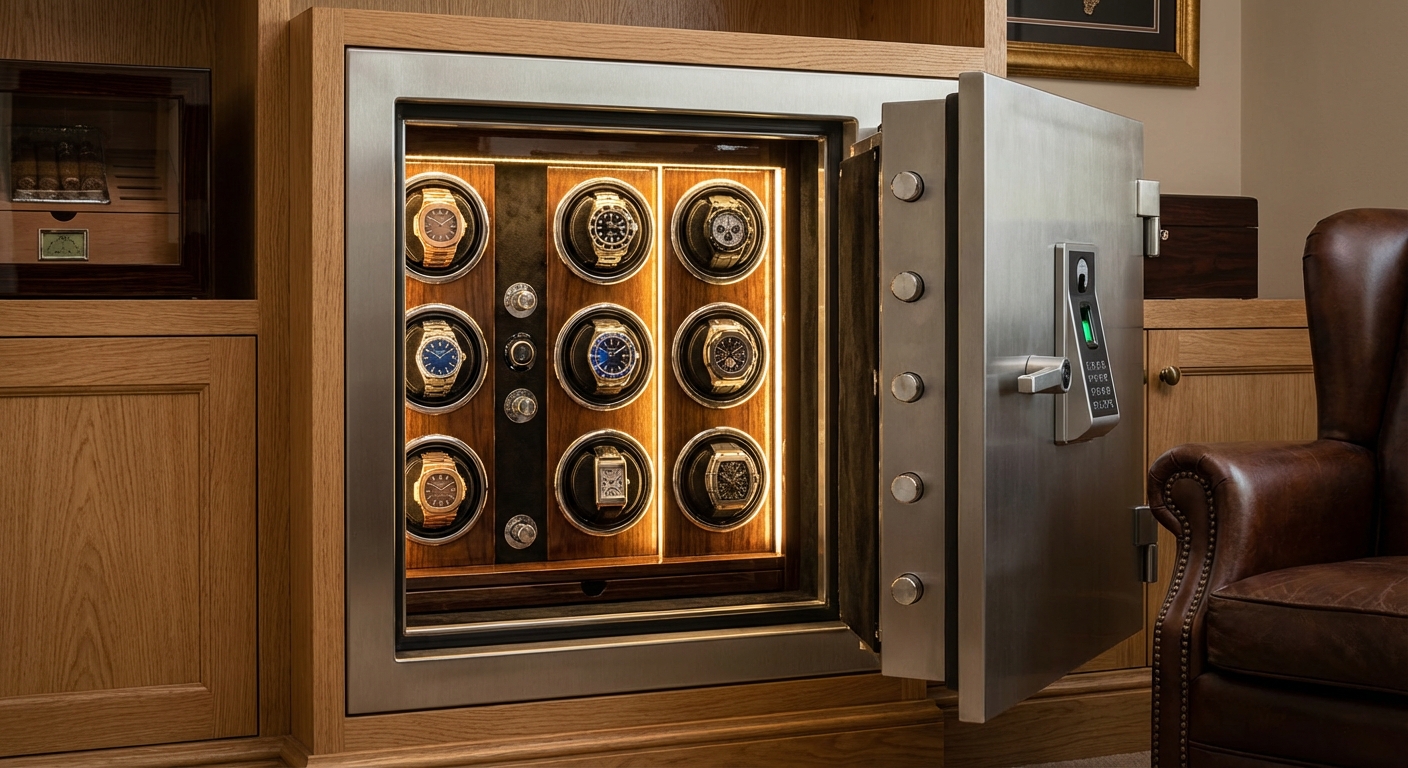
Automatic watches need motion because their internal mechanism is designed to harvest energy from the oscillation of a weighted rotor. When you store your timepiece in a wolf watch winder safe, you are essentially providing the kinetic “fuel” the watch needs to function. Without this motion, the internal mainspring loses its tension within 38 to 70 hours. This mechanical dependency is what distinguishes an automatic from a battery-powered quartz watch.
What happens when a watch stops?
Consider this: when a watch sits still for weeks, the lubricants inside can begin to settle or even dry out over time. This can lead to increased friction when you finally decide to wear the piece again.
- Potential for oil coagulation.
- Loss of date and moon phase settings.
- Increased wear on the crown during resets.
Is the rotor the only moving part?
But wait, there is more: the rotor is just the beginning of a complex chain of gears that transfer energy to the balance wheel. Continuous motion keeps this entire chain synchronized and functioning at peak performance levels.
Key Takeaway: Providing regular motion through a winder preserves the mechanical integrity of your investment by keeping the internal oils fluid and the gear train active.
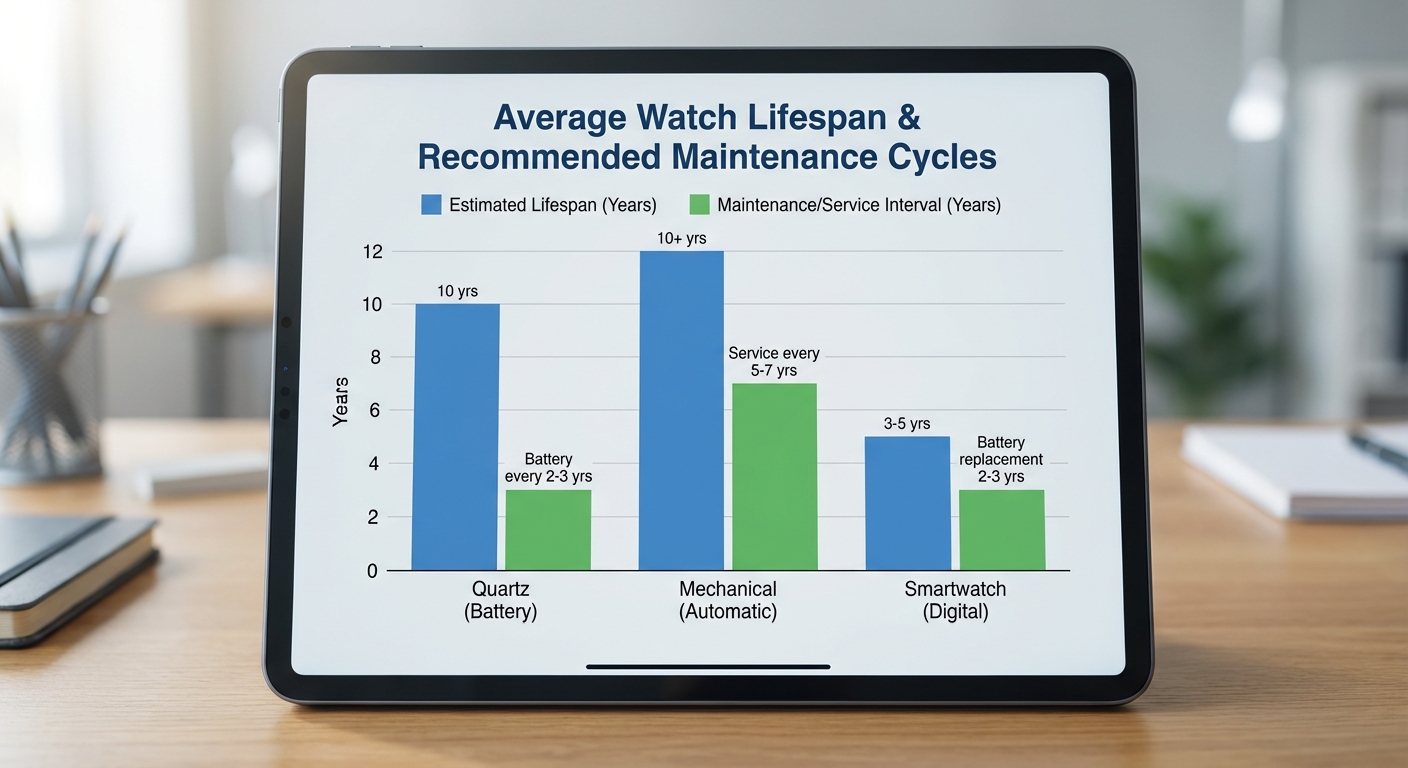
| Movement Type | Energy Source | Maintenance Need |
|---|---|---|
| Quartz | Battery | Low |
| Manual | Hand-winding | High |
| Automatic | Kinetic Motion | Moderate |
This data helps you understand why motion is the lifeblood of your automatic collection compared to other watch types.
Can a winder extend your watch’s life?
A quality winder can extend your watch’s life by reducing the physical stress associated with frequent manual resetting and stem adjustments. Using a wolf watch winder safe allows you to keep the watch running within its intended operating parameters at all times. By avoiding the “stop-start” cycle, you minimize the risk of damaging the delicate gaskets and seals around the crown. This proactive approach to maintenance is essential for preserving the long-term value of your horological collection.
How does it reduce mechanical wear?
Look: every time you pull out the crown to change the time or date, you are exposing the movement to potential dust and moisture. A winder keeps the crown sealed and protected while the internal gears continue their work.
- Minimizes crown and stem usage.
- Reduces stress on date-change gears.
- Protects internal seals from over-manipulation.
Does it keep the movement healthy?
The reality is this: a movement that stays in motion is less likely to suffer from the “setting” of lubricants that occurs during long periods of dormancy. This translates to longer intervals between expensive professional services.
Key Takeaway: Investing in a winder is a long-term savings strategy that protects your watch from environmental exposure and mechanical fatigue, ultimately maintaining its resale value.
| Factor | Impact of Winder | Long-term Result |
|---|---|---|
| Stem Wear | Significantly Reduced | Longer part lifespan |
| Lubrication | Stays Fluid | Consistent accuracy |
| Seal Integrity | Maintained | Better water resistance |
As shown in the analysis, maintaining your watch in a running state provides several layers of protection against common wear patterns.
How are rotational turns measured?
Rotational turns are measured as Turns Per Day (TPD), which indicates how many full circles the winder completes in a 24-hour period. Every wolf watch winder safe allows you to customize these settings to match the specific requirements of your watch’s movement. Most automatic watches require between 650 and 900 TPD to stay fully wound without putting excess strain on the mechanism. Using a winder with accurate TPD settings ensures your watch receives exactly the amount of energy it needs.
What is the ideal TPD for you?
You see: different brands and calibers have unique winding requirements that must be followed strictly. Setting the TPD too low will result in a stopped watch, while setting it too high is simply inefficient.
- Rolex: Usually 650 TPD.
- Patek Philippe: Often 800+ TPD.
- Omega: Varies by caliber.
Why do directions matter?
It gets better: modern winders offer clockwise, counter-clockwise, and bi-directional settings to accommodate specific rotors. Some rotors only wind when turning in one direction, so your winder must be capable of mimicking that specific path.
Key Takeaway: Precise control over TPD and directionality ensures that your watch is wound efficiently and safely according to the manufacturer’s exact engineering specifications.
| Watch Brand | Common TPD | Directional Need |
|---|---|---|
| Luxury Sport | 650 | Bi-directional |
| High Complication | 800+ | Clockwise/Counter |
| Vintage Pieces | 600-700 | Specific to movement |
This comparison highlights why choosing a programmable winder is essential for a diverse and growing watch collection.
Are there different winder settings?
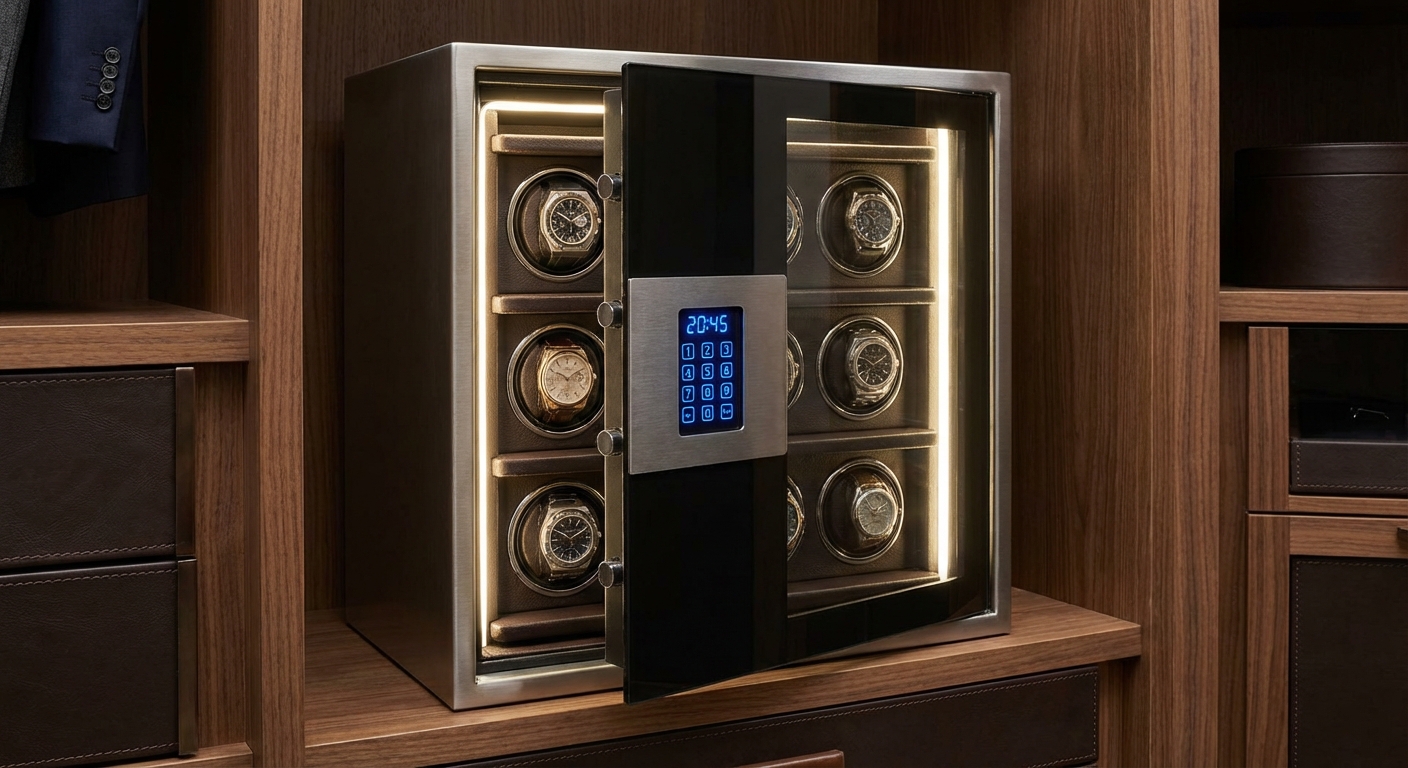
Yes, there are numerous settings available, ranging from basic rotation speeds to advanced intermittent “sleep” cycles that mimic human behavior. A wolf watch winder safe typically features programmable modules that allow you to set different parameters for each individual watch in your safe. These settings are crucial because they prevent the watch from being constantly under tension. By providing periods of rest, the winder ensures the mainspring is not overwound or stressed.
What is a “sleep” mode?
Now: a true “sleep” mode allows the watch to wind down slightly during the night, just as it would if it were sitting on your nightstand. This cycle is vital for the health of the slipping spring mechanism found in automatics.
- 12 hours of activity.
- 12 hours of rest.
- Prevents constant mainspring tension.
Can you control the speed?
Consider this: some collectors prefer a slow, steady wind, while others need a quick boost before an event. Advanced winders give you the flexibility to choose the rhythm that best suits your lifestyle and collection needs.
Key Takeaway: Advanced settings provide a customized care plan for each watch, ensuring that the mechanical energy provided is balanced with necessary periods of relaxation.
| Setting Type | Primary Function | User Benefit |
|---|---|---|
| Intermittent | Mimics daily wear | Maximum safety |
| Fast Wind | Quick power boost | Ready in minutes |
| Directional | Matches rotor path | Efficient winding |
The variety of settings shown here demonstrates how a winder can be fine-tuned to act as a personal valet for your timepieces.
Do winders prevent oil coagulation?
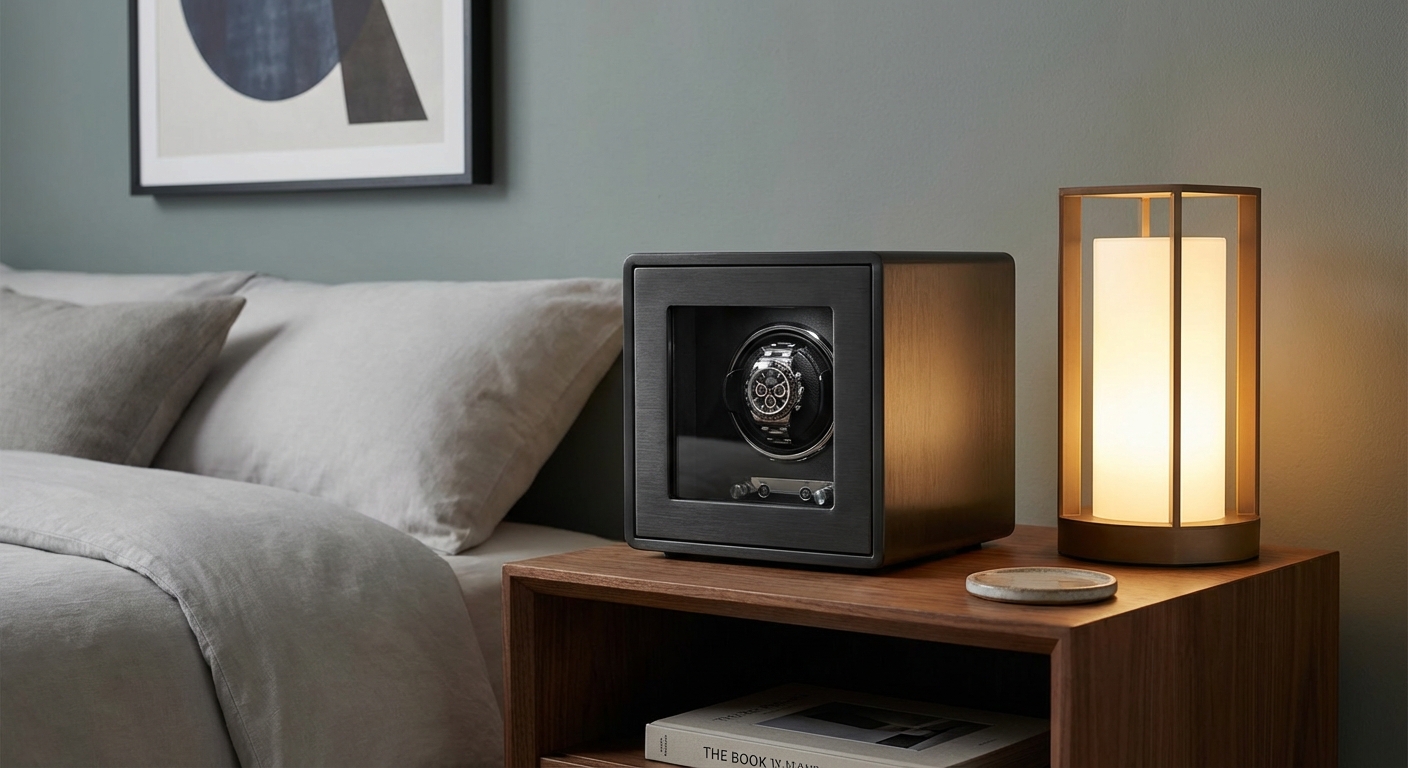
Winders help prevent oil coagulation by keeping the internal lubricants in a constant state of motion and distribution. Within a wolf watch winder safe, the gentle rotation ensures that the synthetic oils used in high-end movements do not pool in one area. When lubricants remain stagnant for long periods, they can become viscous or “tacky,” which increases friction between moving parts. This consistent lubrication is one of the primary reasons professional horologists recommend winders for long-term storage.
How do modern oils behave?
Look: while modern synthetic oils are much more stable than the animal fats used in the past, they still perform best when active. Stagnation is the enemy of precision in any mechanical system, especially one as small as a watch.
- Reduces friction on pivots.
- Prevents dry spots on gears.
- Ensures smooth balance wheel oscillation.
Is stagnation a real risk?
Here is the deal: if a watch sits for a year without moving, you might notice it runs slower or loses power reserve once you start it back up. This is a direct result of lubricants not being properly dispersed through the gear train.
Key Takeaway: Keeping your watch in motion ensures that the lubrication system works as intended, reducing the likelihood of mechanical failure and maintaining accuracy over many years.
| Oil Condition | Movement Impact | Maintenance Cost |
|---|---|---|
| Fresh & Active | Peak Precision | Standard Service |
| Stagnant/Coagulated | High Friction | Expensive Overhaul |
| Dry | Part Damage | Parts Replacement |
Maintaining fluid lubrication is the most cost-effective way to ensure your watch remains a functional heirloom for generations.
Is a winder useful for moon phases?
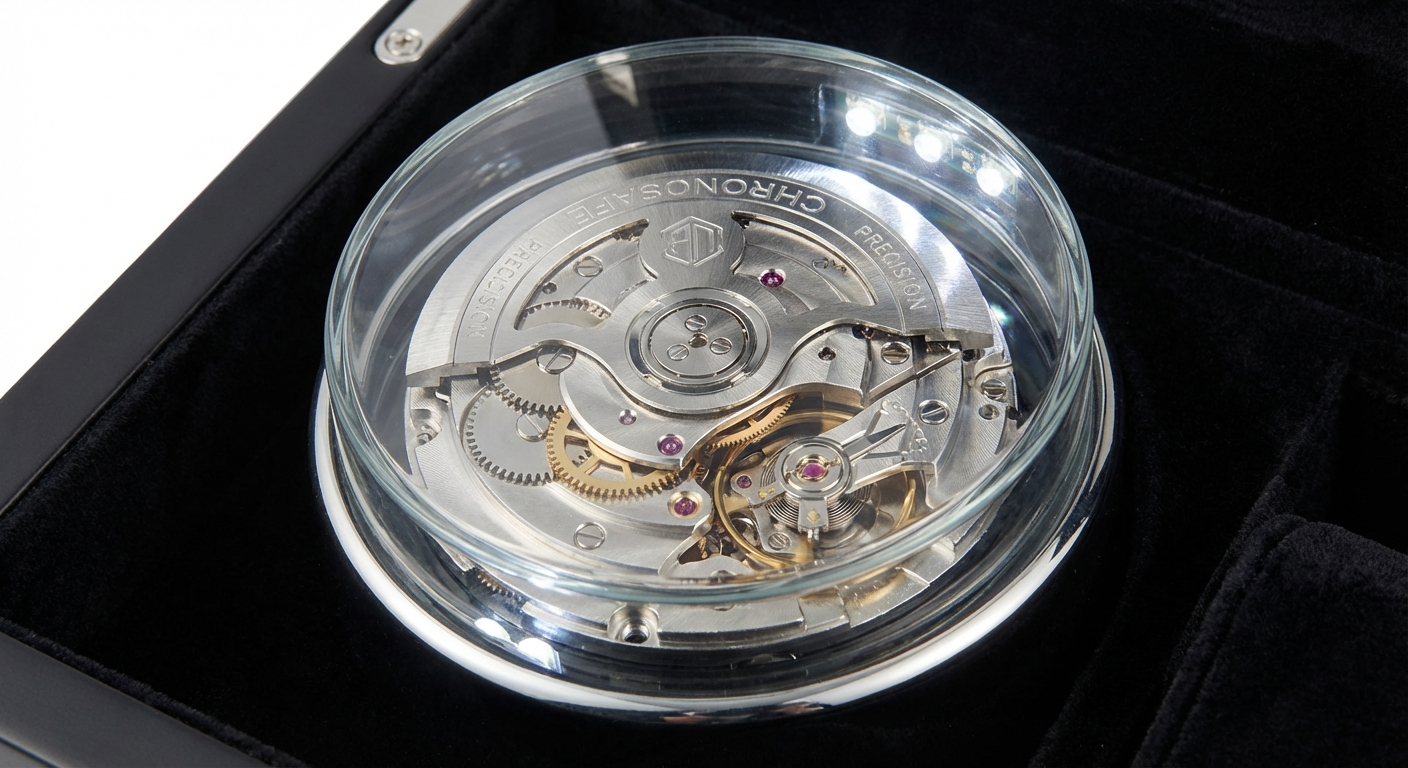
A winder is exceptionally useful for moon phase watches because these complications are notoriously difficult and time-consuming to reset manually once they stop. Placing such a piece in a wolf watch winder safe ensures the calendar and astronomical data remain perfectly aligned. If a moon phase watch stops, you often have to consult a lunar calendar and perform dozens of crown rotations to get back to the correct display. A winder eliminates this tedious chore entirely.
Why are complications so sensitive?
Think about it: complications like perpetual calendars and moon phases involve hundreds of extra parts that are all interconnected. Manually forcing these parts to “catch up” by days or months can put a strain on the entire movement.
- Prevents calendar desync.
- Reduces risk of gear jamming.
- Saves hours of manual adjustment.
Can a winder handle “heavy” watches?
But wait, there is more: moon phase watches are often part of larger, heavier cases that require a high-torque motor to rotate properly. Professional-grade winders are built to handle this extra weight without burning out or slowing down.
Key Takeaway: For owners of complex timepieces, a winder is a mandatory tool that preserves the synchronization of intricate complications and prevents the stress of manual recalibration.
| Complication | Reset Difficulty | Winder Necessity |
|---|---|---|
| Simple Date | Easy | Low |
| Moon Phase | Difficult | High |
| Perpetual Calendar | Extremely Hard | Essential |
This hierarchy shows that the more complex your watch becomes, the more you rely on a winder to maintain its functionality.
Can you overwind an automatic watch?
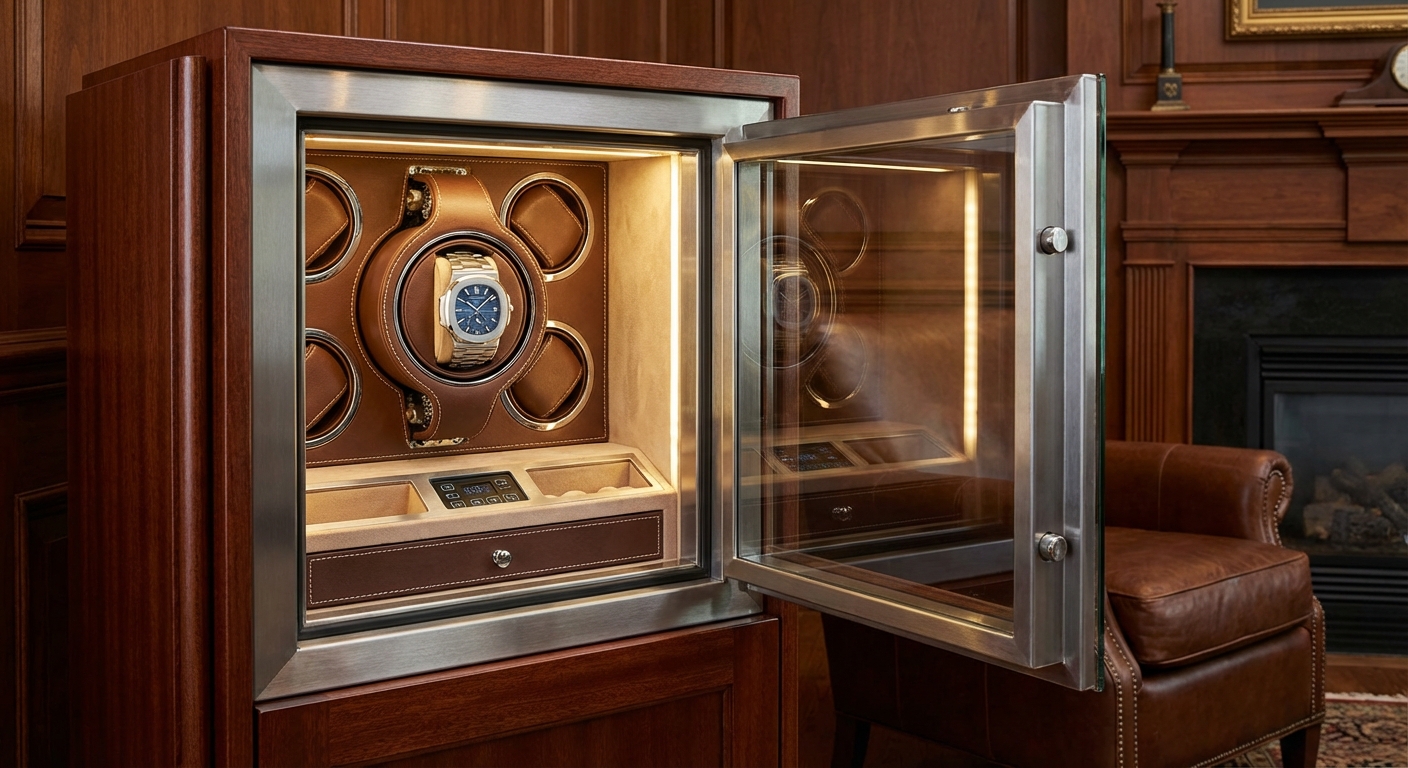
While you cannot technically “overwind” a modern automatic watch thanks to a built-in slipping clutch mechanism, a wolf watch winder safe still uses programmed rest periods to prevent unnecessary stress. This clutch allows the mainspring to slip once it reaches full tension, protecting the movement from damage. However, keeping a watch under maximum tension 24/7 is not ideal for the longevity of the slipping spring itself. Using a winder with a “delay” or “intermittent” setting provides the perfect balance.
How does the slipping clutch work?
The reality is this: when the mainspring is fully wound, the end of the spring slides against the inside of the barrel instead of tightening further. This is a safety feature designed specifically for automatic watches.
- Prevents spring breakage.
- Allows for continuous rotor motion.
- Protects the gear train from force.
Is 24/7 rotation a bad idea?
You see: even with a clutch, constant rotation means the watch is always at 100% tension, which can lead to faster wear on the barrel walls. Intelligent winders solve this by including a “sleep” period in their daily cycle.
Key Takeaway: While your watch is protected from immediate damage by its internal design, a smart winder adds an extra layer of care by preventing constant mechanical tension.
| Mechanical Part | Overwind Protection | Potential Wear |
|---|---|---|
| Mainspring | Slipping Clutch | High Tension Stress |
| Rotor | Gravity-based | Bearing wear |
| Gear Train | Tension release | Minimal if rested |
The table above illustrates why automated rest periods are just as important as the rotation itself for long-term care.
Where is the best place for a winder?
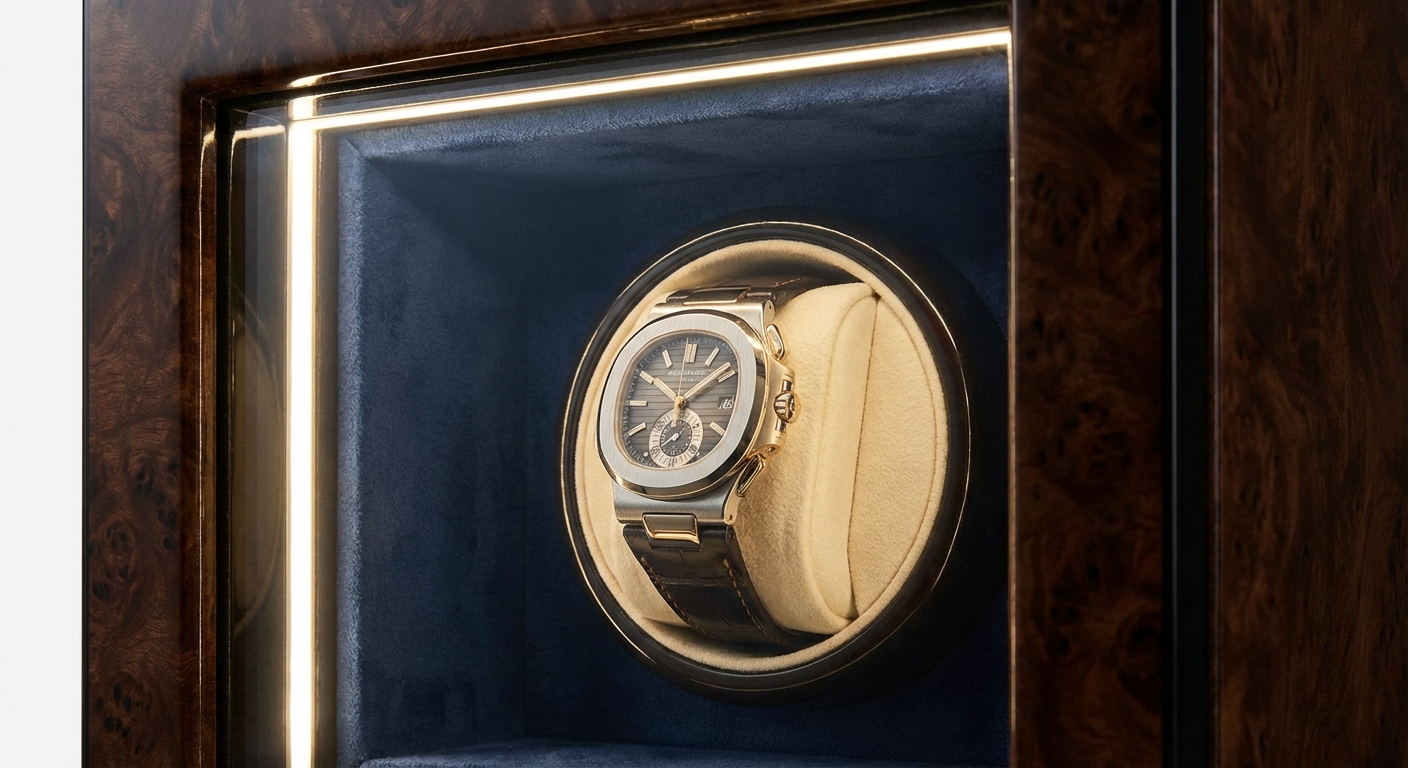
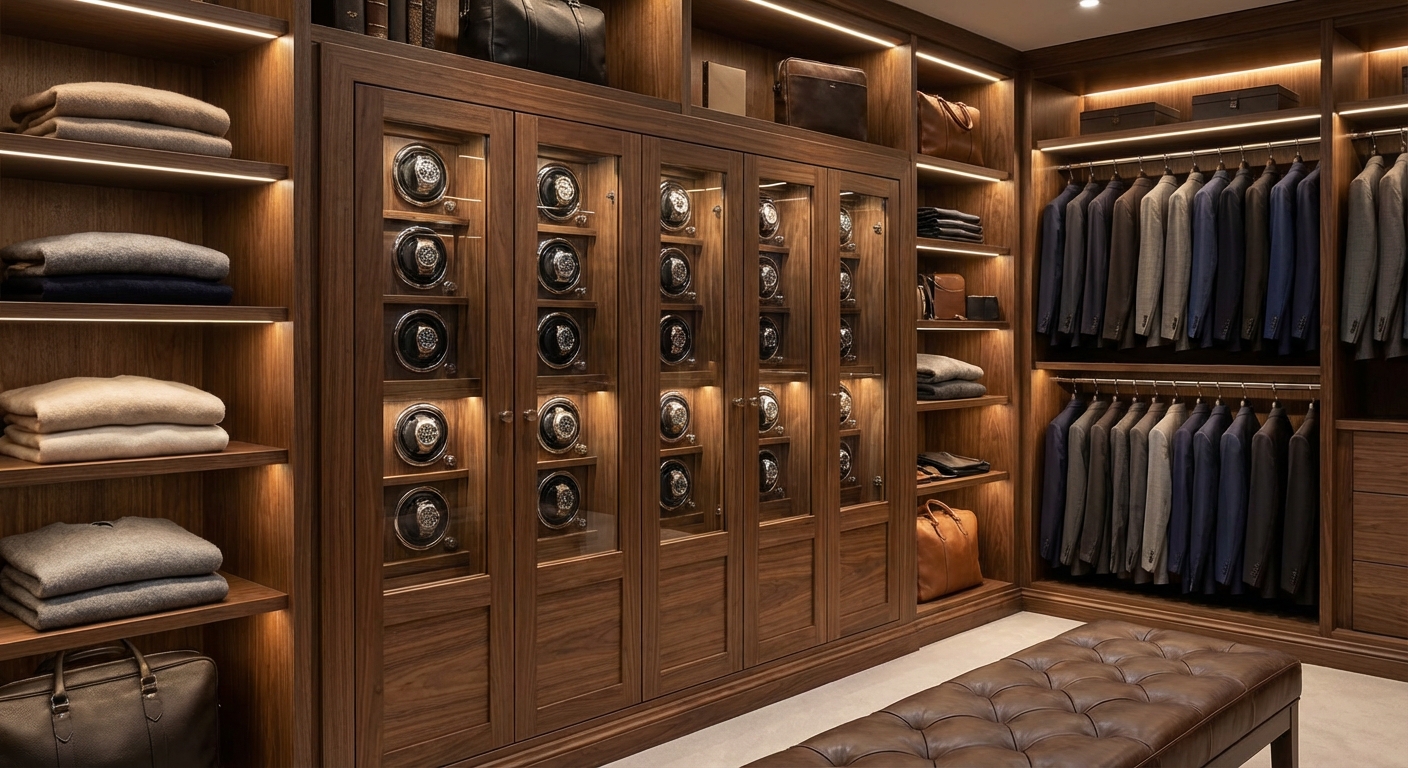
The best place for a winder is inside a wolf watch winder safe located in a secure, climate-controlled environment like a home office or a primary suite closet. Security is paramount when dealing with high-value timepieces, so integrating the winding technology directly into a safe is the ultimate solution. This placement ensures that while your watches are being maintained and kept ready for use, they are also protected from theft, fire, and unauthorized handling. Modern modular designs allow you to fit winders into almost any secure cabinetry.
Should you display your winder?
It gets better: many winders are designed to be beautiful display pieces, featuring glass fronts and LED lighting that turn your collection into a work of art. You can have the best of both worlds—security and aesthetics.
- Visual access for daily selection.
- Protection from dust and humidity.
- Integrated lighting for dark safes.
Is temperature a factor?
Consider this: extremes in temperature can affect the viscosity of watch oils and the accuracy of the movement. Keeping your winder in a stable, room-temperature environment ensures the most consistent performance.
Key Takeaway: Strategic placement of your winder in a secure, stable environment maximizes both the physical safety of your collection and the mechanical health of the watches.
| Location | Security Level | Accessibility |
|---|---|---|
| Open Dresser | Low | High |
| Standard Safe | High | Low |
| Winder Safe | Maximum | High |
This comparison highlights why a dedicated winder safe is the superior choice for serious collectors who value both protection and readiness.
Is security important for your winder?
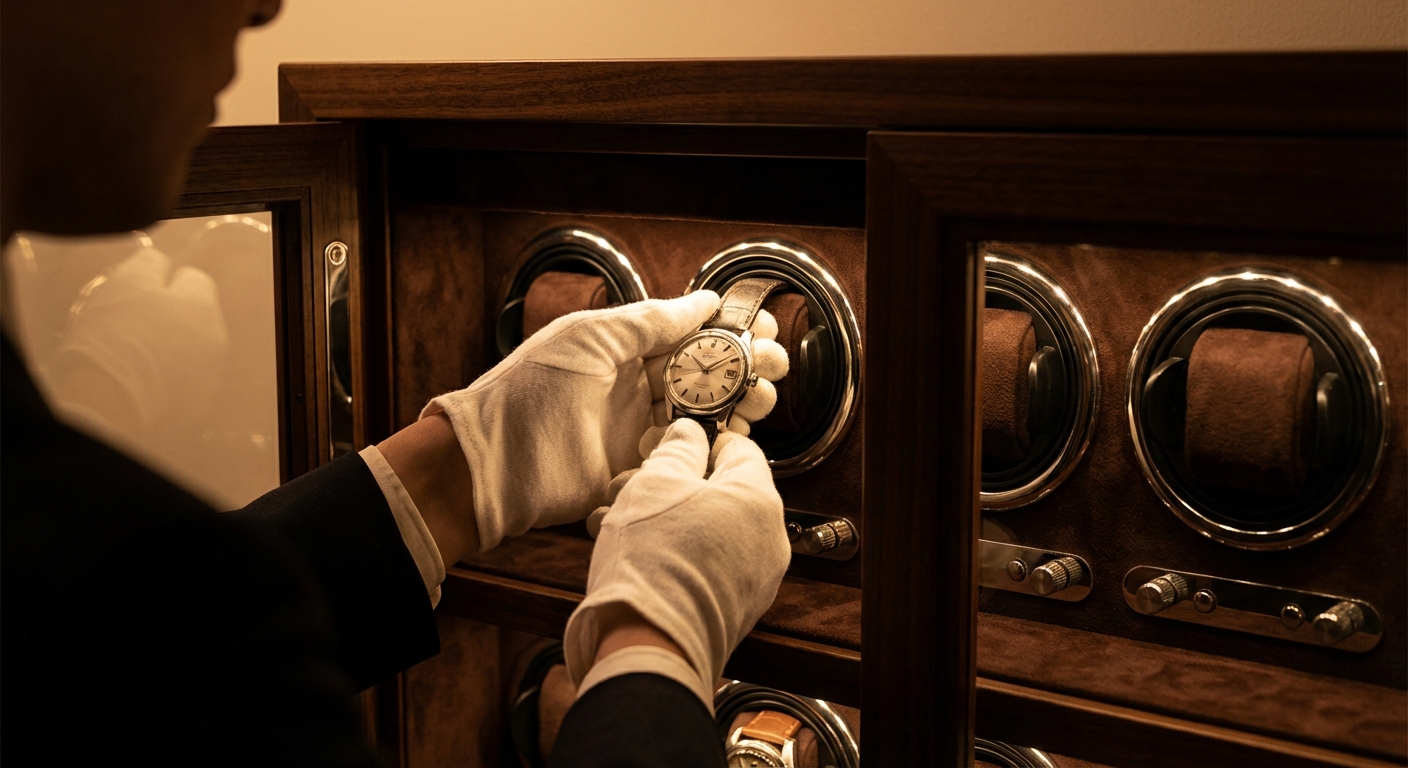
Security is absolutely vital because a wolf watch winder safe often houses a collection worth tens or even hundreds of thousands of dollars. A winder alone provides mechanical care, but it does nothing to protect your assets from external threats like burglary or fire. By combining winding technology with heavy-duty steel construction and biometric locks, you create a fortress for your timepieces. This integration allows you to rest easy knowing your watches are both fully wound and completely secure.
What features should you look for?
Look: a high-security winder should offer more than just a lock; it should provide resistance against prying, drilling, and extreme heat. Your watches are delicate instruments that deserve the highest level of shielding.
- Fireproof ratings (30-90 minutes).
- Biometric or digital keypad entry.
- Thick steel bolts and pry-resistant doors.
Why go beyond a simple box?
Here is the deal: a simple watch box is easily carried away by an intruder. A bolted-down, high-security safe ensures that your collection stays exactly where you put it, no matter what happens.
Key Takeaway: True peace of mind comes from knowing your watches are receiving the kinetic energy they need to stay accurate while being shielded by industry-leading security.
| Security Feature | Purpose | Level of Protection |
|---|---|---|
| Biometric Lock | Personal access only | High |
| Steel Construction | Physical barrier | Maximum |
| Fire Lining | Thermal protection | Essential |
As this final analysis shows, the ultimate watch winder is one that balances mechanical maintenance with unbreakable security.
*
Ready to elevate your watch storage to a professional standard? We specialize in creating high-security environments that keep your most prized timepieces in peak mechanical condition while ensuring they are protected from every threat. Whether you have a single heirloom or a growing collection of high-complication pieces, our solutions are designed to provide the perfect balance of care and security.
Our mission is to empower collectors with the tools they need to preserve their horological legacy for generations to come. We believe that true luxury is found in the intersection of engineering excellence and peace of mind. Let us help you design a custom solution that reflects the value of your collection—contact us today to explore our range of customized security options.
FAQ
Can I leave my watch in a winder forever?
Yes, you absolutely can. Modern winders are designed with programmable rest periods that mimic natural wearing habits, preventing any mechanical strain even during long-term storage.
What’s the best TPD setting for a Rolex?
Most Rolex models perform best at 650 TPD. This setting provides enough energy to maintain a full power reserve without placing unnecessary stress on the slipping clutch mechanism.
How do I know if my watch is bi-directional?
You should check your manufacturer’s specifications or a movement database. Most modern Swiss movements are bi-directional, but many vintage or specialized Japanese calibers only wind in one specific direction.
Can I use a winder for a manual wind watch?
No, you definitely should not. Manual wind watches do not have a rotor and cannot harvest energy from rotation; placing them in a winder will do nothing but display them.
How do I know if my winder is high quality?
The motor should be silent and the TPD settings should be accurate. A high-quality winder will also offer a “sleep” mode and be shielded against magnetic interference to protect your watch’s hairspring.


