 跳到内容
跳到内容 

A professional watch winding safe is the ultimate solution for preserving high-value timepieces while ensuring impenetrable physical security. Imagine waking up to find your rare automatic timepiece has stopped, its intricate movement seized after weeks of neglect on a dresser. You face the looming anxiety of a potential burglary, knowing your most cherished heirlooms are exposed and vulnerable to theft. This constant worry can drain the joy from your passion for collecting. Fortunately, our integrated systems ensure your collection remains wound, lubricated, and shielded behind reinforced steel.
Why is a watch winding safe essential for collectors?
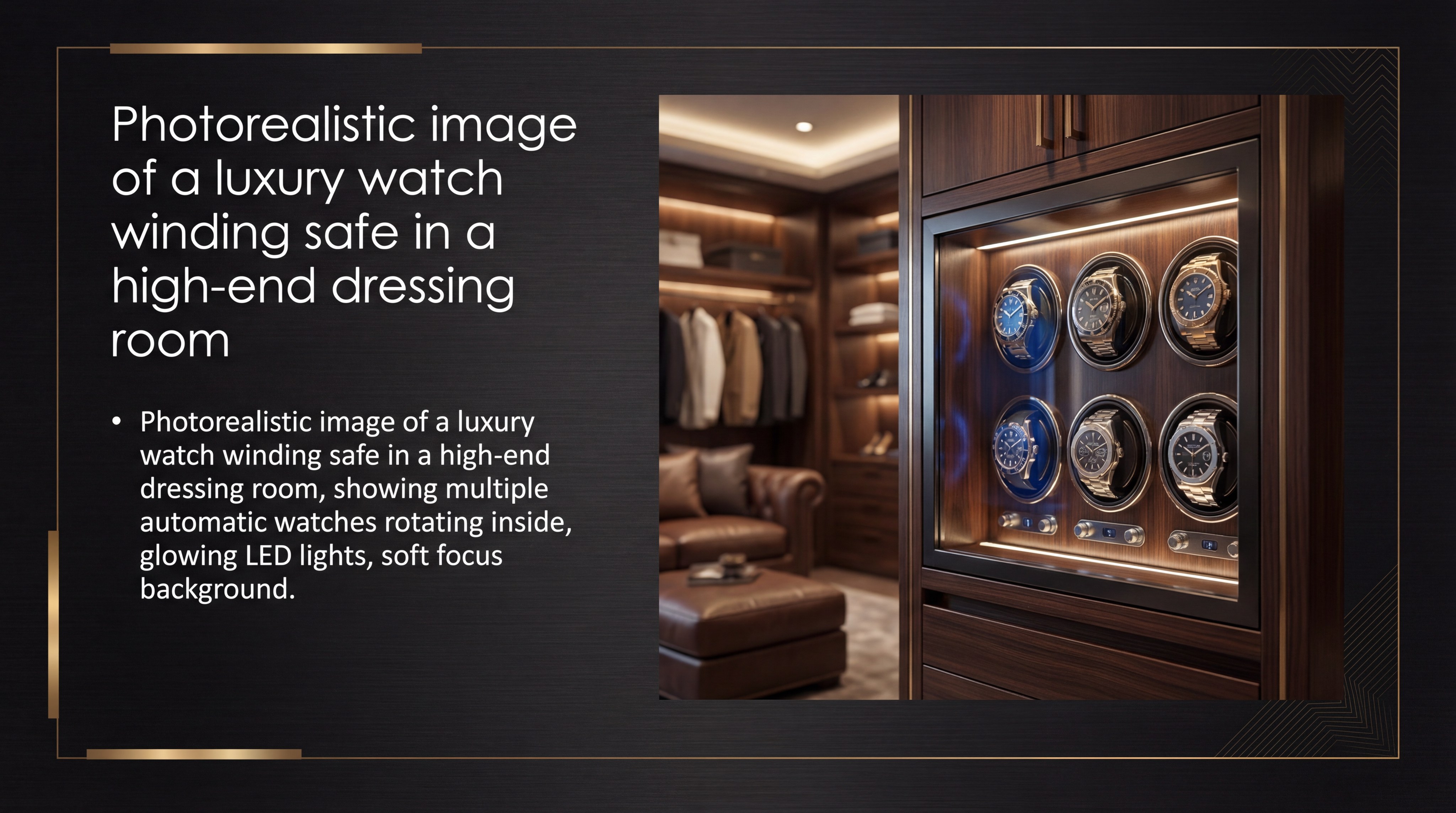
A watch winding safe is essential because it provides a dual-layer defense by physically securing your assets while maintaining the mechanical health of your automatic movements. You no longer have to choose between keeping your watches in a bank vault or a convenient bedside drawer.
But wait, there’s more: these units prevent the internal oils of your timepieces from congealing, which is a common issue with stagnant watches. By providing consistent motion, the safe ensures your watches are always ready for a gala or a business meeting without manual adjustment.
Physical Theft Deterrence
The primary role of these units is to stop unauthorized access to your high-value assets. You can sleep soundly knowing that hardened steel and active locking bolts stand between your collection and potential intruders.
- Solid steel door and body construction.
- Heavy-duty active locking bolts.
- Anti-pry door designs.
- Anchoring holes for floor mounting.
Mechanical Longevity
Automatic watches rely on movement to keep their internal parts lubricated and functional. When you store them in a winding unit, you are actively extending the time between expensive professional services.
- Consistent oil distribution.
- Reduced wear on the winding crown.
- Accurate time and date maintenance.
- Protection from dust and debris.
Key Takeaway: A winding safe is the only storage solution that simultaneously addresses the physical security and mechanical maintenance needs of a serious watch collection.
| Feature | Protection Level | Primary Benefit |
|---|---|---|
| Steel Armor | High | Prevents physical theft |
| Integrated Winders | Essential | Maintains movement health |
| Interior Lining | Premium | Prevents scratches and scuffs |
This comparison highlights how integrating winding technology into a safe provides a comprehensive preservation strategy for luxury horology.
How did these specialized safes evolve historically?
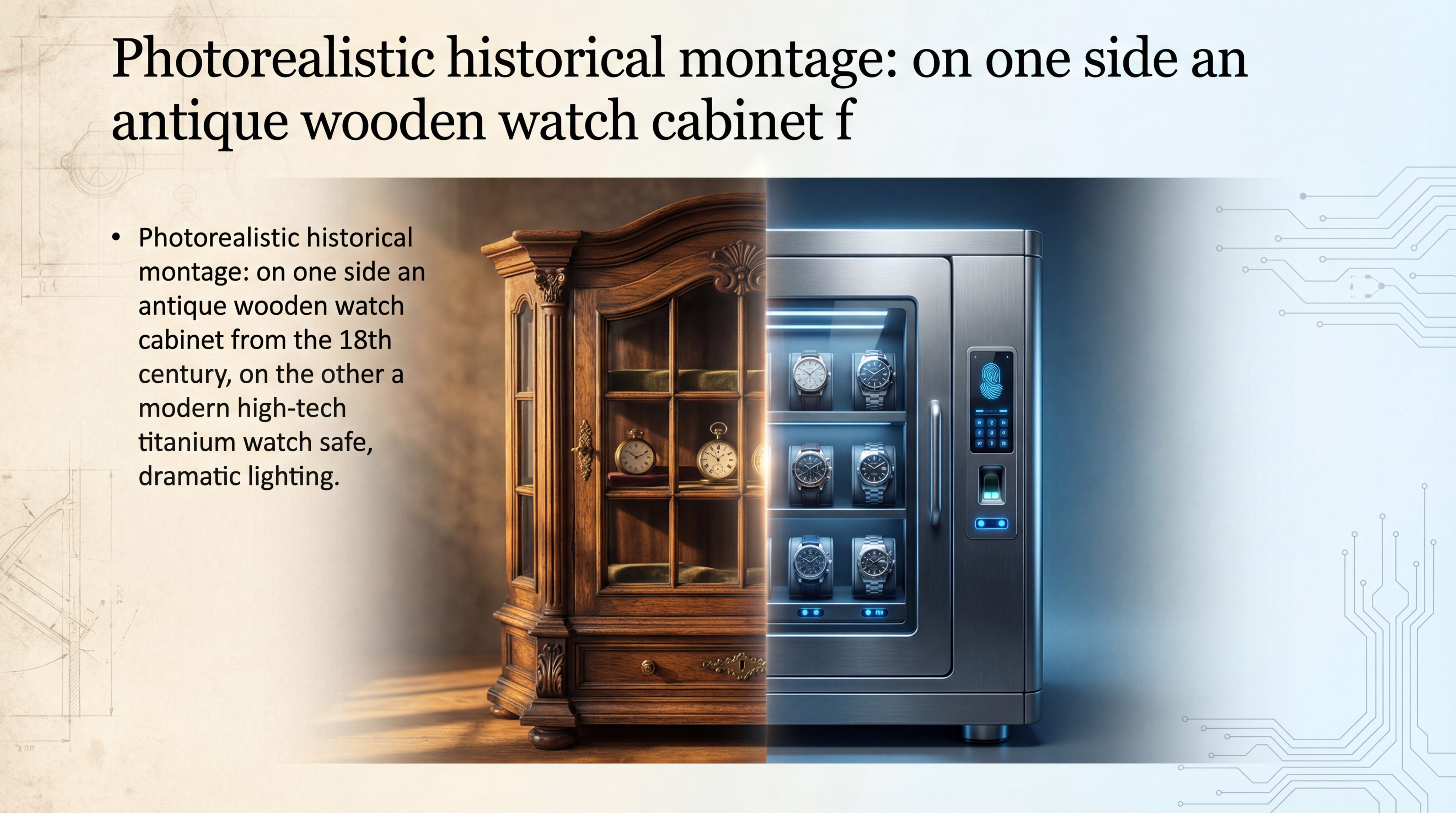
The history of the watch winding safe began in the 18th century with ornate watchmaker cabinets designed to house delicate pocket watches. These early versions used clockwork-driven drums to keep movements active, though they lacked the robust security we expect today.
As wristwatches became the standard in the 20th century, the demand for more secure, motorized winding solutions grew. Here is the kicker: the shift from mechanical clockwork to precision electric motors changed everything for the modern collector.
The Rise of Mechanical Cabinets
Early collectors used wooden furniture with integrated rotating discs to display and wind their pocket watches. While beautiful, these cabinets offered almost no protection against theft or fire.
- Hand-cranked or weight-driven mechanisms.
- Ornate wood and glass construction.
- Designed primarily for display purposes.
- Limited to pocket watch formats.
The Digital Revolution
Modern units now feature programmable electronics that allow you to customize rotation patterns for each specific watch movement. You can control every aspect of the safe’s environment through digital interfaces.
- Low-noise Japanese motors.
- Programmable TPD settings.
- LCD touch-screen controls.
- Bluetooth or smartphone integration.
Key Takeaway: Historical advancements have transformed watch storage from simple furniture into high-tech fortresses that mimic the natural movement of your wrist.
| Era | Primary Technology | Security Focus |
|---|---|---|
| 18th Century | Weight-driven | Minimal / Display |
| Mid-20th Century | AC Motors | Basic steel boxes |
| 21st Century | Programmable DC Motors | High-security / Biometric |
Tracking this evolution reveals a clear trend toward increasing technical sophistication and impenetrable physical defense layers.
What security standards define a quality safe?
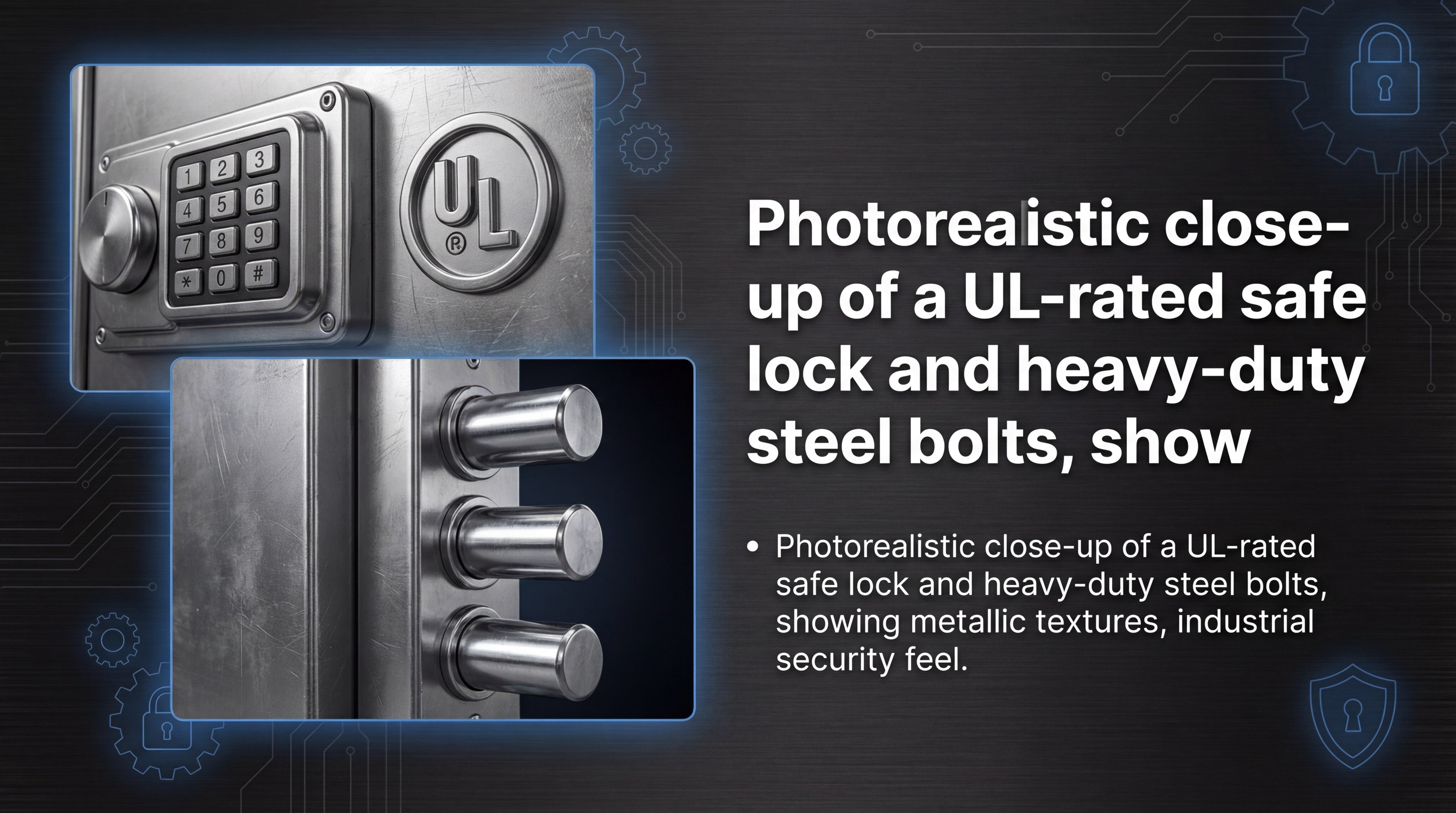
A high-quality watch winding safe is defined by its ability to withstand professional burglary attempts through UL-rated construction and high-tensile materials. You should look for units that utilize thick steel plates and sophisticated relocking devices that trigger during a break-in attempt.
The bottom line? Not all safes are created equal, and understanding the ratings can save your collection from a total loss.
UL Burglary Ratings
Underwriters Laboratories (UL) tests safes against various tools and time limits to ensure they meet strict security benchmarks. You should prioritize safes with at least an RSC (Residential Security Container) rating or higher for your collection.
- RSC (Residential Security Container) rating.
- TL-15 (Tool Resistant for 15 minutes).
- TL-30 (Tool Resistant for 30 minutes).
- Explosive-resistant certifications.
Hardened Steel Construction
The thickness of the steel determines how long a thief will take to puncture the safe’s body. You want a safe that utilizes solid steel rather than thin sheet metal filled with drywall.
- 12-gauge to 1/4 inch steel bodies.
- Solid steel doors up to 1/2 inch thick.
- Hardened manganese plates behind locks.
- Reinforced door frames to prevent prying.
Key Takeaway: Security standards provide a measurable guarantee that your safe can withstand sophisticated attacks from experienced burglars.
| Rating Level | Tool Resistance | Ideal For |
|---|---|---|
| Basic Home Safe | Minimal | Low-value items |
| RSC Rating | 5 Minutes (Hand Tools) | Moderate Collections |
| TL-15 / TL-30 | 15-30 Minutes (Power Tools) | High-Value Assets |
Selecting a safe with the appropriate UL rating ensures your security level matches the financial and sentimental value of your watches.
Why do automatic watches specifically need winding?
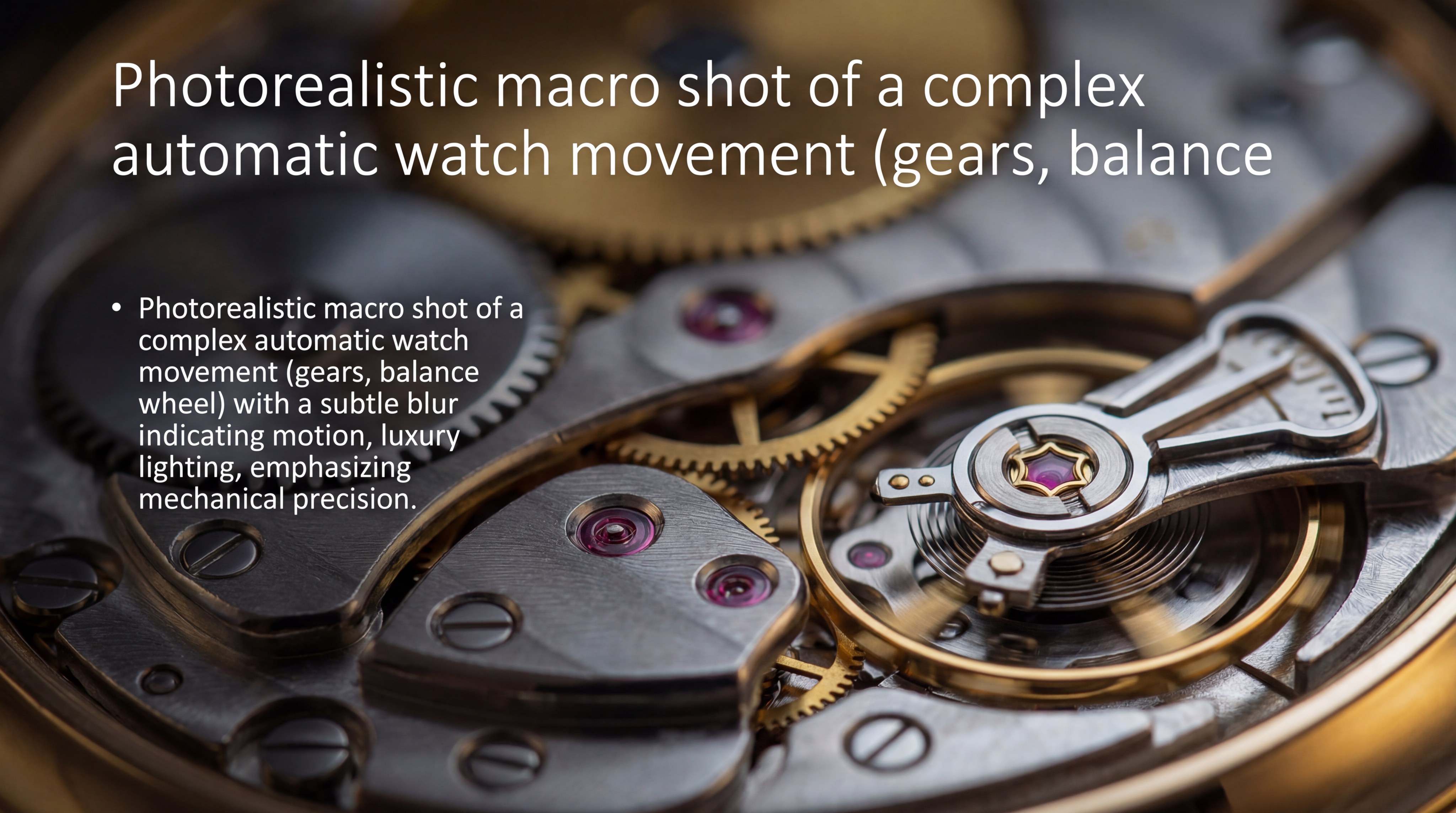
Automatic watches require a watch winding safe because their movements rely on constant motion to wind the mainspring and keep the gears turning smoothly. If you let an automatic watch sit for too long, the lubricants can settle or dry out, leading to increased friction.
You might be wondering: “Can’t I just wind it by hand?” While possible, frequent manual winding can put unnecessary stress on the delicate crown and stem of your luxury timepiece.
Lubrication and Gear Health
Horological lubricants are designed to stay fluid during operation. When the movement is stagnant, these oils can migrate away from critical friction points, causing premature wear when the watch is finally restarted.
- Prevents drying of synthetic oils.
- Reduces friction on pivots.
- Ensures consistent torque from the mainspring.
- Maintains seal integrity.
Complexity of Complications
If you own a perpetual calendar or a moon phase watch, you know how frustrating it is to reset these complications after the power reserve dies. A winding safe keeps these functions perfectly synchronized.
- Maintains perpetual calendar accuracy.
- Keep moon phase indicators on track.
- Saves time on manual adjustments.
- Protects delicate date-change mechanisms.
Key Takeaway: Consistent winding is a preventative maintenance step that keeps your watch movements healthy and prevents the hassle of resetting complex complications.
| Movement Status | Lubrication State | Long-term Risk |
|---|---|---|
| Constantly Active | Optimized | Minimal wear |
| Occasionally Active | Sub-optimal | Increased service frequency |
| Stagnant | High Risk | Component seizure / Dryness |
Maintaining constant movement is the most effective way to preserve the mechanical integrity of complex automatic calibers.
How does fire and water protection work?

Modern units use advanced insulation and expanding seals to protect your watch winding safe from extreme temperatures and moisture damage. You need to look for safes that utilize fire-resistant materials like concrete composites or Palusol® seals.
Let’s dive in: these seals expand when exposed to heat, effectively “welding” the door shut to keep out smoke, flames, and water from fire hoses.
Fire Insulation Materials
Safes use various liners to keep the internal temperature below the damage point for delicate mechanical parts. High-quality units often feature multi-layered fire board or poured concrete to absorb thermal energy.
- Palusol® heat-expanding door seals.
- Fire-resistant gypsum board layers.
- Poured composite fire insulation.
- External steel heat shields.
Water and Moisture Resistance
Flood protection and humidity control are equally important for preventing rust and mold on your leather straps and movements. You want a safe that offers an airtight environment to keep your assets dry.
- Waterproof gaskets on doors.
- Internal dehumidifier rods.
- Sealed cable ports for power.
- Rust-resistant powder coatings.
Key Takeaway: Fire and water protection systems create a survival chamber that shields delicate internal movements from extreme environmental stressors.
| Protection Type | Material Used | Function |
|---|---|---|
| Fire Shield | Composite / Concrete | Heat absorption |
| Smoke Seal | Expanding Palusol | Prevents smoke entry |
| Moisture Control | Dehumidifiers | Prevents internal rust |
Advanced environmental protection ensures your collection survives the aftermath of a disaster, not just the initial incident.
What are TPD and rotation settings?
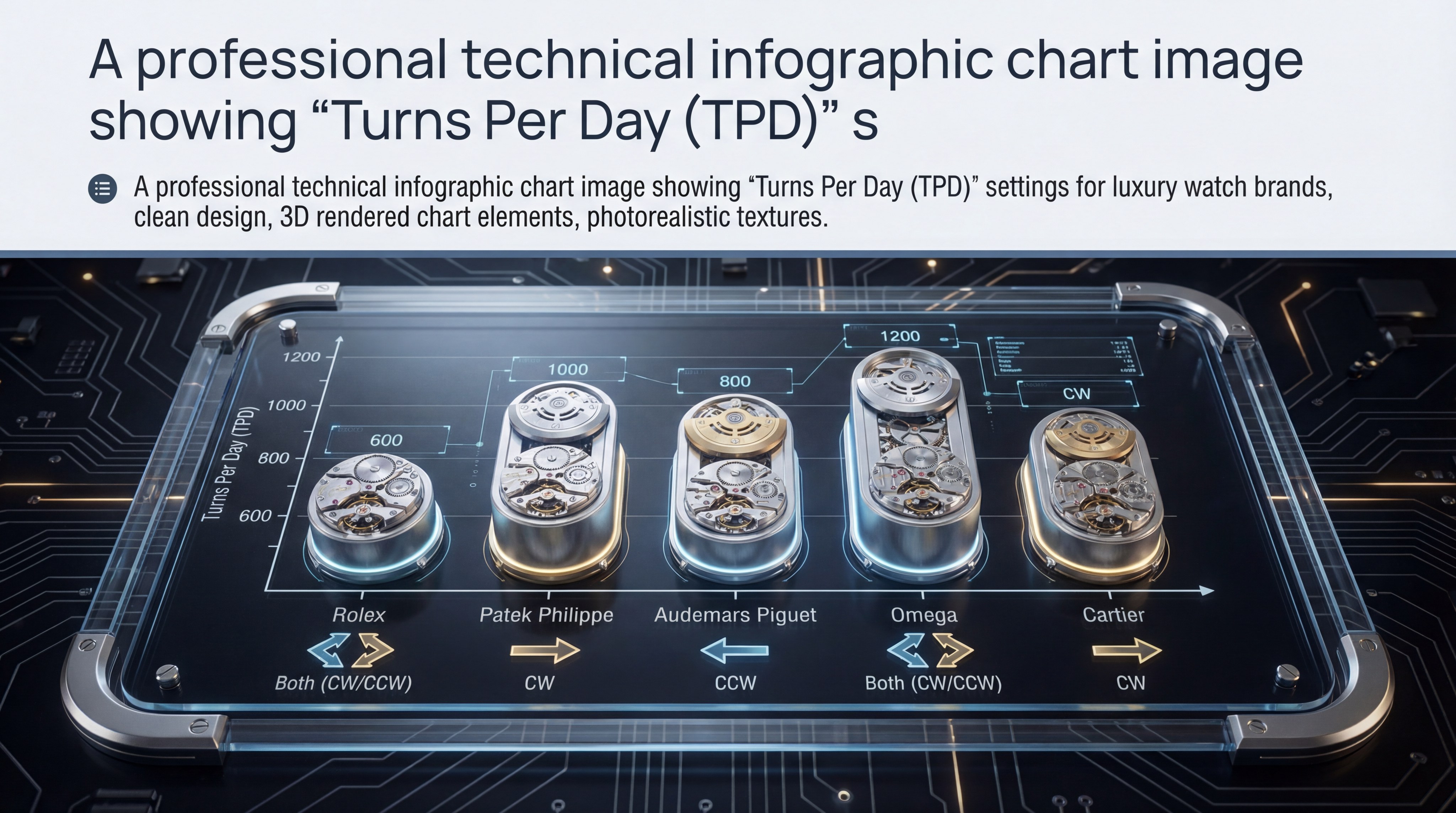
TPD stands for Turns Per Day, and it is the most critical setting in your watch winding safe to ensure your watch is wound correctly without over-stressing the mainspring. Every watch movement has a specific TPD requirement, often ranging from 650 to 1,800 turns.
But here is the kicker: if the rotation direction is wrong (clockwise vs. counter-clockwise), your watch may not wind at all.
Customizing Turns Per Day
Setting the TPD too low will result in a dead watch, while setting it too high for certain movements can lead to excessive wear on the slip-clutch mechanism. Most modern safes allow you to select the exact number of rotations.
- Low settings (650-800 TPD).
- Medium settings (900-1100 TPD).
- High settings (1500+ TPD).
- “Sleep” modes to mimic human rest.
Directional Rotation Modes
Not all rotors in automatic watches wind in both directions. You must check your watch’s specifications to see if it requires a specific directional setting to effectively store energy.
- Clockwise (CW) rotation.
- Counter-clockwise (CCW) rotation.
- Bi-directional (Both) rotation.
- Intermittent pause cycles.
Key Takeaway: Precise TPD and rotation settings allow the safe to cater to the unique mechanical requirements of every watch in your collection.
| Watch Brand Type | Typical TPD | Directional Need |
|---|---|---|
| Luxury Sport | 650 – 800 | Bi-directional |
| Vintage Calibers | 800 – 950 | Specific (CW or CCW) |
| High Complication | 1000+ | Bi-directional |
Using the correct TPD and rotation settings is vital for maintaining the balance between a fully charged mainspring and mechanical longevity.
What luxury interior materials are used?
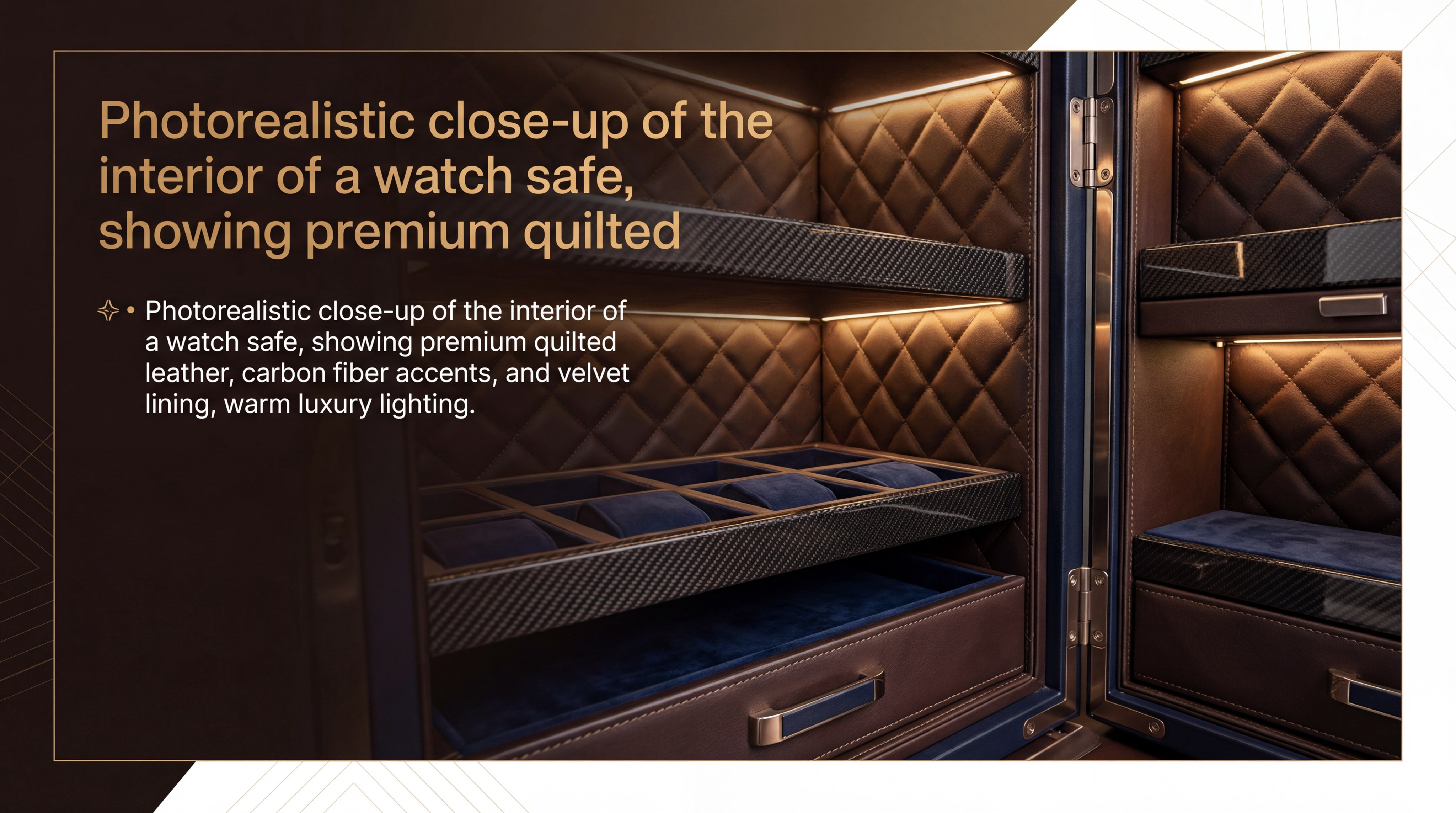
The interior of a high-end safe utilizes non-marring materials like microsuede and top-grain leather to ensure your watch winding safe never damages your timepieces. You want an environment that is as beautiful as it is protective, reflecting the luxury of the items held within.
You’ve invested thousands in your collection, so why store it against rough metal or cheap plastic?
Protective Linings
Premium safes use materials that are soft to the touch and chemically inert to prevent any reaction with the metals or straps of your watches. These linings also provide a high-contrast background for better visibility.
- Ultra-soft microsuede or velvet.
- Genuine pebble-grained leather.
- Acid-free storage materials.
- Cushioned watch cuffs for all sizes.
Aesthetic Finishes
The visual appeal of your safe is enhanced by luxury accents like carbon fiber, polished wood, and custom LED lighting. You can choose a safe that complements your home’s interior design perfectly.
- Exotic wood veneers (Mahogany, Walnut).
- Carbon fiber trim panels.
- Brushed aluminum accents.
- Custom RGB LED halo lighting.
Key Takeaway: Luxury interior materials protect the finish of your watches while providing a sophisticated backdrop for your collection.
| Material | Primary Purpose | Aesthetic Value |
|---|---|---|
| Microsuede | Scratch prevention | High (Soft Touch) |
| Carbon Fiber | Modern durability | High (Tech Look) |
| Polished Wood | Classic elegance | High (Traditional) |
The use of premium materials ensures that the safe acts as a luxury display case while providing top-tier protection.
Are biometric locks better for watch safes?

Biometric locks are generally better for a watch winding safe because they offer the fastest access while maintaining high security. You don’t have to worry about fumbling with a dial or forgetting a complex digital code when you are in a rush to get dressed.
Here is the kicker: modern semiconductor fingerprint sensors are nearly impossible to spoof and can store multiple authorized users for your family.
Speed and Convenience
A biometric safe can be opened in under a second with a simple touch. This convenience encourages you to actually use the safe every single day rather than leaving your watches on the counter.
- Sub-one-second recognition time.
- No codes to memorize or write down.
- One-touch operation.
- Multiple fingerprint storage.
Redundancy and Reliability
Even the best electronics can fail, which is why top-tier biometric safes always include secondary access methods. You should look for units that offer a hidden key override or a digital keypad as a backup.
- Mechanical emergency bypass keys.
- Secondary digital keypad entry.
- External battery jump-start ports.
- Low-battery warning alarms.
Key Takeaway: Biometric locks provide the fastest access to your collection without compromising the security required for high-value assets.
| Lock Type | Access Speed | Security Level |
|---|---|---|
| Mechanical Dial | Slow | Very High |
| Digital Keypad | Moderate | High |
| Biometric Sensor | Very Fast | High |
Biometric technology offers the perfect balance of modern convenience and high-security access control for daily collectors.
How do you choose the right capacity?
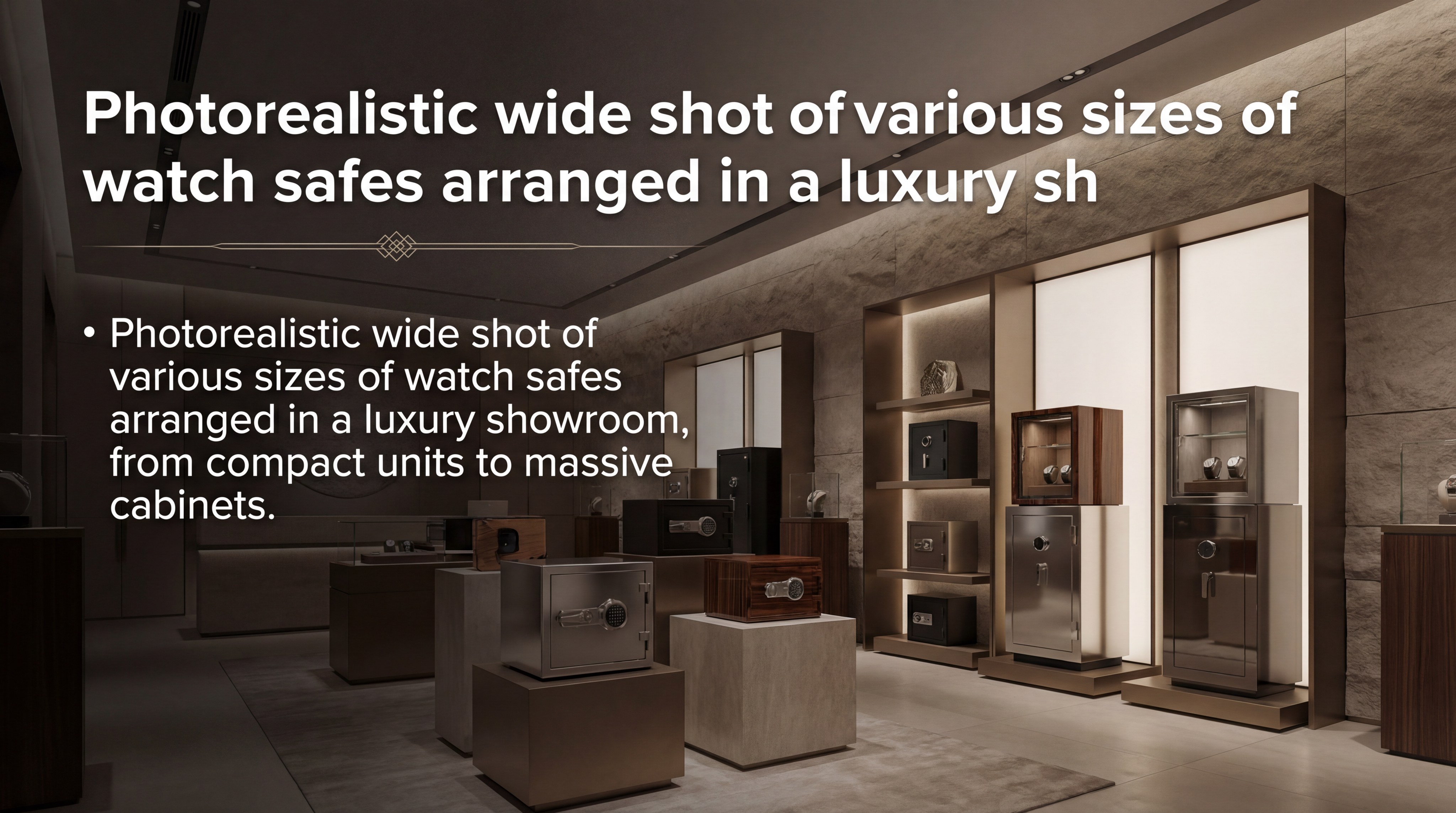
Choosing the right capacity involves auditing your current collection and selecting a watch winding safe that offers at least 25% more space for future growth. You should consider not just the number of winding modules, but also the space for jewelry, documents, and watches with leather straps that don’t need winding.
But wait, there’s more: modular interiors allow you to swap out winding units for drawers as your collection needs change.
Counting Your Winding Needs
Assess how many automatic watches you wear on a rotating basis. These are the watches that benefit most from being in a powered winder to remain ready for use at any moment.
- Number of active automatic watches.
- Size of watch heads (for cuff spacing).
- Requirement for oversized watch holders.
- Power requirements for multiple motors.
Additional Storage Features
A great safe should also house your other valuables, including non-automatic watches, spare straps, and even legal documents. Look for units with integrated jewelry drawers and adjustable shelving.
- Felt-lined jewelry drawers.
- Open shelf space for watch boxes.
- Passport and document pockets.
- Hidden “secret” compartments.
Key Takeaway: Selecting a safe with room for expansion ensures your storage solution remains relevant as your collection evolves over the years.
| Safe Size | Winder Count | Best For |
|---|---|---|
| Compact | 2 – 4 Winders | Beginners / Essentials |
| Medium | 8 – 12 Winders | Serious Hobbyists |
| Large / Vault | 16+ Winders | Professional Collectors |
Proper capacity planning prevents the need for an expensive safe upgrade as your passion for horology grows.
What is the ideal installation location?
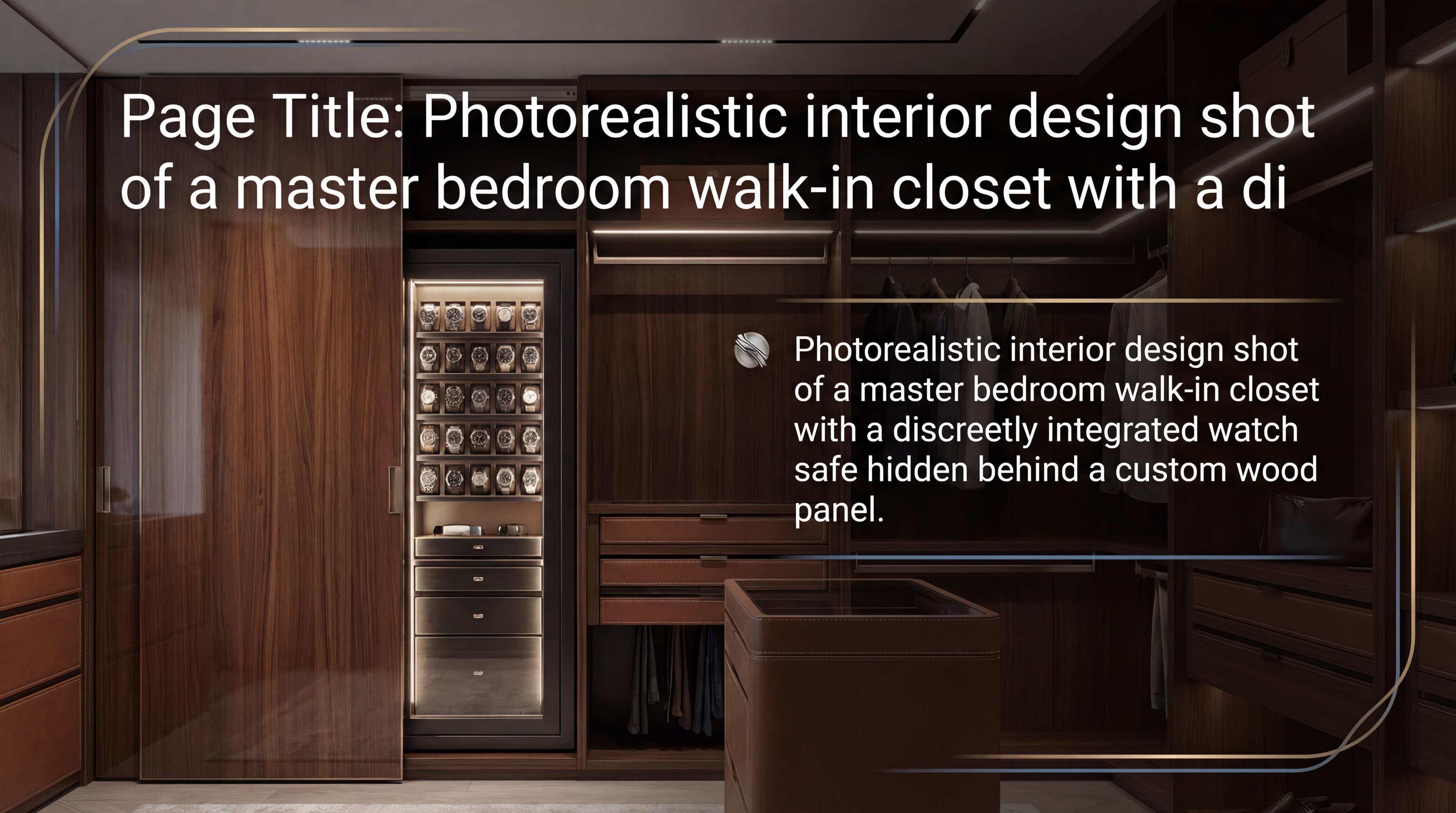
The ideal installation location for your watch winding safe is a discreet area that is structurally reinforced and allows for the safe to be bolted directly to the floor. You want the safe to be accessible for your daily routine but hidden from the casual view of guests or service workers.
Here is the kicker: a safe that isn’t bolted down can be wheeled out by a prepared thief, regardless of how heavy it is.
Strategic Room Selection
Most collectors prefer the master bedroom closet because it allows for easy access while getting dressed. However, a home office or a dedicated “man cave” can also provide a secure and private environment for your collection.
- Master bedroom walk-in closets.
- Reinforced home office corners.
- Climate-controlled basements.
- Hidden “safe rooms” or pantries.
Anchoring and Power Needs
Since winding safes require electricity, you must ensure your chosen location has access to a power outlet or can be professionally wired. You also need a solid concrete or wood-joist floor to secure the mounting bolts.
- Proximity to grounded power outlets.
- Access to concrete floor for bolting.
- Reinforced floor joists for heavy units.
- Clearance for the door to swing 180 degrees.
Key Takeaway: The best location combines structural security, daily convenience, and total discretion to keep your collection truly safe.
| Location Factor | Importance | Reason |
|---|---|---|
| Discretion | High | Prevents targeting by thieves |
| Floor Strength | Critical | Supports heavy steel weight |
| Power Access | Essential | Runs the winding motors |
A strategic installation maximizes the safe’s security features while integrating seamlessly into your daily lifestyle.
Secure Your Legacy with Jimbo Safes
The evolution of watch winding safes has brought us to an era where security and horological maintenance exist in perfect harmony. You no longer need to sacrifice the health of your movements for the safety of your home. At Jimbo Safes, we are dedicated to providing the most advanced protection solutions for the world’s finest collections. Whether you are a first-time buyer or an experienced horologist, our mission is to eliminate your anxiety and protect your investment for generations to come. Don’t leave your legacy to chance—contact us today to find the perfect fortress for your timepieces.
Frequently Asked Questions
Can I store quartz watches in a winding safe?
Yes, you can store them in the stationary drawers or shelves, but they do not need to be placed on the active winding modules.
What’s the best way to clean the interior?
Use a soft, dry microfiber cloth or a very lightly dampened cloth with mild soap for leather surfaces; avoid harsh chemicals that could damage movements.
How often should I change the safe’s batteries?
If you aren’t using a direct power plug, you should replace high-quality alkaline batteries every 6–12 months to ensure the biometric lock remains responsive.
Can I customize the TPD for each watch?
Yes, premium safes allow for individual motor programming, so you can set unique TPD and direction settings for every watch in your collection.
What happens to my watches during a power outage?
Most high-end safes include a battery backup system that will keep the winders running and the digital locks functional for several days or weeks.


