

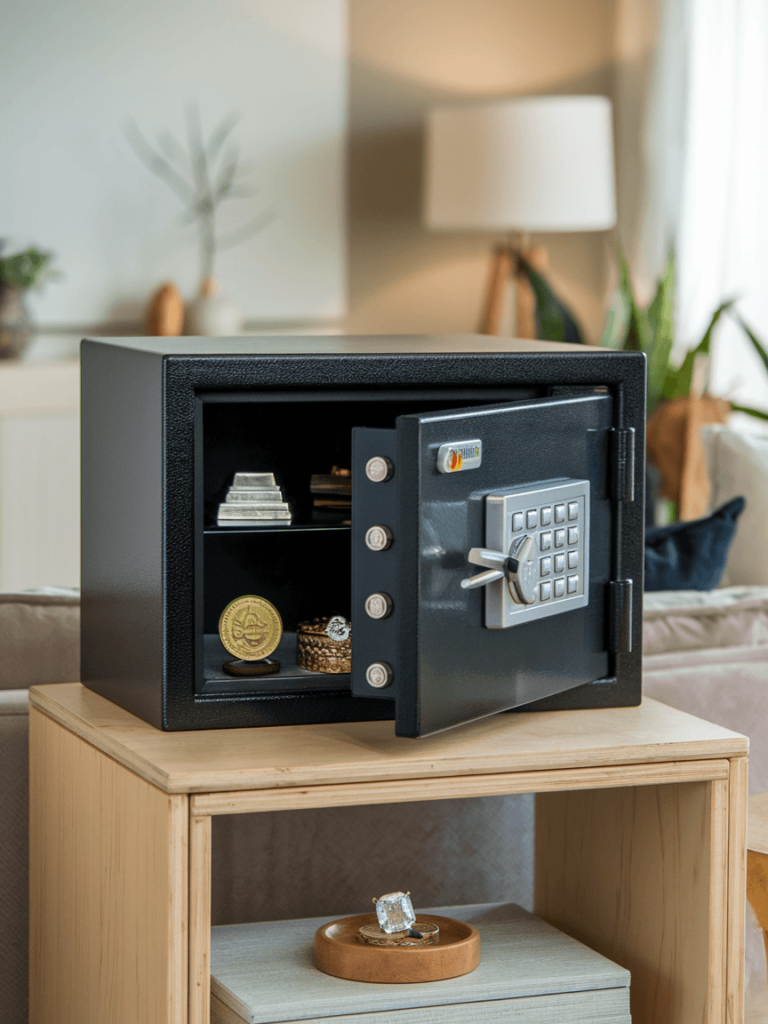
Introduction: Why You Need a Home Safe Box
Imagine returning from vacation to find your bedroom ransacked—irreplaceable items gone, drawers emptied, and that hidden cash envelope vanished. Or waking at 3 AM to smoke alarms blaring, realizing your critical documents are trapped in a flaming home office. These aren’t just nightmares; they’re preventable disasters.
A robust residential vault isn’t about paranoia—it’s about control. While no system is flawless, the right fortress for your possessions deflects thieves, resists infernos, and even survives floods. Think birth certificates shielded from coffee spills, rare coins protected from sticky fingers, or confidential data locked away from prying eyes.
Yet most buyers regret their choice within a year. Too small. Weak lock mechanism. No fireproofing. The market drowns in shiny decoys that fail when tested. Your mission? Cut through the noise. Discover which features actually matter—and which boxes are worth their weight in steel. Time to turn your home into a fortress.
Essential Characteristics of a High-Quality Security Container
Selecting the right protective storage requires understanding these critical specifications that separate premium units from inferior models.
1. Access Control Systems
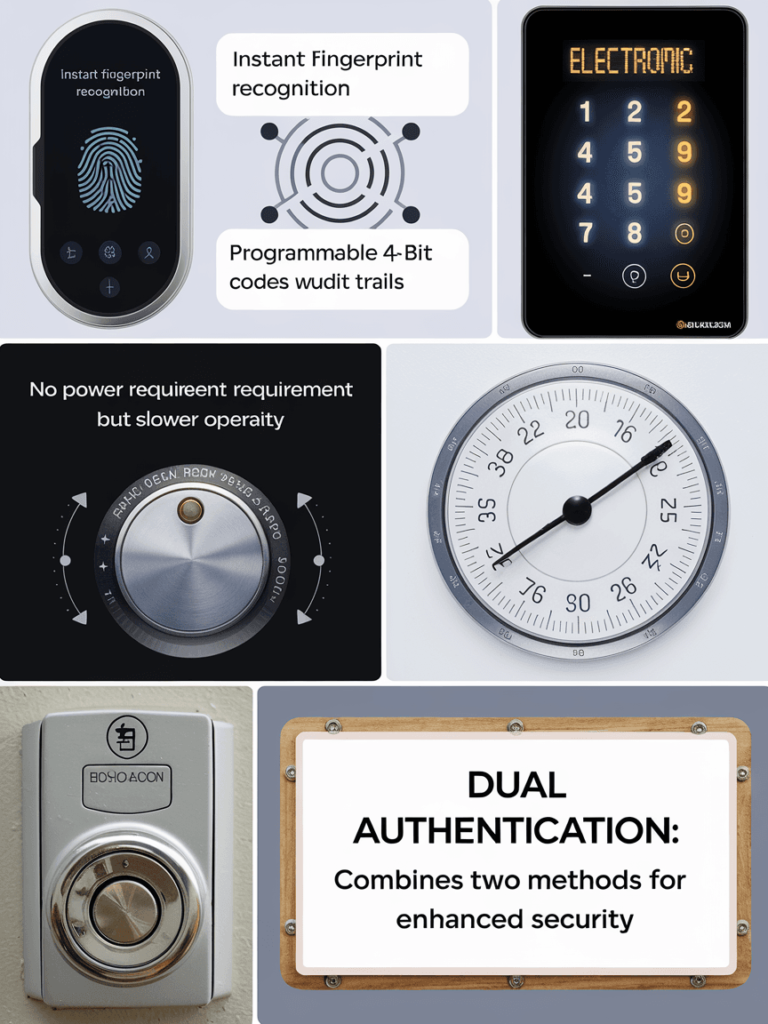
- Biometric scanners: Instant fingerprint recognition (0.5-2 second access)
- Electronic keypads: Programmable 4-8 digit codes with audit trails
- Mechanical dials: No power requirement but slower operation
- Dual authentication: Combines two methods for enhanced security
2. Thermal Endurance Specifications
- Minimum viable protection: 30 minutes at 1,200°F
- Optimal performance: 60+ minutes at 1,700°F
- Document-rated vs. media-rated insulation differences
- Look for UL/ETL certifications for verified claims
3. Intrusion Prevention Attributes
- Steel gauge importance: 10-12 gauge for residential protection
- Anti-drill plates: Hardened steel barriers around locking mechanisms
- Boltwork quality: Minimum 1″ diameter locking bolts
- Hinge design: Internal vs. external configurations
4. Interior Dimensions Considerations
- Measure largest item plus 20% clearance
- Shelving configurations: Fixed vs. adjustable
- Door organization: Built-in pockets or document hangers
- Specialized interiors for jewelry, firearms, or media storage
5. Installation & Positioning Factors
- Anchoring requirements: Concrete vs. wood floor mounting
- Weight distribution: How mass affects security level
- Mobile alternatives: Temporary vs. permanent solutions
- Professional installation recommendations
Critical Insight: The most secure unit becomes worthless if improperly sized for your needs. A quality container should balance protection with practical accessibility – a biometric wall unit won’t help if it can’t hold your important files, while an oversized floor model may compromise concealment.
Strategic Placement for Optimal Asset Protection
The location of your security vault significantly impacts its effectiveness. These professional guidelines ensure both accessibility and concealment.
1. Unconventional Concealment Locations
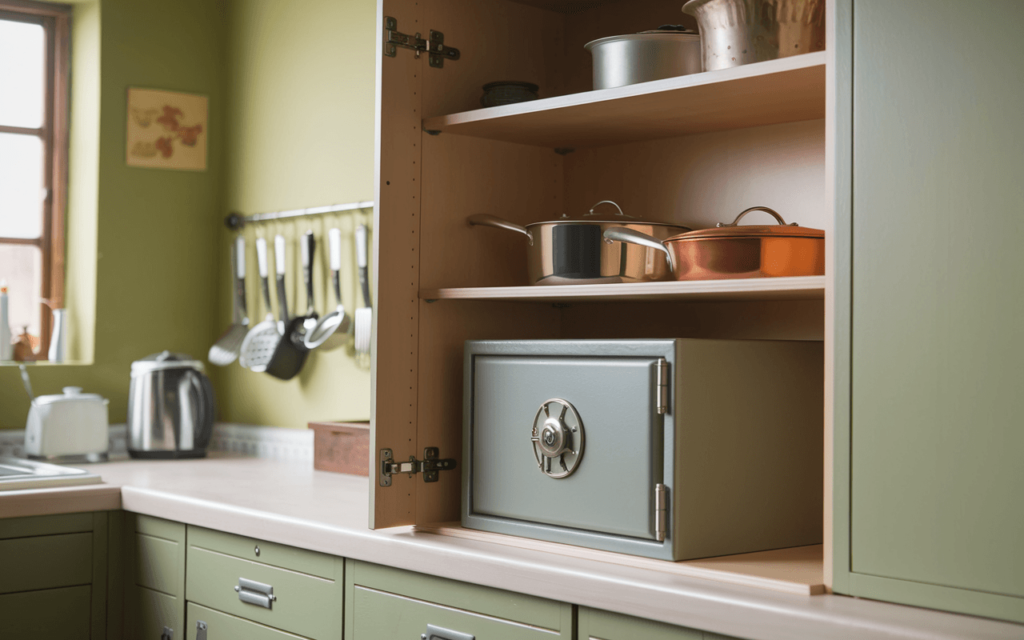
- False cabinet bottoms in laundry rooms or kitchens
- Behind removable baseboard panels in home offices
- Buried within attic insulation (climate-controlled environments only)
- Disguised as HVAC ductwork in basements
2. High-Risk Areas to Avoid
- Master bedroom hotspots (nightstands, wardrobe interiors)
- Garage installations (temperature fluctuations)
- Obvious furniture concealment (entertainment centers, bookcases)
- Any location requiring visible digital keypad exposure
3. Professional Installation Techniques
- Wall-mounted units: Position between studs with reinforced framing
- Subfloor models: Concrete anchor bolts with tamper-proof caps
- Climate considerations: Avoid exterior walls in four-season climates
- Accessibility balance: 30-second emergency access rule
4. Behavioral Deterrent Strategies
- Create “decoy” storage spots with empty containers
- Maintain consistent dust patterns around hidden units
- Install motion-activated lighting near concealed locations
- Consider visible security system components as misdirection
5. Special Considerations
- Fireproof units: Avoid placement near potential fuel sources
- Gun storage: Must balance quick access with child safety
- Document protection: Prioritize moderate humidity locations
- Jewelry storage: Include anti-tarnish strips in placement planning
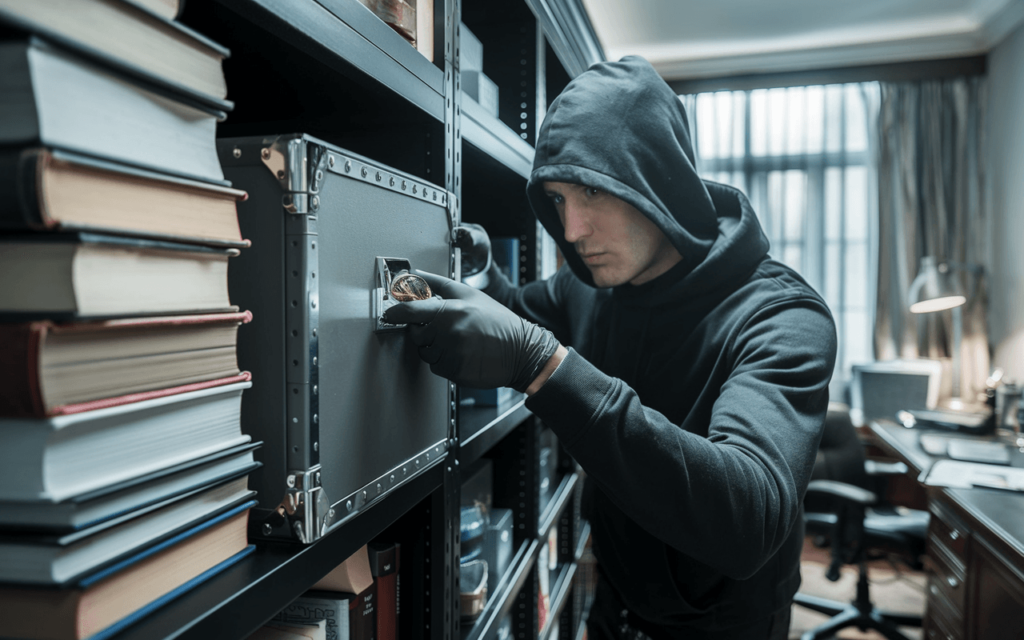
Security Paradox: The most convenient locations are typically the least secure. Professional thieves often find units within 7 minutes – your goal is to exceed this discovery threshold through creative placement and environmental camouflage.
Essential Items for Your Residential Security Vault
Your protection unit should safeguard both practical necessities and irreplaceable valuables. Here’s what deserves this level of security:
1. Critical Paperwork
- Identity verification: Citizenship papers, adoption records
- Property ownership: Titles, surveys, mortgage documents
- Legal instruments: Wills, power of attorney, marriage licenses
- Financial records: Stock certificates, bonds, tax returns
2. Portable Valuables
- Emergency funds: $1,000+ in small denominations
- Family heirlooms: Pocket watches, vintage jewelry
- Collectibles: Rare coins, stamps, trading cards
- Precious metals: Gold/silver bars in protective sleeves
3. Digital Assets
- Encrypted drives: Password manager backups
- Family archives: Digitized photos, home videos
- Business continuity: Backup tapes, client records
- Crypto wallets: Seed phrase metal engravings
4. Protection Equipment
- Registered firearms: With trigger locks
- Spare ammunition: In separate locked containers
- Personal defense items: Pepper spray, tasers
- Emergency communication: Satellite messengers
5. Unexpected Essentials
- Medical information: Blood type, allergy lists
- Spare keys: Vehicle, safety deposit box
- Emergency contacts: Printed phone tree
- Survival items: Waterproof matches, cash cards
Storage Wisdom: Organize contents by frequency of need – keep regularly accessed items toward the front. Use waterproof bags within the container for added protection. Remember that overstuffing compromises both security and accessibility.
Preserving Your Security Unit’s Performance
Proper care ensures your protective storage functions flawlessly for decades. Follow these maintenance protocols:
1. Power System Upkeep
- Electronic lock batteries: Replace every 12 months (even if not depleted)
- Backup key storage: Keep in separate weatherproof location
- Low-battery alerts: Test warning signals quarterly
2. Mechanical Component Care
- Annual lubrication: Use graphite powder for tumblers
- Boltwork inspection: Check for metal fatigue every 2 years
- Combination dial cleaning: Remove debris with compressed air
- Hinge maintenance: Apply silicone spray to moving parts
3. Environmental Protection
- Interior moisture control: Silica gel packs (replace monthly)
- Exterior cleaning: Microfiber cloth with mild detergent
- Gasket inspection: Check door seals for cracks
- Ventilation: Ensure proper airflow around unit
4. Operational Testing
- Monthly function checks: Test all access methods
- Emergency drill: Practice alternate entry annually
- Alarm testing: Verify sound/alert systems
- Time-delay verification: Confirm accurate settings
5. Professional Servicing
- 5-year deep inspection: Certified technician review
- Re-certification: For fireproof models after 10 years
- Technology upgrades: Biometric scanner updates
- Anchoring re-securing: Especially after home renovations
Maintenance Paradox: The most reliable units require the most consistent care. Schedule reminders for critical tasks – a failed lock during an emergency defeats the entire purpose. Document all service records inside the unit’s maintenance log.
Expert Insight: Climate-controlled environments double the lifespan of electronic components. Consider installing a humidity monitor near your storage area, and always keep manufacturer contact information accessible outside the protected space.
Truths About Residential Security Storage
Let’s dismantle dangerous misconceptions that compromise people’s protection strategies:
Myth 1: “High-End Protection is Only for Millionaires”
- Reality: Quality units start under $200 – less than replacing stolen passports
- Statistics: 30% of burglaries target middle-class homes under $100k income
- Smart Approach: Even basic models deter opportunistic thieves
Myth 2: “Compact Units Can’t Withstand Break-Ins”
- Testing Shows: Properly anchored 14-gauge steel resists prying for 8+ minutes
- Criminal Psychology: Most intruders abandon attempts after 90 seconds
- Strategic Use: Ideal for discreet document and medication storage
Myth 3: “Fire-Resistant Means Invincible”
- Temperature Limits: Paper protection fails above 350°F internal temps
- Duration Matters: 30-minute rating ≠ 2-hour fire survival
- Critical Detail: Water damage often ruins contents post-fire
Additional Misconceptions:
- “Digital Locks Always Fail in Emergencies” (Most have mechanical overrides)
- “Burglars Don’t Look for Hidden Units” (They check 7 standard locations first)
- “Garage Installations Offer Equal Protection” (Temperature swings damage mechanisms)
Security Insight: Thieves specifically target homes without proper storage – making any quality unit a deterrent. The real vulnerability isn’t your unit’s size, but its installation quality and concealment.
Self-Installation vs Expert Setup: Making the Right Choice
Securing your protective storage properly requires understanding when DIY works and when specialists are essential.
1. Appropriate DIY Scenarios
- Lightweight units under 150 lbs
- Wood-frame floor anchoring
- Basic wall models with pre-drilled templates
- Non-critical document storage needs
Required Tools for Proper Self-Installation:
- Concrete drill bits (for slab foundations)
- Tamper-proof anchor bolts
- Laser level for precise alignment
- Vibration dampening pads
2. Mandatory Professional Installation
- Units exceeding 400 lbs
- Custom concealed wall/floor cavities
- High-security vault doors
- Firearm storage requiring regulatory compliance
Specialist Advantages:
- Structural load analysis
- Hidden tamper alerts
- Custom reinforcement framing
- Insurance documentation support
3. Cost & Risk Analysis
| DIY | Professional | |
|---|---|---|
| Typical Cost | 50−150 | 300−1,200 |
| Time Investment | 4-8 hours | 2-3 hours |
| Warranty Impact | Often voided | Fully maintained |
| Security Guarantee | Limited | Certified |
Critical Insight: A 5,000vaultprovides500 protection if improperly installed. Most residential burglaries exploit weak anchoring points rather than defeating locks.
Decision Checklist:
☑️ Does the unit require concrete core drilling?
☑️ Is the location visible during normal use?
☑️ Does homeowners insurance require professional installation?
Selecting Protective Storage for Different Living Situations
Your dwelling type dramatically impacts ideal security solutions. Here’s how to match your living space with proper protection.
For Apartment Dwellers
- Weight restrictions: Opt for sub-100lb units to comply with lease terms
- Vertical designs: Utilize closet height rather than floor space
- Non-permanent anchoring: Security brackets over bolt-downs
- Multi-functional units: Disguised as furniture pieces
Key Apartment Features:
• Fire-resistant insulation
• Slim electronic locks
• Quick-release mobility handles
• Noise-dampened operation
For Private Residences
- Structural advantages: Utilize basements or slab foundations
- Custom installations: Built-in wall cavities or floor mounts
- Expanded capacity: 30+ cubic inch models for whole-home protection
- Advanced deterrents: Connected alarm systems
Homeowner Priorities:
• 10+ gauge steel construction
• Professional anchoring
• Fireproof + waterproof combo
• Multiple access methods
Renter-Specific Solutions
- Portable depositories with GPS tracking
- Modular systems that scale with moves
- Landlord-approved mounting systems
- Insurance-friendly documentation features
Space-Saving Innovations
- Under-bed drawer safes
- False HVAC vent units
- Mirror-mounted concealment
- Appliance-disguised designs

