 跳到内容
跳到内容 

Choosing between a wall or free-standing unit depends on your collection size and the structural limitations of your home. You have spent years curating a luxury collection, yet keeping your timepieces on a dresser leaves them vulnerable to both theft and mechanical stagnation. A high-quality home safe with watch winder solves this by providing heavy-duty security alongside the specific rotation your automatic movements require to stay healthy.
Why is a Dedicated Watch Winder Safe Essential for Luxury Collections?
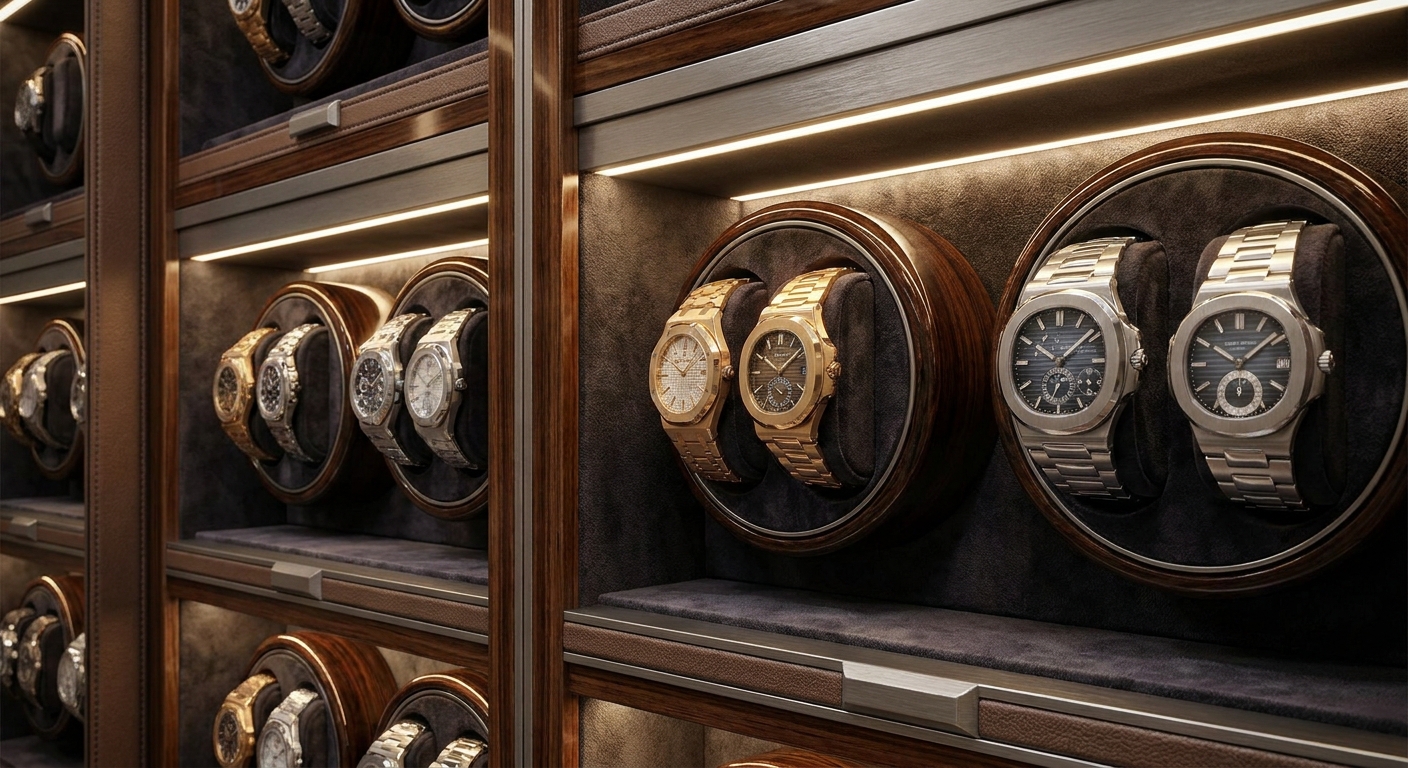
A dedicated unit is essential because it prevents the lubrication inside your watch from clotting while providing physical protection. When automatic watches sit idle for too long, the oils can gum up, leading to expensive service costs. A home safe with watch winder ensures your investment remains in peak mechanical condition and ready for immediate wear.
Is physical protection the only benefit?
The short answer is no.
- Physical deterrence stops opportunistic thieves.
- Winding modules prevent mechanical degradation.
- Organized interiors protect watches from scratches.
Let’s face it: your collection deserves more than just a locked box. You need a system that acts as both a fortress and a valet for your timepieces.
Essential Benefits Summary
| Feature | Protection Goal | Result |
|---|---|---|
| Reinforced Steel | Anti-Theft | Physical Security |
| Programmable Winders | Movement Health | Mechanical Readiness |
| Interior Padding | Damage Prevention | Cosmetic Preservation |
The combination of high-security locking and precise mechanical maintenance makes a specialized safe the only logical choice for serious enthusiasts.
What are the Primary Benefits of Installing an In-Wall Watch Winder Safe?
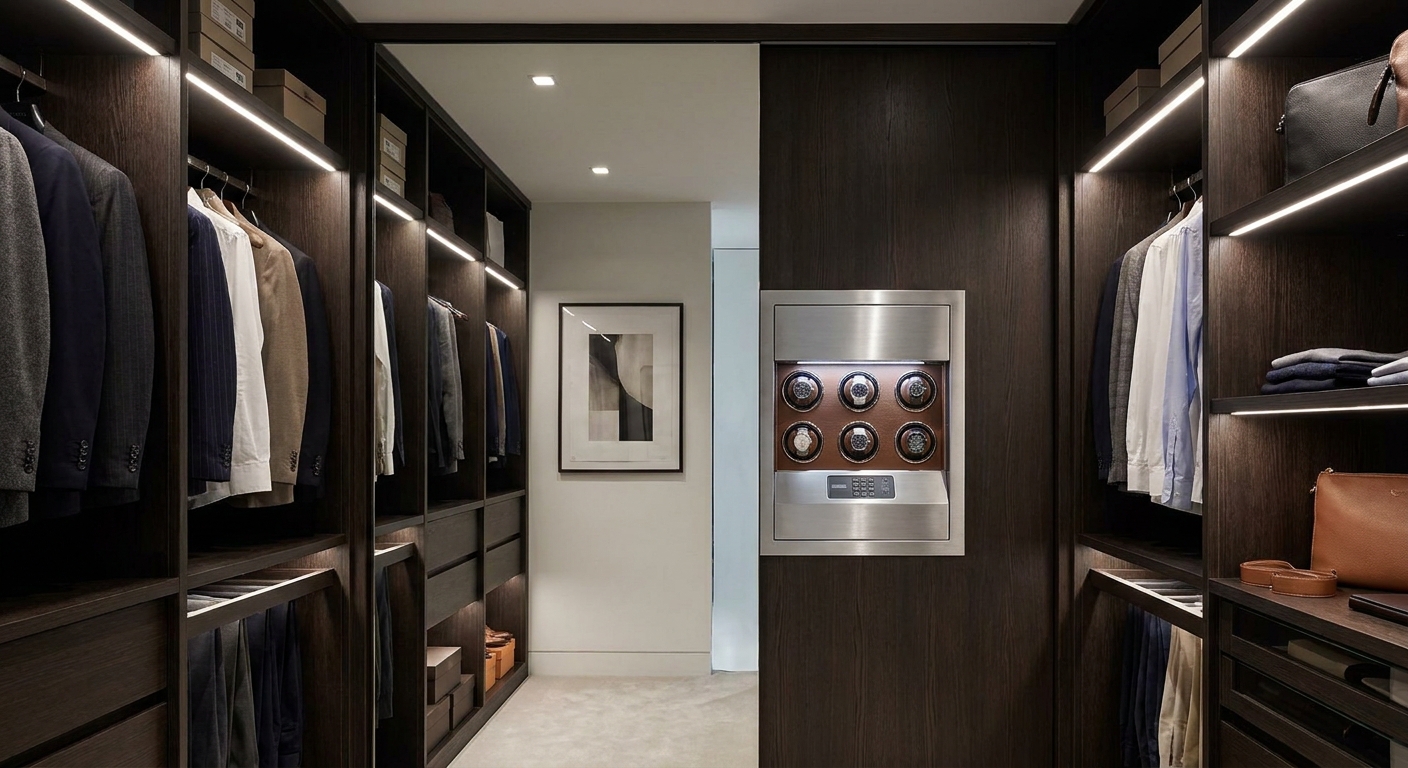
In-wall safes provide the dual advantages of extreme concealment and space-saving efficiency within your home. These units fit between standard wall studs, allowing you to hide your collection behind a mirror or artwork. Integrating a home safe with watch winder into your architecture removes clutter from your floor plan while keeping your watches at eye level for easy access.
Why does concealment matter more than steel?
It’s simple: what a thief can’t find, they can’t steal.
- Flush mounting allows for easy hiding.
- Stud-bolted installation prevents easy removal.
- Strategic height placement improves daily ergonomics.
But here is the kicker: a concealed safe provides a psychological layer of security that a massive floor safe simply cannot match. By utilizing existing wall voids, you gain security without sacrificing the aesthetic flow of your room.
In-Wall Feature Comparison
| Feature | Advantage | Ideal For |
|---|---|---|
| Flush Profile | Easy Concealment | High-traffic areas |
| Eye-Level Access | Better Ergonomics | Daily wear rotation |
| Stud Anchoring | Structural Security | Apartments and bedrooms |
Prioritizing concealment through an in-wall model often provides a more sophisticated security strategy than relying on raw mass alone.
When is a Free-Standing Watch Winder Safe the Right Choice?
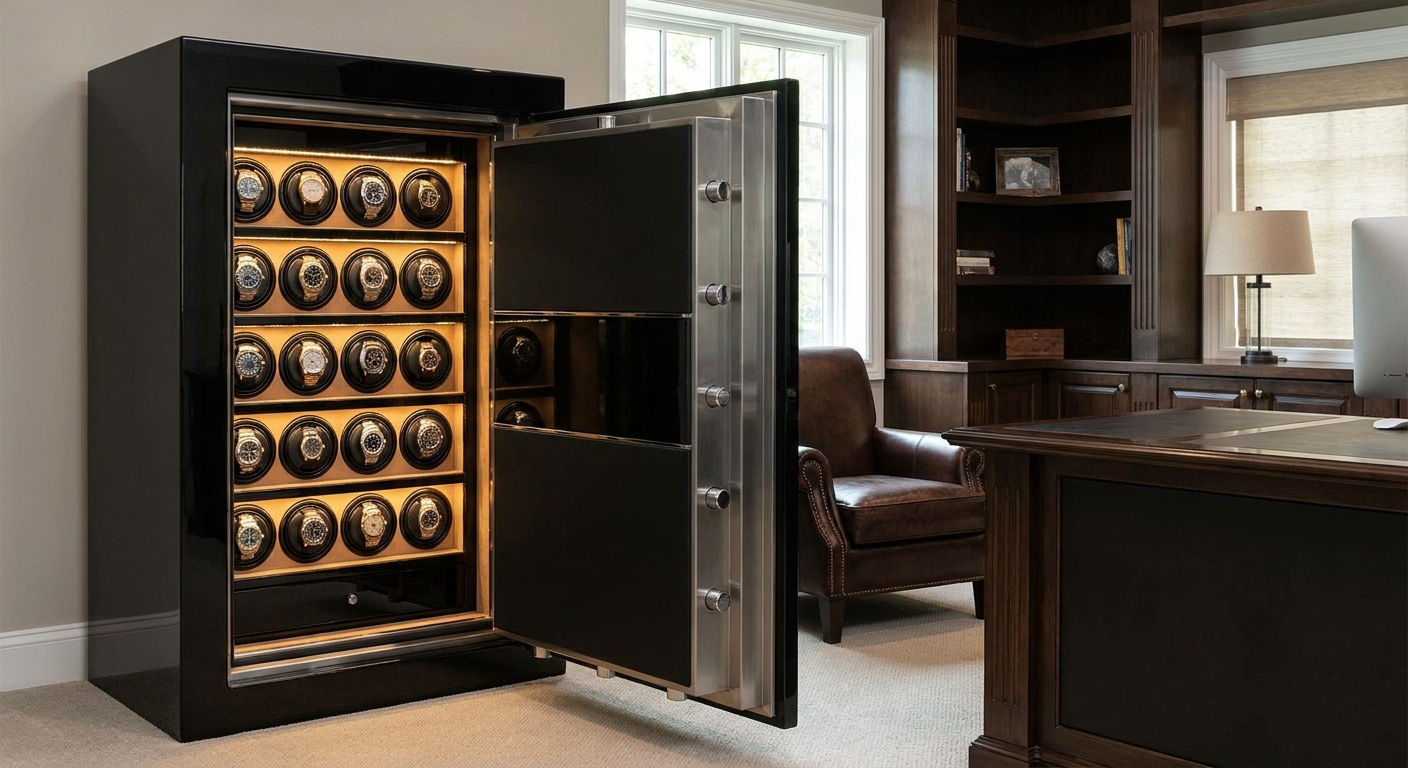
A free-standing safe is the best choice when you have a large collection or need the highest possible fire and burglary ratings. These units offer significantly more internal volume, often accommodating 12 to 50+ winding modules. Selecting a home safe with watch winder in a floor-standing format allows for heavy-gauge steel construction that would be too heavy for standard wall installation.
Does a larger collection require more security?
Absolutely, and mass is your friend here.
- Heavy weight makes unauthorized removal nearly impossible.
- Thicker fireproofing protects delicate watch lubricants.
- Ample space allows for additional jewelry storage.
Believe it or not, the sheer presence of a TL-rated floor safe can be enough to deter most residential burglars. If you live in a rental or a home where cutting into walls isn’t an option, these units provide the ultimate mobile fortress.
Free-Standing Specifications
| Factor | Floor-Standing Capacity | Benefit |
|---|---|---|
| Volume | 12 – 60+ Watches | Scalability |
| Fire Rating | 60 – 120 Minutes | Thermal protection |
| Weight | 300 – 1,000+ lbs | Theft deterrence |
Collectors who prioritize maximum capacity and extreme fire resistance will find the free-standing safe to be the superior investment.
How Do Integrated Watch Winders Protect Automatic Movements?
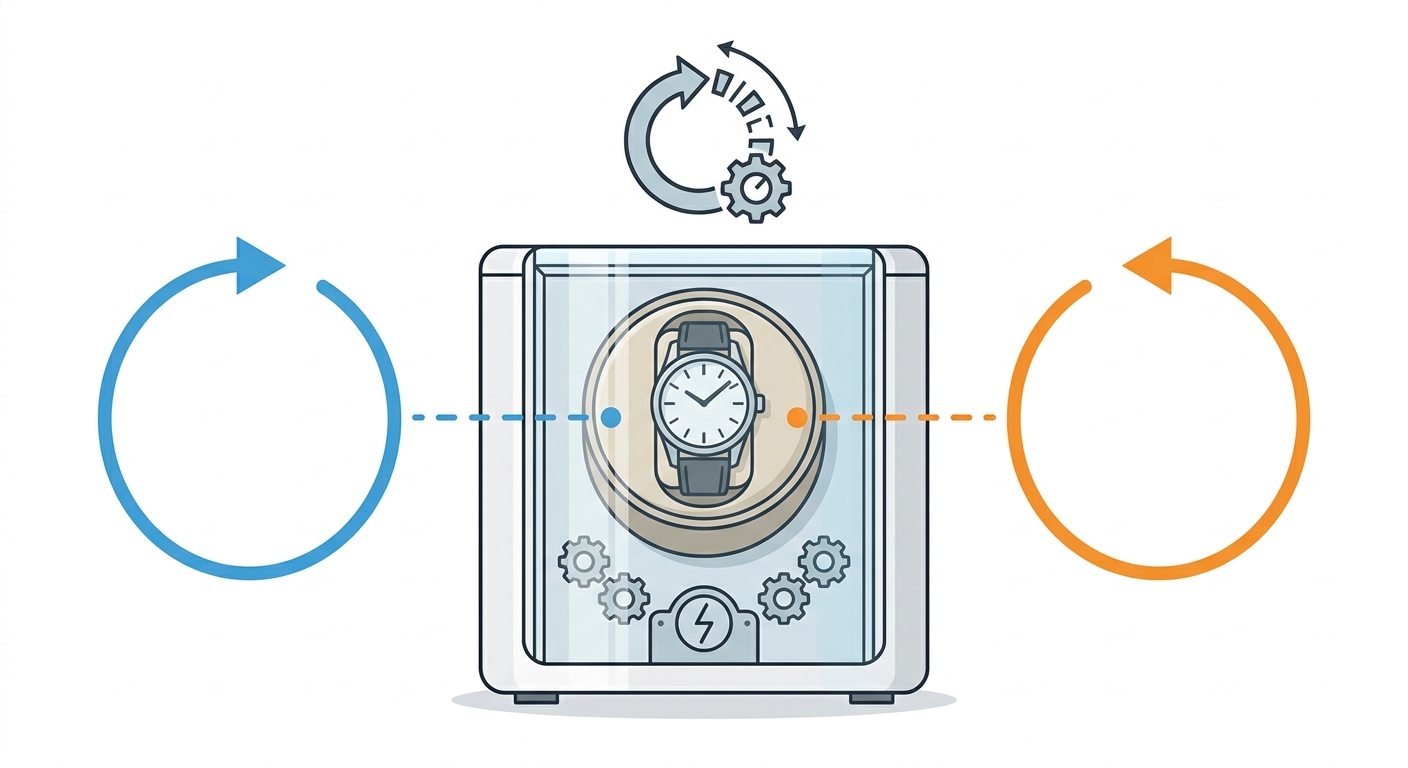
Integrated winders protect your movements by mimicking the natural motion of the human wrist to keep the mainspring energized. This constant movement prevents the lubricants from settling and ensures that complications like perpetual calendars stay accurate. A home safe with watch winder uses shielded motors to prevent magnetic interference from affecting the delicate balance spring.
How do you match the winder to your watch?
Not all watches are wound the same way.
- TPD (Turns Per Day) settings prevent over-winding.
- Directional controls accommodate clockwise or counter-clockwise needs.
- Intermittent rotation cycles protect the slipping clutch mechanism.
Think about it: a Patek Philippe and a Rolex have completely different mechanical requirements. Using a safe with programmable modules ensures each specific caliber receives exactly the energy it needs without unnecessary wear.
Movement Requirement Examples
| Brand/Model | TPD Setting | Direction |
|---|---|---|
| Rolex Submariner | 650 | Bi-directional |
| Patek Nautilus | 800 | Counter-clockwise |
| Breitling Navitimer | 650-800 | Bi-directional |
Programmable winding technology is the only way to ensure that high-end complications remain functional and mechanically sound over the long term.
Which Security Features Should You Prioritize for High-Value Watches?
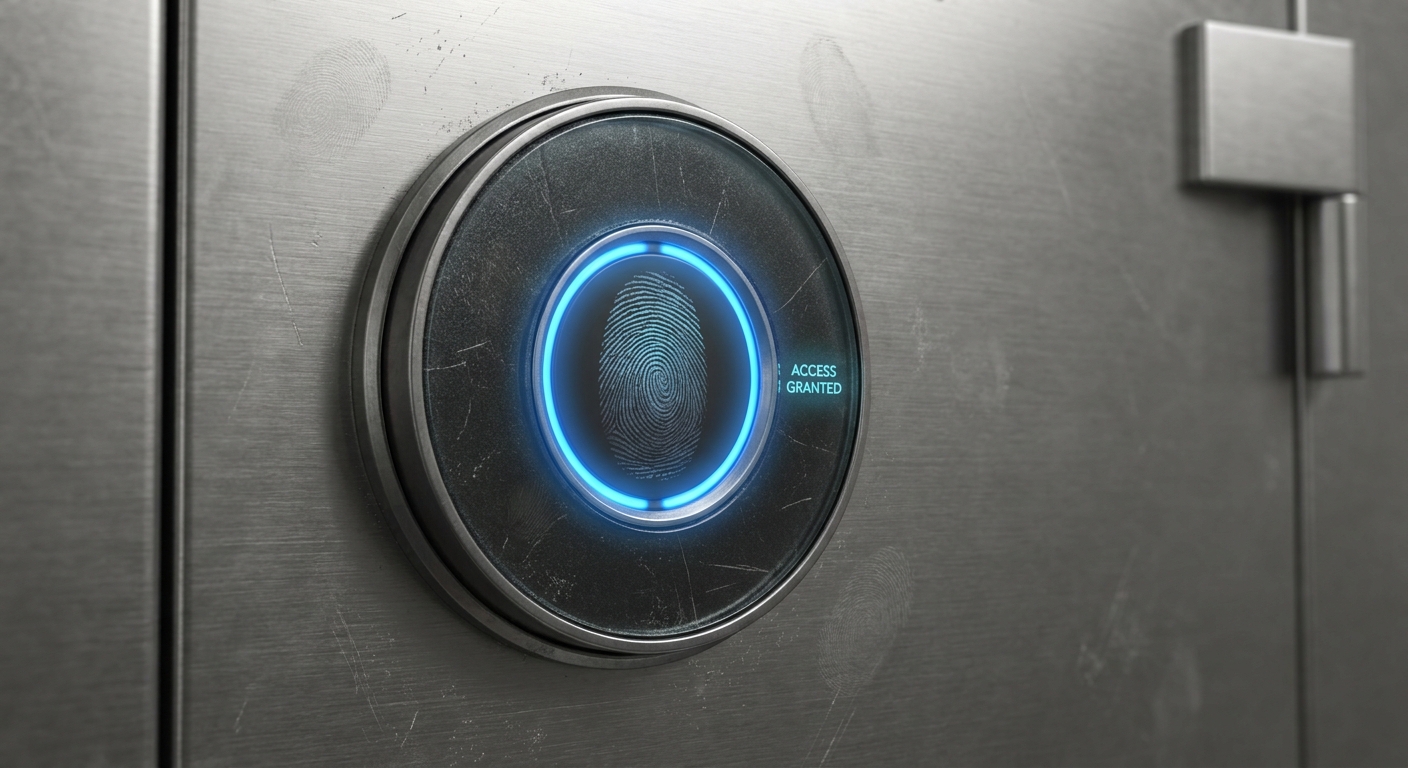
You should prioritize UL-listed electronic locks and biometric access to ensure rapid, secure entry during your daily routine. High-security safes must also include active relockers and drill-resistant hard plates to defend against physical attacks. A home safe with watch winder that features fingerprint scanning offers the perfect balance of modern convenience and professional-grade protection.
Why is biometric access becoming the standard?
Keys and combinations are easily compromised or forgotten.
- Fingerprint scanners provide access in under two seconds.
- Digital logs can track every time the safe is opened.
- Multi-factor authentication adds a second layer of defense.
The best part? You never have to worry about a thief finding a hidden key or guessing a simple four-digit code. Modern security features turn your safe into a smart device that alerts you to any tampering.
Priority Security Checklist
| Feature | Protection Level | Purpose |
|---|---|---|
| Biometric Scanner | High | Rapid, personalized access |
| Active Relocker | Critical | Blocks bolts during an attack |
| Hard Plate | High | Resists drilling and prying |
Investing in a safe with advanced electronic and physical barriers is the only way to truly mitigate the risk of a sophisticated burglary.
How Does Fire Protection Differ Between Watch Safe Models?
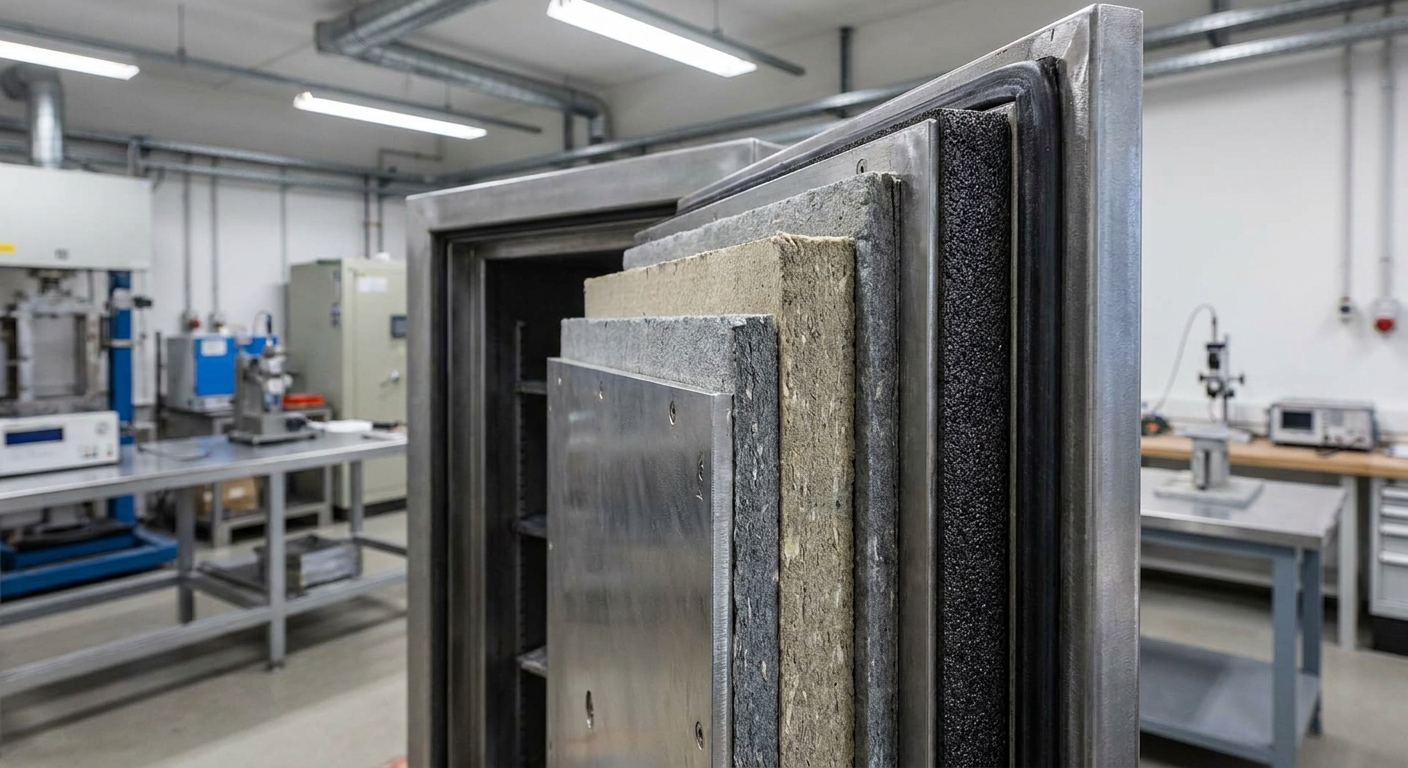
Fire protection differs based on the insulation materials used, with professional models utilizing composite fills to maintain low internal temperatures. Standard home safes might protect paper, but watch movements are sensitive to heat that can dry out essential lubricants. A home safe with watch winder with a high fire rating ensures that the internal temperature stays below the 350°F threshold required for delicate mechanics.
What should you look for in a fire seal?
Not all seals are created equal during a disaster.
- Palusol seals expand to block smoke and heat.
- Multi-layered fireboard provides a thermal barrier.
- Verified ratings (UL or ETL) ensure the safe performs as promised.
Want to know a secret? Most people underestimate the damage smoke can do. A high-quality fire safe doesn’t just stop the heat; it hermetically seals the interior to keep corrosive soot and moisture away from your watches.
Fire Rating Comparison Table
| Rating | Duration | Recommended Use |
|---|---|---|
| 30 Minutes | Short | Basic residential protection |
| 60 Minutes | Standard | Most suburban homes |
| 90+ Minutes | Premium | Remote areas with slow fire response |
Thermal protection is a critical secondary defense that prevents a fire from turning your valuable watch collection into a total loss.
What are the Best Power Options for In-Safe Watch Winders?
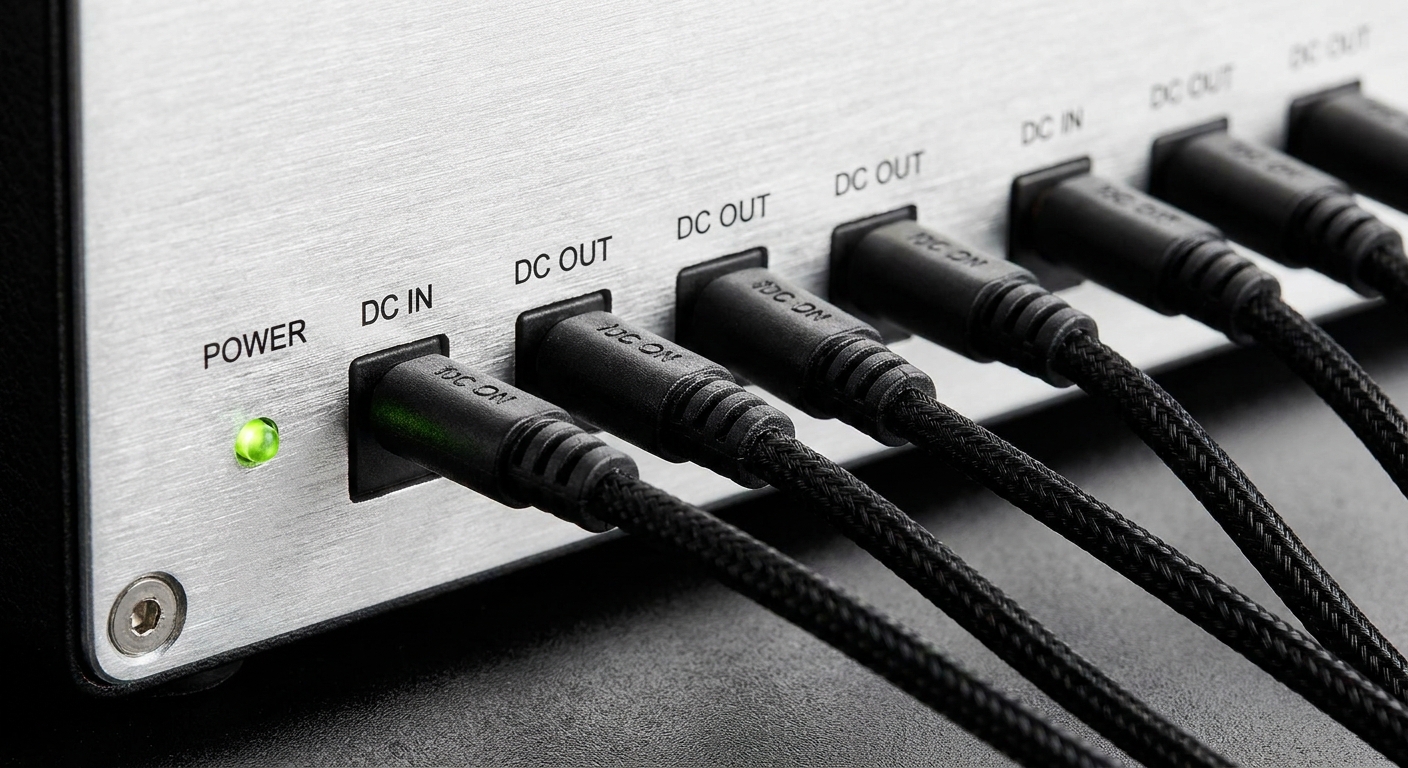
The best power option for a long-term installation is an internal AC outlet that connects directly to your home’s electrical system. This provides the most reliable energy source for multiple winders without the need for constant maintenance. A home safe with watch winder often includes a power pass-through or a battery backup system to keep your watches rotating even during a power outage.
Can you use batteries instead of a wall plug?
While possible, batteries are better suited for modular setups.
- AC power supports unlimited winding modules.
- Battery packs offer flexibility for temporary locations.
- Daisy-chain connections simplify the internal wiring.
Why does this matter? If you have more than four watches, changing D-cell batteries every few months becomes a tedious chore. An AC-powered system is “set it and forget it,” ensuring your watches never stop moving because of a dead battery.
Power Source Pros and Cons
| Power Type | Reliability | Installation Difficulty |
|---|---|---|
| Hardwired AC | Highest | Requires electrical access |
| D-Cell Batteries | Moderate | No installation required |
| Rechargeable Li-ion | High | Needs periodic charging |
Choosing a hardwired AC connection is the professional’s choice for ensuring consistent, maintenance-free operation of your winding modules.
Can You Retrofit Existing Home Safes with Watch Winder Inserts?
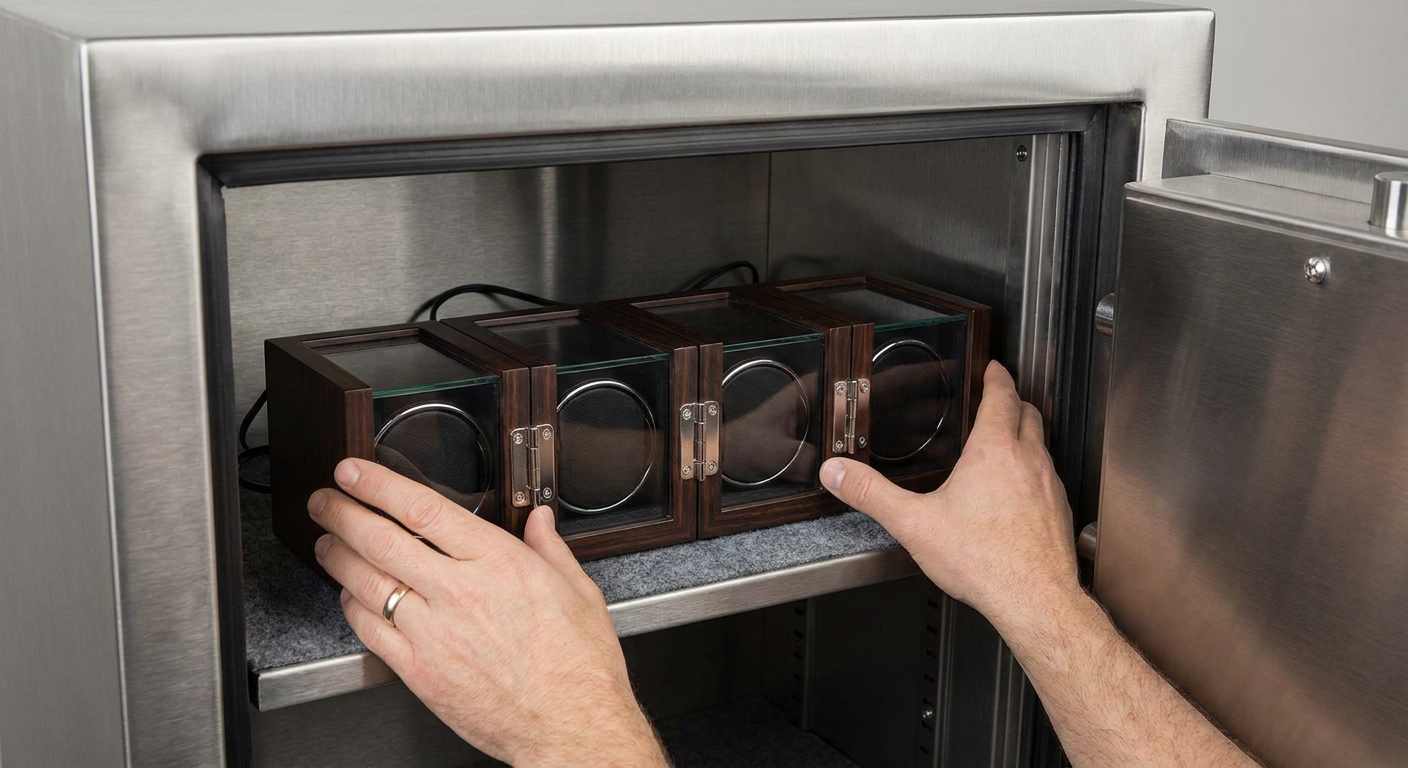
Yes, you can easily retrofit many high-quality burglary safes by adding modular winding inserts designed for standard safe dimensions. This is a cost-effective solution if you already own a secure unit but need to add mechanical maintenance features. When upgrading your home safe with watch winder components, ensure the internal depth is sufficient to allow the safe door to close without hitting the watch faces.
What are the technical requirements for a retrofit?
Measurement is the most important step before buying modules.
- Verify at least 8 inches of internal depth.
- Ensure there is a hole or notch for the power cord.
- Use soft-backed modules to prevent metal-on-metal scratches.
Look at this: a simple shelf can be transformed into a high-end watch vault with just a few hours of setup. Retrofitting allows you to keep your current heavy-duty safe while gaining the specialized functionality of a dedicated watch winder safe.
Retrofit Compatibility Checklist
| Component | Minimum Requirement | Reason |
|---|---|---|
| Internal Depth | 8 Inches | Clearance for watch and rotor |
| Power Hole | 0.5 Inches | Cord routing to external outlet |
| Shelf Load | 5 – 10 lbs | Support for modular winder weight |
Retrofitting is an excellent way to bridge the gap between general security and the specialized needs of a luxury watch collector.
How Should You Organize Jewelry and Watches Within a Single Safe?
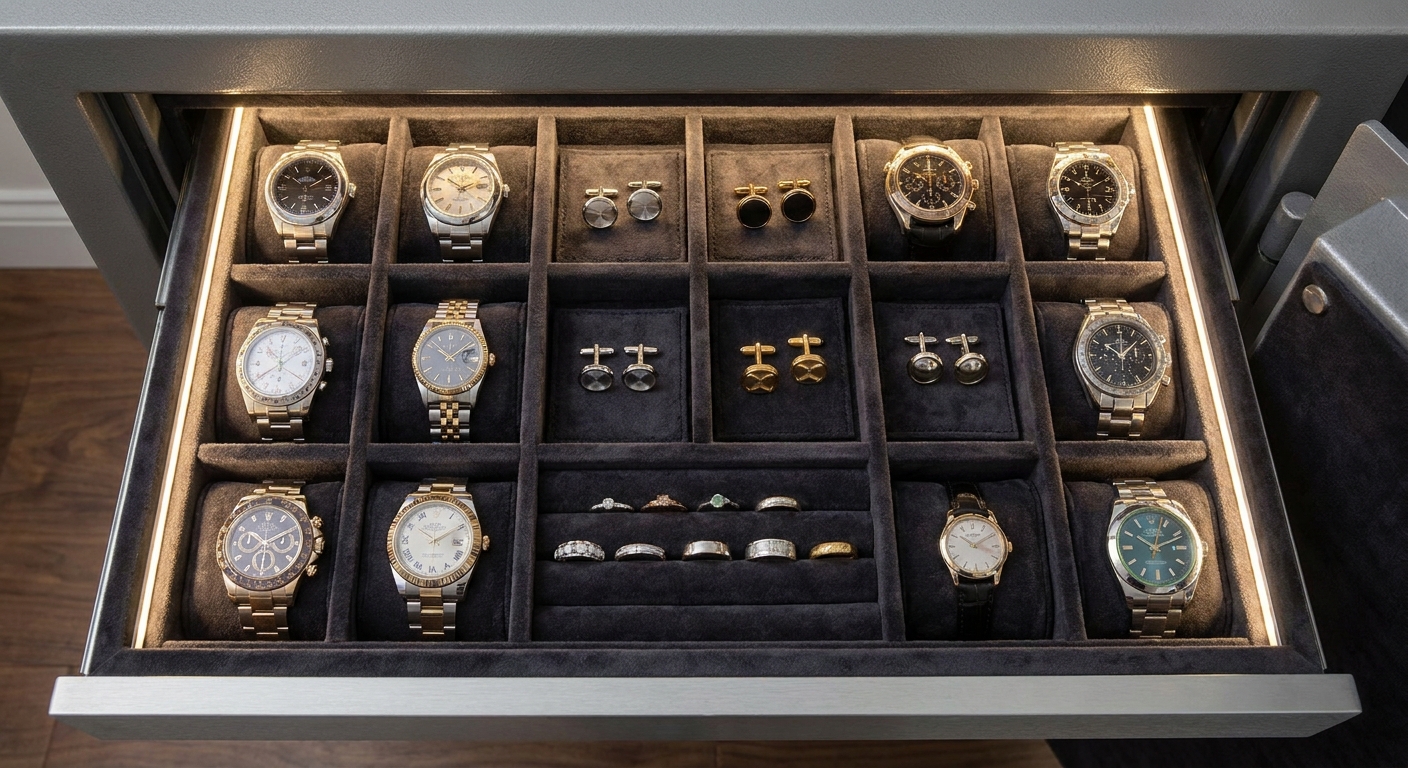
You should use a hybrid organization system that places active watches in winders at eye level and stores passive items in velvet-lined drawers below. This tiered approach maximizes space and allows you to quickly select your daily timepiece without digging through other valuables. A home safe with watch winder that includes jewelry drawers creates a centralized hub for all your high-value personal accessories.
Is a “zones” approach better for security?
Organization is actually a functional part of your security strategy.
- Top tier winders provide the fastest access for daily wear.
- Middle tier drawers keep rings and cufflinks separated.
- Bottom tier shelves hold passports and bulkier documents.
Why does this matter? A cluttered safe is a safe you won’t use correctly. By having a dedicated spot for everything, you are more likely to return your watches to their protected environment immediately after taking them off.
Recommended Safe Zoning
| Safe Level | Stored Items | Format |
|---|---|---|
| Upper (Eye Level) | Automatic Watches | Programmable Winders |
| Middle (Chest Level) | Jewelry & Gems | Velvet-Lined Drawers |
| Lower (Base) | Cash & Documents | Open Shelves or Pockets |
A well-organized safe interior not only protects your items from physical damage but also makes the daily ritual of selecting your accessories a luxury experience.
Where is the Most Secure Location to Install a Watch Winder Safe?
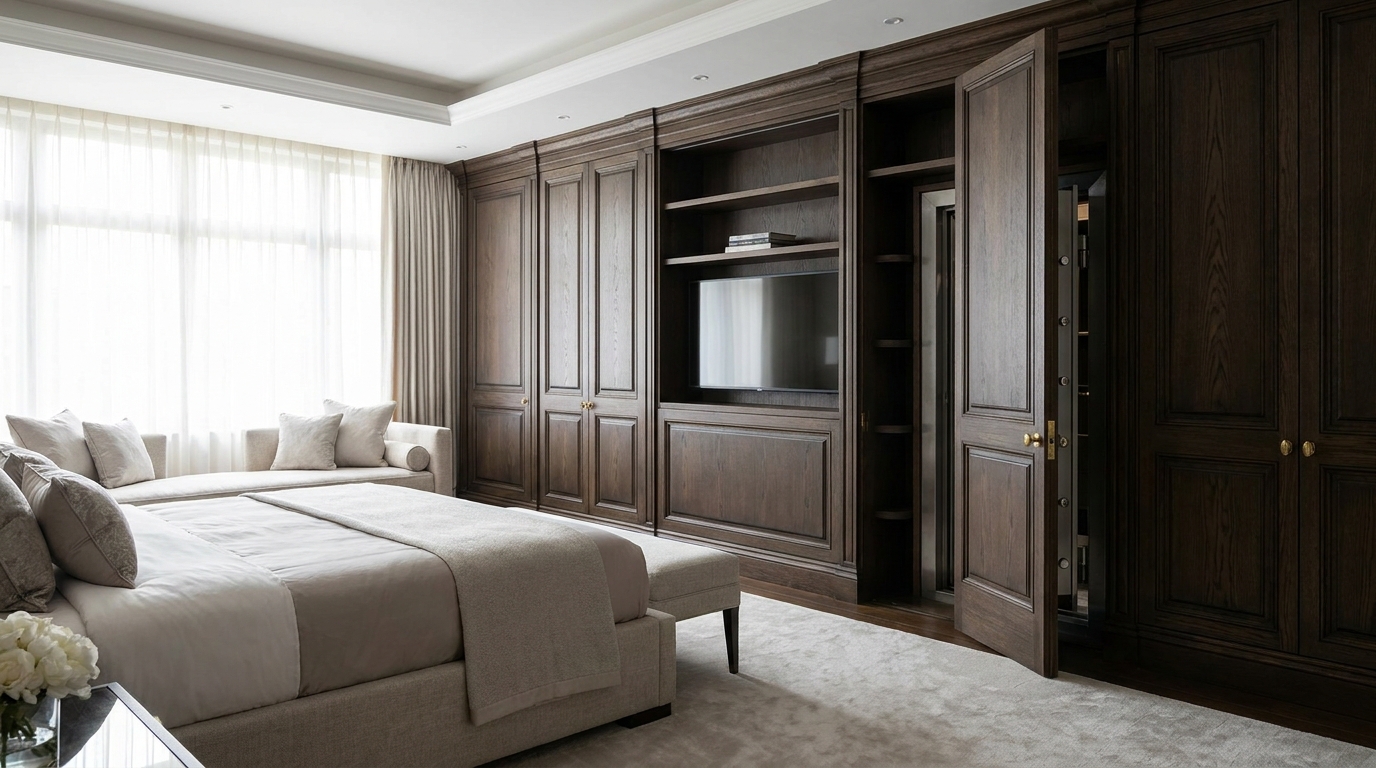
The most secure location is a secondary closet, a home office, or a basement vault that is not immediately visible to visitors or service workers. While the master bedroom is convenient, it is the first place a burglar will look for valuables. Placing your home safe with watch winder in a less obvious area adds a crucial layer of “security through obscurity” to your defense plan.
Can you hide a safe in plain sight?
Strategic furniture integration is often more effective than a basement vault.
- Custom cabinetry can hide safe doors behind panels.
- Reinforced closets provide a double barrier of protection.
- Basement installations offer the best fire protection due to concrete.
The best part? You can have convenience and security at the same time. If you install your safe in a reinforced master closet with a locking door, you gain proximity for daily use while keeping the unit hidden from casual observation.
Installation Site Comparison
| Location | Security Level | Accessibility |
|---|---|---|
| Master Bedroom | Moderate | Highest |
| Home Office | High | High |
| Basement Vault | Highest | Low |
Strategic placement is the final component of a comprehensive security plan, ensuring that your watches remain protected even if an intruder enters your home.
Frequently Asked Questions
Can I store my battery-powered quartz watches in a winder safe?
Yes, but you do not need to turn on the winders for them. Quartz watches don’t require motion to stay powered, so they can be stored on static shelves or in drawers within the same secure environment.
What’s the best fire rating for a watch safe?
A minimum of 60 minutes is recommended. This provides enough time for fire services to arrive and prevents the internal temperature from rising high enough to damage the delicate gaskets and oils in your automatic movements.
How often do the winding motors need maintenance?
High-quality motors, like Mabuchi units, can last 10-15 years without service. Most modern watch safes use silent, brushless motors that are designed for continuous operation without needing lubrication or adjustments.
Can a watch winder safe damage my watch by over-winding it?
No, provided the safe has programmable settings. Most luxury automatic watches have a “slipping clutch” to prevent over-winding, and a quality safe will have intermittent cycles that allow the mainspring to relax periodically.
Is it safe to have magnets near my automatic watches?
No, magnetism is one of the biggest enemies of mechanical watches. Professional watch safes use shielded motors and non-magnetic materials to ensure that the electronic components of the winder don’t magnetize your watch’s hairspring.
Protect Your Legacy Today
Securing your collection is an investment in the longevity of your timepieces and your personal peace of mind. Whether you choose the discreet profile of an in-wall unit or the massive capacity of a free-standing floor model, the right safe turns a collection into a legacy. Don’t leave your most valuable assets to chance. To find the perfect security solution for your home, contact us today for a personalized consultation.


