

Watch winders promote automatic watch longevity by keeping lubricants fluid and reducing mechanical wear on the crown and gaskets. Many collectors face the “idle watch syndrome,” where leaving a timepiece in a drawer leads to stagnant lubricants and the constant need for manual resetting. This frequent handling not only risks dropping the piece but also wears out the delicate seals and stems over time. A watch winder safe in wall provides the perfect solution by mimicking natural movement while ensuring your collection remains protected from theft and environmental damage.
Does a Watch Winder Really Extend Watch Life?
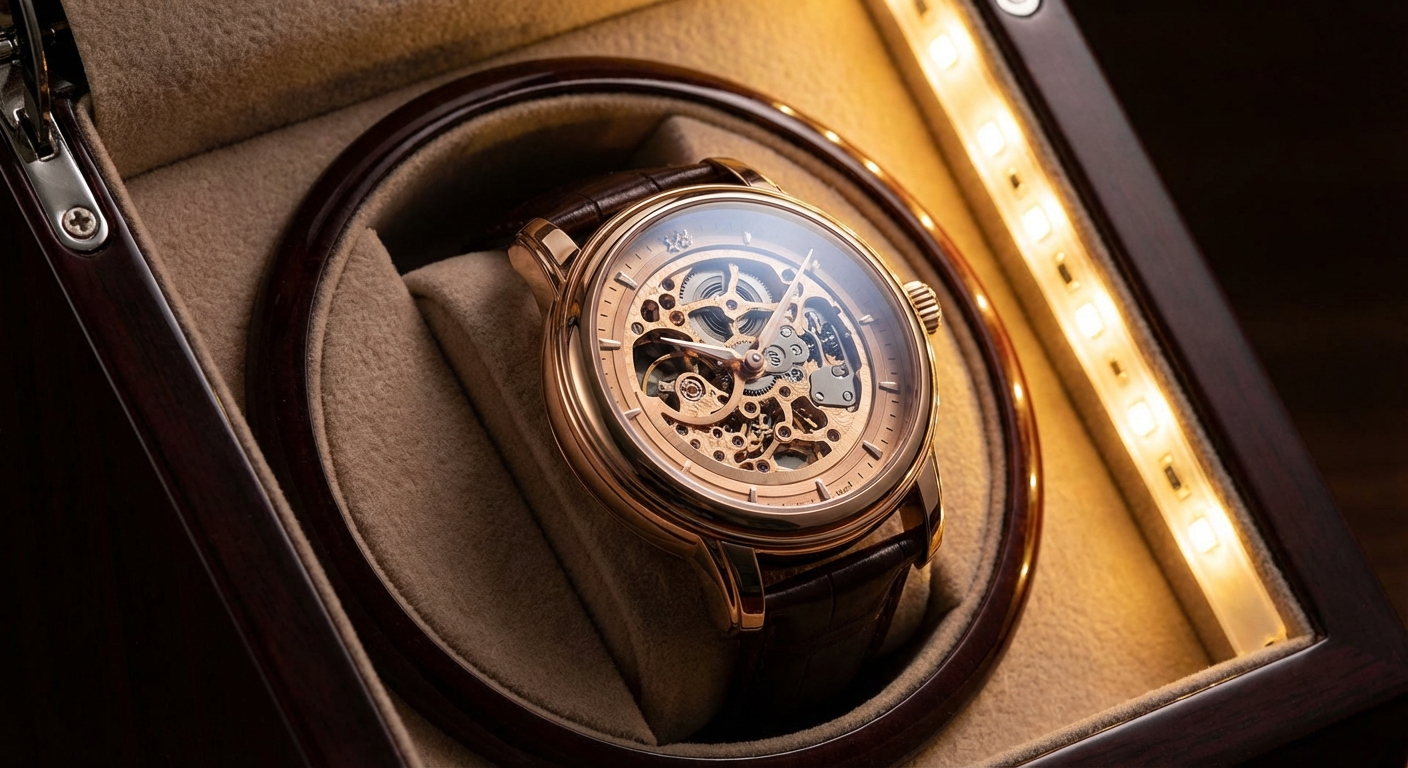
Yes, a watch winder extends life by maintaining the internal environment and mechanical readiness of an automatic movement. Utilizing a watch winder safe in wall ensures that the gears are always in motion, preventing the oils from settling or drying out. This continuous activity ensures that when you finally put the watch on, it is operating at its peak efficiency.
How does continuous motion help?
Continuous motion helps by keeping the mainspring at optimal tension and ensuring all wheels rotate freely. Think about it.
- Maintains Torque: Keeps the power reserve from reaching zero.
- Reduces Friction: Prevents “dry starts” after months of inactivity.
- Operational Readiness: Your watch is always ready for immediate wear.
You will find that a watch that stays in motion requires fewer service interventions for timing adjustments. Keeping the movement active prevents the mechanical “memory” of a stationary position from affecting accuracy.
Key Takeaway: Consistent motion is the primary defense against lubricant stagnation and mechanical atrophy.
| Feature | Impact on Longevity |
|---|---|
| Mechanical Activity | Keeps internal components engaged and supple. |
| Time Accuracy | Maintains synchronization of complex complications. |
| Wear Prevention | Reduces the need for manual winding and crown use. |
Analyzing these features reveals that the primary value of a winder lies in maintaining the status quo of a healthy movement.
Why is Constant Lubrication Distribution Vital?
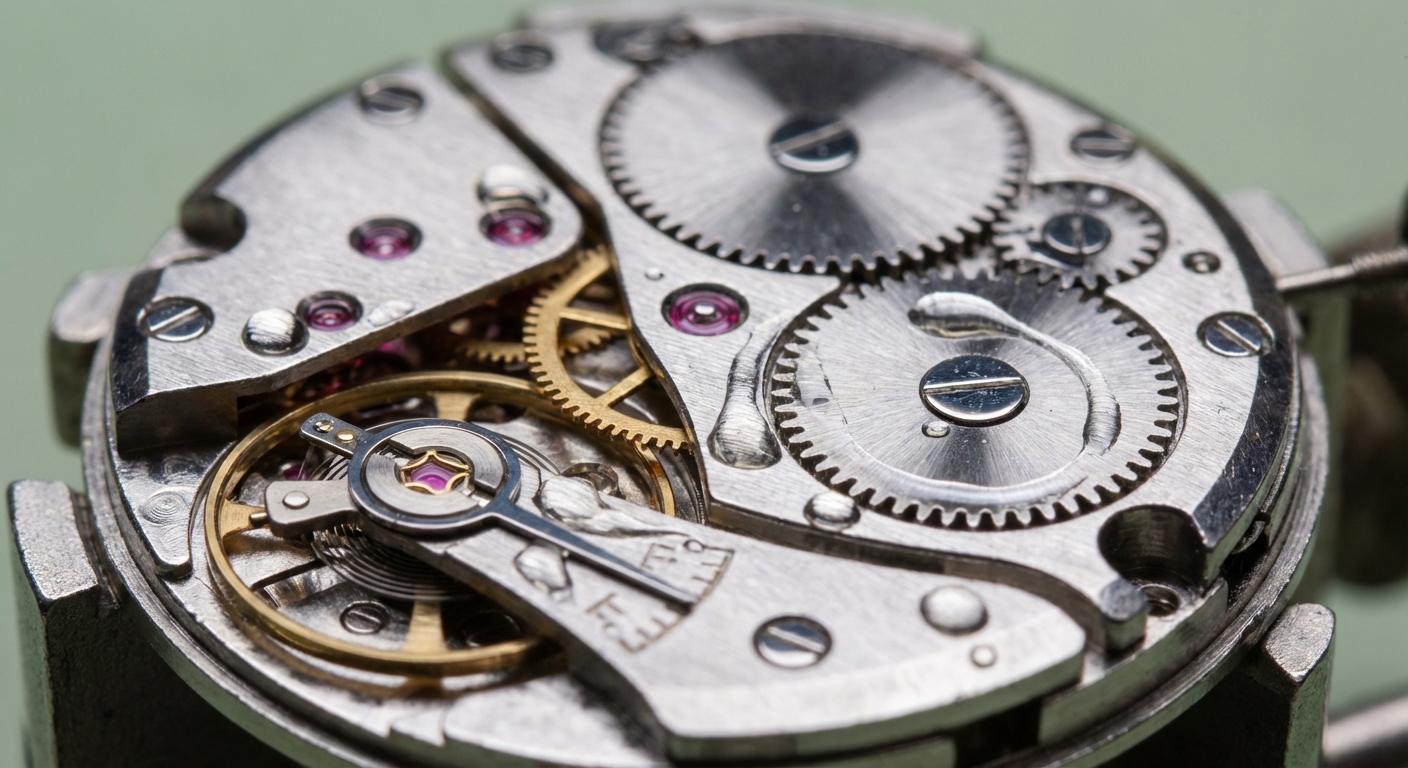
Constant lubrication distribution is vital because it prevents synthetic oils from migrating away from high-friction contact points like pivots and jewels. When you house your collection in a watch winder safe in wall, the gentle rotation ensures that these lubricants stay evenly distributed across the movement’s 50+ tiny components. Without this, the friction upon starting a “cold” movement can cause microscopic damage to the gear teeth.
What happens when lubricants sit still?
Lubricants that sit still can pool or dry out, leading to increased resistance within the gear train. You might be wondering:
- Migration: Oil can pool at the bottom of the case over long periods.
- Oxidation: While rare with modern synthetics, stagnant oil is more prone to breakdown.
- Initial Wear: Starting a dry movement creates more friction than keeping one running.
The mechanical integrity of your timepiece depends on these oils remaining exactly where they were applied by the watchmaker. You can preserve the factory-spec performance of your Rolex or Patek by simply keeping the rotor swinging.
Key Takeaway: A winder acts as a preservation tool by ensuring every pivot remains bathed in necessary lubricants.
| Lubrication Factor | Winder Benefit |
|---|---|
| Oil Distribution | Keeps pivots and gears coated uniformly. |
| Friction Control | Minimizes metal-on-metal contact during startup. |
| Service Intervals | Helps maintain performance between professional overhauls. |
This data suggests that even distribution is the most critical factor in preventing premature gear wear.
How Do Winders Prevent Wear on the Watch Crown?
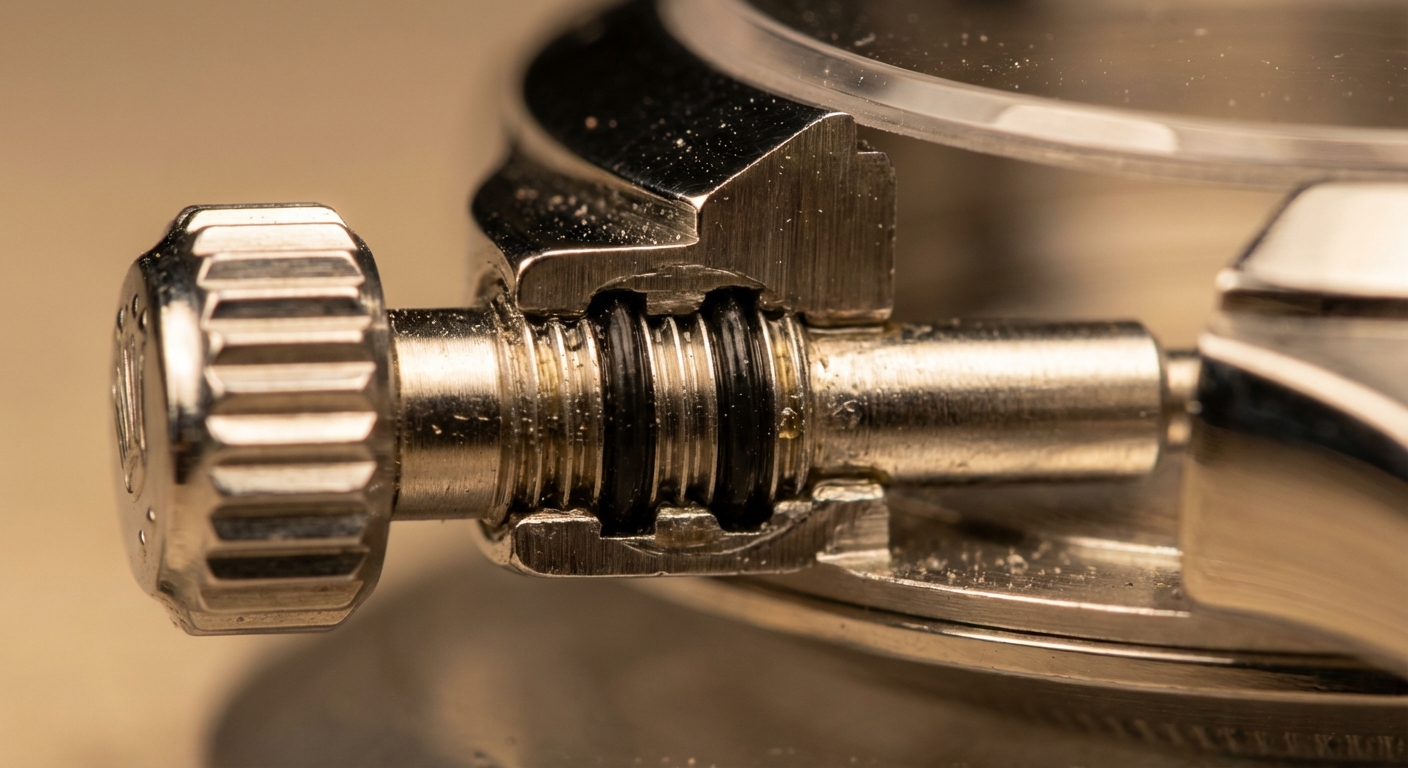
Watch winders prevent wear by eliminating the need to unscrew, pull out, and turn the crown every time you want to wear a stopped watch. Using a watch winder safe in wall keeps the time and date current, protecting the delicate stem and waterproof gaskets from the repetitive stress of manual adjustment. You can explore our specific product offerings to see how these systems integrate into your home.
Why is the crown a weak point?
The crown is a weak point because it is the only part of the movement that requires regular physical manipulation and penetration of the case. Here is the kicker.
- Gasket Integrity: Frequent use can compress and wear down waterproof seals.
- Thread Damage: Screw-down crowns are prone to cross-threading if handled often.
- Stem Fatigue: The internal stem is a thin, vulnerable component that can snap.
Every time you avoid unscrewing that crown, you are extending the life of your watch’s water resistance. You will save significant repair costs by keeping these external interfaces intact for as long as possible.
Key Takeaway: Reducing manual crown manipulation preserves the most fragile entry point of the watch case.
| Component Protected | Benefit of Winder |
|---|---|
| Waterproof Gaskets | Less manipulation preserves the water-resistant seal. |
| Crown Threads | Reduced unscrewing prevents threading wear. |
| Internal Stem | Avoids the torque and pressure of manual winding. |
Evidence suggests that crown-related repairs are among the most common issues for watches stored without winders.
What Role Does Turns Per Day (TPD) Play in Health?
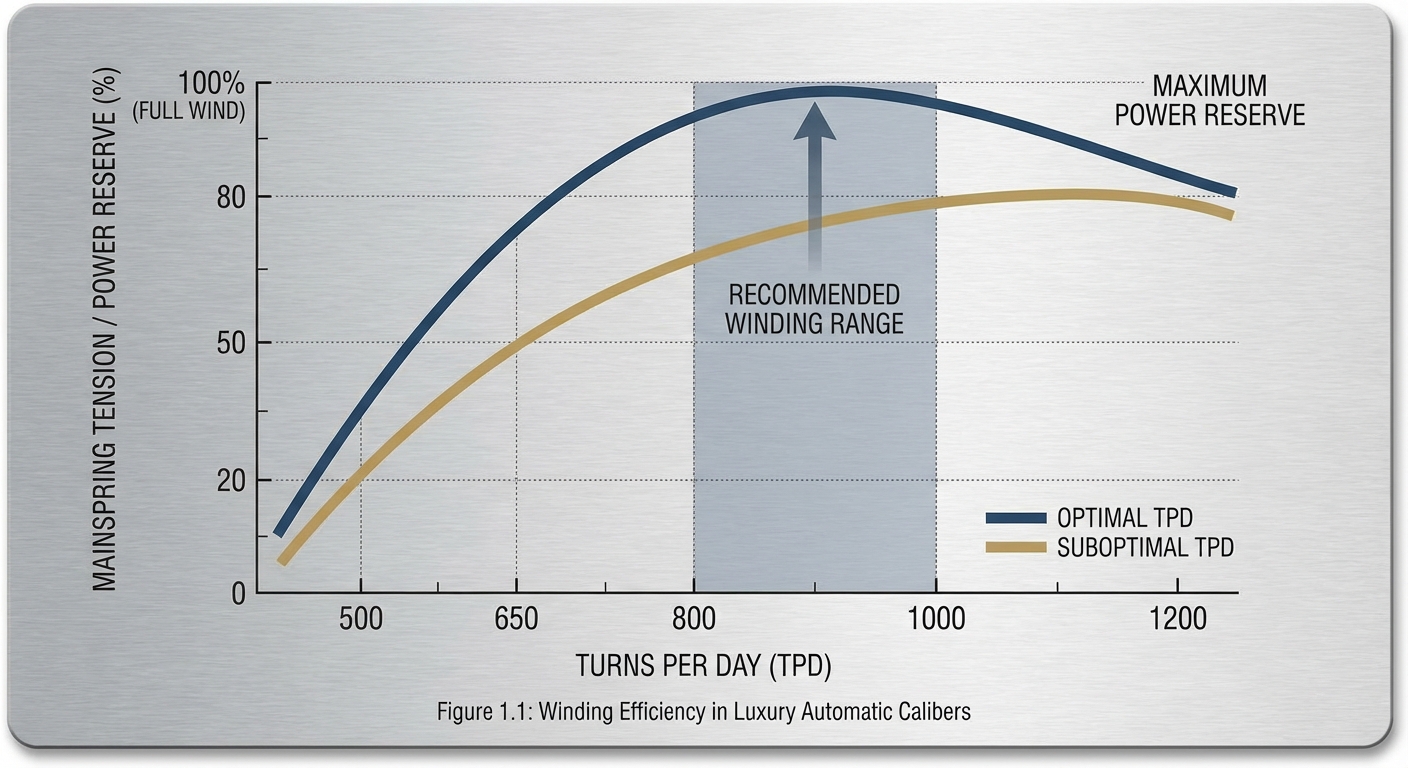
TPD plays a critical role by ensuring the watch receives just enough energy to stay wound without putting unnecessary stress on the slipping clutch mechanism. A watch winder safe in wall allows you to program specific TPD settings—typically between 600 and 1,000—tailored to your specific watch model’s requirements. This precision prevents the mainspring from being constantly over-tensioned.
Can you over-wind an automatic watch?
You cannot technically over-wind an automatic watch because of the slipping clutch, but constant friction on that clutch is still undesirable. Believe it or not:
- Slipping Clutch: Automatic watches have a safety to prevent over-winding damage.
- Stress Reduction: Running the clutch constantly is still less ideal than precision TPD.
- Mainspring Health: Optimal TPD keeps the spring in its “sweet spot” of tension.
When you match the TPD to your watch’s manual specifications, you mimic a healthy day of wear. This balanced approach ensures you aren’t working the internal components harder than necessary.
Key Takeaway: Matching TPD to manufacturer specs provides the ideal balance of energy and mechanical rest.
| TPD Setting | Effect on Movement |
|---|---|
| Too Low | Watch will eventually stop running. |
| Too High | Causes the slipping clutch to work harder than necessary. |
| Programmed | Mimics healthy, daily wrist wear. |
Selecting the correct TPD is a data-driven way to ensure your watch movement remains under optimal tension.
Why Does Rotation Direction Affect Modern Movements?

Rotation direction matters because different calibers are designed to wind clockwise, counter-clockwise, or bi-directionally. High-end storage in a watch winder safe in wall offers programmable motors to match these manufacturer specifications, ensuring the rotor actually transfers energy to the mainspring. You can read more about movement specifics on our blog to ensure you are setting your device correctly.
How do you find the right direction?
You find the right direction by consulting your watch’s technical manual or a reputable winding database. It’s simpler than you think.
- Manufacturer Guides: Brands like Rolex or Patek specify rotation needs.
- Bi-directional Hubs: Many modern calibers wind in both directions for efficiency.
- Unidirectional Rotors: Some movements only “catch” the gear in one direction.
If you set a unidirectional watch to rotate in the wrong direction, it will spin freely without winding. You might think the watch is broken, but it simply isn’t receiving the mechanical input it needs to store power.
Key Takeaway: Understanding rotation direction is essential for the winder to actually perform its function.
| Rotation Mode | Movement Compatibility |
|---|---|
| Clockwise | Specific to brands like certain Jaeger-LeCoultre models. |
| Counter-clockwise | Required for movements like the Valjoux 7750. |
| Bi-directional | Standard for most modern Rolex and Omega movements. |
Analyzing movement architecture confirms that winding direction is not universal across horological brands.
Can Sleep Cycles Mimic Natural Wrist Movement?
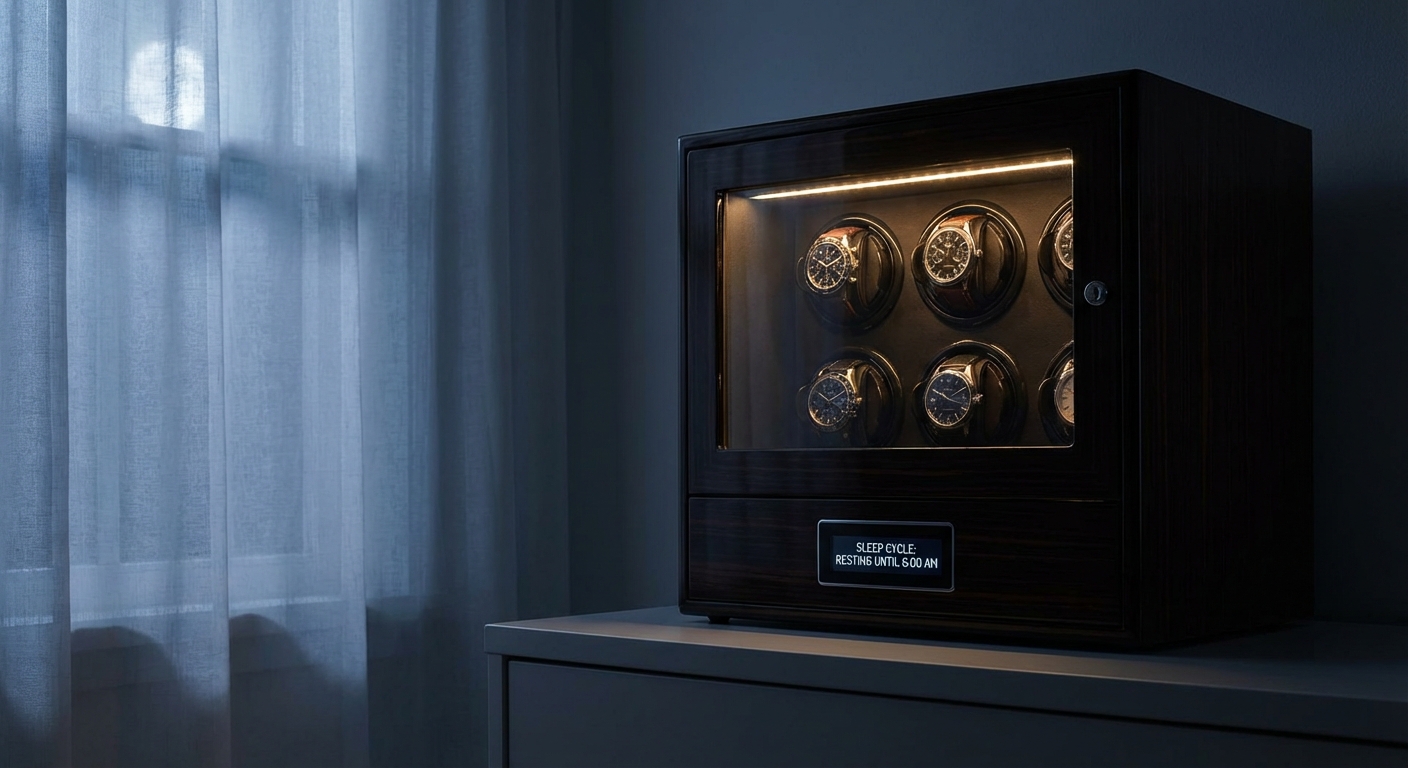
Yes, modern winders include sleep cycles and rest periods to prevent the watch from being in a state of constant motion. A watch winder safe in wall with advanced electronics will rotate for a set period and then rest, allowing the mechanical systems to relax just as they would when you sleep at night. This intermittent activity prevents the motor and the watch movement from accumulating fatigue.
Why is rest important for the movement?
Rest is important because it allows the mainspring to unwind slightly, preventing it from being permanently set at maximum tension. Wait, there’s more.
- Gravity Management: Changing positions helps prevent wear on one side of the pivot.
- Mainspring Relaxation: Allows the spring to relax before the next cycle.
- Energy Balance: Maintains the power reserve without maxing it out 24/7.
By allowing the watch to sit still for several hours, you are preventing the internal parts from grinding away needlessly. You are essentially giving your watch a “night’s sleep,” which is how it was designed to function.
Key Takeaway: Sleep cycles are a sophisticated feature that prevents mechanical over-exertion.
| Cycle Phase | Purpose |
|---|---|
| Active Phase | Charges the mainspring and moves lubricants. |
| Rest Phase | Prevents mechanical fatigue and mimics human behavior. |
| Random Mode | Varies timing to simulate unpredictable wrist activity. |
Calculated rest periods are the hallmark of a high-quality winding system that prioritizes long-term health.
Does Environmental Exposure Harm Internal Components?
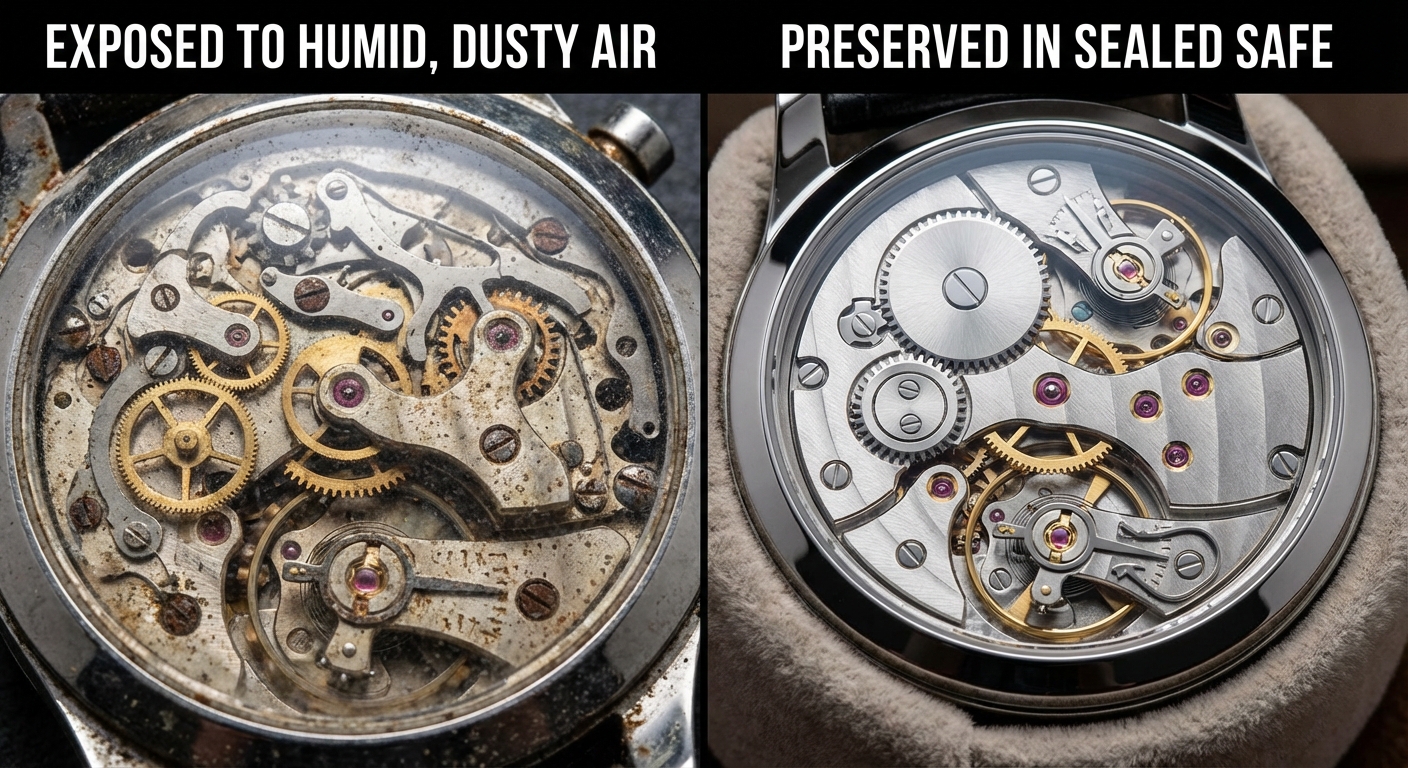
Yes, humidity, dust, and temperature fluctuations can degrade watch lubricants and corrode delicate internal parts. By placing your timepieces in a watch winder safe in wall, you provide a controlled, sealed environment that shields the watch from external contaminants that accelerate aging. Our about us page details how we construct these barriers to ensure maximum protection.
What are the main environmental threats?
The main environmental threats are airborne particles and moisture that can bypass old or dry gaskets. The truth is:
- Moisture: Can cause condensation inside the crystal and rust on gears.
- Dust: Particulates can enter through the crown and gum up the escapement.
- UV Light: Can fade dials and age luminous material over decades.
A watch left on a dresser is at the mercy of the room’s atmosphere. You can stop this degradation by keeping your collection inside a reinforced, airtight safe that maintains a stable micro-climate.
Key Takeaway: Total environmental control is just as important as mechanical winding for long-term preservation.
| Threat | Safe/Winder Solution |
|---|---|
| Humidity | Sealed door and desiccant packs inside the safe. |
| Dust | Enclosed environment prevents microscopic debris entry. |
| Impact | Secure cushions prevent the watch from moving or falling. |
The analytical conclusion is that internal mechanics are only as good as the environment they are housed in.
How Do Secure In-Wall Safes Protect Your Collection?

In-wall safes protect your collection by providing physical security against theft while integrating the winding technology your watches need. A watch winder safe in wall combines “security through obscurity” with heavy-duty steel construction, ensuring your valuable assets are both maintained and hidden from prying eyes. This dual-purpose design allows you to manage your collection without sacrificing home aesthetics.
Is concealment better than a standard safe?
Concealment is often superior because a thief cannot steal what they cannot find. Consider this.
- Hidden in Plain Sight: Harder for burglars to find than a floor safe.
- Space Efficiency: Mounts between wall studs to save floor space.
- Integrated Power: Allows for hardwired winding without messy external cords.
When you install a safe behind a mirror or painting, you add a psychological layer of defense. You will find that the peace of mind provided by a hidden vault is worth the initial installation effort.
Key Takeaway: Hidden safes provide a superior level of security by removing the target from the burglar’s field of vision.
| Security Feature | Benefit to Collector |
|---|---|
| Steel Construction | Physical barrier against forced entry. |
| Recessed Design | Can be hidden behind art or mirrors. |
| Digital Locks | Quick access for the owner, high security for the thief. |
Strategic placement of a safe is the most effective way to prevent the total loss of a watch collection.
Why Should You Avoid Cheap, Budget Watch Winders?
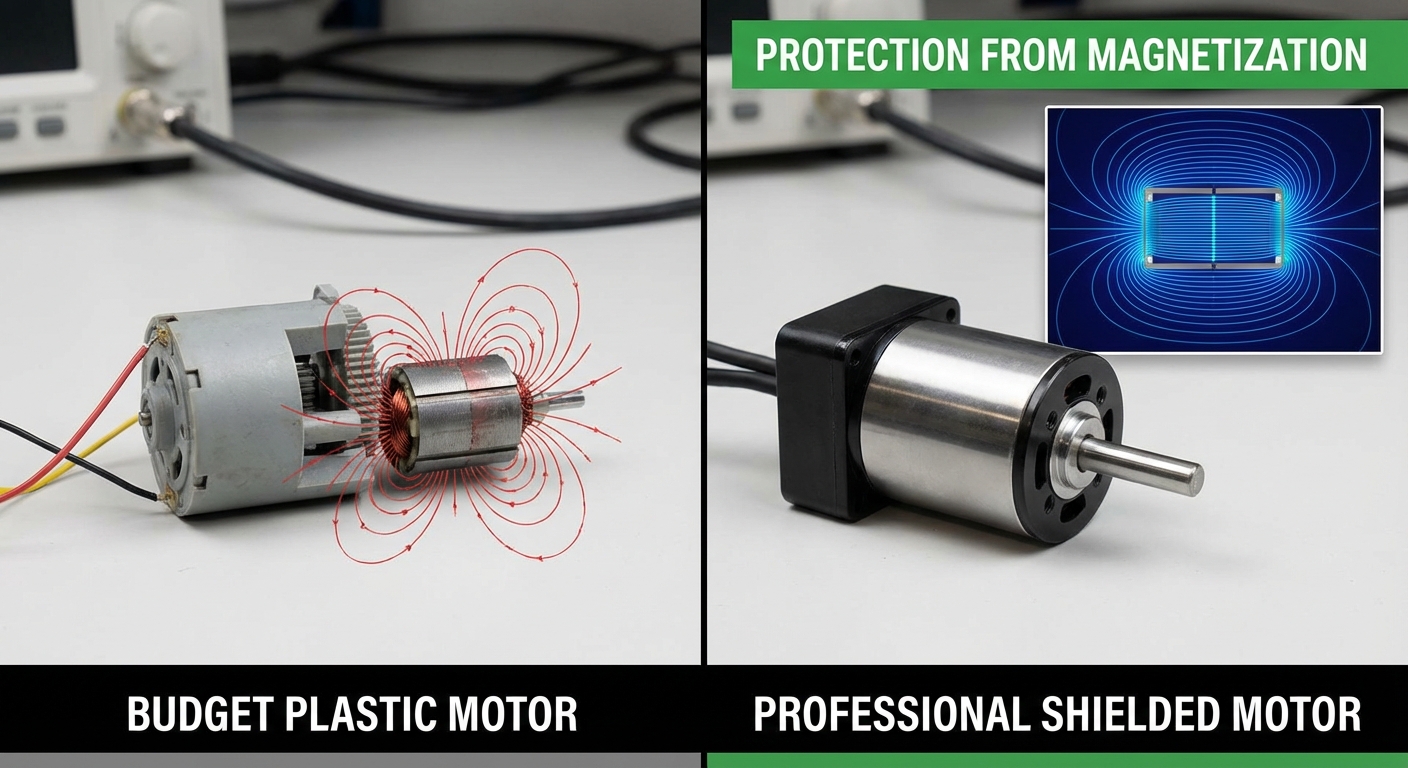
You should avoid budget winders because they often use low-quality motors that can magnetize your watch or lack the customization needed for proper TPD settings. Investing in a quality watch winder safe in wall ensures you are getting shielded motors and modular components that won’t fail after a few months of use. We invite you to contact us if you need help identifying a high-quality unit.
What are the risks of cheap motors?
Cheap motors often emit magnetic fields that can ruin the timing of your mechanical watch. Don’t be fooled.
- Magnetization: Unshielded magnets in cheap motors can stop your watch.
- Noise Pollution: Grinding gears and loud motors disrupt the home environment.
- Limited Settings: “One-size-fits-all” rotation can cause unnecessary wear.
A magnetized watch will gain several minutes a day and requires a trip to the watchmaker. You will spend more on these repairs than you saved by purchasing the cheaper winder in the first place.
Key Takeaway: Quality motors are a non-negotiable requirement for the safe winding of luxury timepieces.
| Quality Indicator | Budget Winder | Premium Safe Winder |
|---|---|---|
| Motor Type | Unshielded, high friction | Shielded, brushless, silent |
| Customization | Single speed/direction | Fully programmable TPD/direction |
| Durability | Plastic parts prone to failure | Modular, replaceable high-grade parts |
The correlation between motor quality and watch health is direct and scientifically verifiable.
Is a Watch Winder Worth the Investment for Longevity?
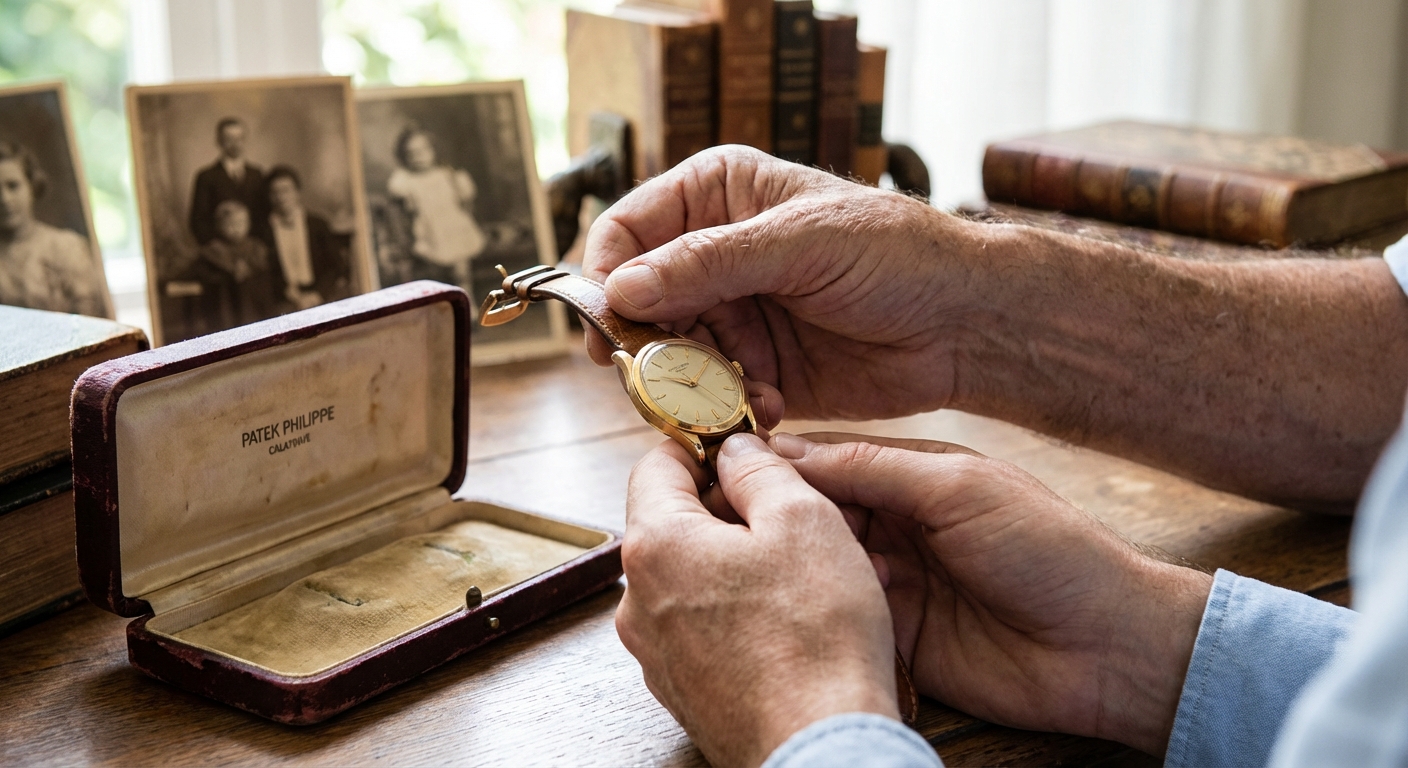
A watch winder is absolutely worth the investment for any collector who values the long-term mechanical health and convenience of their automatic timepieces. When you choose a watch winder safe in wall, you are buying more than a box; you are purchasing a maintenance system that preserves the value and functionality of your horological assets for generations. It ensures your legacy pieces remain in a wearable state for those you pass them on to.
How does this save money in the long run?
A winder saves money by reducing the frequency of expensive movement overhauls and crown repairs. The bottom line is:
- Fewer Repairs: Maintains gaskets and crowns, leading to lower service costs.
- Resale Value: A well-maintained, properly lubricated watch holds higher value.
- Peace of Mind: You never have to worry about a seized movement or a stolen watch.
Think of it as an insurance policy that also happens to make your daily life easier. You will never have to spend twenty minutes setting a perpetual calendar again.
Key Takeaway: The ROI of a quality winder is found in reduced maintenance costs and preserved asset value.
| Investment Factor | Long-term Value |
|---|---|
| Service Frequency | May extend the time between costly overhauls. |
| Mechanical Health | Prevents catastrophic failures caused by neglect. |
| Aesthetic Care | Keeps watches safe from scratches and household accidents. |
Horological experts agree that consistent, proper maintenance is the only way to ensure a watch lasts a lifetime.
*
FAQ
- Can I use a watch winder for a manual wind watch? No, manual watches require hand-winding and do not have a rotor to benefit from a winder’s rotation.
- What’s the best TPD for a Rolex Submariner? Most Rolex movements require approximately 650 TPD in a bi-directional rotation mode.
- How many watches can fit in a standard in-wall safe? Most luxury in-wall safes can accommodate between 2 and 12 winders depending on the height and configuration.
- Does a winder cause “over-winding” damage? No, quality winders use sleep cycles and automatic movements have a slipping clutch to prevent damage.
- Why is my winder not spinning constantly? Modern winders are programmed with rest periods to mimic natural wear and prevent motor fatigue.
Conclusion
Preserving the legacy of your timepieces requires more than just a storage spot; it requires an active care strategy. By integrating a watch winder safe in wall, you ensure your watches remain in peak mechanical condition while staying protected by elite-level security. To find the perfect customized solution for your collection, please feel free to contact us today.
Brand Position: Jimbo is a leading manufacturer of specialized horological security solutions, dedicated to the preservation and protection of the world’s finest timepiece collections.

