

A watch winder and safe is a precision-engineered security vault equipped with integrated mechanical rotors designed to maintain the power reserve of automatic watches while providing high-level protection. Owning a diverse collection of luxury timepieces often presents the frustrating challenge of discovering your favorite perpetual calendar has stopped, forcing you through a tedious and delicate manual reset. This frequent handling not only consumes your valuable time but also subjects sensitive internal gaskets and crowns to unnecessary physical stress. Integrating professional-grade winding technology within a reinforced, fire-resistant safe resolves this vulnerability, ensuring your watches are always ready for the wrist and shielded from both environmental hazards and theft.
What is a watch winder and safe for collectors?
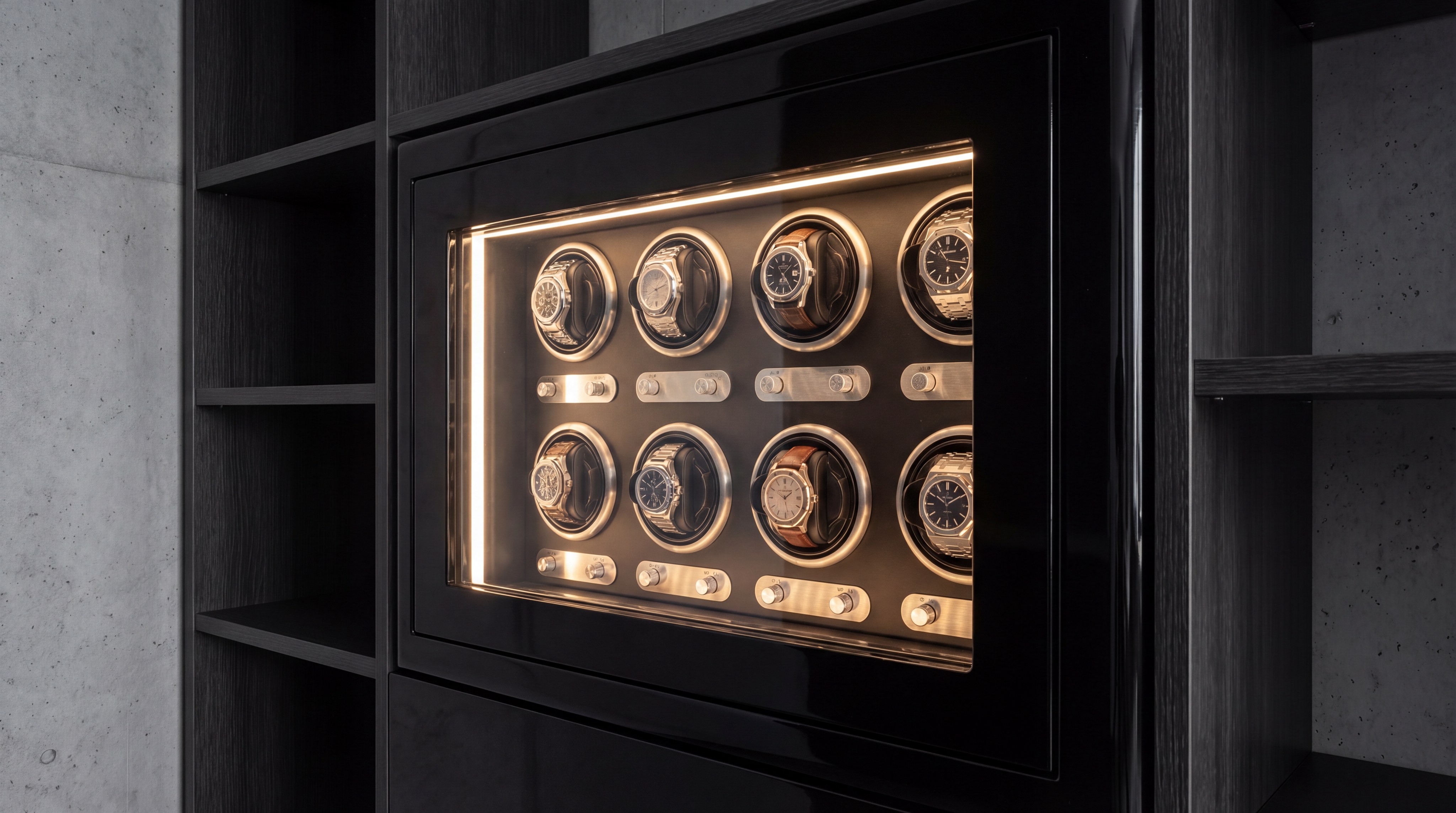
A watch winder and safe is a high-security cabinet designed to rotate automatic watches and protect them from theft. It serves as a dual-purpose solution for the modern horologist who demands both mechanical readiness and absolute asset protection.
Is it more than a standard vault?
Think about this:
A standard jewelry safe merely acts as a passive barrier, whereas this specialized unit actively preserves the life of your mechanical movements. It combines the heavy-duty construction of a bank vault with the micro-engineering of a winding module.
- Heavy-gauge steel plating for physical defense.
- Independently controlled winding modules.
- Luxurious velvet or leather interior finishes.
Does it offer environmental protection?
But here is the kicker:
These units are often built to withstand more than just forced entry, offering a climate-controlled sanctuary for delicate horological components. They ensure that moisture and dust do not compromise the integrity of your dials and movements.
- Fire-resistant insulation for extreme heat protection.
- Hermetic seals to prevent humidity damage.
- Anti-tarnish interior materials.
Key Takeaway: A watch winder and safe is an essential investment for collectors who prioritize the simultaneous mechanical health and physical security of their timepieces.
| Feature | Purpose | Collector Benefit |
|---|---|---|
| Mechanical Rotor | Movement Maintenance | Always ready to wear |
| Steel Vault | Theft Prevention | Peace of mind |
| Fire Insulation | Heat Shielding | Asset preservation |
The integration of security and maintenance creates a singular hub for high-value asset management.
How does a watch winder and safe actually work?
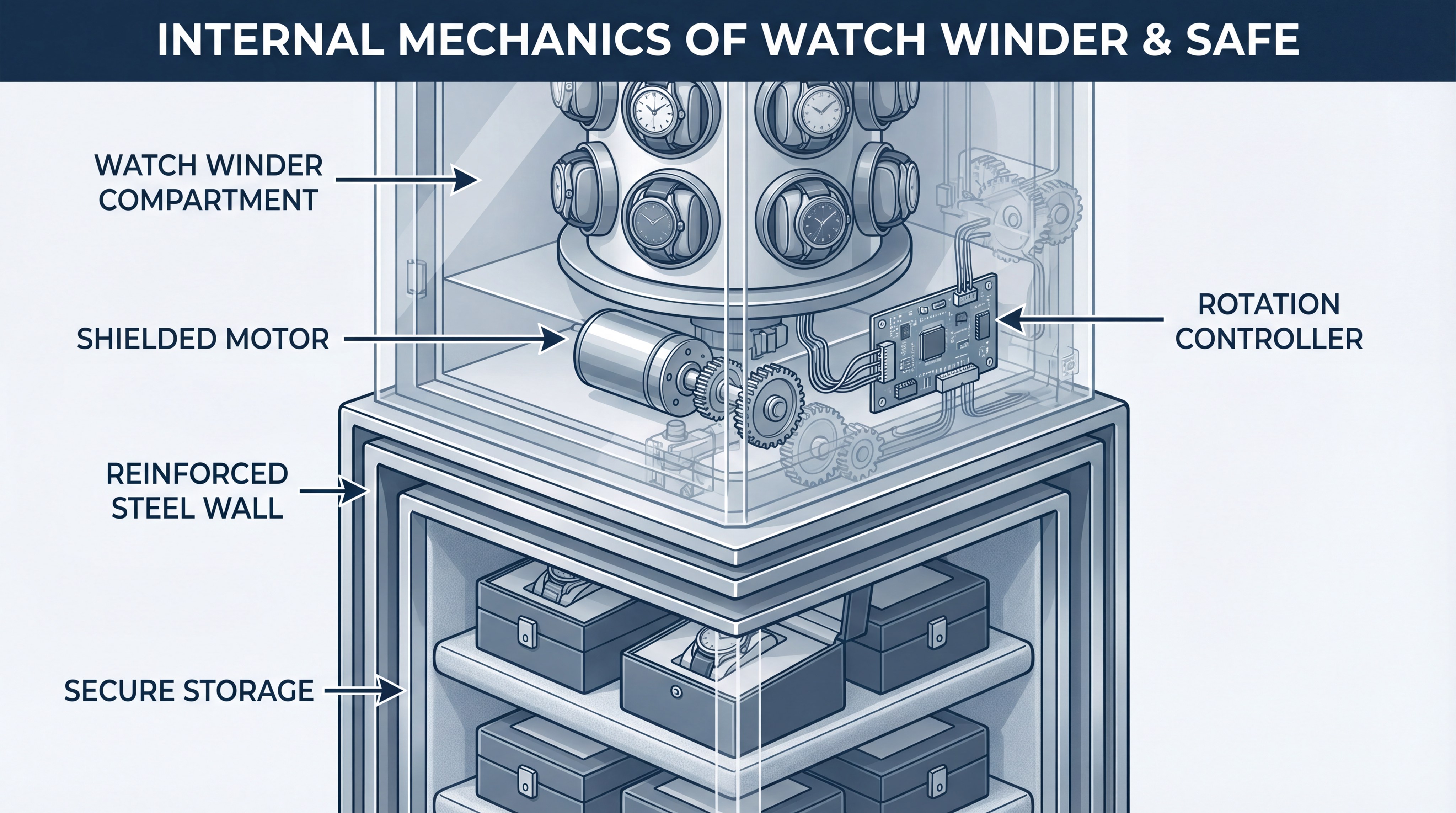
The mechanical function of a watch winder and safe involves precision motors that rotate your timepieces to keep their mainsprings tensioned. This process mimics the natural kinetic energy generated by your wrist during daily wear.
How does it rotate the watch?
Look at it this way:
The device uses a programmed cycle of rotation and rest to ensure the internal rotor of the watch spins as intended. This gravity-driven movement allows the mainspring to wind without the need for manual intervention via the crown.
- Timed intervals to simulate human activity.
- Low-RPM motors to prevent vibration stress.
- Secure mounting cushions to protect bracelets.
Is the power supply reliable?
Make no mistake:
Constant power is vital for maintaining the accuracy of complex calendars, which is why these safes utilize sophisticated power management systems. This ensures your collection remains wound even during home power fluctuations.
- AC power adapters for primary operation.
- Battery backups for emergency security.
- Energy-efficient circuitry for long-term use.
Key Takeaway: These devices utilize silent, programmed motors to spin the watch, engaging the internal winding rotor through gravitational force.
| Component | Function | Result |
|---|---|---|
| Module Motor | Consistent Rotation | Wound Mainspring |
| Logic Board | TPD Management | Accuracy Preservation |
| Power Supply | Continuous Operation | Zero Downtime |
Precision engineering ensures that mechanical longevity is never sacrificed for the sake of secure storage.
Why do you need a watch winder and safe today?
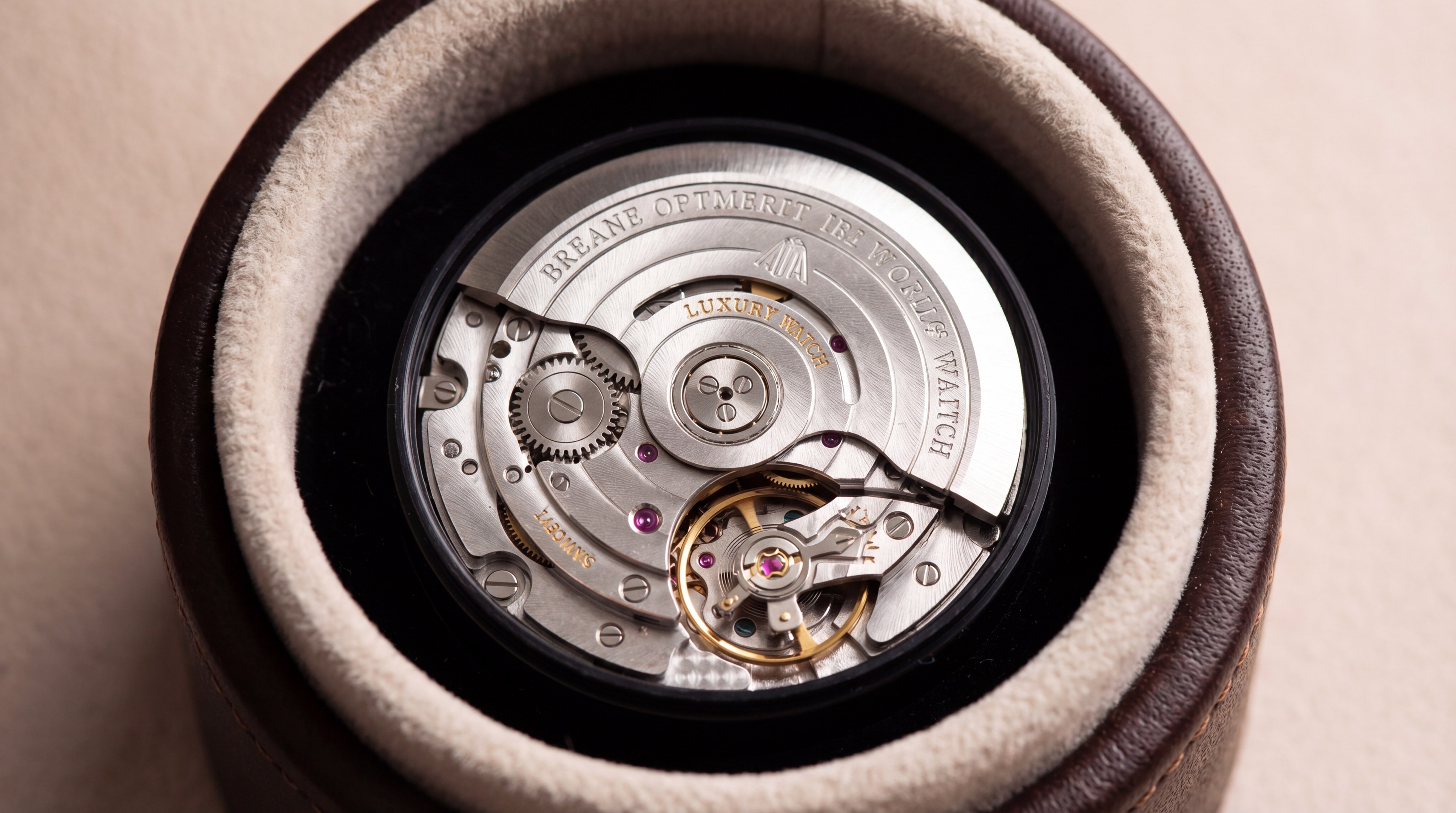
You need a watch winder and safe to preserve the lubrication of your movements while ensuring they are shielded from intruders. Without regular motion, the synthetic oils inside a watch can begin to pool or dry out over long periods of inactivity.
Is it vital for perpetual calendars?
The best part?
Watches with complex date and moon phase complications are notoriously difficult to set once they have stopped. Keeping them on a winder ensures they remain perfectly synchronized, saving you from complex adjustment procedures.
- Maintains day, date, and month accuracy.
- Protects delicate moon phase gears.
- Eliminates frequent crown and stem wear.
Does it prevent “setting” of oils?
Believe it or not:
Modern lubricants are designed to stay fluid, but periodic movement helps distribute these oils across the gear train more evenly. This proactive approach reduces friction and extends the time between professional service intervals.
- Distributes oils to pivot points.
- Prevents mechanical “lag” upon startup.
- Reduces startup strain on the hairspring.
Key Takeaway: For owners of multiple high-complication watches, a winder is a logistical necessity that prevents mechanical degradation and time-consuming resets.
| Watch Category | Winder Importance | Reason |
|---|---|---|
| Time Only | Moderate | Convenience |
| Annual Calendar | High | Sync Maintenance |
| Perpetual Calendar | Critical | Complex Reset Avoidance |
Proper motion intervals serve as a proactive maintenance strategy for any high-complication timepiece.
How do you set the TPD on a winder?
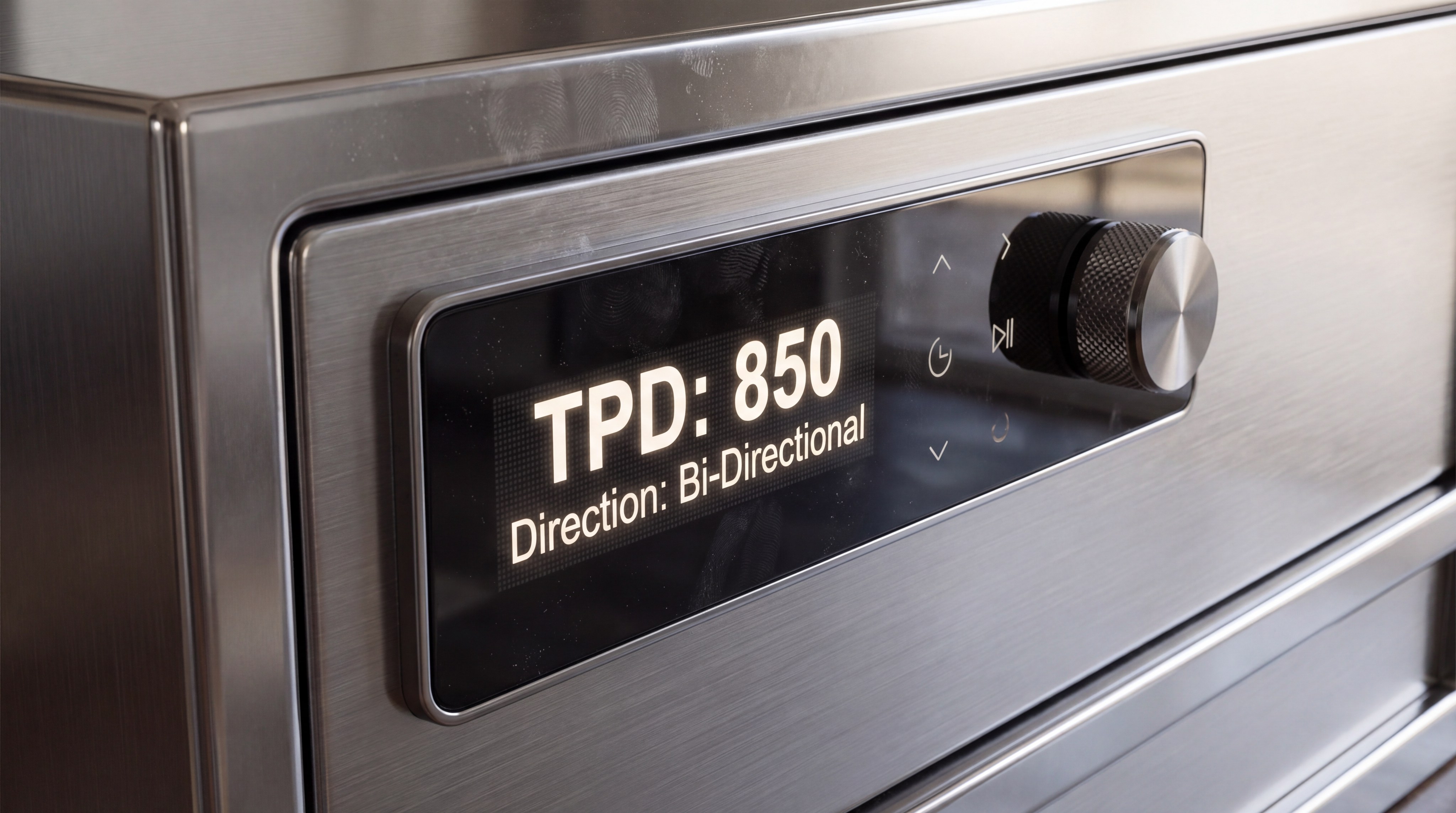
Customizing the TPD on your watch winder and safe allows you to match the exact winding requirements of your specific horological collection. TPD, or Turns Per Day, is the specific number of rotations needed to maintain a full power reserve.
How do you find the right setting?
It gets even better:
Most luxury watch manufacturers provide specific TPD guidelines for their calibers to ensure optimal performance. Programming your safe to these exact specifications prevents the motor from running more than necessary.
- Consult brand-specific winding charts.
- Identify the caliber’s winding efficiency.
- Adjust based on power reserve performance.
Why are rest cycles included?
The truth is:
A watch winder does not spin continuously; it operates in bursts followed by periods of inactivity to allow the mainspring to relax. This mimics the natural rhythm of taking a watch off your wrist at the end of the day.
- Prevents excessive friction on the bridle.
- Extends the lifespan of the safe’s motors.
- Simulates realistic daily wear patterns.
Key Takeaway: Matching the TPD setting to your watch’s movement ensures the mainspring stays wound without subjecting the mechanism to unnecessary activity.
| Typical TPD Range | Watch Type | Requirement |
|---|---|---|
| 650 – 800 | Standard Automatic | Minimal |
| 800 – 1000 | Chronograph | Moderate |
| 1000+ | Heavy Complications | High |
Digital precision allows for a tailored environment that respects the unique tolerances of luxury calibers.
Which rotation direction is best for your watches?
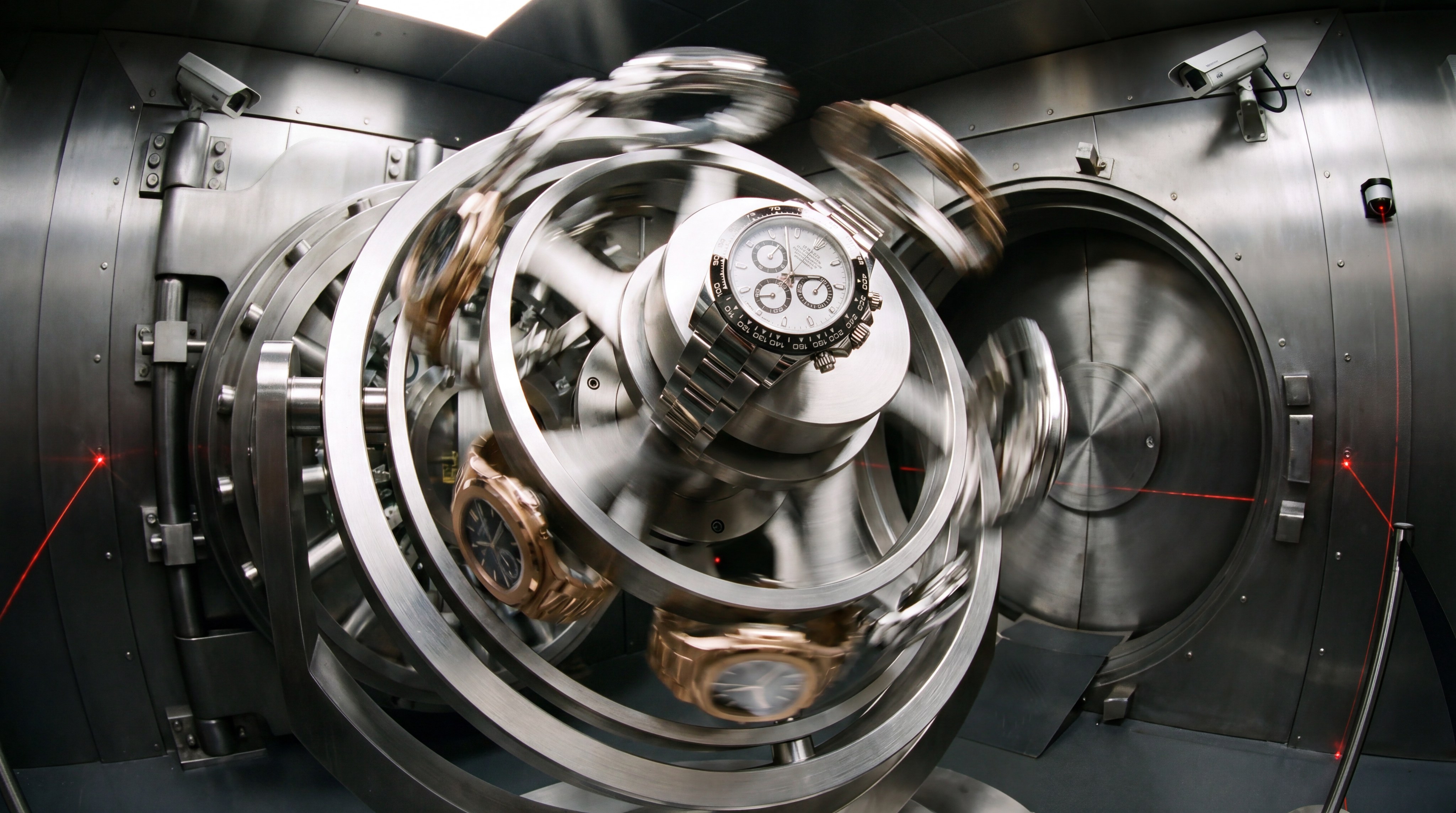
Selecting the correct rotation direction in a watch winder and safe ensures that uni-directional movements receive energy effectively. Not all watches wind in both directions, and choosing the wrong setting will leave your watch dead despite the motor’s activity.
What is bi-directional winding?
Keep this in mind:
Many modern calibers are designed to wind regardless of whether the internal rotor turns clockwise or counter-clockwise. These watches are the easiest to manage, as they thrive on “alternating” mode settings.
- Compatible with most modern Rolex and Omega.
- Uses alternating rotation patterns.
- Maximizes energy capture efficiency.
Is uni-directional rotation common?
Wait, there’s more:
Specific high-end movements only wind in one direction—for example, clockwise only—and will spin freely in the opposite direction without adding any tension to the spring. Knowing your movement’s architecture is key to functionality.
- Required for certain Patek Philippe models.
- Common in vintage chronograph calibers.
- Prevents “dead” storage cycles.
Key Takeaway: You must verify whether your watch requires clockwise, counter-clockwise, or bi-directional rotation to ensure the winding module is actually adding power.
| Winding Mode | Compatibility | Efficiency |
|---|---|---|
| Clockwise | Specific Calibers | High (If required) |
| Counter-Clockwise | Specific Calibers | High (If required) |
| Bi-Directional | Universal Modern | Superior |
Correct orientation is the fundamental difference between a functional display and a passive storage box.
What motors are used in a watch winder and safe?
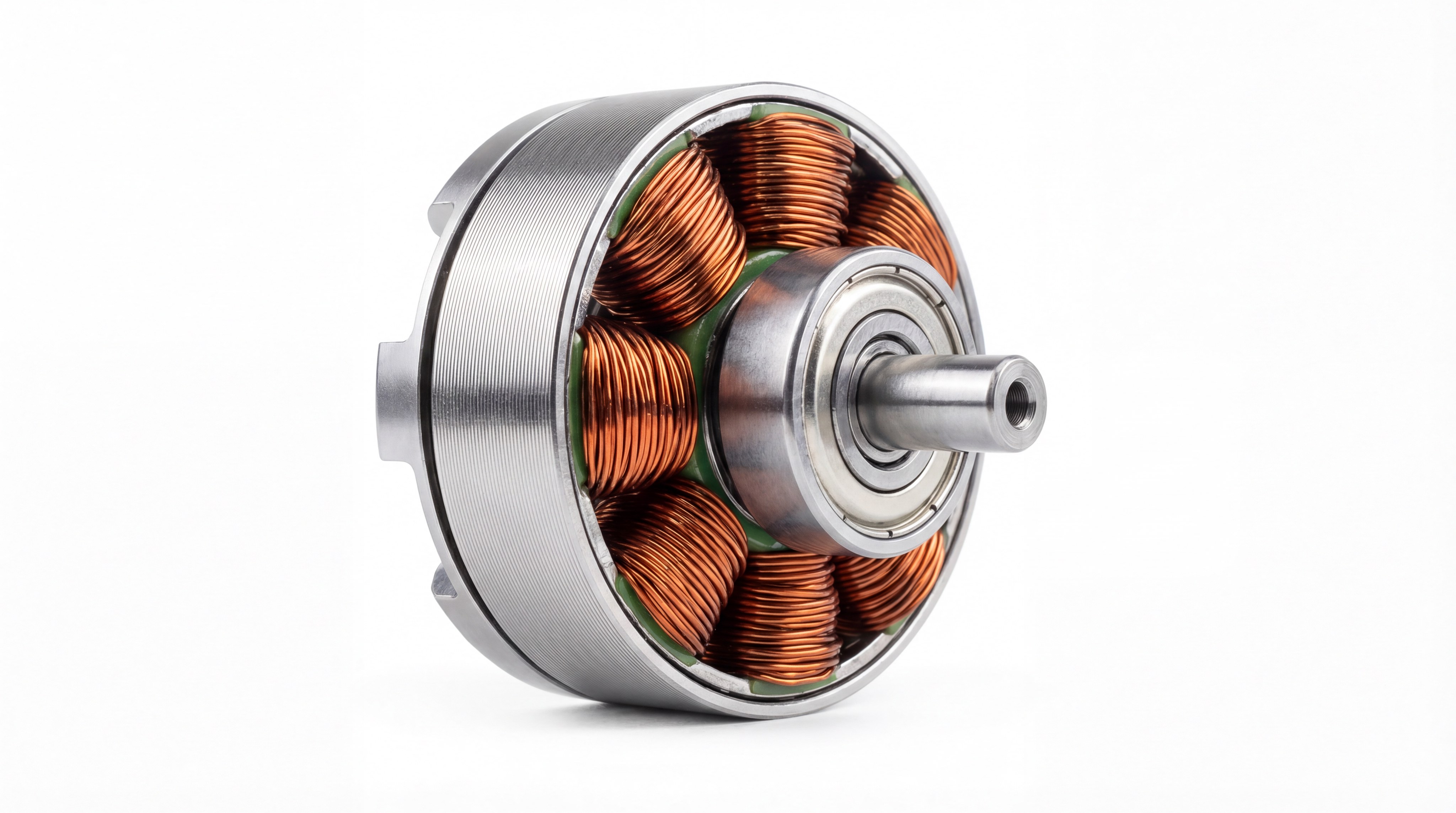
The internal motors of a watch winder and safe are engineered for silent operation to provide a seamless luxury experience in your home. These are not standard industrial motors; they are high-torque, low-vibration units designed specifically for delicate tasks.
Are the motors completely silent?
Look at it this way:
Premium winding modules use brushless motors that operate at a decibel level nearly imperceptible to the human ear. This allows you to install your safe in a master bedroom or library without any intrusive mechanical noise.
- Brushless technology for longevity.
- Sound-dampening mounting hardware.
- Low-vibration energy transfer.
How long do these motors last?
The truth is:
High-quality motors are built for years of continuous service, utilizing magnetic drive systems that minimize physical contact between moving parts. This reduces internal heat and mechanical wear over the lifespan of the safe.
- Precision gearing for smooth motion.
- Minimal heat dissipation to protect oils.
- Shielded electronics for reliability.
Key Takeaway: Luxury safes utilize specialized brushless motors to provide years of silent, reliable, and vibration-free rotation for your collection.
| Motor Type | Noise Level | Durability |
|---|---|---|
| Standard DC | Audible | Moderate |
| High-End Brushless | Silent | Exceptional |
| Magnetic Drive | Near-Silent | Superior |
High-torque, low-noise components represent the pinnacle of modern horological accessory manufacturing.
Can a winder safely prevent overwinding?
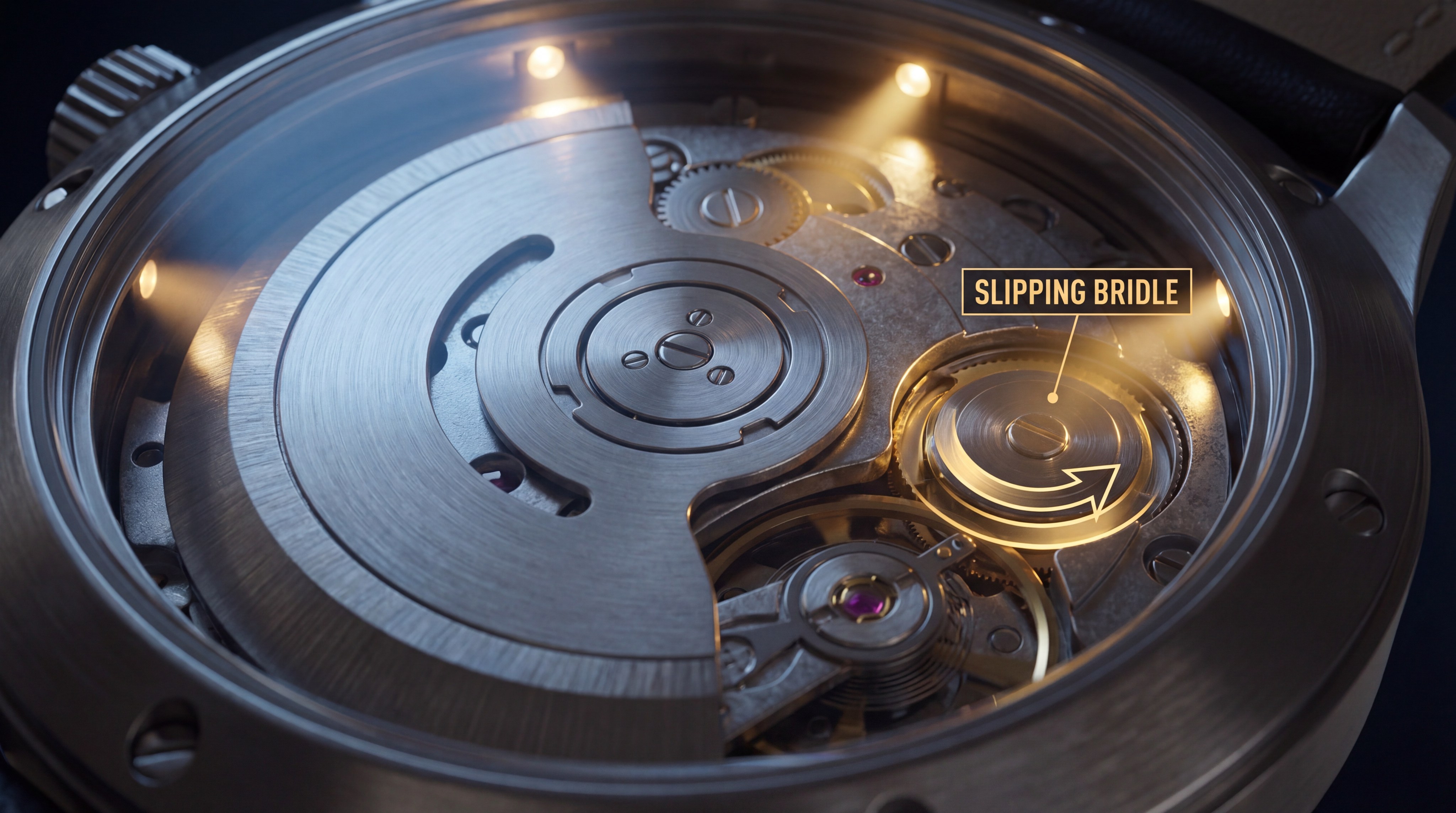
Built-in safety mechanisms in a watch winder and safe prevent overwinding by utilizing intermittent cycles that mimic natural wear. It is a common misconception that a winder can “break” a mainspring, as watches possess their own internal safeguards.
What is a slipping bridle?
Think about it:
Every automatic watch is equipped with a slipping bridle on the mainspring that allows it to slide against the barrel wall once it reaches full tension. This physical mechanism makes it impossible to physically “snap” the spring through over-rotation.
- Standard feature in all automatic calibers.
- Disconnects winding energy at full capacity.
- Acts as a mechanical fuse.
Does constant winding cause wear?
The best part?
While you cannot overwind the spring, running a winder at excessive TPD can cause unnecessary friction on the slipping bridle. Quality winders solve this by including “rest periods” that keep the watch at a healthy level of tension without pushing the limits.
- Software-controlled rest intervals.
- Matches rotation to energy depletion.
- Reduces friction in the automatic bridge.
Key Takeaway: While the “slipping bridle” prevents physical damage, using a programmable winder minimizes internal friction and long-term mechanical wear.
| Component | Protection Role | Damage Risk |
|---|---|---|
| Mainspring | Energy Storage | Zero (Internal) |
| Slipping Bridle | Tension Release | Minimal (Friction) |
| Winder Software | Cycle Management | Zero |
Mechanical safeguards represent a sophisticated evolution in automated mainspring management technology.
How does magnetic shielding protect your watches?

Superior magnetic shielding in a watch winder and safe protects delicate hairsprings from the electromagnetic interference generated by internal electronics. Magnetism is one of the primary causes of chronometric inaccuracy, causing watches to run significantly fast.
Where does magnetism come from?
But here is the kicker:
The very motors used to turn your watches contain magnets and generate electromagnetic fields during operation. Premium safes utilize specialized shielding to ensure these fields never reach the sensitive steel components of your watch movement.
- Shielded motor housings.
- Non-ferrous internal components.
- Faraday-cage-inspired cabinet design.
How does it affect accuracy?
Keep this in mind:
When a hairspring becomes magnetized, the coils stick together, effectively shortening the spring and making the watch gain minutes per day. A shielded safe acts as a barrier, maintaining the factory-standard accuracy of your timepieces.
- Preserves hairspring oscillation.
- Prevents the need for demagnetization.
- Guards against external household interference.
Key Takeaway: Proper magnetic shielding is a non-negotiable feature for any safe housing mechanical watches, as it prevents electronic interference from ruining your watch’s timing.
| Threat Source | Protection Method | Accuracy Impact |
|---|---|---|
| Internal Motors | Mu-metal Shielding | High |
| Digital Locks | Isolated Circuitry | Moderate |
| Home Electronics | Steel Vault Body | Low |
Advanced metallurgy and shielding are the invisible guardians of modern chronometric accuracy.
Where is the best place for safe installation?
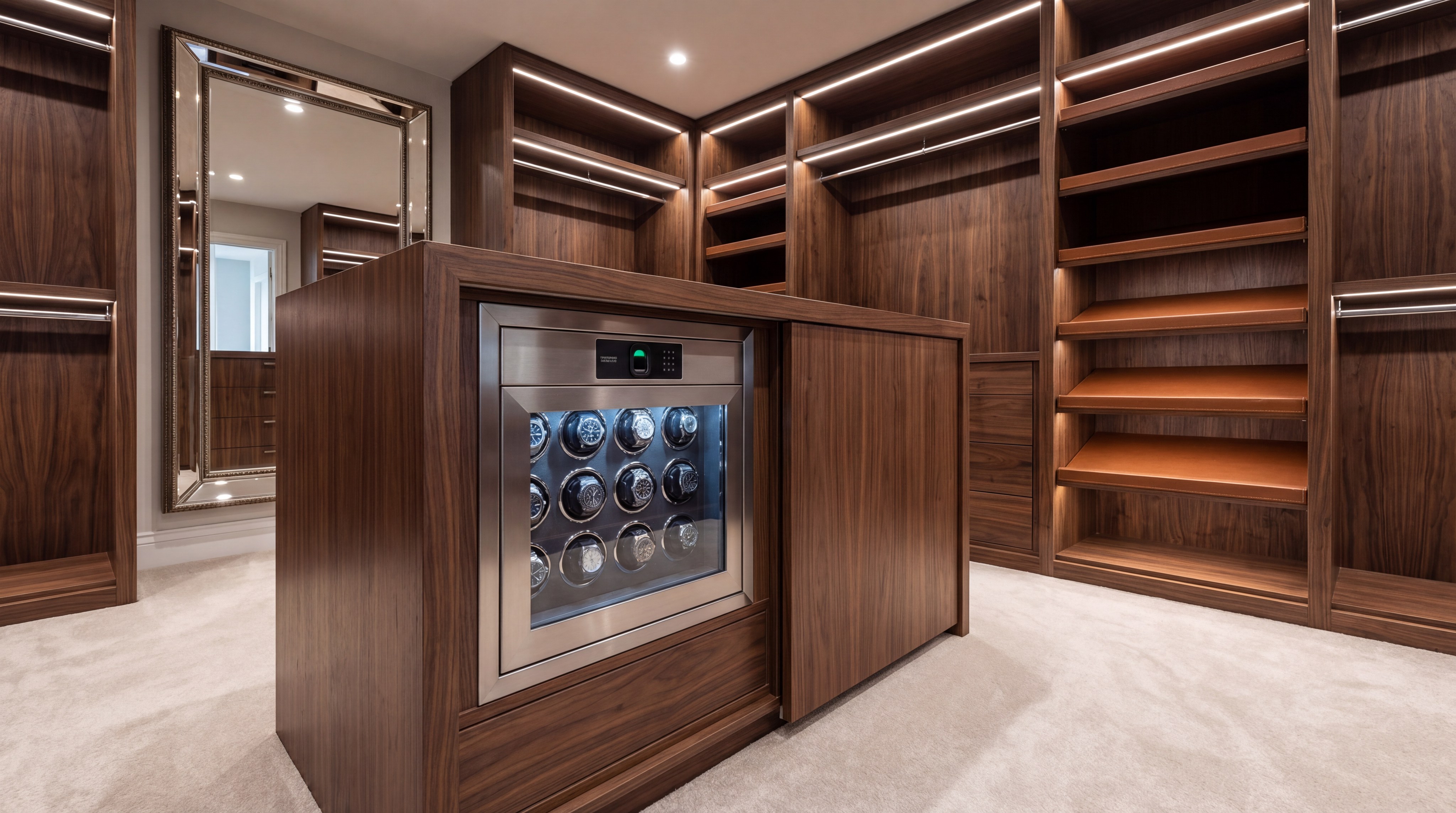
Professional installation of a watch winder and safe within a master suite provides both rapid access and discreet protection for your assets. The location of your safe is just as important as its construction when it comes to long-term security.
Should it be hidden or visible?
Look at it this way:
While these safes are often beautiful enough to be furniture pieces, “security through obscurity” is a powerful tactic. Integrating your unit into custom cabinetry or a walk-in closet island provides the ultimate balance of aesthetics and stealth.
- Built-in closet integrations.
- Hidden “false-back” installations.
- Master suite bedroom placement.
What environmental factors matter?
Believe it or not:
Placing a safe in a basement or near HVAC vents can subject it to extreme temperature swings and humidity. You should choose a climate-controlled area of your home to ensure the delicate oils inside your watches remain at peak performance.
- Avoid high-humidity zones (bathrooms).
- Keep away from direct sunlight.
- Ensure a reinforced floor for weight.
Key Takeaway: The ideal location for your safe is a hidden, climate-controlled space that is anchored to the building’s structure to prevent removal.
| Location | Security Rank | Climate Stability |
|---|---|---|
| Master Closet | High | Excellent |
| Home Office | Medium | Good |
| Basement | Low | Poor |
Strategically placed security hardware significantly reduces the window of opportunity for asset loss.
Which security layers protect your investment?
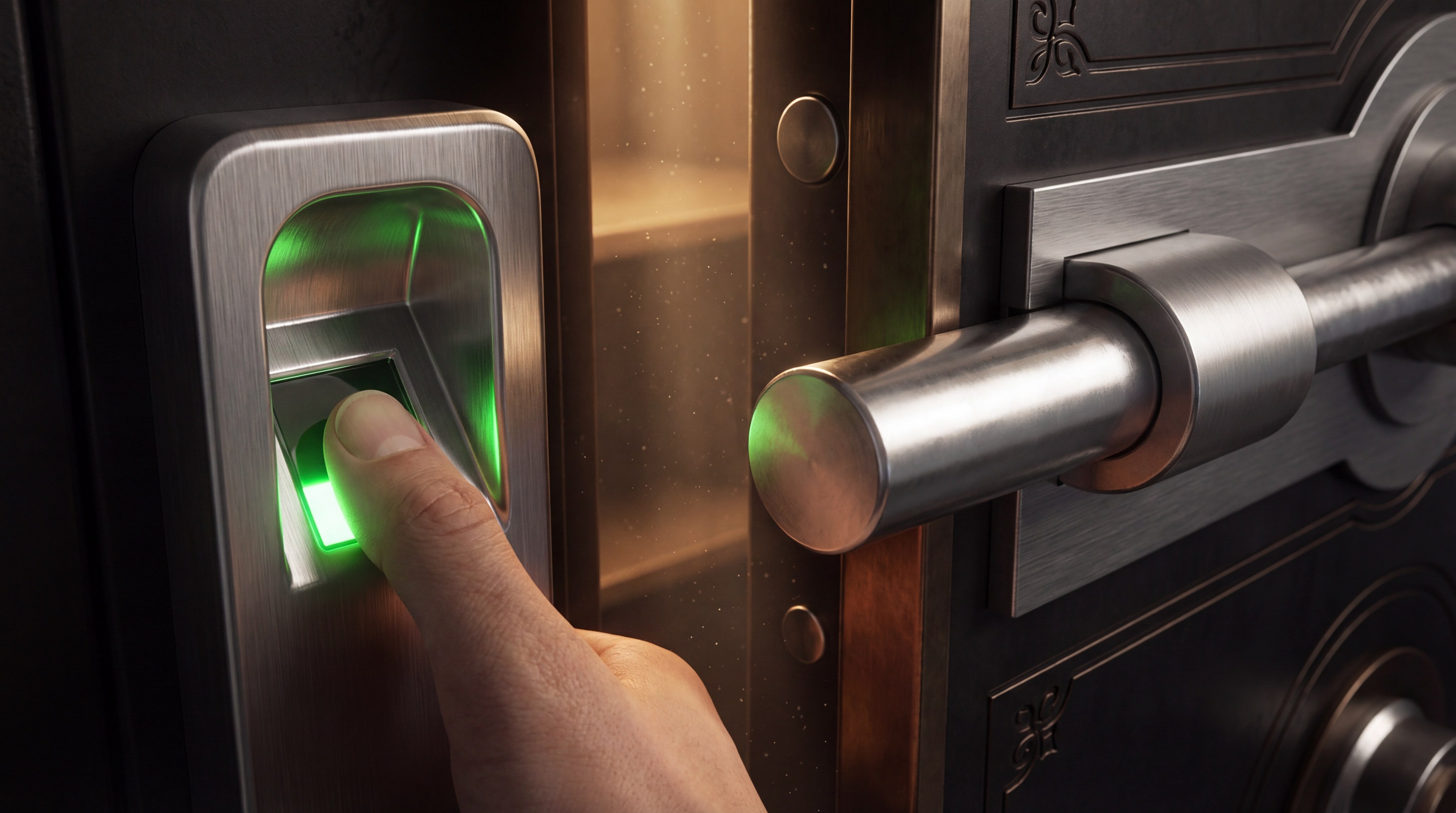
Biometric and digital locking systems on a watch winder and safe offer multiple layers of defense to secure your investments against forced entry. Modern security is no longer just about thick steel; it is about sophisticated access control and monitoring.
Are biometric locks better?
The truth is:
Fingerprint recognition offers the fastest access for the owner while being nearly impossible for an intruder to bypass. This technology allows you to retrieve your watch in seconds without fumbling with combinations or physical keys.
- Instant fingerprint authentication.
- Multi-user access programming.
- Anti-spoofing sensor technology.
How is the safe anchored?
Wait, there’s more:
A safe is only secure if it cannot be moved; professional anchoring involves bolting the unit directly into the concrete floor or structural joists. This prevents thieves from simply carting the entire unit away to be opened elsewhere.
- Heavy-duty floor anchor bolts.
- Reinforced mounting holes.
- Steel base plate distribution.
Key Takeaway: A combination of biometric access, heavy-duty bolting, and home alarm integration creates a comprehensive defense-in-depth strategy for your collection.
| Security Layer | Technology | Primary Defense |
|---|---|---|
| Digital | Biometric/Code | Access Control |
| Physical | Reinforced Steel | Forced Entry |
| Structural | Anchor Bolts | Theft by Removal |
Multi-factor authentication bridges the gap between traditional vaulting and modern convenience.
Watch Winder and Safe FAQ
- Can I leave my watches on the winder for months at a time?
Yes, because modern winders use intermittent cycles that prevent the movement from running constantly, allowing the mechanism to rest safely. - What’s the best TPD setting if I don’t know my watch’s specs?
A setting of 650–800 TPD in a bi-directional (alternating) mode is a safe universal standard that will maintain most modern automatic watches. - Can a winder work for manual-wind watches?
No, manual-wind watches require you to physically turn the crown; since they lack a kinetic rotor, the safe’s motion will not wind them. - What’s the best way to clean the interior of the safe?
Use a dry microfiber cloth and avoid chemical cleaners, as fumes from solvents can potentially damage the delicate gaskets and lubricants in your watches. - Can I store jewelry and documents in the safe alongside watches?
Absolutely, as most watch safes include dedicated static drawers or shelves designed specifically for rings, necklaces, and important legal documents.
Conclusion
Investing in a watch winder and safe represents the ultimate synergy of horological care and domestic security. By automating the winding process with precision motors, you protect the mechanical integrity of your timepieces while ensuring they are always synchronized for immediate wear. At Jimbo Safes, our vision is to provide discerning collectors with uncompromising protection that honors the craftsmanship of their most valued assets. Whether you are guarding a single heirloom or a multi-million dollar collection, our systems provide the peace of mind that only true engineering excellence can offer.
To explore a tailored security solution for your unique collection, contact us today.

