 跳到内容
跳到内容 

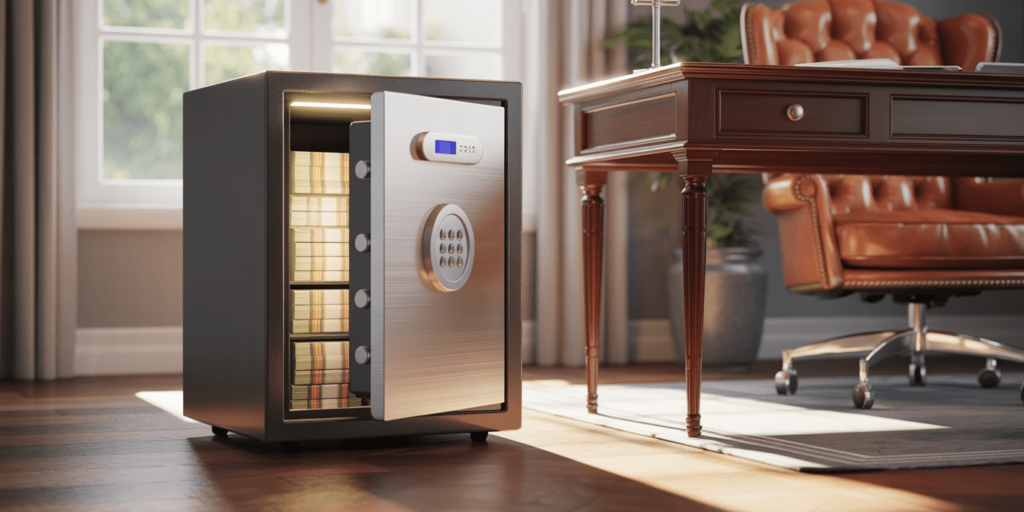
Cash Security at Home: Why You Need a Dedicated Safe Box. Storing large amounts of cash in drawers or jars invites theft, loss, and damage—yet many homeowners overlook the risks. Here’s what you need to know…
1. What are the risks of storing cash insecurely?
Homeowners who stash cash under mattresses, inside drawers, or in unprotected containers face theft by intruders or opportunistic visitors. Even trusted household members might misplace or mishandle funds, leading to untraceable losses. Additionally, cash is vulnerable to fire, water damage, and fading or disintegration over time, making casual storage methods unreliable for preserving value.
2. What makes a dedicated safe box essential?
A dedicated safe box offers a fortress-like environment combining hardened materials and advanced locks to deter unauthorized access. Unlike generic containers, it’s engineered specifically for security, integrating fireproof liners, waterproof seals, and precise locking mechanisms. This specialized design ensures that cash remains both physically and environmentally protected, saving you stress and potential financial setbacks.
3. Which safe box types suit cash storage?
Several styles of safe boxes cater to cash needs: desktop safes for quick access; drawer safes that conceal under furniture; wall-mounted units hidden behind décor; and floor safes that resist removal. Each form factor balances accessibility with concealment, letting homeowners match safe style to room layout and usage frequency.
| Safe Type | Ideal Use Case |
|---|---|
| Desktop Safe | Quick daily access |
| Drawer Safe | Discreet under-desk concealment |
| Wall-Mounted Safe | Behind artwork or cabinetry |
| Floor Safe | Maximum immovability |
4. How does fire resistance protect cash?
Cash stored in ordinary containers can ignite or become charred within minutes during a house fire. Fireproof safe boxes feature specialized liners—often ceramic-gypsum composites—that absorb heat and maintain interior temperatures below 350 °F. This delay allows homeowners to retrieve or recover funds once firefighters control the blaze, preserving the full value of your reserves.
5. Why water resistance matters?
Sprinkler systems and burst pipes can soak cash, rendering bills illegible and worthless. Water-resistant safe boxes use EPDM or silicone gaskets and integrated drain channels to block moisture ingress. By keeping your emergency funds dry, you avoid the headache and cost of replacing damaged currency after a minor flood or sprinkler activation.
6. What locking mechanisms are best?
Lock options vary by convenience and security: mechanical combination dials require no power but depend on memorized sequences; electronic keypads allow multiple user codes and quick resets; biometric scanners grant instant fingerprint access. Hybrid models combine electronic locks with a hidden mechanical override key, ensuring you never get locked out—even if batteries die.
| Lock Type | Power Required | User Codes Supported |
|---|---|---|
| Mechanical Dial | No | 1 |
| Electronic Keypad | Yes | 5–20 |
| Biometric Scanner | Yes | 10+ Fingerprint IDs |
7. How to determine safe box size?
Estimate the volume of cash you intend to store now, then add extra for future reserves or additional valuables like passports or jewelry. Small safes (0.2–0.5 cu ft) hold cash bundles and documents, while mid-size units (0.6–1.0 cu ft) accommodate both bills and items like hard drives. Oversizing slightly prevents overstuffing, which can stress seals and locking bolts.
8. Where to install your safe for maximum security?
Concealment and anchoring substrate guide placement. Bedroom closets, home offices, or behind false panels offer stealth, while proximity to exits ensures quick access. Avoid obvious locations like master-bedroom dressers; instead, select spots that resist casual discovery yet remain reachable in emergencies.
9. How to anchor and install safely?
Proper anchoring transforms a safe into an immovable fixture. Use lag bolts into wood subfloors, wedge anchors in concrete slabs, or carriage bolts through wall studs. Ensuring at least 2 inches of embedment into solid substrate stops thieves from hauling away the entire box.
| Substrate | Anchor Type | Embedment Depth |
|---|---|---|
| Wood Subfloor | ½″ Lag Bolt | 2″ |
| Concrete Slab | ⅜″ Wedge Anchor | 2″ |
| Wall Stud | ¾″ Carriage Bolt | 2″ |
10. What interior organization features help?
Removable trays and adjustable shelves let you segregate cash by denominations, ensuring quick counts and preventing bills from mixing with other items. Foam-lined pouches cushion coins or jewelry, and file racks keep documents upright. Organized interiors minimize retrieval time and reduce wear on currency stacks.
11. How to integrate with home security systems?
Link smart safes to your alarm panel or mobile app via Wi-Fi or Bluetooth. Tamper alerts, low-battery warnings, and door-open notifications arrive in real time. Geofencing can auto-lock the safe when you leave home, ensuring your cash remains protected even if you forget to lock manually.
12. What environmental sensors add protection?
Advanced safes embed temperature, humidity, and smoke sensors that trigger internal vents, dehumidifiers, or silent alarms if thresholds breach safe limits. AI-driven analytics predict potential hazards—like rising humidity indicating leaks—sending early warnings so you can act before cash is compromised.
| Sensor Type | Protective Action |
|---|---|
| Temperature Sensor | Activates heat vents |
| Humidity Sensor | Engages dehumidifier packs |
| Smoke Detector | Sends silent mobile alerts |
13. How to maintain and test your safe?
Monthly lock tests and quarterly lubrication of mechanical parts with graphite spray ensure smooth operation. Replace electronic-lock batteries annually or upon low-battery alerts. Inspect gaskets for cracks and liners for moisture every five years. Scheduled maintenance prevents surprises when you need your cash most.
14. How to balance budget and features?
Basic safes ($100–$200) offer steel shells and combo dials with minimal fire resistance. Mid-range models ($200–$400) add 60-minute fireboards and electronic keypads. Premium boxes ($400+) include biometric locks, extended fire and water seals, and smart connectivity. Compare the replacement cost of your cash reserves to decide which tier delivers the best ROI.
15. How to choose the right safe box for cash?
List your must-have features—size, fire/water ratings, lock type, smart alerts—and measure installation spaces. Compare models’ certifications (UL, ETL) and read user reviews for real-world reliability. Factor in budget and maintenance ease. A systematic selection process ensures you invest in a safe box that protects your home cash with confidence.
| Feature Priority | Recommended Tier |
|---|---|
| Basic Security | $100–$200 Entry-Level |
| Fire/Water Protection | $200–$400 Mid-Range |
| Smart Connectivity | $400+ Premium |
FAQ
Q1: Can I store large sums of cash in a home safe?
Yes—choose a mid-size or larger safe to accommodate bundles without overpacking.
Q2: How fire-resistant should my safe be?
Aim for a 60-minute UL Class 350 rating in residential settings for balanced cost and protection.
Q3: Are biometric locks worth the extra cost?
They offer fast access and eliminate codes but require maintenance; weigh convenience against reliability needs.
Q4: How often should I test my safe’s security features?
Perform monthly lock tests, quarterly sensor checks, and annual battery replacements for electronics.
Q5: Can smart safes be hacked?
Quality models use encrypted communications and offline overrides; ensure firmware updates and strong network security to mitigate risks.


