 跳到内容
跳到内容 

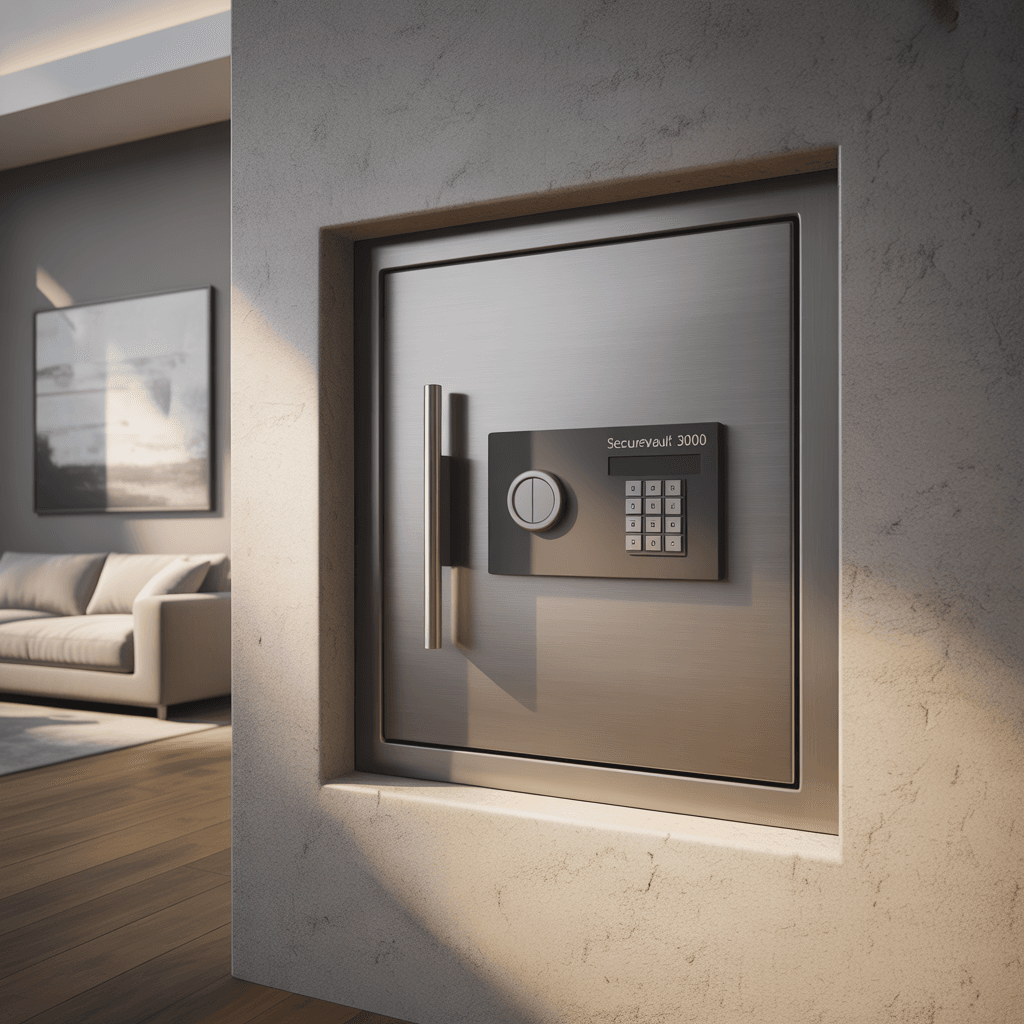
A Fireproof Wall Mounted Safe Box offers a discreet, space-saving way to guard your vital papers against fire, theft, and water damage, all while freeing up floor space. With robust construction and certified fire ratings, you can trust that passports, wills, and financial records stay intact when disaster strikes. Here’s why mounting your safe makes all the difference…
1. Why Choose a Wall Mounted Safe Box?
Wall mounting elevates your safe out of reach of flooding or pests and hides it behind cabinetry or artwork to deter thieves. Secured directly to studs or concrete, these safes become immovable fixtures that blend seamlessly into your decor. Unlike freestanding models, wall safes use vertical space and keep floors clear—ideal for tight apartments or busy offices.
2. Understanding Fireproof Certifications
Look for UL 72 Class 350 or ETL Verified ratings, which guarantee internal temperatures stay below 350 °F for 30 to 60 minutes at 1,550 °F external heat. These ratings derive from rigorous third-party testing that simulates real-world blaze scenarios. A certified fireproof safe ensures your documents and digital backups survive long enough for firefighters to gain control.
3. Steel Construction and Fireboard Liners
A quality wall safe combines heavy-gauge steel walls with fireboard or ceramic-gypsum liners that absorb heat. The steel shell resists prying and drilling, while liners undergo endothermic reactions, slowing temperature rise inside. Intumescent door gaskets expand under heat, sealing gaps against smoke and flame infiltration.
| Component | Function |
|---|---|
| 16-Gauge Steel | Resists cutting and forced entry |
| Fireboard Liner | Absorbs heat to protect interior |
| Intumescent Gasket | Seals door against smoke and water |
4. Size and Internal Capacity Options
Wall safes range from compact 0.3 cubic feet to larger 1.5 cubic feet models. Small units fit passports, cash envelopes, and USB drives. Mid-size safes hold binders or multiple jewelry boxes. Larger versions accommodate document folders, heirloom collections, and even small electronics. Always measure your installation cavity and item volumes, then add 20 percent buffer for future needs.
5. Locking Mechanisms: Dial, Keypad, and Biometric
Mechanical combination dials never require power and offer reliable, uninterrupted access. Electronic keypads enable multiple user codes and quick resets but need battery upkeep. Biometric scanners grant instant fingerprint entry but should include a hidden mechanical override for emergencies. Choose based on your convenience, user count, and risk tolerance.
6. Installation Requirements and Anchoring
Securing a wall safe demands precise alignment with studs or concrete backing. Use a stud-finder or wall scanner to locate mounting points. For wood studs, ½-inch lag bolts offer maximum shear resistance. Concrete walls require ⅜-inch wedge anchors embedded at least 2 inches deep. Proper installation transforms your safe into a near-impenetrable fixture.
| Substrate | Anchor Type | Embedment Depth |
|---|---|---|
| Wood Stud | Lag Bolt | 2 inches |
| Concrete Wall | Wedge Anchor | 2 inches |
| Brick or Block | Sleeve Anchor | 2 inches |
7. Water and Smoke Sealing Features
EPDM or silicone gaskets around the door frame block sprinkler spray and ambient moisture. Drainage channels at the bottom edge channel any infiltration away from contents. Smoke seals prevent fine soot from entering and corroding paper or electronics. These environmental safeguards complement fire resistance for comprehensive protection.
8. Interior Organization and Accessibility
Removable top trays hold emergency cash and passports for quick retrieval. Vertical file racks keep folders upright and uncreased. Padded jewelry pouches cradle necklaces and rings. Adjustable shelves let you reconfigure layouts as your storage needs evolve, ensuring you always find what you need without rummaging.
9. Smart Connectivity and Alerts
Modern fireproof wall safes integrate via Wi-Fi or Bluetooth to send tamper, temperature, and moisture alerts to your smartphone. Geofencing auto-locks when you leave home, and temporary access codes can be granted to trusted individuals. Always verify that smart features include offline mechanical overrides to avoid lockouts.
| Feature | Benefit |
|---|---|
| Mobile Alerts | Real-time intrusion and enviro alerts |
| Geofencing | Auto-lock/unlock by proximity |
| Remote Code Grant | Emergency access management |
10. Maintenance and Durability
Quarterly lock lubrication with graphite spray keeps dials and bolts smooth. Test electronic and biometric locks monthly and replace batteries annually or upon low-battery alerts. Inspect gaskets and liners every five years for wear or corrosion. Routine upkeep preserves both security and fire/water ratings over the safe’s lifetime.
11. Budget Tiers and Value Comparison
Entry-level wall safes ($150–$300) provide steel shells and mechanical dials with basic fire resistance. Mid-range models ($300–$500) add electronic keypads and 60-minute fireboards. Premium units ($500+) include biometric scanners, extended fire ratings, water seals, and smart integrations. Compare replacement cost of your contents to justify the right budget tier.
| Price Range | Core Features |
|---|---|
| $150–$300 | Steel shell, combo dial, basic liner |
| $300–$500 | 60-min fire, electronic keypad |
| $500+ | Biometric, smart features, water seal |
12. Certifications and Third-Party Testing
Look for UL 72, ETL Verified, and IPX5 certifications. UL 72 confirms fire resistance, ETL verifies performance, and IPX ratings ensure splash-proof water defense. ANSI/BHMA lock standards validate pick and drill resistance. Request certification labels and test reports to confirm manufacturer claims.
13. Insurance Benefits and Liability Reduction
Installing a certified wall safe can reduce homeowner’s insurance premiums by up to 15 percent. Provide proof of UL ratings and professional installation to qualify. With enhanced coverage limits and lower deductibles, the safe often pays for itself in policy savings over time.
14. Placement Tips for Maximum Protection
Avoid direct heat sources like radiators or vents that degrade gaskets. Install on interior walls to maintain thermal insulation. Conceal behind furniture or artwork but ensure easy access during emergencies. Ground-floor placement simplifies anchoring and prevents damage from upper-floor leaks.
| Placement Option | Advantage |
|---|---|
| Behind Picture Frame | Low visibility, easy access |
| Inside Closet Wall | Hidden, stable substrate |
| Home Office Wall | Quick reach during urgent moments |
15. Final Checklist for Your Wall Mounted Safe
- Confirm internal volume meets current and future needs.
- Verify fire/water ratings and certifications.
- Choose lock type that fits your lifestyle and user base.
- Plan installation substrate and anchoring method.
- Budget according to value of stored items and desired features.
Following this checklist ensures you select the best fireproof wall mounted safe box to protect your documents and cash with unwavering confidence.
FAQ
Q1: Can I install a wall safe myself safely?
Yes—bolt-down kits and clear instructions enable DIY installation, but professional mounting guarantees optimal security and compliance.
Q2: How long does fire resistance last?
Standard UL 72 Class 350 ratings provide 30–60 minutes; premium dual-liner systems extend to 120 minutes.
Q3: Do smart safes work offline?
Most include mechanical overrides for entry if Wi-Fi or batteries fail, ensuring you never get locked out.
Q4: What maintenance keeps seals effective?
Inspect gaskets annually, clean door tracks monthly, and replace desiccant packs and liners every five years.
Q5: Which lock type offers the best balance?
Electronic keypads balance multi-user convenience and reliability; mechanical dials never require batteries; biometric locks deliver fastest access but need backups.


