 跳到内容
跳到内容 

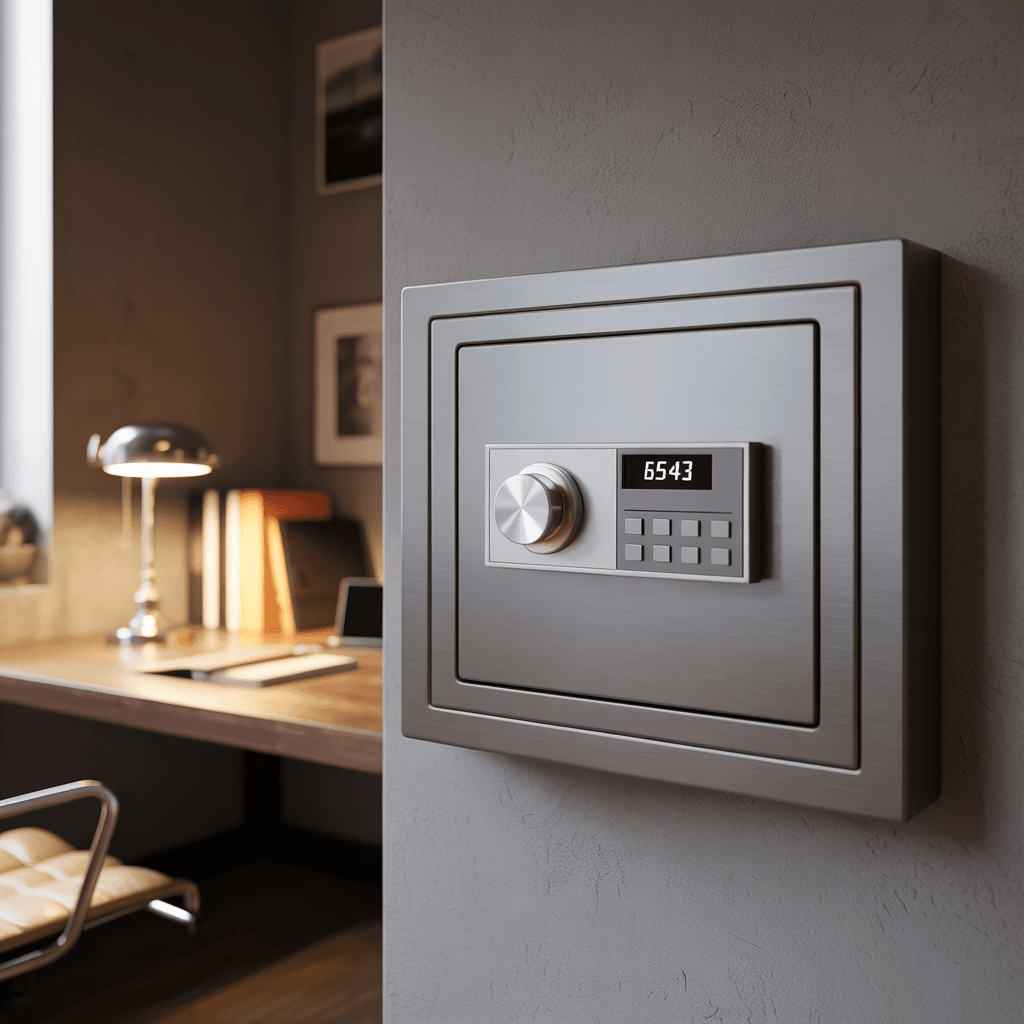
How to Choose the Best Wall Mounted Safe Box: Size, Security, and Features. Installing a wall mounted safe box transforms hidden spaces into fortified vaults that protect valuables without occupying floor space. Here’s what you need to know before mounting one…
1. Benefits of Wall Mounting vs. Floor Placement
Wall mounted safes stay hidden behind artwork or panels, deterring thieves who search floors first. They save floor space, reducing tripping hazards and preserving room aesthetics. Mounted units also benefit from stud-to-stud anchoring, making removal nearly impossible without specialized tools.
| Mount Type | Visibility | Removal Difficulty |
|---|---|---|
| Wall Mounted | Low | Very High |
| Floor Safe | Medium | Moderate |
2. Assessing Size and Capacity Requirements
Choosing the right internal volume means matching the safe’s dimensions to the items you plan to store. Measure binders, jewelry trays, and cash envelopes before purchase. Remember to allow 20 percent extra space for future additions and easy retrieval without cramming contents.
3. Steel Gauge and Construction Quality
Look for safes built with 16–18 gauge hardened steel—thicker walls slow drilling and prying. Reinforced door frames, welded seams, and anti-pry flanges eliminate weak points. Premium models may add composite layers to absorb impact and improve fire resistance as a secondary benefit.
4. Locking Mechanisms and Access Control
Lock options include mechanical combination dials, electronic keypads, and biometric scanners. Combination dials never require batteries but demand precise dialing. Electronic keypads support multiple user codes and time-delay functions. Biometric locks grant quick fingerprint access but need backup keys for power failures.
| Lock Type | Power Needed | User Codes | Override Key |
|---|---|---|---|
| Mechanical Dial | No | 1 | No |
| Electronic Keypad | Yes | 5–20 | Optional |
| Biometric Scanner | Yes | Fingerprint Profiles | Yes |
5. Fire and Water Resistance Ratings
For paper documents and digital media, prioritize safes with UL 72 Class 350 (30–60 min at 1,550 °F). Water seals like EPDM gaskets and drainage channels protect against sprinkler activation. Verify third-party certifications to ensure real-world performance.
6. Installation Considerations and Tools Needed
Proper wall mounting requires stud finders, power drills, and masonry bits if anchoring into concrete. Follow manufacturer instructions to align bolt holes with studs or concrete anchors. A level ensures the safe sits flush, preventing door binding and ensuring gasket integrity.
7. Wall Materials and Anchoring Strategies
Different substrates demand specific anchors: wood studs use ½″ lag bolts; concrete walls require ⅜″ wedge anchors; brick walls need sleeve anchors. Ensure anchor length penetrates the substrate by at least 2″ for maximum shear resistance.
| Substrate | Anchor Type | Minimum Embedment |
|---|---|---|
| Wood Stud | Lag Bolt | 2″ |
| Concrete | Wedge Anchor | 2″ |
| Brick | Sleeve Anchor | 2″ |
8. Interior Organization and Accessibility
Adjustable shelves, removable trays, and vertical file racks keep contents tidy. A shallow top tray holds cash bundles and passports for quick grab, while deeper racks store binders upright. Foam pouches protect jewelry from scratches, and clear organization reduces retrieval time.
9. Access Control and User Management
Electronic safes let you assign temporary codes for guests or service personnel, then revoke them remotely. Audit-trail models record every opening event with timestamp and user ID. This accountability deters insider misuse and simplifies investigations if discrepancies arise.
10. Smart Features and Connectivity Options
Modern wall safes integrate via Wi-Fi or Bluetooth to deliver tamper alerts, low-battery notifications, and remote locking. Some support geofencing that auto-locks when you leave home. Ensure smart features have offline fallback (mechanical key) to avoid lock-outs.
| Feature | Benefit |
|---|---|
| Mobile Alerts | Instant intrusion notifications |
| Geofencing | Auto-lock/unlock by proximity |
| Audit Logs | Tamperproof event history |
11. Maintenance and Durability Over Time
Keep locking mechanisms smooth with quarterly graphite lubrication. Test electronic and mechanical locks monthly. Replace batteries annually or upon low-battery warnings. Inspect gaskets and liners every five years to prevent seal degradation and maintain fire/water ratings.
12. Budget Considerations and Value Analysis
Entry-level wall safes ($150–$300) offer basic steel shells and combo locks. Mid-range units ($300–$500) add fire ratings and electronic keypads. Premium models ($500+) include biometric scanners, extended certifications, and smart integrations. Compare safe price against the replacement cost of contents to justify investment.
13. Certifications and Third-Party Testing
Look for UL 72, ETL Verified, and IPX4+ water resistance. ANSI/BHMA lock ratings indicate pick and drill resistance. Certification labels on both the safe and packaging confirm independent testing. Request test reports to validate manufacturer claims before purchase.
| Certification | Standard |
|---|---|
| UL 72 Class 350 | 350 °F internal for 30–60 min |
| ETL Verified | Third-party fire and water testing |
| IPX4 | Splash-proof water resistance |
14. Insurance and Liability Benefits
Installing a certified wall safe can reduce homeowner’s insurance premiums by 5–15 percent. Insurers often require UL ratings and proof of professional installation. Provide policy numbers and installation receipts to qualify for discounts and increase coverage limits.
15. Final Steps: Making the Right Choice
Compile your item list (documents, jewelry, cash), measure installation space, and assess wall substrate. Rank must-have features: lock type, fire/water ratings, smart alerts. Compare a shortlist of models against budget and certifications. With this structured approach, you’ll select the best wall mounted safe box to secure your valuables and enhance peace of mind.
FAQ
Q1: Can I install a wall safe myself?
Yes—most include bolt-down kits and instructions, but professional installation ensures correct anchoring and compliance.
Q2: What depth of wall is required?
At least 4″ cavity depth between studs; verify no plumbing or wiring behind mounting area.
Q3: How often should I test my safe’s lock?
Test monthly and lubricate quarterly to maintain reliable operation.
Q4: Are smart features necessary?
They enhance oversight but choose models with mechanical override to avoid lock-outs if connectivity fails.
Q5: Which lock type offers best security?
Biometric scanners provide fastest access; electronic keypads balance convenience and multi-user codes; combination dials remain reliable without power.


