 跳到内容
跳到内容 

Fireproof Home Security Safe Boxes – Protect Your Documents & Cash. In a world where fires can spark without warning, storing your irreplaceable papers and emergency funds inside a fireproof safe box gives you confidence that they’ll survive even the worst heat. Here’s why investing in a fireproof safe is a smart move…
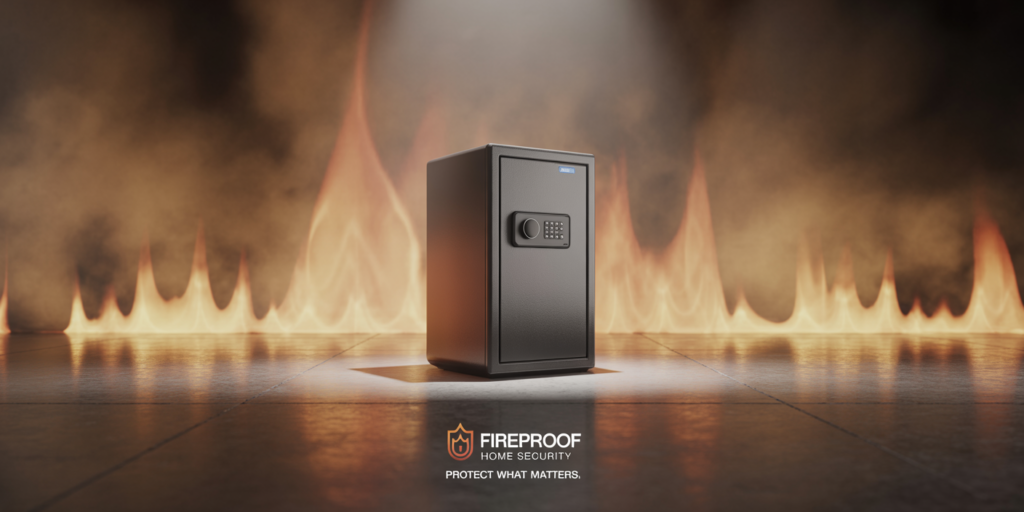
1. What Defines a Fireproof Home Security Safe Box?
A fireproof home security safe box combines a hardened steel shell with specialized fireboard liners that resist extreme temperatures. These liners—often ceramic-gypsum composites—undergo endothermic reactions to absorb heat, keeping internal temperatures below damaging thresholds. Integrated door gaskets expand under heat to seal out smoke and hot gases. Every component works together to ensure paper documents, cash, and digital media remain intact during a house fire.
| Feature | Function |
|---|---|
| Steel Shell | Withstands physical attacks and heat |
| Fireboard Liner | Absorbs heat to protect interior items |
| Intumescent Gasket | Seals door against smoke and flames |
2. Why Protecting Documents and Cash Matters
Important records—birth certificates, wills, mortgage deeds—and emergency cash are virtually impossible to replace. A fire can reduce these to ashes in minutes, but a certified fireproof safe box preserves them long enough for firefighters to cool the environment. By storing essentials in one place, you cut recovery time and retain critical assets when time is of the essence.
3. Understanding Fire Resistance Ratings
Fire resistance ratings indicate how long and at what temperature a safe maintains interior safety. UL 72 Class 350 safes guarantee internal temperatures remain below 350 °F for 30–60 minutes under external heat of 1,550 °F. Higher-end models achieve two-hour ratings, making them ideal for rapid-developing fires. Always look for UL or ETL verification labels to confirm real-world performance.
4. Choosing the Right Capacity for Your Needs
Safe boxes range from compact 0.5 cubic feet—suitable for passports, cash envelopes, and USB drives—to larger 1.5+ cubic feet units that accommodate binders and bulk cash bundles. Measure storage needs by inventorying documents and cash volumes, then add 20 percent extra room for future acquisitions. Matching capacity to your archive ensures no item is left behind when the alarm sounds.
| Size Category | Typical Contents |
|---|---|
| Compact (0.5 cu ft) | Passports, small documents, USBs |
| Mid-Size (1.0 cu ft) | Binders, cash bundles, jewelry trays |
| Large (1.5+ cu ft) | Bulk records, multiple binders |
5. Steel Gauge and Construction Quality
Beyond fire liners, the outer steel gauge determines resistance to tampering and heat transfer. Thicker steel—16 to 18 gauge—adds mass that slows external temperature rise and withstands pry tools. Welded seams eliminate vulnerable joints, while reinforced corners prevent deformation. Quality construction extends safe lifespan and deters both fire and theft attempts.
6. Locking Mechanism Options
Fireproof safes pair with robust locks:
- Mechanical combination dials require no power and resist electromagnetic interference.
- Electronic keypads allow multiple user codes and quick code changes.
- Biometric fingerprint scanners grant instant entry to enrolled users.
Many models offer a concealed mechanical override keyway behind a protected panel, ensuring access even if electronics fail.
7. Water and Smoke Sealing Features
A fireproof safe must also keep out water from sprinklers and smoke particles. EPDM gaskets around door perimeters seal tightly under heat, while integrated drain ports channel excess moisture away from contents. Smoke-tight seals prevent corrosive soot from infiltrating and damaging paper or digital media.
| Protection Element | Benefit |
|---|---|
| EPDM Gasket | Repels sprinkler water |
| Drain Port | Diverts moisture from interior |
| Smoke Seal | Blocks smoke and soot ingress |
8. Installation and Anchoring Best Practices
To prevent thieves from hauling off the safe, bolt it to a concrete floor or secure cabinetry frame using included anchor kits. Proper anchoring transforms a heavy unit into a permanent fixture. Ensure installation sites are level and free of moisture, maintaining gasket effectiveness and safe stability over time.
9. Interior Organization for Quick Retrieval
Customizable interiors—removable trays, adjustable shelves, and vertical file racks—keep documents and cash neatly arranged. Trays at the top hold emergency cash bundles for rapid access, while deeper compartments store binders. Organized interiors reduce search time during high-stress evacuations.
10. Smart Connectivity and Alerts
Modern fireproof safes integrate with home security networks via Wi-Fi or Bluetooth. They send tamper and environmental alerts—temperature spikes or moisture ingress—to your smartphone. Geofencing auto-locks the safe when you leave home, and remote codes grant trusted individuals emergency access without sharing physical keys.
| Connectivity Option | Function |
|---|---|
| Mobile App Alerts | Instant tamper and environmental alarms |
| Geofencing | Auto-lock/unlock based on location |
| Remote Code Grant | Temporary access for emergencies |
11. Maintenance and Seal Longevity
Maintain fireproof safes by inspecting gaskets quarterly for cracks or debris, replacing desiccant packs bi-annually, and cleaning door tracks monthly. Fireboard liners remain effective for years but should be inspected every five years for damage. Routine care preserves protection levels when you need them most.
12. Insurance Benefits and Premium Discounts
Insurance providers often offer premium reductions for homes equipped with UL-rated fireproof safes. Present certification and installation proof during underwriting to secure higher coverage limits and lower deductibles, offsetting the safe’s purchase cost over time.
13. Budgeting: Cost vs. Performance
Fireproof home safes range from $100 for basic 30-minute models to $500+ for two-hour, high-capacity units with advanced locks. Entry-level models suit modest storage needs, mid-range units add electronic locks, and premium safes deliver biometric, smart features, and extended fire ratings. Align your budget with the value of items being protected.
| Price Tier | Core Features |
|---|---|
| $100–$200 | 30-min fire rating, combo dial |
| $200–$350 | 60-min fire, keypad lock |
| $350+ | 120-min fire, biometric & smart |
14. Placement Tips for Maximum Safety
Install your fireproof safe in cool, dry areas away from direct heat sources—avoid near stoves, radiators, or windows. Ground-floor locations simplify anchoring and reduce fall risk during earthquakes. Concealment behind furniture or within closets adds an extra theft deterrent while preserving quick access.
15. Final Checklist for Safe Selection
- Determine capacity based on document and cash volumes.
- Verify fire rating and UL/ETL certifications.
- Choose steel gauge (16–18) for durability.
- Select appropriate lock type and smart features.
- Plan installation site—ensure anchorability and concealment.
- Budget according to performance tiers.
By following this checklist, you’ll select the best fireproof home security safe box to protect your most critical assets.
FAQ
Q1: How long can a fireproof safe protect contents?
Standard models guard for 30–60 minutes at 1,550 °F; premium units extend to 120 minutes.
Q2: Do electronic locks fail in power outages?
Most include internal rechargeable batteries and external terminals for emergency jump-starts.
Q3: How often should I replace desiccant packs?
Replace every 6 months to maintain a dry interior environment.
Q4: Can I install the safe without professional help?
Yes—bolt-down kits include clear instructions; heavy units may benefit from professional anchoring.
Q5: Are smart alerts necessary?
Smart alerts add oversight but the core fire protection works independently of connectivity.


