 跳到内容
跳到内容 

In today’s unpredictable world, safeguarding your most valuable assets requires more than a basic lockbox. A heavy safe box delivers fortress-grade security, combining advanced materials, sophisticated locks, and environmental defenses to keep your possessions intact through theft attempts, fires, and floods. Here’s why upgrading to a heavy safe box transforms your protection…
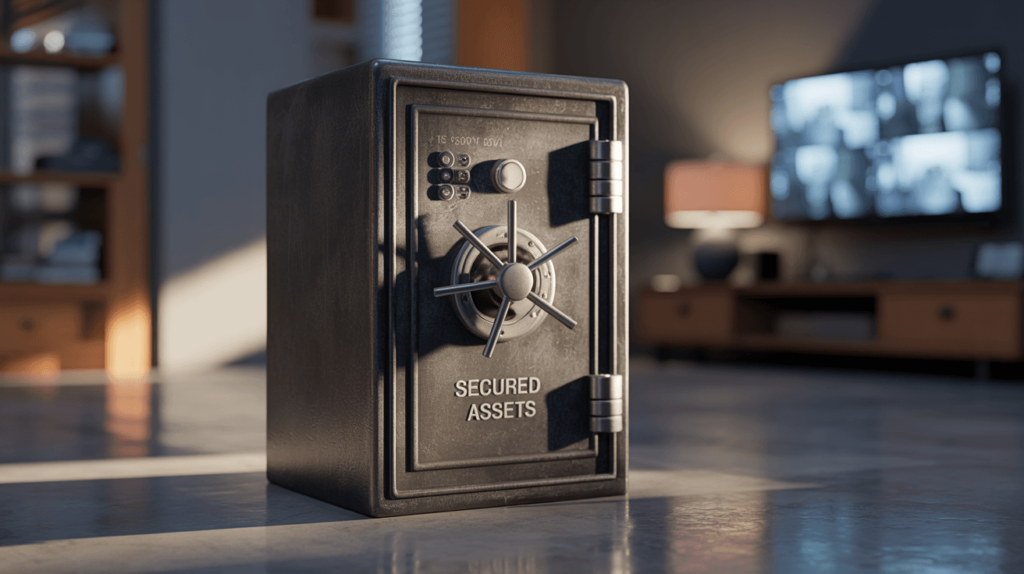
1. Reinforced Multi-Layer Steel Construction
Heavy safe boxes use multiple layers of steel—often pairing a hard exterior plate with a softer, impact-absorbing inner layer. This hybrid construction disperses drilling or cutting forces, preventing concentrated attacks from industrial tools. Welded seams and reinforced corners further eliminate weak points, ensuring the box stands firm even under prolonged physical assault.
| Layer | Purpose |
|---|---|
| Outer Armor Steel | Resists drilling and abrasion |
| Inner Alloy Composite | Absorbs and disperses impact energy |
2. Advanced Fireboard Liners
Inside the steel shell, fireboard or ceramic-gypsum liners delay heat transfer for 60–120 minutes at temperatures up to 1,550 °F. These liners undergo endothermic reactions, absorbing heat and preventing internal temperatures from exceeding 350 °F—a threshold beyond which paper documents and electronics suffer irreversible damage. Quality models feature dual-layer liners that extend protection during prolonged blaze scenarios.
3. Hybrid Digital-Mechanical Locking Systems
Contemporary heavy safes merge electronic keypads with mechanical relockers and emergency override keys. The keypad enables multi-user PINs, temporary codes, and time-delay functions, while relockers activate under tamper attempts. Should the battery fail, a concealed mechanical keyway—protected by a drill-resistant panel—ensures access without compromising security.
4. Biometric Authentication Options
Biometric scanners—fingerprint, palm-vein, or iris—validate individual identities with precision. Authorized users enroll at installation, and the system logs every successful or failed attempt. Multi-factor setups combine biometrics with PINs or RFID badges, elevating security for sensitive corporate or high-value personal applications.
| Biometric Mode | Speed | Security Level |
|---|---|---|
| Fingerprint Scanner | <1 second | High |
| Palm-Vein Reader | <2 seconds | Very High |
| Iris Recognition | ~3 seconds | Maximum |
5. Time-Delay and Duress Features
Time-delay locks impose waiting periods—30 seconds to 15 minutes—before opening, discouraging smash-and-grab thieves. Duress codes silently alert authorities while granting access, enabling covert distress signals. These built-in deterrents turn your safe box into an active defense system rather than a passive container.
6. Environmental Sensor Integration
High-end heavy safes embed sensors for temperature, humidity, and smoke. If thresholds are breached, internal fans or dehumidifiers activate, and instant alerts send to your smartphone. AI-driven analytics predict threats—such as sudden heat spikes or moisture accumulation—before damage occurs, safeguarding documents, media, and heirlooms against both fire and mold.
7. UL and ETL Certifications
Look for UL 72 (Class 350, 1–2 hours) and ETL Verified labels, guaranteeing third-party fire-resistance testing. Waterproof ratings (IPX6 or higher) confirm resilience against sprinkler systems and floods. Certifications provide peace of mind, ensuring the safe box meets rigorous industry standards during real-world emergencies.
| Certification | Standard |
|---|---|
| UL 72 Class 350 | 350 °F internal for 60–120 minutes |
| ETL Verified Fire | Endorsed third-party testing |
| IPX6 Water-Resistant | Splash and sprinkler immunity |
8. Smart Connectivity and Alerts
Modern heavy safes link via Wi-Fi or secure mesh networks, delivering real-time push notifications for tampering, environmental alerts, and low-battery warnings. Geofencing auto-locks when you leave home and unlocks on return. Integration with security cameras captures intrusion attempts, creating a unified defensive ecosystem.
9. Emergency Power and Backup Options
If the main power source fails, rechargeable lithium-ion batteries maintain full functionality for days. External terminals accept 9V jump-starts for emergencies. Solar trickle-charging panels top up batteries over daylight hours, ensuring your safe stays online even during extended outages.
10. Modular Interior Configurations
Adjustable steel shelves, foam-padded trays, and removable drawers let you tailor the interior for firearms, documents, jewelry, or electronics. Magnetic rails and quick-release brackets enable tool-free reconfiguration. Weight sensors under each shelf notify you of unexpected item removal, adding an extra layer of inventory control.
| Interior Element | Use Case |
|---|---|
| Adjustable Shelf | Store binders, boxes, larger items |
| Foam-Padded Tray | Secure jewelry and small electronics |
| Removable Drawer | Organize ammunition and tools |
11. Quiet-Close and Controlled Door Action
Hydraulic dampers and silent-close mechanisms ensure the heavy door lowers smoothly without crashing. This feature preserves discretion in noise-sensitive environments—home offices and executive suites—while protecting the mechanical components from shock damage.
12. Anti-Pry and Relocker Technologies
Internal anti-pry baffles and re-locking devices engage if the lock or door is forcibly tampered with. Hardened steel locking bolts—often 1.5 inches thick—extend into the frame on all sides, preventing door removal. Combined with concealed hinge designs, these technologies thwart professional break-in attempts.
13. Integrated Surveillance Cameras
Built-in high-resolution cameras capture images or short video clips each time the safe is accessed. Footage stores locally and on the cloud, synchronized with access logs. Motion-activated recording begins the moment the lock mechanism senses vibration, providing visual evidence for any unauthorized entry attempts.
| Camera Feature | Capability |
|---|---|
| Motion Detection | Instant recording on tamper events |
| Cloud Backup | Secure offsite storage |
14. Eco-Friendly Materials and Manufacturing
Leading brands in 2025 prioritize sustainability: recycled steel shells, non-toxic fireboard liners, and biodegradable packaging. Electronics adhere to Energy Star or EPEAT standards, minimizing standby power draw. Certifications like GreenGuard affirm eco-conscious production without sacrificing performance.
15. How to Choose the Right Heavy Safe Box
Assess your threat profile—burglary, fire, flood—and prioritize essential features: lock type, fire rating, connectivity, and interior layout. Measure installation space and substrate strength for anchoring. Compare spec sheets, certifications, and real-user reviews. With a systematic selection process, you’ll secure your assets with confidence and peace of mind.
FAQ
Q1: How long can heavy safe boxes withstand fire?
Look for UL 72 Class 350 ratings—most models protect for 60–120 minutes at 350 °F internal temperature.
Q2: Are biometric locks reliable?
2025 biometric scanners achieve >99% accuracy using palm-vein or multi-point fingerprint recognition.
Q3: What maintenance is required?
Monthly sensor checks, quarterly lock lubrication, and annual battery replacement ensure uninterrupted operation.
Q4: Do I need professional installation?
While DIY anchoring kits exist, professional installation guarantees maximum bolt torque and substrate integrity.
Q5: Can I integrate my safe with existing security systems?
Yes; heavy safes support Wi-Fi, Z-Wave, and API connections to home or business security platforms for unified alerts and controls.


