 跳到内容
跳到内容 

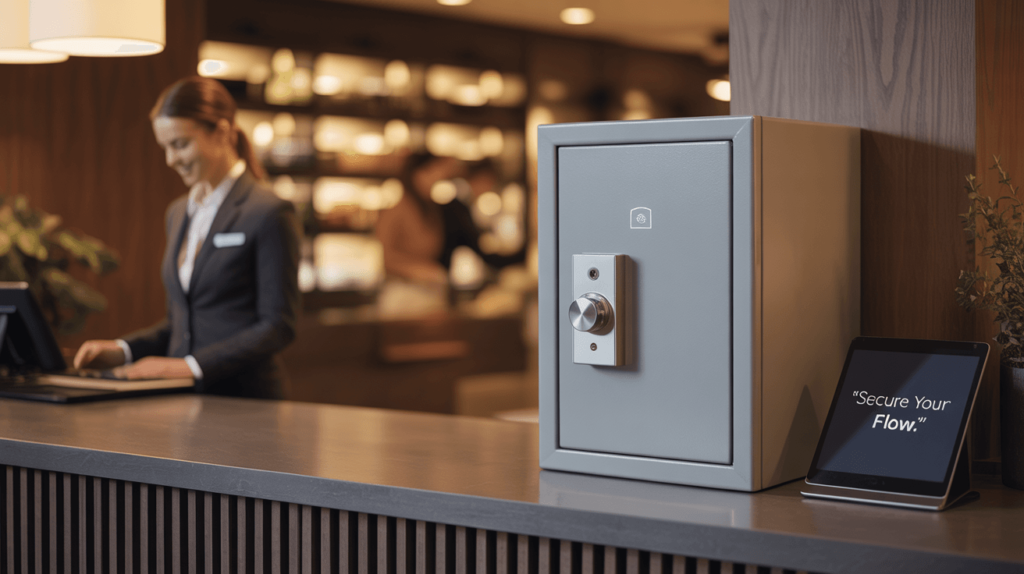
In environments where cash flow and sensitive documents demand rigorous protection, choosing the right safe can make or break your security strategy. Drop safe boxes offer specialized deposit workflows, while traditional safes deliver full‑access storage under a single lock. Ready for the real advantage? Let’s dissect which option best serves your business needs.
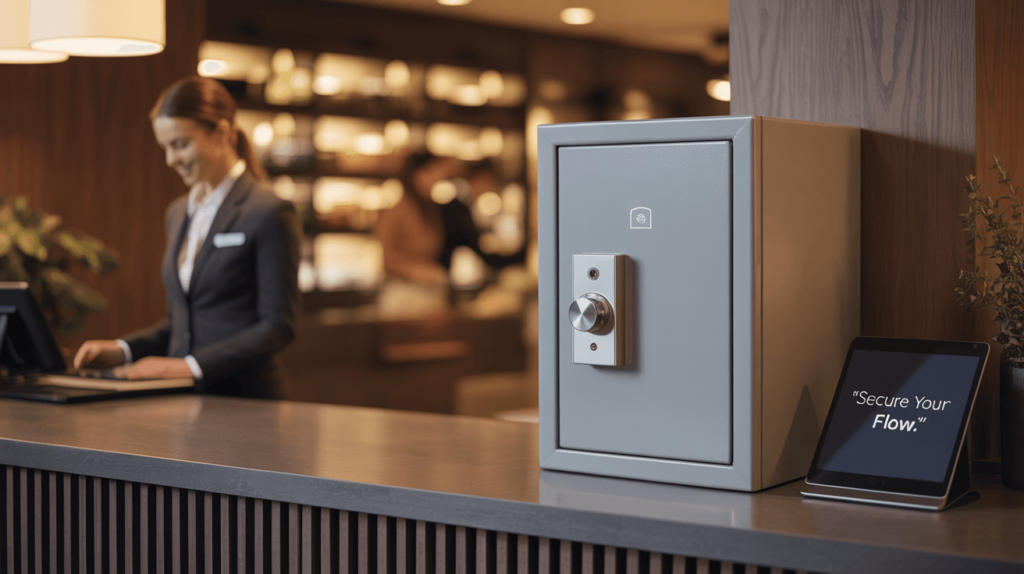
1. What is a drop safe box?
A drop safe box features a one‑way deposit slot that allows staff to deposit cash, checks, or small valuables without opening the main chamber. Employees slide items through an anti‑fish chute; once inside, nothing can be retrieved without manager‑level access. This design isolates deposit duties from withdrawals, reducing internal theft risk and creating a clear audit trail for every deposit.
| Feature | Description |
|---|---|
| Deposit Mechanism | One‑way slot with anti‑fish baffles |
| Access Control | Manager key or electronic code |
2. What is a traditional safe?
Traditional safes are solid‑door containers that require the same key, combination, or electronic credential for both deposit and withdrawal operations. They typically feature thicker steel walls, more substantial locking bolts, and optional fire or water resistance. While versatile, every user with access privileges can open the safe, making internal controls dependent on strict key‑management policies.
3. How do deposit workflows differ?
Drop safe boxes streamline workflows by allowing immediate, secure deposits at the point of sale. Staff no longer carry cash bundles to back offices or risk temporary storage in drawers. In contrast, traditional safes require staff to open, deposit, and relock the safe each time, increasing exposure windows and undermining segregation of duties.
4. Which option offers better theft deterrence?
Banks of cameras watching deposit chutes, anti‑pry mechanisms, and restricted opening schedules make drop safes formidable deterrents to internal and external theft. Traditional safes rely on physical strength—thick steel and heavy bolts—to resist break‑ins, but lack the built‑in one‑way deposit control that thwarts collusion.
| Security Feature | Drop Safe Box | Traditional Safe |
|---|---|---|
| Deposit Control | One‑way slot | Full‑access door |
| Internal Theft Risk | Low (separation of duties) | Higher (shared access) |
5. How do access controls compare?
In a drop safe system, depositors need only perform the simple drop action; only managers hold keys or codes for chamber openings. Traditional safes grant identical access rights to all authorized users, necessitating rigid key‑management and trust in every employee’s discipline.
6. What role do audit trails play?
Many drop safes include digital logs or time‑delay features tying each opening to a user ID. Traditional safes seldom track access events; any audit trail requires separate video logs or manual sign‑in sheets, which can be altered or overlooked.
7. How do fire and water protections vary?
Some drop safes offer basic fire ratings (30–60 minutes at 350–1,550 °F) and splash‑resistant seals. Premium models match traditional safes with UL‑rated liners and IPX‑rated gaskets. Traditional safes more commonly include high‑grade fireboards, intumescent seals, and drain ports to guard against sprinkler systems or floods.
| Protection Type | Drop Safe Box | Traditional Safe |
|---|---|---|
| Fire Resistance | Up to 60 min UL 350–1 Hour | Up to 120 min UL 350–1 Hour |
| Water Resistance | IPX5 splash‑proof | IPX6–7 waterproof options |
8. Which setup is more convenient?
Installing a drop safe typically requires minimal anchoring and no change to deposit workflows—staff simply drops envelopes as usual. Traditional safes may demand reinforced installations and user training for opening procedures. Both require bolt‑down kits, but drop safes integrate more seamlessly into point‑of‑sale counters.
9. How do cost structures compare?
Drop safes often carry lower purchase prices ($200–$800) and install quickly. Traditional safes range from $500 to $2,500+ depending on size, fire rating, and lock type. While traditional safes are one‑time investments, drop safes can reduce losses and insurance premiums, offsetting their cost through operational savings.
10. How does deposit reconciliation differ?
Drop safe users enjoy consolidated deposits—managers retrieve all day’s cash in one operation, count with cash‑count machines, and prepare bank deposits swiftly. Traditional safes require counting each time staff access the safe, risking miscounts and fragmenting reconciliation tasks.
| Reconciliation Method | Drop Safe Box | Traditional Safe |
|---|---|---|
| Deposit Frequency | Single end‑of‑day retrieval | Multiple throughout day |
| Counting Errors | Fewer (batch processing) | More (repeated handling) |
11. What maintenance routines apply?
Monthly clearance of deposit slots and annual lubrication of locks keep drop safes reliable. Traditional safes demand similar upkeep—lock servicing, seal inspections—but also occasional recalibration of combination dials or electronic keypads.
12. How do insurance and liability differ?
Insurers favor drop safes for their role‑based controls and audit logs, often offering lower premiums. Traditional safes must meet specific fire or burglary ratings to qualify for discounts, but lack built‑in segregation controls that demonstrate robust internal procedures.
13. Which sizes and configurations are available?
Drop safes range from compact under‑counter models for small retailers to large floor units with multiple chutes. Traditional safes offer diverse sizes—from small deposit boxes to walk‑in vault rooms—customized with shelving, interior drawers, and alarm integrations.
14. How do industries choose between them?
Quick‑service restaurants and convenience stores benefit from drop safes’ rapid deposits and minimal training. Jewelers, offices, and high‑value retailers often favor traditional safes for comprehensive storage of merchandise, documentation, and cash in a single secure container.
15. Can businesses adopt both strategies?
Layered security uses both drop and traditional safes: deposit daily transactions via drop safes, then transfer consolidated funds into traditional safes overnight. This hybrid model maximizes security, ensuring immediate deposit protection and long‑term storage resilience.
Conclusion
Drop Safe Box vs. Traditional Safe: Which Wins for Businesses? highlights each solution’s strengths—streamlined deposits versus comprehensive storage—and shows how combining both can create an iron‑clad cash management system. Now for the real advantage… assess your workflows and asset profiles to select the perfect mix for your operation.
FAQ
Q1: What is a drop safe box?
A secure deposit device that uses a one‑way slot to separate deposit and withdrawal functions.
Q2: How does a traditional safe work?
A solid‑door container requiring the same access method for both deposits and withdrawals.
Q3: Which option reduces internal theft risk?
Drop safes mitigate risk by limiting withdrawal access to managers only.
Q4: Are drop safes fire‑rated?
Yes; many offer UL‑rated liners with 30–60 minute fire protection.
Q5: Can businesses use both types together?
Absolutely; hybrids leverage drop safes for daily deposits and traditional safes for long‑term storage.


