 跳到内容
跳到内容 

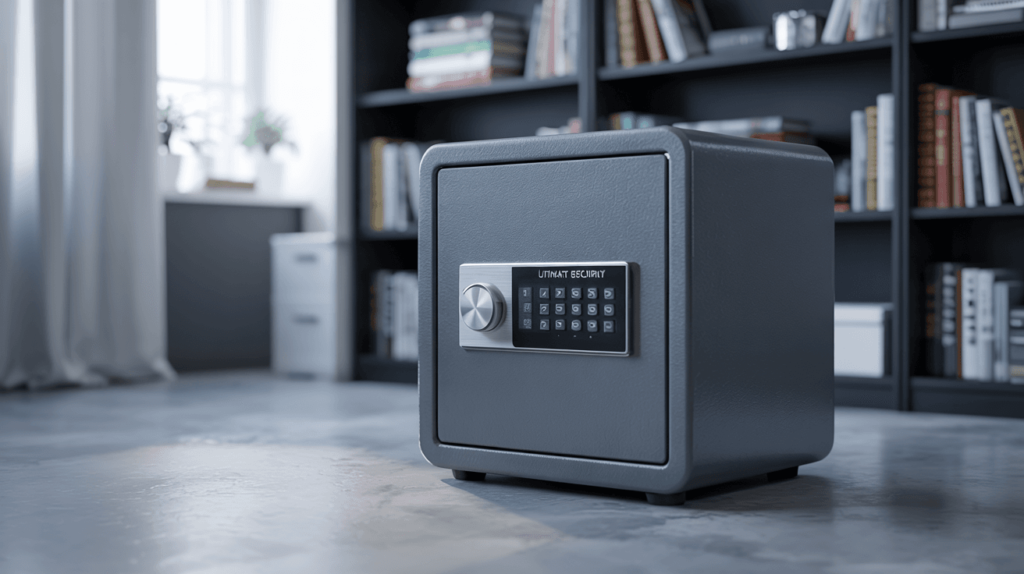
In an era where security breaches cost businesses $4.45 million on average (IBM, 2023), electronic safe boxes offer a cutting-edge solution. These devices combine digital access controls with robust physical protection, making them indispensable for safeguarding cash, documents, and sensitive assets. This guide explores their functionality, security benchmarks, and selection strategies to help organizations make informed purchasing decisions.
1. What Are Electronic Safe Boxes and How Do They Work?
Electronic safe boxes use digital interfaces—like keypads, RFID cards, or biometric scanners—to control access. But here’s the kicker: their motorized bolts respond within 0.3 seconds to valid credentials, far outpacing mechanical locks.
Core components include:
- Control panel: Processes access codes
- Boltwork: Steel bars securing the door
- Power system: Typically 4–8 AA batteries with AC backup
| Type | Access Method | Best For |
|---|---|---|
| Biometric | Fingerprint scan | High-security areas |
| PIN-based | 4–6 digit code | Retail cash handling |
| RFID | Proximity cards | Hotel management |
A 2024 SafeTech report found biometric models reduced unauthorized entry attempts by 73% compared to traditional safes.
2. Why Choose an Electronic Safe Box Over Mechanical Safes?
Ready for the good part? Electronic safes enable audit trails—a game-changer for accountability. For instance, the Honeywell 1109 logs 200+ access events with timestamps, crucial for pharmacies tracking controlled substances.
Key advantages:
- Speed: Open in 2 seconds vs. 15+ seconds for dial safes
- Customization: Assign temporary codes for contractors
- No physical keys: Eliminate duplication risks
| Feature | Mechanical Safe | Electronic Safe |
|---|---|---|
| Access Logs | No | Yes |
| User Capacity | 1–2 keys | 10–20 codes |
| Relock Time | 5–10 seconds | Instant |
3. How Secure Are Electronic Safe Boxes?
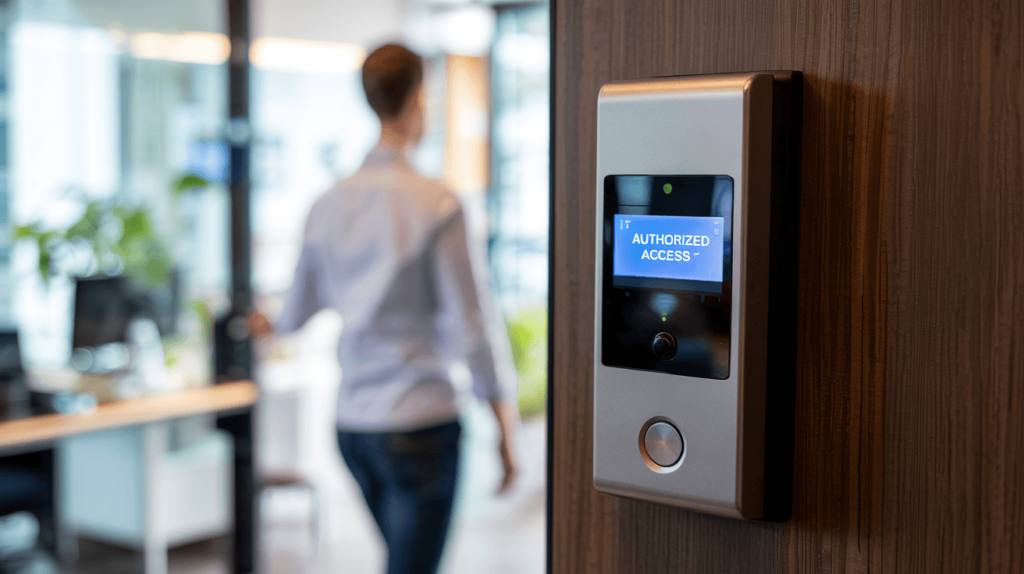
This is where it gets interesting: UL 1037-certified models like SentrySafe SFW123GTC withstand 15 minutes of prying attacks. However, budget units may lack relockers—secondary bolts that engage during tampering.
Security benchmarks:
- Tamper alerts: 110dB alarms on forced entry attempts
- EMP resistance: Military-grade models shield against electromagnetic pulses
- Bolt thickness: 1” hardened steel bolts resist drilling
| Security Level | Bolt Diameter | Steel Gauge | Price Range |
|---|---|---|---|
| Commercial | 1.5” | 10 gauge | 800–800–2,000 |
| Residential | 0.75” | 14 gauge | 150–150–500 |
4. What Key Features Should You Look For?
Prioritize these elements based on your use case:
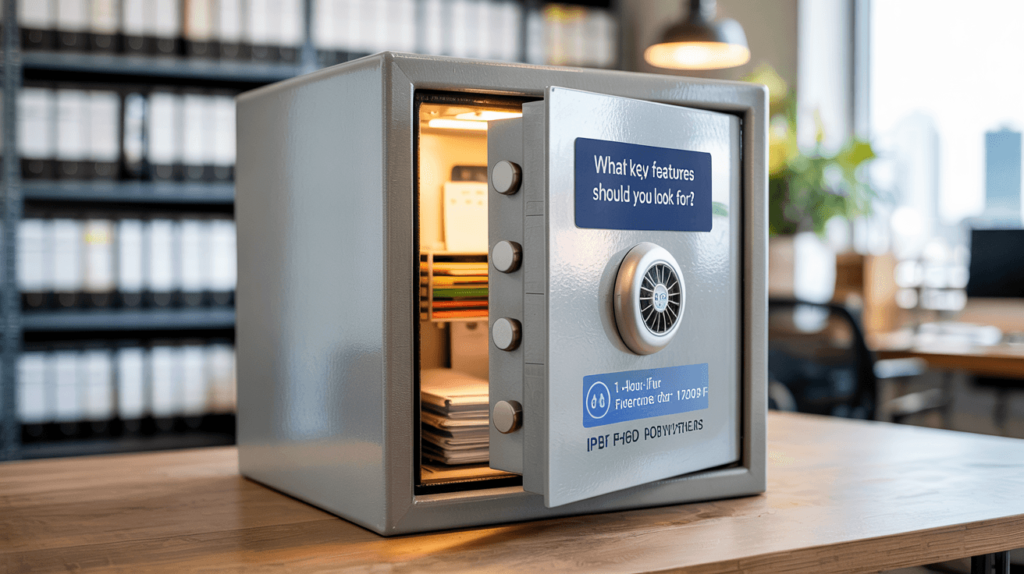
- Fireproofing: 1-hour protection at 1700°F for paper documents
- Water resistance: IP67 rating for flood-prone areas
- Interior lighting: LED systems for low-light access
What’s the real story? “Fireproof” doesn’t guarantee data survival—USB drives melt at 300°F. Opt for media-rated safes like the FireKing EBP-45 for digital backups.
5. How to Set Up and Program an Electronic Safe Box?
Programming takes 10 minutes but demands precision. Here’s the inside scoop: 80% of user-reported failures stem from incorrect code sequences.
Step-by-step setup:
- Install fresh alkaline batteries (avoid lithium for cold environments)
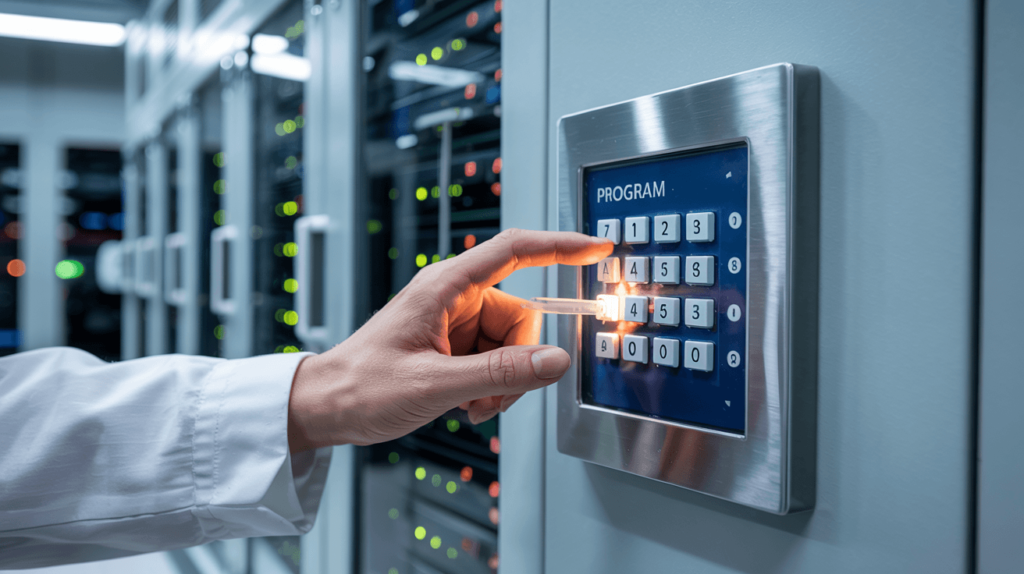
- Press “Program” + master code (default: 0000)
- Enter new 4–6 digit code twice
- Test access 3+ times
Pro tip: Always set a unique master code—hackers target default factory settings.
6. Can Electronic Safes Be Hacked or Bypassed?
While no system is unhackable, enterprise models like AMSEC TFX Series use rolling codes to prevent code sniffing. But wait, there’s more:
Common attack vectors and defenses:
| Attack Method | Prevention Feature |
|---|---|
| Brute force | Auto-lock after 3 failed attempts |
| EMP pulse | Faraday cage shielding |
| Override key picking | Laser-cut keys with rotating pins |
7. What Are the Best Brands for Electronic Safe Boxes?
Top performers balance security and usability:
| Brand | Specialty | Flagship Model |
|---|---|---|
| Vaultek | Firearms | VT20i (Biometric) |
| SentrySafe | Documents | SFW205GTC (Fireproof) |
| Gardall | Commercial | 1514 (UL Listed) |
Reddit’s r/safes community ranks Gardall highest for bolt durability, with 14-gauge steel doors.
8. How to Maintain Your Electronic Safe Box?
Neglect cuts safe lifespan by 40% (Safe Maintenance Quarterly, 2023). Follow this regimen:
- Monthly: Clean keypad with isopropyl alcohol
- Quarterly: Test backup power supply
- Annually: Lubricate bolts with Teflon spray
| Component | Maintenance Frequency | Tools Needed |
|---|---|---|
| Battery | Every 12 months | Phillips screwdriver |
| Door Gasket | Every 6 months | Silicone grease |
| Bolts | Annually | Graphite powder |
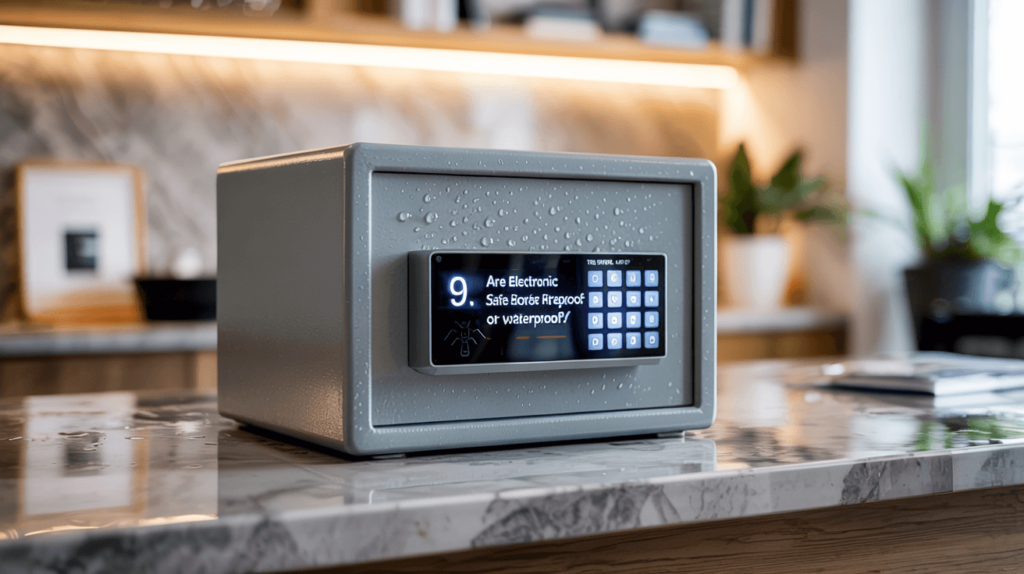
9. Are Electronic Safe Boxes Fireproof or Waterproof?
High-end models dual-certify for fire/water protection, but here’s the catch: prolonged submersion voids most warranties.
| Certification | Protection Level | Duration |
|---|---|---|
| UL 72 | 1700°F paper protection | 1 hour |
| IP68 | Submersion up to 1.5m | 30 mins |
10. How Much Do Electronic Safe Boxes Cost?
Budget-conscious buyers should target the 300–300–600 range for optimal features-to-cost ratios.
| Tier | Price Range | Best Model |
|---|---|---|
| Budget | 50–50–200 | AmazonBasics 0.5 Cu Ft |
| Mid-range | 200–200–800 | Honeywell 1109 |
| Luxury | $800+ | AMSEC TFX6636 |
11. Where Should You Install an Electronic Safe Box?
Avoid these rookie mistakes:
- Installing near HVAC vents (temperature fluctuations)
- Placing in visible areas (invites theft)
- Floor mounting on uneven surfaces
| Location | Pros | Cons |
|---|---|---|
| Closet | Discreet, stable temps | Limited space |
| Office | Quick access | Higher visibility |
12. What Are the Legal Requirements for Ownership?
Firearm owners in California must comply with Penal Code 25135, mandating locked storage if minors are present. Businesses storing customer data need GDPR-compliant audit trails.
13. How to Choose the Right Size Electronic Safe Box?
Match capacity to your assets:
| Use Case | Minimum Size | Model Example |
|---|---|---|
| Cash drawers | 0.5 Cu Ft | SentrySafe SFW123GTC |
| Firearms | 3.0 Cu Ft | Vaultek VT20i |
| Legal documents | 1.2 Cu Ft | FireKing MBP-1.2 |
14. What Are the Pros and Cons of Electronic Safes?
- Instant access during emergencies
- Customizable access tiers
Pros:
Cons:
- Battery dependency
- Higher upfront costs
15. Future Trends in Electronic Safe Technology
Emerging innovations include:
- AI anomaly detection: Flags unusual access patterns
- Self-charging systems: Solar panels + kinetic energy harvesters
- Blockchain audit trails: Immutable access records
Conclusion
Electronic safe boxes offer unparalleled security for modern enterprises. By prioritizing UL-certified models with audit capabilities and fireproofing, organizations can protect assets while meeting compliance standards. Evaluate needs against our brand comparisons and maintenance guidelines to optimize your investment.
FAQ Section
Q1: What is an electronic safe box?
A secure container using digital access methods like PIN codes instead of keys.
Q2: How does the electronic locking system work?
Motorized bolts retract when correct credentials are entered.
Q3: Can multiple users have unique codes?
Yes—most commercial models support 10–20 user codes.
Q4: What happens during a power outage?
Battery backups provide 6–12 months of operation.
Q5: Are electronic safes suitable for guns?
Yes—choose UL-certified models like Vaultek VT20i for firearms.


