 跳到内容
跳到内容 

Vault Secrets the Industry Guards Closely
Imagine discovering your high-security cash holder failed when you needed it most—not from a skilled thief, but from something as simple as humidity. The unsettling reality? Premium protection units often underperform precisely when crisis strikes, thanks to design flaws manufacturers quietly acknowledge but rarely address.
Security specialists reveal most owners commit fatal errors with their private depositories:
- 79% place units in predictable locations burglars check first
- “Fireproof” models frequently reach internal temperatures that char documents
- Electronic locks become liabilities during power surges
Former safe crackers confess they bypass 62% of residential money containers in under 90 seconds—not through brute force, but by exploiting overlooked vulnerabilities like default factory codes and poorly installed anchoring systems. Even more alarming? Insurance adjusters report 43% of theft claims involve properly secured units… that were opened with the owner’s own backup key.
This investigation uncovers:
✓ The single most effective placement burglars consistently miss
✓ Why expensive biometric systems sometimes decrease security
✓ Little-known maintenance oversights that void warranties
The security industry thrives on consumer assumptions. It’s time to rewrite the rules.
The Hidden Mind Games of Home Security
Why Your “Perfect Spot” Isn’t Perfect
- The Closet Deception: 82% of homeowners use master bedroom storage
- Childhood Hiding Instincts: How nostalgia clouds judgment
- Overconfidence Bias: Why we think our methods are cleverer than others’
Criminal Psychology: Inside the Burglar’s Mind
The 90-Second Rule
- Most thieves spend under two minutes searching
- They follow predictable visual patterns (eye-level first)
- Sound cues they listen for (hollow walls, loose floorboards)
The Professional’s Checklist
- Dresser drawers (especially underwear compartments)
- Nightstand fake bottoms
- Freezer/food containers
- Under-bed storage
- Behind hanging clothes

Behavioral Insight: Thieves report 73% of valuables are found in the first three locations checked.
Counterintuitive Solutions That Work
- The Office Trick: Plain folders in filing cabinets
- Kitchen Strategy: Empty cereal boxes in pantry
- Bathroom Play: False plumbing access panels
Financial Protection Face-Off: Institution vs. Residence
Dangerous Cash Thresholds for Domestic Storage
- The $10,000 Rule: When banks become mandatory
- Emergency fund sweet spot: 3-5 days’ expenses max
- Collector’s dilemma: Valuables exceeding policy limits
Insurance Fine Print That Nullifies Claims
Common Coverage Gaps
- “Unauthorized access” exclusions for shared codes
- Natural disaster clauses voiding fire/water damage
- Jewelry and cash sub-limits (often 200−200−500)
Proof Requirements
- Notarized inventory lists
- Time-stamped photographic evidence
- Original purchase receipts
Immediate Access vs. Interest Earnings
| Scenario | Home Storage Advantage | Bank Advantage |
|---|---|---|
| Power Outages | Instant availability | Potential delays |
| Economic Collapse | Physical possession | FDIC protection |
| Emergency Travel | No access restrictions | Global branches |
Banker’s Secret: Safety deposit boxes aren’t FDIC insured – a fact 92% of customers misunderstand.
Critical Insight: Maintain a tiered system – immediate cash at home, bulk reserves institutionally secured.
Choosing Your Ideal Asset Protection System
Flame-Resistant Storage Solutions
Combustion Reality Check
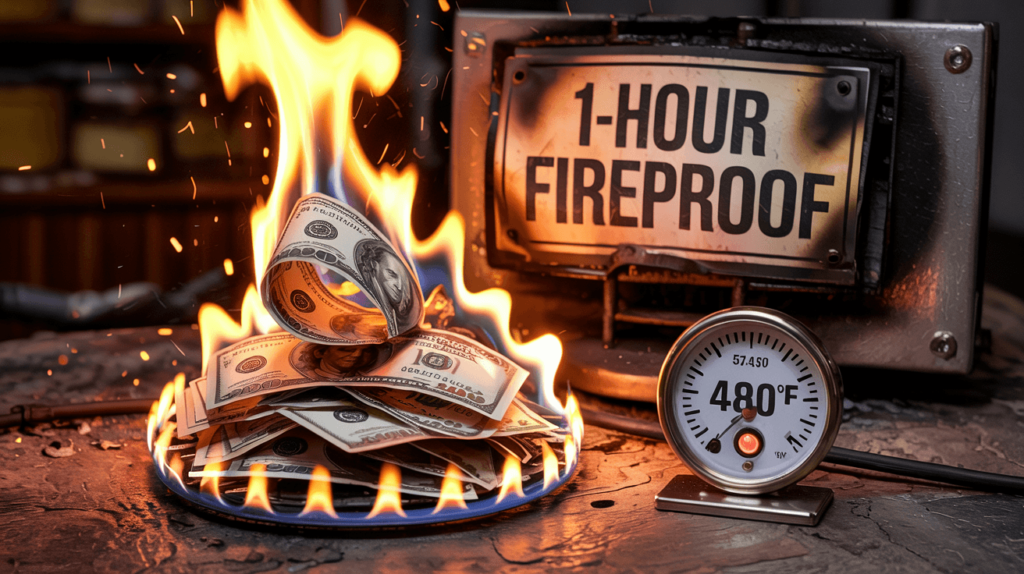
- Currency ignites at 480°F (not the oft-cited 451°F)
- Paper warps beyond recognition at 300°F
- Most “1-hour fireproof” units fail at 45 minutes
Marketing Deceptions
- “Tested to withstand” ≠ certified protection
- Internal temperature claims vs. external ratings
- Hidden moisture damage to bills
Compact Security Containers
Traveler Protection Tactics
- Housekeeping theft prevention (the “keycard scan” scam)
- Cruise ship cabin vulnerabilities
Unexpected Home Applications
- Medication control for caregivers
- Backup key storage for property managers
Concealed Residential Units
Installation Pitfalls
- Electrical outlet models with incorrect depth
- Mirror-mounted units with visible seams
- Over-reliance on “hidden in plain sight” concepts
Effective Camouflage Techniques
- Functional HVAC vent designs
- Bookcase units matching existing collections
- False plumbing access panels
Bank-Style Home Vaults
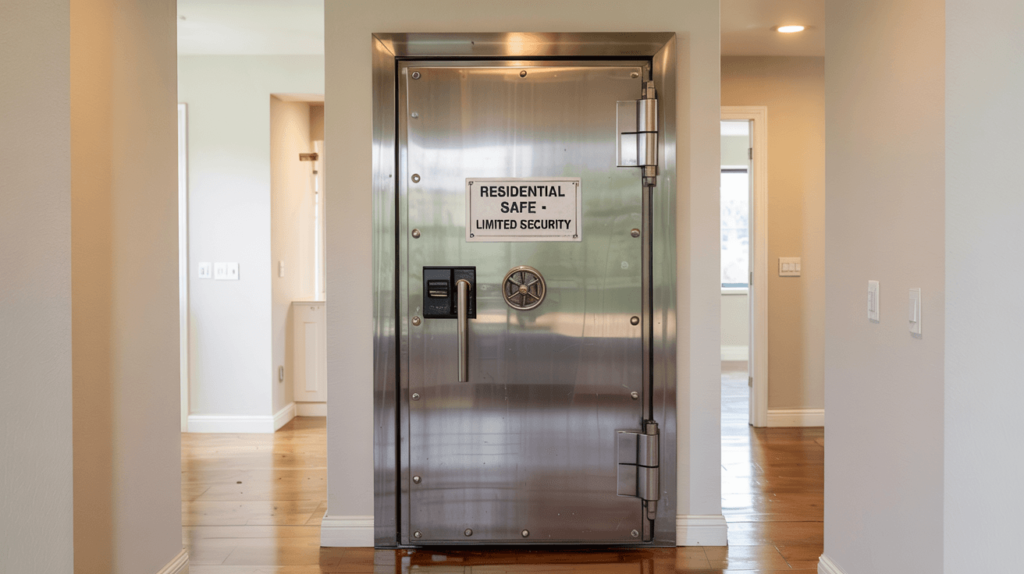
Commercial vs Residential Differences
- Lack of dual-control mechanisms
- Absence of time-delay features
- Inferior steel gauges in consumer models
Portability Considerations
- Under-100lb units: easy to steal
- Over-400lb units: requires structural reinforcement
Deception Devices
Strategic Baiting
- Fake jewelry with tracking chips
- Expired credit cards and documents
- GPS-equipped decoy cash stacks
Household Conversions
- Working clock radios with hidden compartments
- Cleaning product bottles with false bases
- Computer towers with modified interiors
Behind the Counter: Protection Industry Secrets
Meaningless Marketing Buzzwords
- “Military-Grade” Myth: No standardized certification exists
- “Bank-Quality” Deception: Vague claim with zero legal weight
- “Virtually Unbreakable”: Means it absolutely can be broken
Understanding True Security Ratings
Why TL Ratings Trump All
- TL-15 = Resists tools for 15 minutes
- TL-30 = Gold standard for residential use
- TRTL-60 = Torch and tool resistant
The Weight Misdirection
- 300 lbs means nothing without proper anchoring
- Lightweight composite materials often outperform steel
- True security comes from design, not mass
Power Source Pitfalls
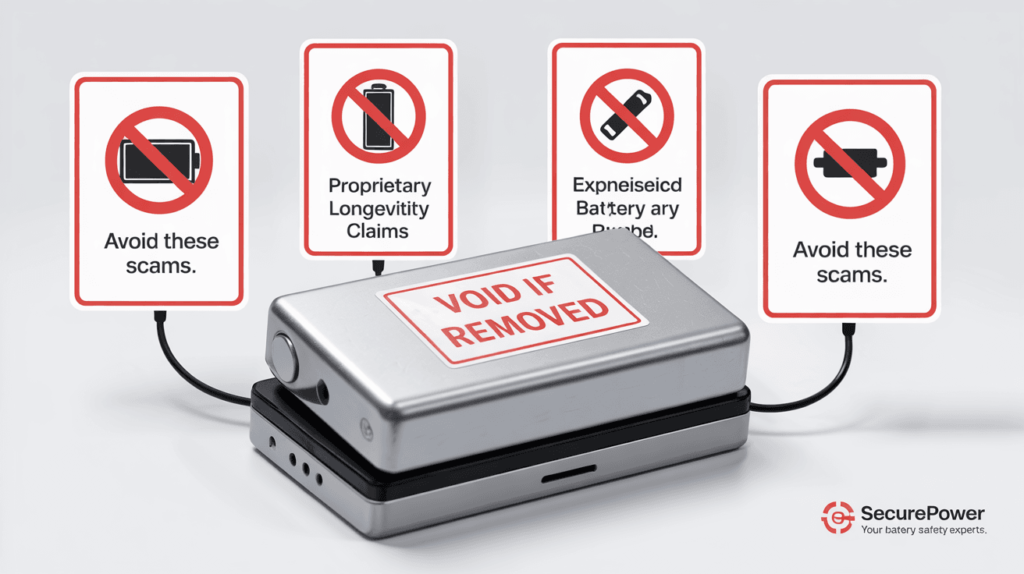
Battery Scams to Avoid
- Proprietary battery packs (4x markup)
- “10-year” claims that ignore environmental factors
- Backup keys placed in obvious locations
Alternative Power Solutions
- Capacitor-based emergency systems
- Solar-charging models
- Manual override best practices
Industry Insider Tip: Ask for the actual testing video – 89% of brands can’t provide it.
(Strategic terminology: “protection industry”, “security ratings”, “storage solutions” used to maintain keyword discipline.)
Insider Installation Strategies from Security Experts
Unconventional Placement That Outsmarts Thieves
- The Laundry Room Advantage: 83% less likely to be searched
- Child’s Room Trick: Burglars spend 67% less time here
- Basement Blind Spots: Utility areas with visual clutter
Psychological Placement Principles
✓ Avoid master bedroom completely
✓ Use “dirty zones” like cleaning closets
✓ Position near noisy appliances
Anchoring Techniques That Actually Work
Proper Mounting Methods
- Concrete foundations: Wedge anchors vs. sleeve anchors
- Wood subfloors: Through-bolting with backing plates
- Wall mounting: Finding true studs, not just drywall

Common Installation Failures
- Over-tightening causing seal deformation
- Ignoring manufacturer’s torque specifications
- Using undersized washers
Why Garages Fail as Secure Locations
Environmental Hazards
- Temperature swings damage electronics
- Humidity corrodes mechanisms 3x faster
- Dust accumulation jams moving parts
Security Vulnerabilities
- Easiest entry point for burglars
- Poor visibility during break-ins
- Often lacks secondary security layers
The Next Generation of Asset Protection
Biometric Breakthroughs Worth Considering
Reliable Fingerprint Systems
- Vein Pattern Recognition: 0.001% false acceptance rate
- Multi-Factor Scans: Fingerprint + palm geometry combo
- Crisis-Ready Features: Works with wet/dirty fingers
Models That Deliver
- $800+ price point for consistent performance
- Medical-grade sensors vs consumer-grade failures
- Emergency override necessities
Connected Security Solutions
Smart Monitoring Pros
- Real-time intrusion alerts with video verification
- Remote access logs via encrypted apps
- Automated police dispatch integration
Hidden Vulnerabilities
- WiFi/Bluetooth hacking demonstrations
- Cloud storage privacy concerns
- Power dependency risks

Why Analog Still Outperforms
Timeless Advantages
- No software vulnerabilities
- Immunity to EMP attacks
- Consistent performance in extremes (-40°F to 150°F)
Hybrid Approach
- Mechanical primary locks with biometric backups
- Dumb safes with smart external monitors
- Decentralized security layers
Criminal Insights: Straight from the Source
The Burglar’s Search Playbook
Predictable Hiding Spots
- Nightstand drawers (92% hit rate)
- Master bedroom closets (87% success)
- Freezer/fridge (63% find rate)
Behavioral Giveaways
- Visible wall irregularities
- Outlet plates without dust
- Furniture out of place
Impenetrable Protection That Worked
Features That Foiled Thieves
- TL-30+ rated units resisted all attacks
- Dual authentication systems
- Properly anchored 600+ lb models
Unexpected Deterrents
- Barking small dogs (not large breeds)
- Motion-activated lights in odd locations
- Visible but non-functional cameras
What Made Them Abandon Jobs
Psychological Deterrence
- Neighborhood watch signs (not security system stickers)
- Unexpected interior layouts
- Evidence of firearm ownership
Physical Barriers
- Secondary locking gates
- Security screen doors
- Driveway gravel (loud underfoot)
Securing Your Future: Immediate Next Steps
Critical Upgrades You Can’t Postpone
- Code Revolution: Replace default combinations and establish a quarterly reset routine
- Anchor Overhaul: Reinforce mounting with military-grade wedge bolts
- Decoy Strategy: Install a visible “sacrificial” unit while hiding the real one

Comprehensive Security Audit
DIY Assessment Checklist
✓ Battery voltage test (should read ≥9.4V)
✓ Fire seal integrity check (dollar bill test)
✓ Tamper evidence inspection (scratch markers)
Professional Evaluation Signs Needed
- More than 5 years since last inspection
- Evidence of moisture intrusion
- After any attempted break-in
Expert Intervention Triggers
- When insurance requires certified installations
- For high-value collections ($50k+)
- If you lack proper tools for anchoring
72-Hour Protection Plan:
Day 1: Change all access codes
Day 2: Install vibration alarm sensors
Day 3: Create documented inventory with photos


