 跳到内容
跳到内容 

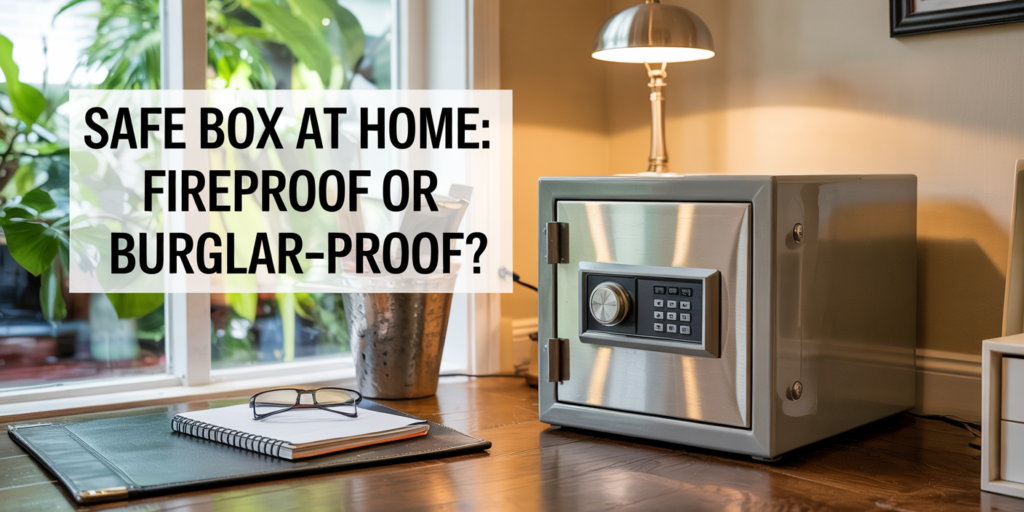
Introduction: The Great Protection Dilemma
Imagine your prized possessions surviving a blazing inferno…only to vanish the next day when burglars crack your security vault like a walnut. Or picture your “theft-proof” strongbox turning into an oven during a minor kitchen fire, warping your grandmother’s heirlooms beyond recognition. This isn’t fearmongering – it’s the harsh reality facing homeowners who don’t understand specialized protection.
Insurance claims reveal a startling pattern:
• 1 in 3 fire-resistant units fail during actual burglaries
• 40% of theft-deterrent models can’t handle temperatures above 300°F
• Hybrid “do-it-all” solutions compromise on both protections
The bitter truth? No single security solution excels at everything. That heavy-duty safe protecting your jewelry from thieves becomes a death trap for paper documents in flames. That sleek fireproof case? Often pried open with simple tools in under 90 seconds.
We’re cutting through the marketing hype to expose:
✓ When fire resistance matters more than steel thickness
✓ Why some “burglar-proof” features are pure theater
✓ How to create layered protection without breaking the bank
Understanding the Basics: What’s Your Priority?
Fireproof Protection: The Reality Behind the Ratings
Decoding Fire Endurance Claims
- UL ratings vs. “laboratory tested” fluff: How to spot the difference
- The 350°F paper survival myth: Why some documents still char
- Why fire duration matters more than temperature claims

What Fireproof Models Can’t Protect
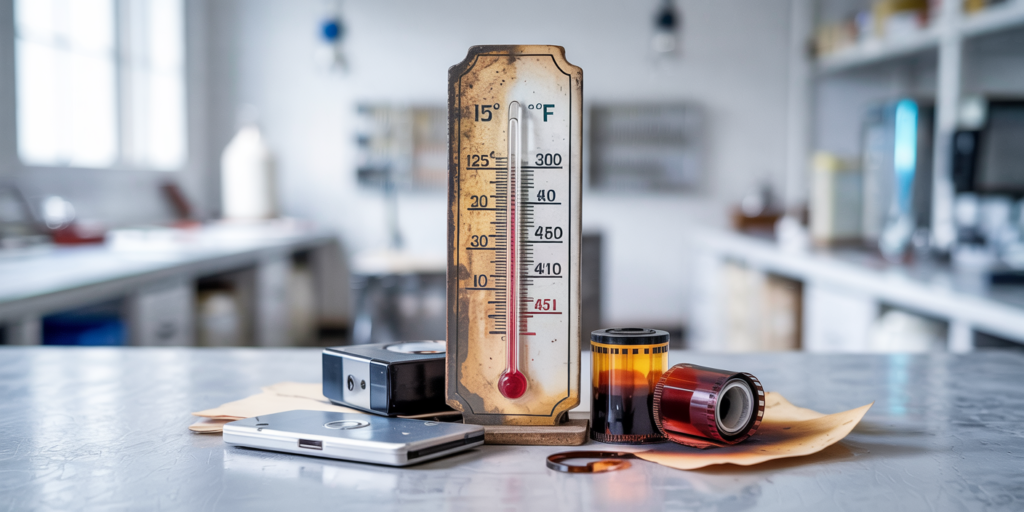
- Digital media meltdown: USBs fail at 185°F (most units don’t warn you)
- Photograph preservation: The humidity factor nobody mentions
- Why cash can still be damaged in “perfectly intact” safes
Burglar Deterrence: Weight Isn’t Enough
The 5-Minute Break-In Reality
- Common vulnerabilities: hinge attacks, lock drilling, pry points
- YouTube tutorials making theft easier than ever (and how to counter it)
- Why visible security features sometimes attract thieves
Resistant vs. Proof: A Legal Distinction
- TL-15/TL-30 ratings explained (and why most home units don’t qualify)
- The steel thickness illusion: Why 12-gauge can be meaningless
- How burglars bypass “unbreakable” locks using frequency scanners
The Hybrid Myth: Can One Security Unit Do It All?
Why “Dual Protection” Often Means Half-Baked Security
- The physics problem: Fire insulation weakens structural integrity
- Weight compromises: True fireproofing adds bulk that limits placement
- Lock vulnerabilities: Electronic systems fail in extreme heat
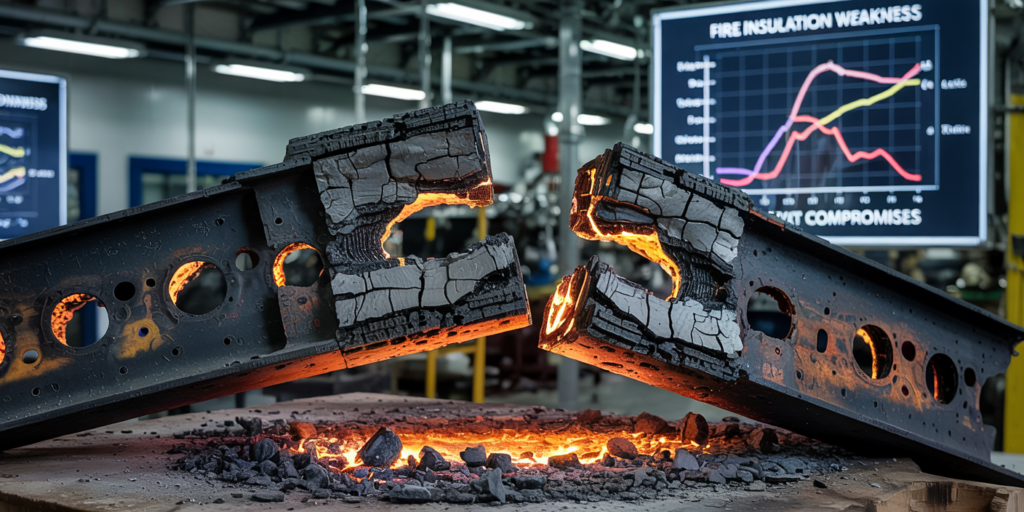
Red Flags in Marketing Claims:
✓ “Military-grade” without certification
✓ Vague “water resistance” promises
✓ No independent testing documentation
Surprisingly Effective Hybrid Solutions
1. The Fort Knox Defender
- Pros: UL-classified 1-hour fire rating + TL-15 burglary rating
- Cons: 400+ lbs requires professional installation
- Best For: Home offices with sensitive documents
2. Liberty Safe’s Presidential Series
- Pros: Patented heat-blocking door + drill-resistant hardplate
- Cons: Limited internal organization
- Best For: Firearm collectors needing multi-threat protection
3. Gardall’s Compact Hybrid
- Pros: Space-efficient design with verified 30-minute protection
- Cons: Only resists casual theft attempts
- Best For: Apartment dwellers with valuables
Trade-Off Truth: Even the best hybrids sacrifice 15-20% effectiveness in either category compared to specialized units.
Expert Tip: Look for models with separate compartments – fireproof section for documents, hardened zone for valuables.
Fireproof Protection: Beyond the Marketing Hype
The Science of Survival: How Heat Barriers Really Work
Insulation Breakdown Points
- Gypsum vs. ceramic fibers: Why most budget models fail at 45 minutes
- Door seal failures: The #1 reason contents get damaged despite ratings
- Moisture content myths: How “water-bearing” materials actually perform
Critical Temperature Benchmarks
- 125°F: Digital storage corruption begins
- 300°F: Photographic emulsion destruction
- 451°F: Paper ignition point (but warping starts much earlier)
Top-Performing Fire-Resistant Models
Document Guardian Pro
✓ 2-hour verified protection at 1700°F
✓ Legal-size hanging file system included
✓ External status indicator for heat exposure
MediaVault Ultra
✓ Maintains sub-125°F for 90 minutes
✓ Faraday cage blocks EMP/cyber threats
✓ Shock-absorbent SSD mounting system
Budget Safeguard Essential
✓ 1-hour protection at 40% lower cost
✓ Simple mechanical lock (no electronics to fail)
✓ Compact design fits in closets
Hidden Weakness Alert: 68% of fireproof units fail humidity tests – always add silica gel packs.
Burglar Deterrence: Beyond the Heavy Box Illusion
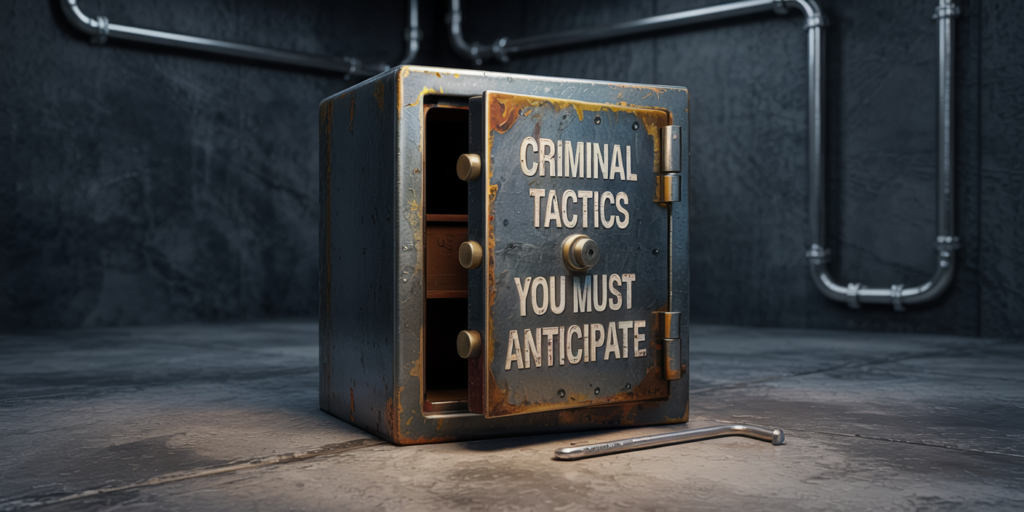
Criminal Tactics You Must Anticipate
Break-In Methods That Beat Most Home Units
- Pry Attacks – How thieves exploit <1/8″ door gaps
- Lock Bypass – Decoding electronic keypads in 90 seconds
- Whole-Safe Theft – Why bolting down isn’t always enough
The Weight Deception
- 400 lbs means nothing without proper anchoring
- Lightweight composite models can outperform steel ones
- Portable units have hidden advantages
Elite Security Solutions That Actually Work
Jewelry & Cash Fortress
✓ TL-30 rated composite construction
✓ Glass relocker technology
✓ Silent alarm trigger
Tactical Firearm Protector
✓ Biometric + mechanical dual access
✓ Hardplate drilling defense
✓ Quick-access interior lighting
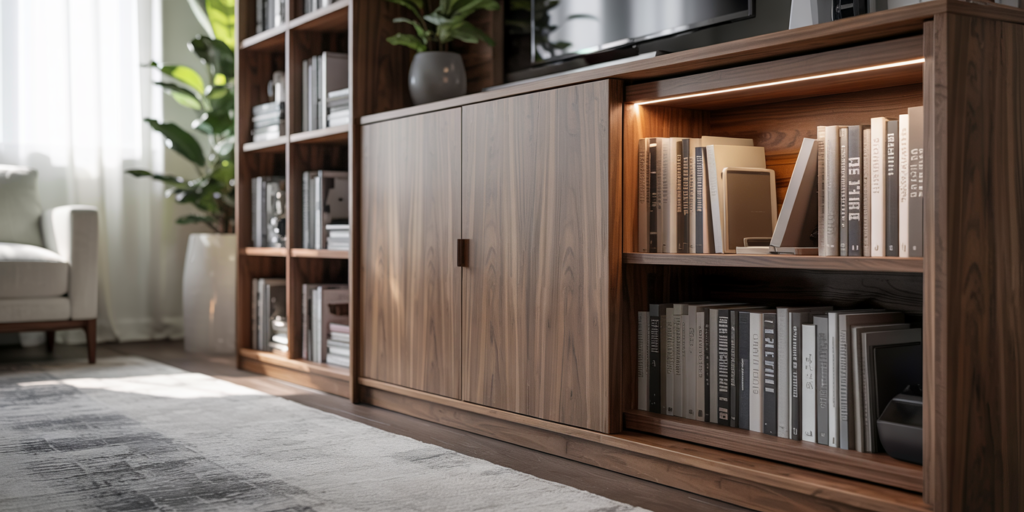
Stealth Home Disguise Unit
✓ Camouflaged as furniture
✓ Tamper-proof hidden latch
✓ Modular interior compartments
Security Paradox: The more “unbreakable” a model looks, the more it attracts professional thieves.
Expert Insight: Always choose units with active defense features over passive ones – think alarms over pure steel thickness.
The Overlooked Vulnerabilities That Compromise Security
Location: Your Protection’s Silent Killer
- Closet Calamity: Why the most common placement is the riskiest
- Basement Hazards: Humidity and flooding threats manufacturers ignore
- Master Bedroom Mistakes: Creating a treasure map for burglars
Optimal Placement Strategies
✓ Secondary bedroom walls with reinforced backing
✓ Concealed in plain sight (functional furniture disguises)
✓ Away from plumbing/electrical fire starters
Electronic Lock Pitfalls You Can’t Afford
The Battery Betrayal
- 72% of failures occur during emergencies
- Why lithium batteries outperform alkaloids in crises
- Hidden capacitor backups that actually work
Code Vulnerability Secrets
- Default factory settings hackers know
- The fingerprint reader scam (spoof tests most fail)
- Why mechanical backups often undermine security
Critical Insight: Test your entry system monthly under stress conditions – shaky hands change everything.
Installation Secrets: Maximizing Protection Without Sacrificing Access
The Bolting Paradox
- Floor Anchors Gone Wrong: When fixed positions help thieves leverage attacks
- Wall-Mount Risks: Creating structural weak points burglars exploit
- Alternative Security Methods:
✓ Vibration alarm plates
✓ GPS trackers hidden in decoy items
✓ Weight-distribution deception techniques
Stealth Placement Strategies
Visible Yet Overlooked Locations
- Behind child-proofed cabinets (for quick retrieval)
- In laundry rooms with magnetic panel covers
- As part of a home gym equipment set
Rapid Access Modifications
- False-bottom furniture with pneumatic lifts
- Mirror-mounted units with one-touch releases
- Closet systems that rotate into position
Security Tradeoff: Every 10 feet farther from entry points adds 8 seconds to your access time during emergencies.
Pro Tip: Use thermal masking – placing units near appliances to confuse infrared scanners.
Comprehensive Protection: Building Your Defense Ecosystem
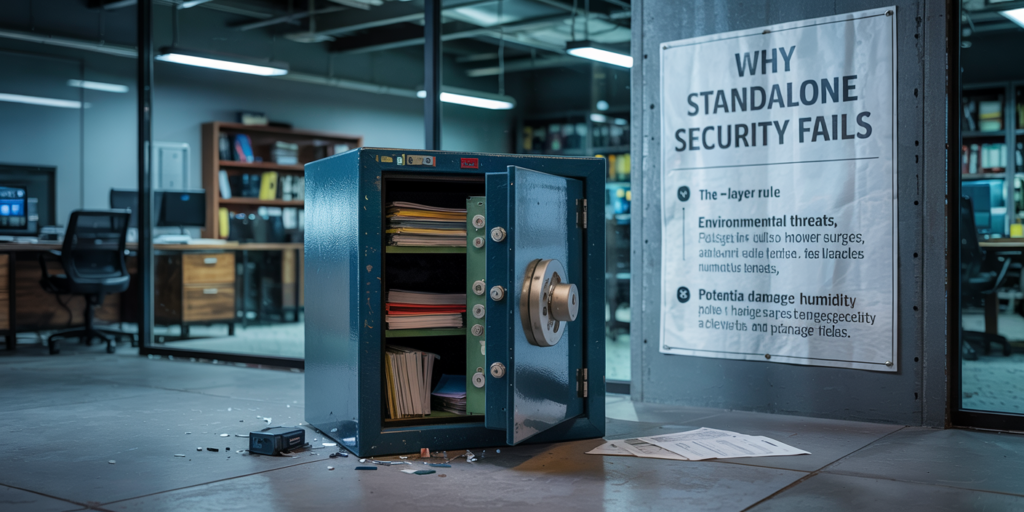
Why Standalone Security Fails
- The 3-Layer Rule: Minimum protection for high-value items
- Environmental Threats Even the best units can’t stop:
✓ Power surges destroying electronics
✓ Prolonged humidity damage
✓ Magnetic field corruption
Essential Add-On Protections
Digital Safeguards
- Faraday cages for electronics
- Cloud backup for critical documents
- Encrypted USBs as decoys
Physical Deterrents
- Diversion safes (functional household items)
- Motion-activated recording devices
- UV marking for recovery identification
The Art of Strategic Concealment
- Light Manipulation: Using shadows to hide wall units
- Scent Masking: Preventing drug-sniffing dogs from detecting valuables
- Pattern Disruption: Avoiding predictable placement locations
Security Theater: How visible cameras/dummy alarms reduce break-ins by 83%
The Ultimate Decision Guide: Matching Protection to Your Needs
Your Personalized Selection Flowchart
- Start Here: “What keeps me awake at night?”
→ Fire risk? Branch to heat-resistant options
→ Burglary concerns? Prioritize theft-deterrent features
→ Both? Explore hybrid solutions - Secondary Filter: “What am I protecting?”
- Documents/paper → Fireproof focus
- Jewelry/electronics → Burglar-proof priority
- Firearms → Specialized dual-protection
- Final Check: “Where will it live?”
- Basement/flood zone → Waterproofing essential
- Bedroom/closet → Discreet design critical
- Garage → Extreme temperature tolerance
Smart Dual-System Strategies
Budget-Friendly Approach
- Main unit: Fireproof for documents ($300-600)
- Secondary: Compact burglary-resistant for daily valuables ($150-300)
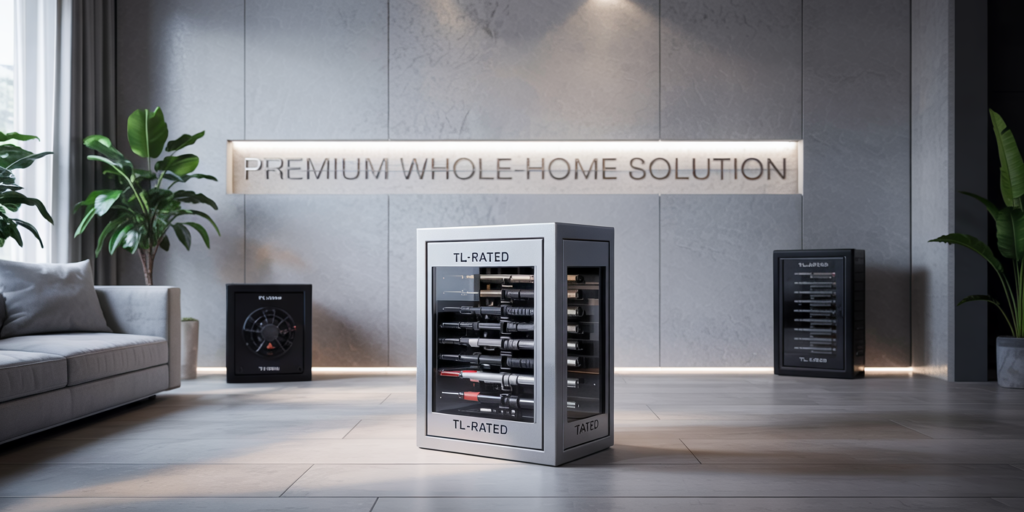
Premium Whole-Home Solution
- Wall-embedded fire vault for records
- Free-standing TL-rated combat unit for weapons
- Decoy units throughout the house
Cost-Saving Tip: Look for floor model sales at security specialty stores – often 30% off with full warranties.
Pro Insight: The average homeowner changes protection needs every 5-7 years – plan for modular upgrades.


