 跳到内容
跳到内容 

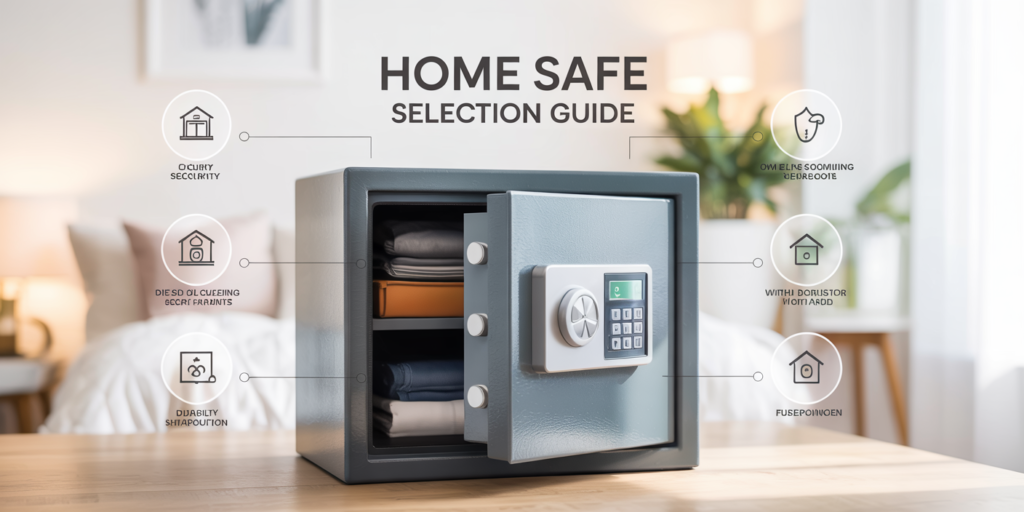
Demystifying Residential Security Containers
At its core, these protective units serve as your home’s armored guardians—engineered compartments designed to outsmart both human and elemental threats. Modern versions combine space efficiency with military-grade protection, typically ranging from 0.5 to 30 cubic feet. Their evolution from simple lockboxes to intelligent defense systems reflects our growing need for sophisticated asset protection.
Three Fundamental Classifications:
- Thermal-Resistant Models
- Utilize ceramic microspheres and intumescent seals
- Maintain internal temps below 350°F for 1-2 hours
- Ideal for: Paper documents, photographs, USB drives
- Theft-Deterrent Variants
- Feature 12-gauge steel walls and anti-drill plates
- Include relocking triggers for forced entry attempts
- Ideal for: Jewelry, cash, firearms
- Hybrid Solutions
- Combine UL-rated fire protection with TL-15 burglary ratings
- Incorporate biometric access with moisture-wicking interiors
- Ideal for: Estate documents, rare collectibles, backup drives
Critical Components Breakdown:
- Locking Mechanisms: From manual dials to Bluetooth-enabled systems
- Wall Construction: Layered composites vs solid steel
- Seal Technology: Expanding fire gaskets vs hydraulic water barriers
Strategic Selection: Matching Protection to Your Priorities
Choosing residential security solutions requires careful consideration of three pivotal elements—fail to address even one, and you’re compromising your entire defense strategy.
1. Content-Specific Protection Requirements
- Paper Assets: Seek UL Class 350-rated units with humidity control
- Digital Media: Requires Class 125 protection with anti-static lining
- Precious Metals: Demands pry-resistant construction with plush interiors
- Firearms: Mandates quick-access mechanisms with child safety features
2. Capacity Calculations Made Simple
Use this quick-reference guide:
| Belongings | Minimum Capacity |
|---|---|
| Passports + Documents | 0.3 cu ft |
| Laptop + Hard Drives | 1.2 cu ft |
| 10 Handguns + Ammo | 3.5 cu ft |
| Family Heirlooms | 5+ cu ft |
3. Placement Psychology
- High-Traffic Areas: Disguised as furniture pieces
- Low-Visibility Zones: Basement corners with seismic anchoring
- Emergency Access Points: Bedroom closets with quick-release mechanisms
Decoding Protection Standards: Thermal Resilience vs. Forced Entry Defense
Residential security solutions specialize in distinct threat scenarios—understanding these differences prevents costly miscalculations in your protection strategy.
Thermal Protection Benchmarks
- UL Class 350: Guarantees interior stays below 350°F (paper survival threshold) for specified durations
- ETL Verified: Independent testing equivalent to UL standards
- JIS S1037: Japanese standard with stricter humidity controls
Real-World Translation: A “1-hour” rating means 60 minutes at 1700°F exterior temps
Forced Entry Resistance Metrics
- TL-15: Withstands 15 minutes of professional tool attacks
- TL-30: Provides 30 minutes against drills, grinders, and leverage tools
- B-Rate: Basic resistance against casual break-in attempts
Critical Comparison
| Feature | Fire-Resistant Models | Burglar-Resistant Units |
|---|---|---|
| Wall Composition | Ceramic composites | Solid steel (10-12 gauge) |
| Weak Point | Lock mechanisms | Door seams/hinges |
| Weight | Lighter (50-150 lbs) | Heavy (300+ lbs) |
| Ideal Use | Document preservation | Jewelry/firearm storage |
Professional Insight
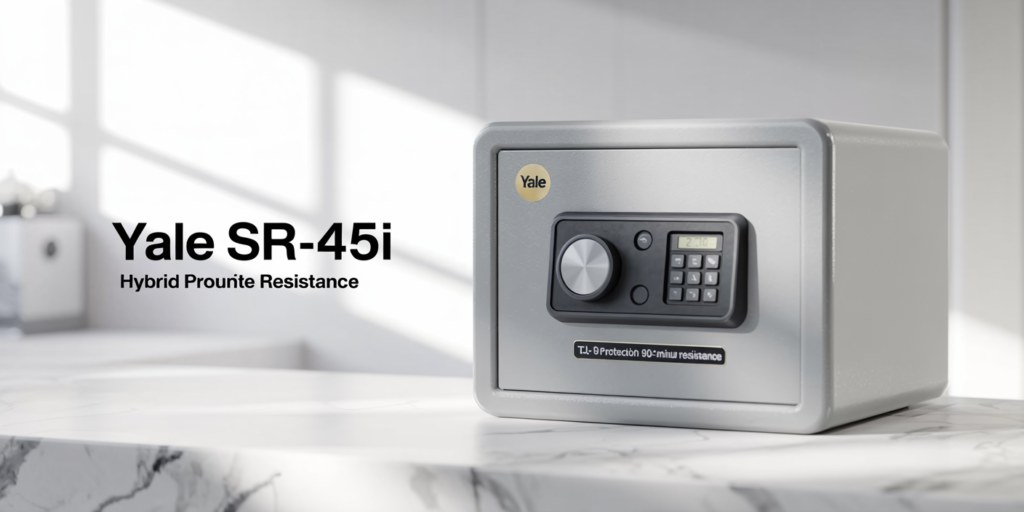
Hybrid units exist but command premium prices—the Yale SR-45i merges TL-30 protection with 90-minute fire resistance through patented composite layering.
Access Control: Breaking Down Your Security Options
The locking system on your protective enclosure is its first line of defense—and often its weakest point. Modern technology offers three distinct approaches, each with unique advantages and vulnerabilities.
1. Mechanical Key Locks
- Pros: No power requirements, simple operation
- Cons: Key duplication risks, pickable cylinders
- Best For: Secondary locking systems or budget storage
2. Digital Keypad Systems
- Pros: Customizable codes, audit trail capabilities
- Cons: Battery failures (always keep spares)
- Smart Feature: Some models offer temporary guest codes
3. Biometric Access
- Pros: Instant fingerprint recognition, no memorization needed
- Cons: Higher cost, potential false rejections
- Cutting-Edge: Newer models feature live-finger detection
Emerging Technologies
- Bluetooth-enabled systems with smartphone integration
- Voice recognition prototypes in development
- Dual-authentication models (biometric + PIN)
Professional Recommendation
For optimal security, consider dual-lock systems—combine biometric entry with a mechanical override for emergency situations. Always test the lock mechanism’s responsiveness before purchase.
Strategic Placement: The Art of Concealment & Accessibility
Where you position your security vault dramatically impacts its effectiveness—poor placement can negate even the most advanced protection features.
High-Risk Zones to Avoid
- Garages: Temperature fluctuations degrade seals
- Master Bedrooms: Burglars’ first target (38% of thefts occur here)
- Near Windows: Glass breakage exposes to direct flames/theft
Anchoring Analysis
Permanent Mounting Pros
- Theft prevention (can’t remove 400+ lb units)
- Maintains position during earthquakes/floods
Non-Fixed Advantages
- Flexibility to relocate as needs change
- No structural modifications required
Expert Tip
For freestanding models, use seismic putty and position behind heavy furniture. The ideal spot balances discretion with reasonable access—you shouldn’t need to move furniture to reach emergency documents.
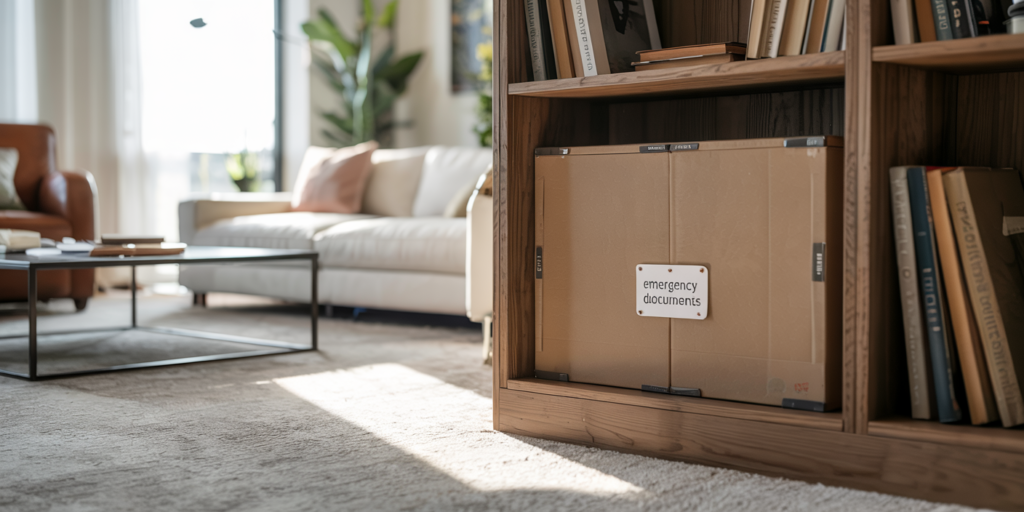
Optimizing Your Secure Storage: What Belongs (and Doesn’t) Inside
Your protective enclosure’s effectiveness depends as much on its contents as its construction. Strategic organization maximizes both security and accessibility.
Priority Items for Protection
- Legal Essentials: Wills, property deeds, insurance policies
- Identity Documents: Passports, birth certificates, social security cards
- Emergency Resources: 500−500−2000 in small bills, spare car keys
- Sentimental Artifacts: Family photos, heirloom jewelry (in acid-free packaging)
Potentially Hazardous Contents
- Aerosol cans (explosion risk under heat)
- Lithium batteries (fire hazard)
- Loose ammunition (requires separate locked container)
- Medications requiring refrigeration
Digital Asset Protocol
- Use SSD drives (more heat-resistant than HDD)
- Store in anti-static bags with silica gel packs
- Keep encrypted backups of passwords/keys

Storage Pro-Tip
Implement a color-coded folder system:
- Red: Immediate emergency documents
- Blue: Long-term legal records
- Green: Financial instruments
Non-Negotiable Security Features for Discerning Buyers
When evaluating protective storage solutions, these five elements separate premium products from basic boxes. Overlooking any could prove catastrophic when disaster strikes.
- Hydroshield Defense Systems
- Submersion protection (up to 72 hours in 3+ feet of water)
- Expanding door gaskets that activate during fires
- Corrosion-resistant exterior coatings
- Smart Interior Configurations
- Adjustable shelving with velvet lining for delicate items
- Dedicated media compartments with anti-vibration padding
- Hidden pockets for ultra-sensitive documents
- Stealth Access Technology
- Soft-close hinges that eliminate metallic sounds
- Silent electronic keypads with muted feedback tones
- Vibration-dampening opening mechanisms
- Intrusion Intelligence Networks
- Smartphone alerts for multiple failed access attempts
- Internal motion sensors (available in high-end models)
- Tamper-evident seals that show forced entry
- Comprehensive Protection Guarantees
- Minimum 5-year warranty on locks and seals
- 24/7 customer support with local service centers
- Free first-year maintenance inspections
Investment vs. Protection: Finding Your Security Sweet Spot
Navigating the price spectrum requires matching your actual risks with appropriate defenses—overspending wastes resources, but underspending risks everything. Here’s how to allocate your protection budget wisely.
Entry-Level Solutions (50−50−99)
- Protection Level: Basic theft deterrence, 30-minute fire resistance
- Typical Construction: 16-gauge steel, simple key or combo locks
- Best For: Apartment dwellers storing spare keys and copies of documents
- Limitations: Often lack proper certifications, vulnerable to prying
Mid-Tier Performers (100−100−299)
- Key Upgrades:
- UL-rated fire protection (1-hour minimum)
- Water-resistant seals
- Electronic locking systems
- Smart Choice: First-time homeowners with moderate valuables
Professional-Grade Security ($300+)
- Uncompromising Features:
- TL-15 or higher burglary ratings
- Dual fire/water protection
- Biometric or dual-authentication access
- Essential For:
- Firearm owners (meets DOJ requirements)
- Business critical documents
- High-value collectibles
Price/Performance Benchmark
Consider cost per protected dollar—a 500unitsafeguarding500unitsafeguarding50,000 in assets offers better value than a 100boxprotecting100boxprotecting10,000.
Truth vs. Fiction: Debunking Dangerous Misconceptions
The security industry is rife with oversimplifications that leave homeowners vulnerable. Let’s dismantle these myths with hard facts and expert insights.
Myth 1: “Price Doesn’t Equal Protection”
- Reality: UL testing alone adds $200+ to manufacturing costs
- Proof Point: Cheap imports often fail fire tests within 15 minutes
- Expert Verdict: The $80 “bargain” likely offers false security
Myth 2: “Single-Threat Solutions Suffice”
- Critical Insight: Fire-resistant insulation reduces burglary resistance
- Case Study: SentrySafe SFW123DSB combines both protections
- Professional Advice: Hybrid models cost 40% more but cover all bases
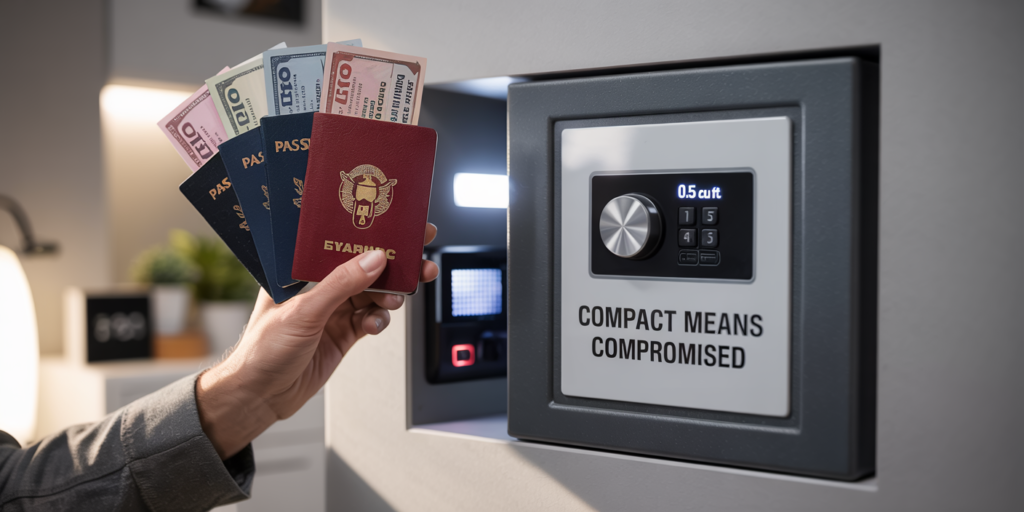
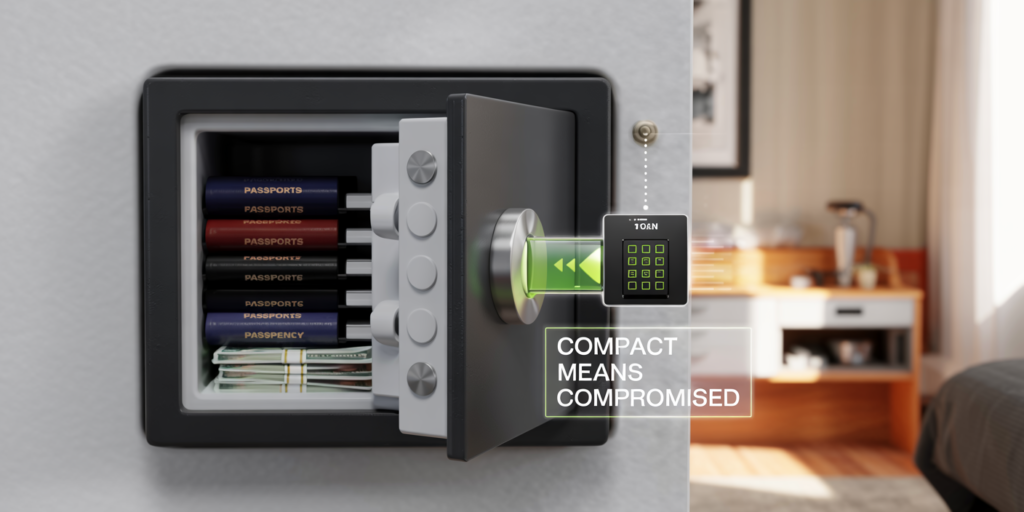
Myth 3: “Compact Means Compromised”
- Surprising Facts:
- 0.5 cu ft units can hold 8 passports + emergency cash
- New micro-safes fit between wall studs undetected
- Smart Use: Ideal for secondary/decoy placement
Bonus Myth-Buster
“Digital locks always fail in emergencies” – Modern units feature:
- Mechanical override keys
- 10-year battery life indicators
- Solar charging options
Preserving Your Investment: The Care Protocol for Maximum Protection
Like any precision security equipment, protective enclosures require systematic maintenance to ensure peak performance. Implement this professional-grade care routine.
Quarterly Inspection Checklist
✓ Barrier Integrity Tests
- Dollar bill test on door seals (should resist removal when locked)
- Thermal strip inspection for color changes (indicates heat damage)
✓ Mechanical Assessments
- Lubricate lock bolts with Teflon-based products (never oil)
- Battery corrosion checks in electronic models
✓ Environmental Monitoring
- Humidity indicator card analysis (keep below 60% RH)
- Desiccant pack replacement schedule
Cleaning & Preservation
- Exterior: Microfiber cloth with isopropyl alcohol (avoid abrasives)
- Interior: Vacuum with soft brush attachment
- Critical Avoidance:
- Harsh chemicals that degrade gaskets
- Compressed air that forces debris into mechanisms
End-of-Life Indicators
- Warped door frames exceeding 3mm gap
- Rust penetration through multiple layers
- Failed UL recertification testing
Beyond the Steel Box: Evaluating Alternative Protection Strategies
When conventional security containers don’t fit your needs, these options present compelling trade-offs between convenience and protection.
Portable Fire-Resistant Cases
- Best For: Evacuation scenarios, temporary document storage
- Limitations:
- Typically withstand only 1550°F for 30 minutes
- Zero theft deterrence (can be carried away)
- Average lifespan of 3-5 years
Financial Institution Storage
| Advantage | Drawback |
|---|---|
| Bank-level security | No insurance coverage |
| Climate-controlled | Limited access hours |
| Disaster-resistant | Increasingly scarce |
Covert Home Solutions
- Innovative Examples:
- False HVAC vent compartments
- Decoy household product safes
- Floorboard vaults with biometric access
- Critical Warning:
- Most lack proper fire ratings
- Often violate building codes
Professional Verdict
While alternatives serve niche purposes, they shouldn’t replace primary protective storage for critical items. Consider them supplemental to a robust security system.
Navigating the Purchase Landscape: Smart Buying Strategies
Securing quality protection requires knowing where to shop—and how to spot inferior products masquerading as premium solutions.
Specialty Retailer Advantages
- Hands-on product demonstrations
- Professional installation services
- Ability to inspect fire/burglary ratings firsthand
Top Chains: Safe & Vault Store, Liberty Safe dealers
E-Commerce Considerations
| Platform | Perks | Precautions |
|---|---|---|
| Amazon | Price tracking, reviews | Verify seller credentials |
| Wayfair | White-glove delivery | Check return policies |
| Manufacturer Sites | Custom builds | Longer lead times |
Critical Purchase Red Flags
🚩 Vague/missing certification details
🚩 Stock photos instead of actual product images
🚩 No physical address for the company
🚩 “Lifetime warranty” with fine-print exclusions
Pro Shopping Tip
Time your purchase for Q4—many manufacturers offer year-end clearance on demonstration models with full warranties.


