 跳到内容
跳到内容 

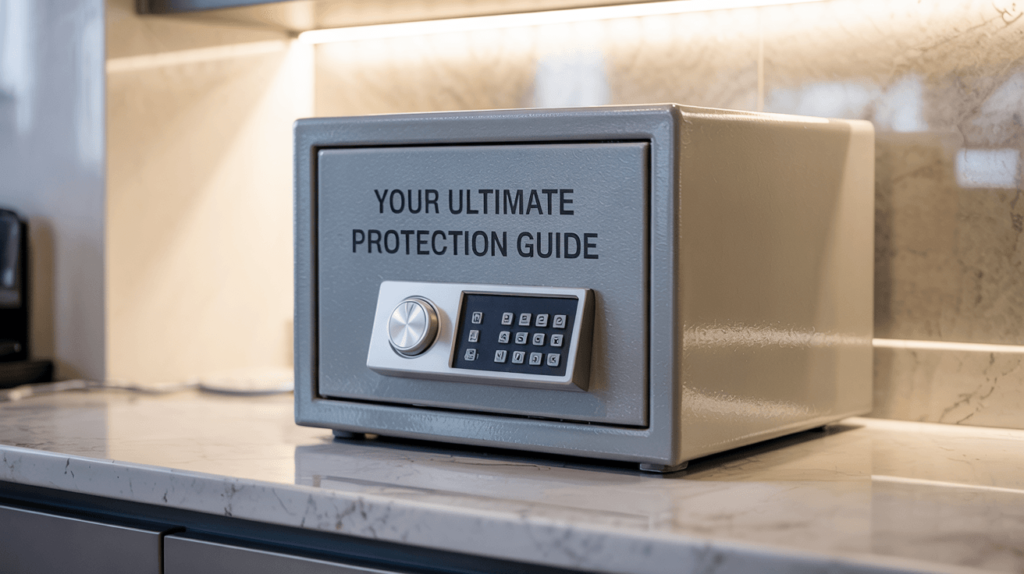
When Disaster Strikes, Will Your Treasures Be Reduced to Smoke?
A single spark can erase generations of memories in moments. Legal papers, family photos, hard drives—gone before the smoke alarm finishes its first shrill warning. Most people assume fires happen to others… until they don’t. The brutal truth? Paper burns at 451°F, but many home safes fail at half that temperature.
These fortified vaults use aerospace-grade insulation to create a thermal barrier, giving you precious hours when every second counts. Unlike ordinary lockboxes that warp under heat, these guardians maintain an internal climate cooler than a spring morning—even as flames rage outside. Your grandmother’s wedding ring? Your child’s adoption papers? They’ll emerge untouched while everything else turns to cinders.
The terrifying reality? 40% of fire victims lose critical documents permanently because they relied on kitchen drawers or flimsy filing cabinets. Don’t let your life’s most important items depend on luck. The question isn’t whether you can afford protection—it’s whether you can afford the crushing cost of doing nothing.
The Science of Survival: How These Vaults Defy Infernos
At their core, these protective units are marvels of material science. Unlike standard metal containers that conduct heat like a frying pan, fire-rated models employ intumescent technology—a smart material that swells when heated, creating an insulating barrier. The magic happens through endothermic chemical reactions that absorb heat energy, keeping interior temperatures below 350°F even as external heat exceeds 1,700°F.
Three critical elements make this possible:
- Ceramic Microspheres: Tiny heat-absorbing bubbles suspended in wall insulation
- Hydrated Mineral Layers: Release moisture vapor to cool the interior
- Triple-Sealed Edges: Expand under heat to block smoke penetration
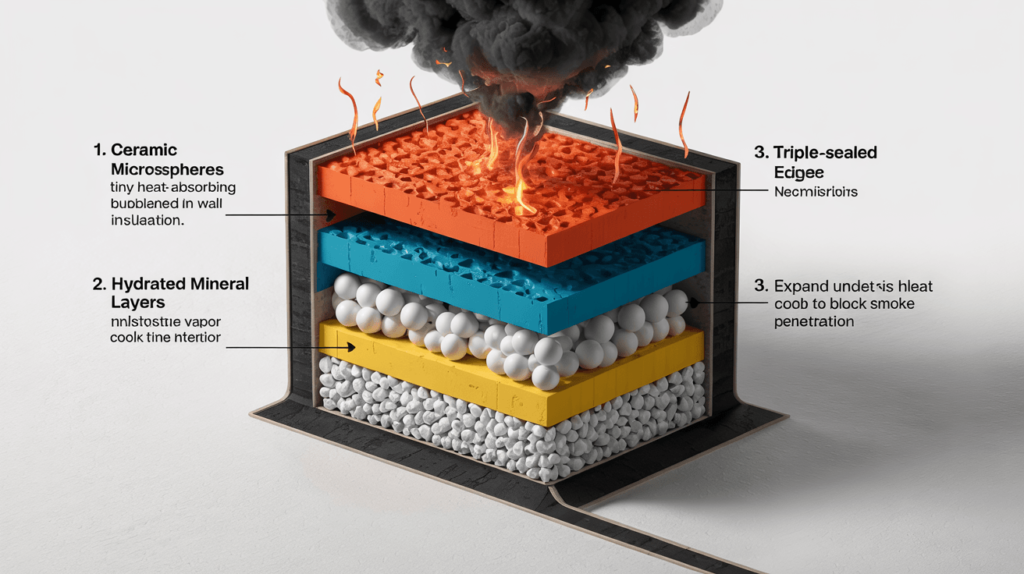
Most models combine these with aerogel-infused door panels, the same material NASA uses for spacecraft insulation. This multi-layered defense creates what engineers call a “thermal lag” effect—delaying heat transfer long enough for rescue crews to arrive.
The true test? Certification labels like UL Class 350 prove the unit can protect paper documents for 1+ hours in direct flames. For digital media, look for models maintaining sub-125°F interiors—the critical threshold where hard drives survive.
Pro Tip: The thickness of insulation matters more than steel gauge. A 1-inch composite barrier outperforms 10-gauge metal alone every time.
The Critical Difference Between Resistance and Invincibility
Let’s settle this once and for all: “fireproof” is a marketing myth. Even the most advanced protective containers have limits—they’re designed to withstand specific conditions for defined periods, not survive apocalyptic infernos indefinitely. The accurate term is fire-resistant, indicating engineered protection against flames for measurable durations.
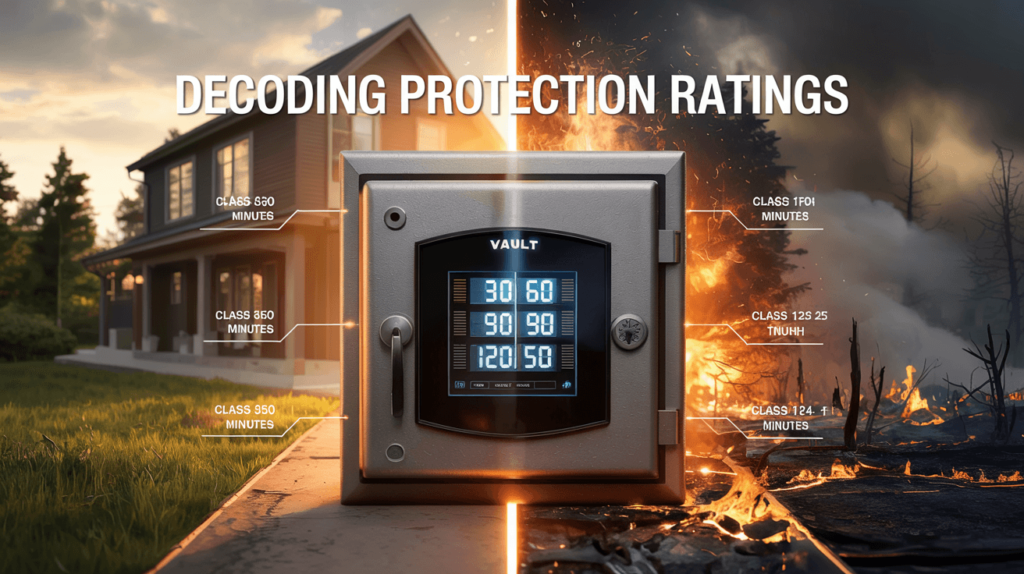
Decoding Protection Ratings
- Time Ratings (30/60/90/120 minutes):
- Indicates how long interior stays below critical thresholds
- 30-minute units suffice for most home fires (avg. fire department response time)
- 2-hour models recommended for wildfire zones
- Temperature Classes:
- Class 350 (paper protection): Maintains <350°F interior
- Class 125 (digital media): Keeps interior <125°F
- Class 150 (magnetic media): For film/microfiche
- Real-World Performance Factors:
- Peak heat exposure (standard tests use 1,700°F)
- Thermal shock resistance (rapid temperature changes)
- Humidity control during cooling phase
Why “Absolute Protection” Doesn’t Exist
Even military-grade units eventually fail because:
- Prolonged heat degrades all materials
- Water from fire hoses can breach compromised seals
- Structural collapse may crush the unit
Your Life’s Most Vital Treasures: What Belongs Inside
These protective vaults serve as modern-day arks for preserving what matters most. But not all items benefit equally from this level of security. Here’s what deserves prime real estate inside your thermal-protected stronghold:
1. The Irreplaceable Paper Trail
- Legal cornerstones: Property deeds, wills, and marriage certificates
- Identity documents: Passports, birth certificates, and social security cards
- Financial instruments: Stock certificates, bonds, and insurance policies
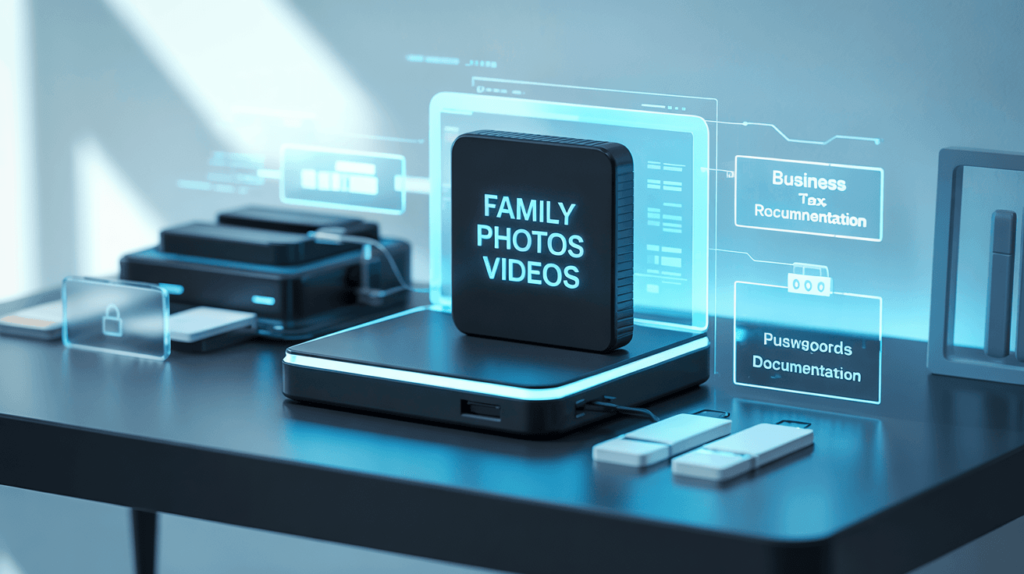
2. Digital Memory Vaults
- External drives containing family photos/videos (pro tip: use SSD for better heat resistance)
- Encrypted USB sticks with password managers and digital wallets
- Backup drives for business records and tax documentation
3. Tangible Assets Requiring Special Care
- Heirloom jewelry and rare collectibles (wrap in acid-free paper first)
- Emergency cash reserves (small denominations recommended)
- Prescription medications sensitive to temperature fluctuations
What Doesn’t Belong Inside
- Flammable liquids or aerosol cans (defeats the purpose)
- Perishable items or food products
- Items exceeding the unit’s specified humidity tolerance
5 Non-Negotiable Features for Maximum Protection
When selecting your fortress against flames, these critical elements separate true protectors from glorified metal boxes. Never compromise on these essentials:
1. Thermal Endurance Specifications
- Look for units specifying exact temperature ceilings (350°F for paper, 125°F for media)
- Beware vague claims like “withstands extreme heat” without testing data
- Pro tip: Models with dual-zone insulation perform best
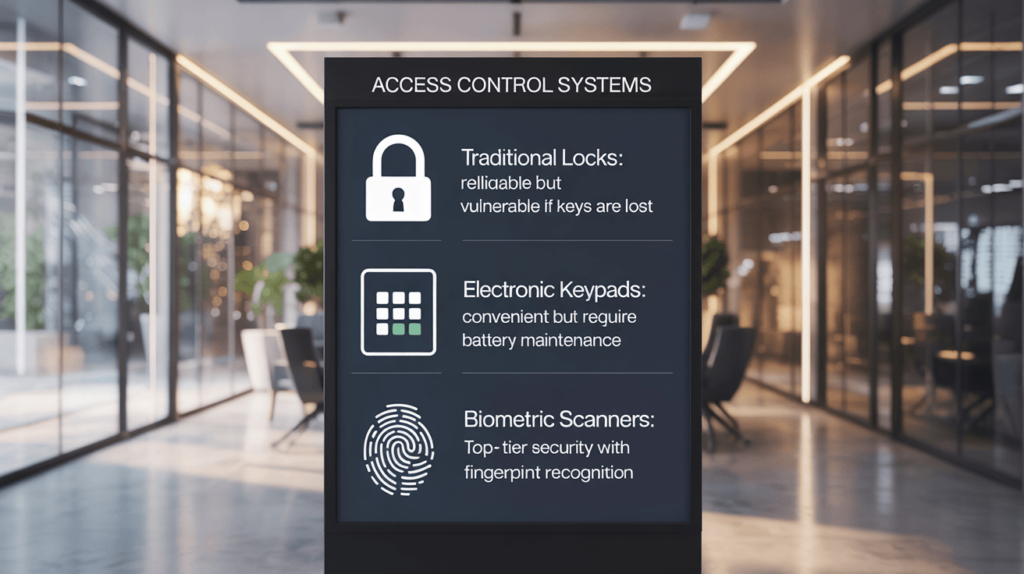
2. Access Control Systems
- Traditional locks: Reliable but vulnerable if keys are lost
- Electronic keypads: Convenient but require battery maintenance
- Biometric scanners: Top-tier security with fingerprint recognition
3. Hydroshield Capability
- Must withstand 48+ hours of water immersion (look for IPX8 ratings)
- Door gaskets should expand when heated to block water intrusion
- Tested protection against fire hose runoff (minimum 30 PSI)
4. Space Optimization
- Measure twice: Interior dimensions vs. your essential items
- Weight considerations:
- <50 lbs for portable models
- 300+ lbs for permanent installations (requires professional anchoring)
- Shelving configurations for organized storage
5. Verification Badges That Matter
- UL Class 350: Gold standard for paper protection
- ETL Verified: Intertek’s equivalent certification
- JIS S1037: Japanese industrial standard for rigorous testing
The Race Against Time: How Long Protection Really Lasts
These protective vaults don’t offer infinite defense – their endurance follows strict scientific parameters. Here’s what those numbers actually mean when flames strike:
Decoding Survival Timelines
- 30-minute rated: Designed for average residential fires (FD response time)
- 1-hour protection: Handles severe electrical/kitchen blazes
- 2-hour+ models: For wildfire zones or commercial buildings
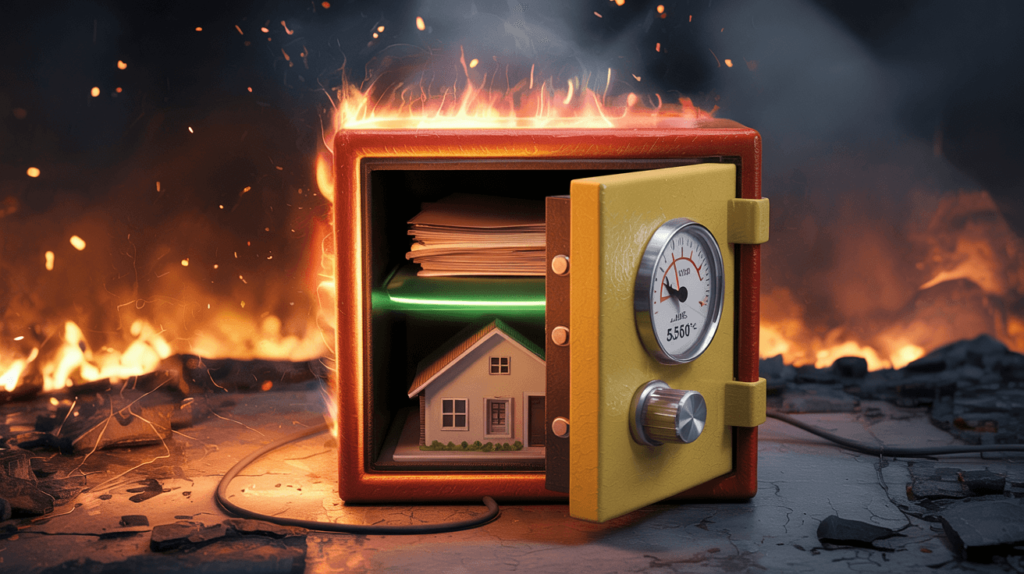
What Happens Minute-by-Minute
- First 30 Minutes:
- Exterior reaches 1,550°F (typical structure fire temp)
- Interior stays below 350°F (paper survival threshold)
- 60-90 Minute Mark:
- Composite materials begin charring
- Internal humidity rises as moisture evaporates
- 2+ Hour Extreme:
- Only military-grade units remain effective
- External steel may warp while core insulation holds
Real-World Survival Factors
- Fire Type: Grease fires burn hotter than electrical
- Location: Ground units fare better than wall-mounted
- Content Protection:
- Paper survives at <350°F
- Digital media fails above 125°F
- Magnetic tapes degrade at 150°F
Strategic Placement: Location Matters as Much as the Box Itself
Where you position your protective vault could mean the difference between salvaged treasures and total loss. Follow these battle-tested guidelines for optimal placement:
Danger Zones to Avoid
- Near windows: Glass breaks first in fires, exposing contents to direct flames
- Adjacent to appliances: Refrigerators/ovens create intense localized heat
- Upper floors: Heat rises, making ground floors significantly safer
- Garages: Temperature fluctuations and humidity damage contents
Ideal Installation Spots
- Basement Corners:
- Naturally cooler during fires
- Concrete floors absorb less heat
- First-Floor Closets:
- Central structural support provides stability
- Easy access yet discreet
- Under Staircases:
- Protected by multiple fire-rated barriers
- Often survives structural collapse
The Anchoring Debate
Pros of Bolting Down:
- Theft prevention (can’t walk away with 300+ lbs)
- Maintains position during seismic activity
Cons of Permanent Installation:
- Limits emergency relocation options
- May violate rental agreements
Smart Compromise:
Use a “semi-permanent” solution with earthquake putty for lighter models, while heavy-duty units benefit from professional anchoring to load-bearing walls.
Pro Tip:
Create a 12-inch clearance zone around the unit – this buffer prevents surrounding materials from conducting heat during a blaze.
Truth vs. Hype: Separating Fire Protection Facts From Fiction
Let’s torch some dangerous misconceptions about these protective containers once and for all:
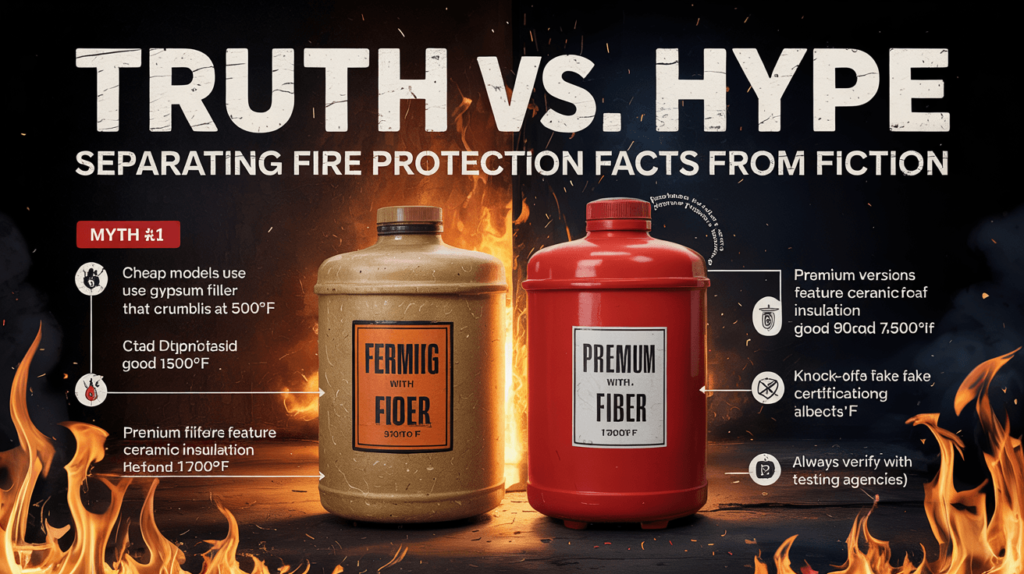
Myth #1: “They’re All Basically the Same”
Reality: The $99 big-box special versus a properly certified unit differs like a popsicle stick versus a bank vault. Key differences:
- Cheap models use gypsum filler that crumbles at 500°F
- Premium versions feature ceramic fiber insulation good beyond 1700°F
- Knock-offs often fake certification labels (always verify with testing agencies)
Myth #2: “Fire Protection = Burglar Proofing”
The brutal truth: Most fire-rated models can be cracked open with basic tools in under 90 seconds. Why?
- Thermal insulation materials don’t stop drill bits
- Lightweight construction sacrifices security for heat resistance
- Compromise solution: Look for dual-rated units (UL Fire + TL-15/TL-30 for theft)
Other Pervasive Myths Debunked:
- “Bigger is always better” → Oversized units often have weaker seals
- “Garages make good locations” → Temperature swings degrade seals over time
- “They last forever” → Insulation degrades after 15-20 years
Tailored Protection: Matching Safes to Your Specific Needs
Not all protective solutions are created equal. Here’s how to select the perfect vault for your unique requirements:
For Family Homes:
- Recommended: 1.2-1.6 cubic foot capacity
- Must-haves:
- UL Class 350 rating (minimum 1-hour protection)
- Waterproof seals
- Simple electronic keypad
- Top use cases:
- Birth certificates & passports
- Emergency cash stash
- USB drives with family photos
Business-Grade Solutions:
- Critical features:
- 2-hour+ fire endurance
- Dual-lock compliance (for audit trails)
- Media protection for hard drives
- Special considerations:
- Bolt-down mandatory
- Humidity-controlled interiors
- Fireproof drawer options for active files

Budget-Conscious Picks That Deliver:
- Look for:
- ETL certification (more affordable than UL)
- 30-minute protection (adequate for apartments)
- Steel thickness ≥14 gauge
- Smart compromises:
- Mechanical locks instead of electronic
- Fixed shelves vs adjustable
- Local dealer specials vs big brands
Pro Installation Tip:
Measure doorways before purchasing – many “great deals” become expensive regrets when they won’t fit through your office or home entry points.
Preserving Your Protection: Essential Maintenance for Maximum Security
Like any critical safety equipment, these protective units require proper care to maintain their life-saving capabilities. Follow this professional maintenance protocol:

Quarterly Inspection Checklist
✓ Seal Integrity Test
- Run a dollar bill around door gaskets – should resist pulling when locked
- Check for cracked or flattened weather stripping
✓ Thermal Material Check
- Tap insulation panels – hollow sounds indicate degradation
- Inspect for moisture stains (sign of compromised barriers)
✓ Lock Mechanism Review
- Test electronic keypads with low batteries
- Lubricate mechanical locks with graphite powder (never oil)
Annual Deep Maintenance
- Interior Refresh
- Vacuum out dust with soft brush attachment
- Wipe shelves with microfiber cloth (avoid chemicals)
- Exterior Care
- Clean with mild soap and water (no abrasive cleaners)
- Polish stainless steel models with specialized protectant
- Performance Verification
- Replace desiccant packs if present
- Test bolt work smoothness
Critical Warning Signs
- Rust forming around hinges
- Difficulty closing/locking
- Visible cracks in composite materials
Post-Fire Protocol: Salvaging Your Protected Valuables
When flames have subsided but danger remains, follow this emergency action plan to recover your possessions safely:
Immediate Response (First 24 Hours)
- Safety First
- Wait for official clearance from fire marshals
- Wear protective gear (gloves, mask) when handling
- Thermal Shock Prevention
- Never spray water on a hot container
- Allow 12-24 hours for gradual cooling
- Documentation Process
- Photograph the unit’s condition before moving
- Note any visible structural compromise
Damage Assessment Checklist
✓ Exterior Examination
- Check for warped door frames
- Look for melted sealant around edges
✓ Interior Inspection
- Use a flashlight to check for:
- Smoke penetration (dark streaks)
- Moisture accumulation
- Warped shelving
✓ Content Evaluation
- Remove items slowly to prevent crumbling
- Place documents in acid-free sleeves immediately
When to Retire Your Unit
- Visible cracks in insulation layers
- Failed dollar bill test on door seals
- Persistent smoky odor after cleaning
Exploring Other Options: When Traditional Protection Isn’t Practical
Before investing in a full-sized vault, consider these alternatives—but understand their limitations:
Fireproof Bags & Pouches
The Good:
- Ultra-portable for evacuation situations
- Affordable entry-level protection (50−50−150 range)
- Some waterproof models available
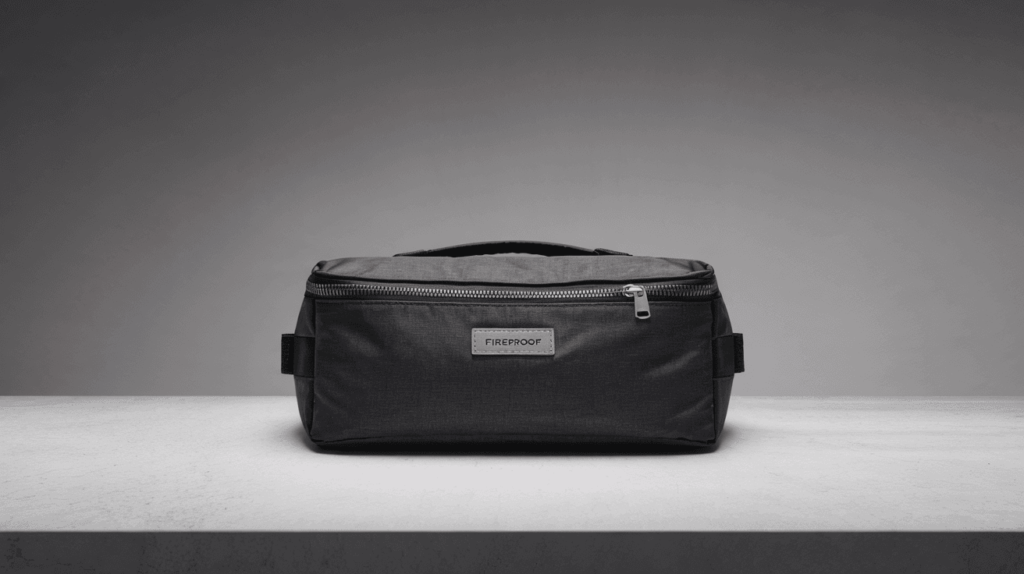
The Reality:
- Typically only withstand 15-30 minutes of direct flames
- No theft deterrent value
- Must be manually grabbed during emergencies
Bank Safety Deposit Boxes
Advantages:
- Maximum security against theft
- Climate-controlled environments
- Ideal for rarely-accessed items
Drawbacks:
- Zero accessibility during nights/weekends/holidays
- Typically exclude insurance coverage
- Increasingly difficult to find (many banks eliminating them)
Hybrid Solutions Worth Considering
- Fireproof Filing Cabinets
- Larger capacity for businesses
- Easier document organization
- Data Preservation Services
- Cloud backups for digital assets
- Offsite document storage facilities
- Distributed Protection Strategy
- Keep copies in multiple locations
- Combine fire bags with a small secure container
The Verdict:
While alternatives have situational uses, nothing matches the 24/7 accessibility and comprehensive protection of a properly rated security container for your most critical items.
Your Burning Questions Answered
Let’s tackle the most common concerns about these protective units with straight facts:
1. “Can these withstand a wildfire’s extreme heat?”
The harsh truth: Most residential-grade units fail in wildfire conditions (which exceed 2,000°F). Only industrial-grade containers with 2+ hour ratings stand a chance. Key factors:
- Ember resistance (the real wildfire danger)
- Proximity to combustible materials
- Whether firefighters can defend the structure
2. “Will electronics survive inside?”
It depends:
- USB drives: Typically survive if rated for Class 125 protection
- Hard drives: Fail above 125°F (require specialized media safes)
- Phones: Batteries may leak at high temperatures
Pro tip: Wrap devices in fire-resistant pouches for extra security
3. “When should I replace my unit?”
Red flags indicating retirement:
- Visible rust compromising structural integrity
- Failed seal tests (dollar bill slips out easily)
- After any direct fire exposure (even if contents survived)
- Every 15-20 years as insulation degrades
Bonus Answer:
“No, you can’t test it with your oven” – household appliances don’t replicate the sustained, intense heat of structural fires. Always rely on proper certifications instead of DIY tests.
The Ultimate Decision: Who Really Needs This Protection?
Let’s cut through the noise and identify who benefits most from this level of security:
Essential For:
✔ Homeowners with irreplaceable documents (titles, wills, heirlooms)
✔ Business owners storing sensitive client data or financial records
✔ Collectors safeguarding valuable items (coins, stamps, rare memorabilia)
✔ Disaster-prone areas (wildfire/earthquake zones)
Possibly Unnecessary For:
✖ Renters with minimal valuables (consider portable fire bags instead)
✖ Those who already use insured bank deposit boxes
✖ Anyone storing only easily replaceable items
The Intangible Benefit
Beyond physical protection, these units offer:
- 24/7 access to critical documents
- Elimination of “what if” anxiety
- Faster disaster recovery when every minute counts
Final Wisdom:
If losing your documents would devastate your family or business, this isn’t an expense—it’s one of the smartest investments you’ll ever make. The real question isn’t “Can I afford it?” but “Can I afford NOT to have this protection?”


