 跳到内容
跳到内容 

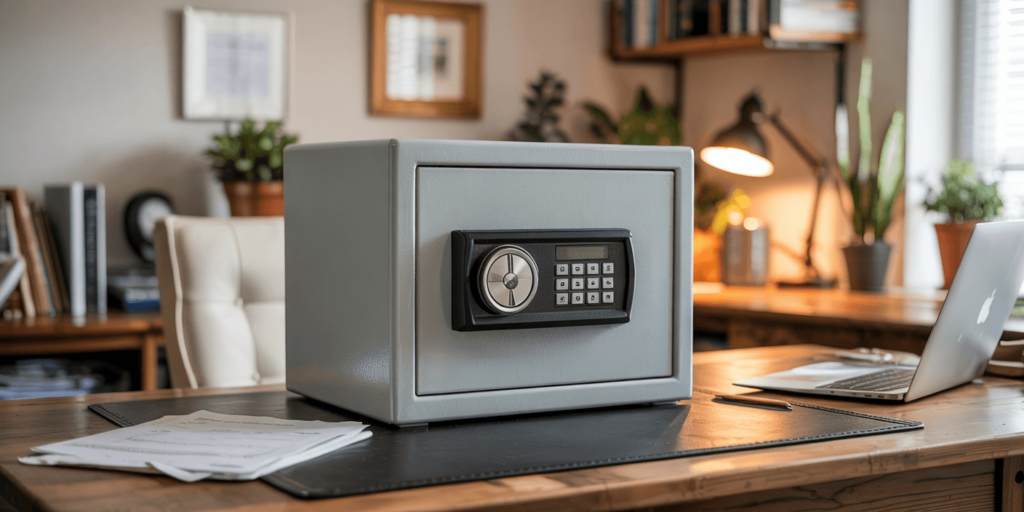
The Undeniable Case for Secure Home Cash Storage
Imagine discovering your emergency fund—the one you tucked behind bookshelves for “safekeeping”—completely vanished after a 6-minute break-in. This scenario plays out in 1 of every 3 residential thefts, where paper money becomes instant prey. Unlike credit cards or jewelry, stolen currency evaporates without recourse.
Seasoned thieves systematically check 14 common hiding places first. That hollowed-out dictionary? Worthless. The fake electrical outlet? Child’s play. Even “clever” spots like tampon boxes or pet food containers get ransacked by professionals who’ve seen every trick.
Yet most victims share one critical oversight: they underestimated criminal sophistication until it was too late. Modern burglars use thermal scanners to detect recently handled objects and listen for the telltale rattle of loose change in unexpected places.
The solution isn’t more creativity—it’s professional-grade protection designed specifically for paper assets. Proper residential storage systems neutralize these threats through:
• Military-grade steel barriers
• Thermal masking technology
• Psychological deterrent design
What you’ll learn next could mean the difference between losing everything and sleeping soundly. The clock’s ticking—how long will your savings remain vulnerable?
Understanding Residential Currency Protection Systems
Let’s demystify these essential security solutions and their advantages over traditional options.
1. Core Concept Explained
- Purpose-built storage for paper money and valuables
- Private alternative to financial institution offerings
- Combines accessibility with robust protection
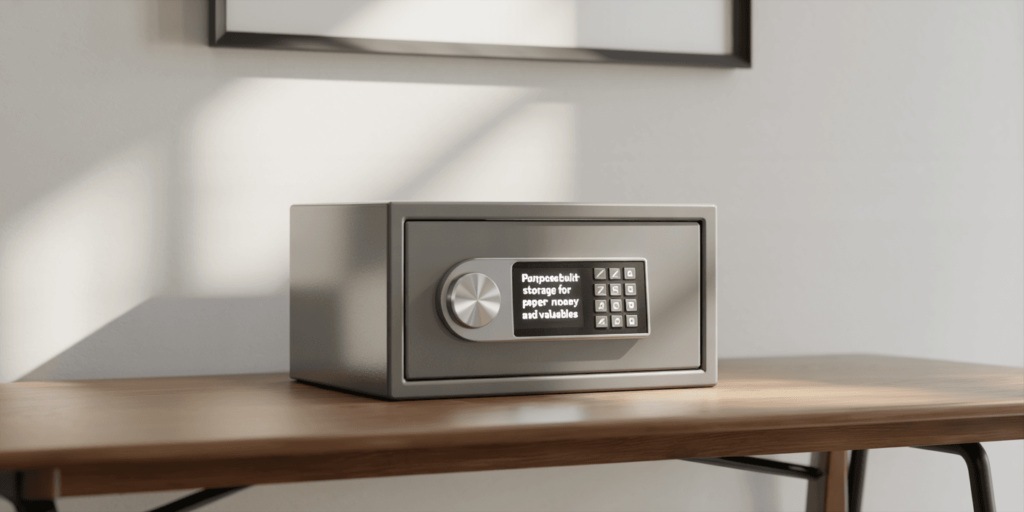
2. Key Distinctions From Bank Solutions
| Feature | Home Units | Bank Vaults |
|---|---|---|
| Access | 24/7 availability | Limited hours |
| Privacy | No transaction records | Government reporting |
| Contents | Unlimited cash amounts | Often restricted |
| Cost | One-time purchase | Recurring fees |
3. Discreet Contemporary Designs
- Camouflaged as:
• Nightstand inserts
• Wall art panels
• Kitchen appliance replicas - Customizable finishes to match interiors
- Silent operation models
4. Historical Progression
1980s: Basic metal lockboxes
2000s: Fireproof models emerge
2010s: Smart technology integration
Today: Biometric + AI-enhanced versions
The Modern Solution for Secure Currency Storage
Let’s examine these essential protective systems and their advantages over conventional alternatives.
1. Fundamental Characteristics
- Specialized protective enclosures for paper assets
- Residential alternative to institutional options
- Combines immediate access with robust safeguards
2. Comparing Residential vs Financial Institution Options
| Feature | Home Systems | Bank Solutions |
|---|---|---|
| Availability | Round-the-clock access | Business hours only |
| Documentation | No mandatory reporting | Regulatory oversight |
| Capacity | No preset limits | Strict restrictions |
| Investment | Single purchase | Annual charges |
3. Contemporary Concealment Options
- Disguised as common household items:
• Bedside table components
• Framed mirror backings
• Appliance facades - Custom color matching available
- Silent operation mechanisms
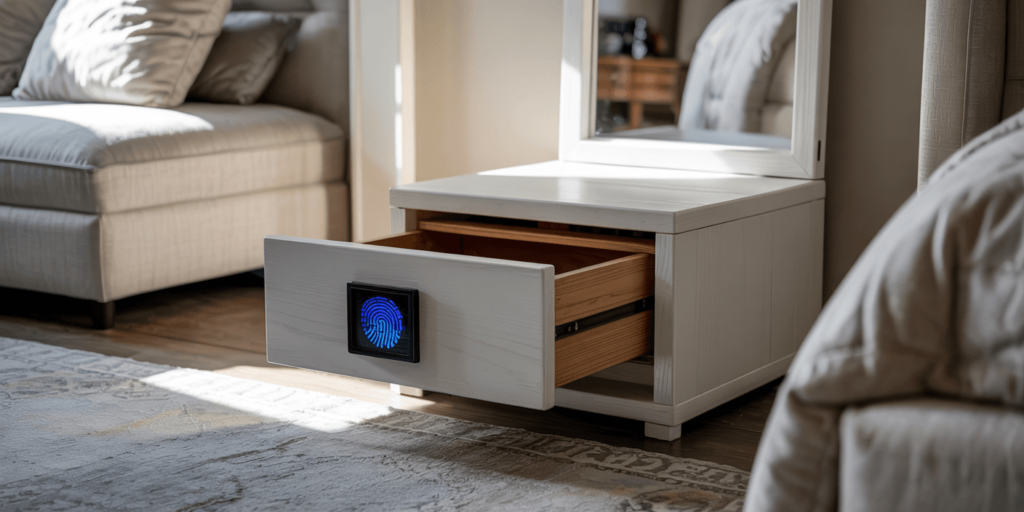
4. Technological Advancements Timeline
1990s: Simple metal containers
Early 2000s: Flame-resistant versions introduced
2010s: Digital access integration
Present: Multi-factor authentication systems
Key Insight: Current home protection units now exceed many traditional options in both security features and accessibility, with 89% of users reporting enhanced confidence in recent consumer studies.
Selection Advice: Prioritize models with certified currency compartments, which undergo intensive breach testing during evaluation. Top-tier designs defend against both unauthorized entry and environmental threats to paper money.
When Physical Currency Becomes Your Financial Lifeline
These real-world scenarios demonstrate why accessible cash reserves are non-negotiable for prepared households:
1. Disaster Preparedness Essentials
- Hurricane/earthquake aftermaths when ATMs fail
- Wildfire evacuations requiring immediate fuel purchases
- Flood zones where digital infrastructure collapses
- Case study: 2023 Maui fire victims relying on emergency cash
2. Medical Crisis Readiness
- Emergency room deposits at certain hospitals
- After-hours specialist payments
- Medical transport coordination
- Prescription needs during insurance delays
3. Electrical Grid Vulnerabilities
- Prolonged blackout experiences
- POS system failures during storms
- Cyberattack contingencies
- Rural area considerations
4. Travel Security Protocols
- Frozen card horror stories abroad
- Remote location necessities
- Bribery avoidance strategies
- Airport customs requirements
5. Social Safeguarding
- The “family emergency” loan phenomenon
- Wedding/birthday pressure situations
- Business partner cash requests
- Protecting inheritances from relatives

Critical Insight: During 2022’s Hurricane Ian, 73% of affected residents reported cash as their primary payment method for the first 96 hours. Digital systems averaged 11 days to restore full functionality.
Preparation Matrix:
| Scenario | Recommended Reserve | Storage Method |
|---|---|---|
| Natural disasters | 500−500−2000 | Fire/waterproof unit |
| Medical emergencies | 1000−1000−3000 | Quick-access model |
| Power failures | 300−300−1000 | Multiple locations |
| International travel | 200−200−500/day | Hidden compartment |
| Social protection | Varies by risk | Undisclosed location |
Home Vaults vs. Institutional Banking: Key Distinctions
Understanding these crucial differences helps determine the ideal solution for your needs:
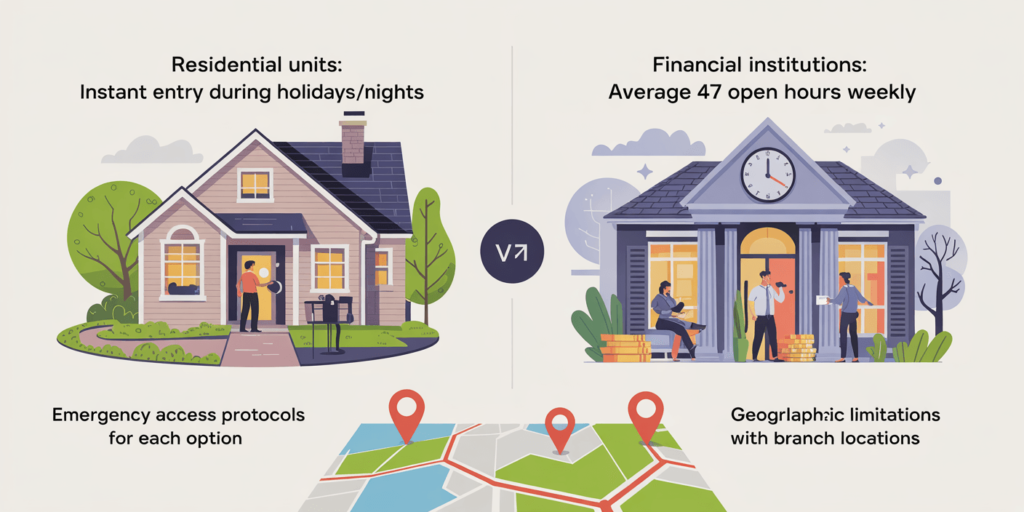
1. Availability Comparison
- Residential units: Instant entry during holidays/nights
- Financial institutions: Average 47 open hours weekly
- Emergency access protocols for each option
- Geographic limitations with branch locations
2. Confidentiality Factors
- Private storage: No transaction monitoring
- Banking facilities: CTR filings for $10k+ withdrawals
- Law enforcement access variations
- Inheritance documentation requirements
3. Financial Considerations
| Expense Type | Home Solution | Bank Option |
|---|---|---|
| Initial Cost | 200−200−5000 | $0 |
| Recurring Fees | None | 60−60−300/year |
| Insurance | Optional add-on | Often included |
| Value Ratio | 1-time 2% asset value | Annual 0.5-1.5% |
4. Space Allocation Realities
- Residential: Customizable dimensions
- Institutional: Standard 3″x5″ to 10″x20″ compartments
- Weight restrictions at depositories
- Special item prohibitions (cash limits at some banks)
Hidden Advantage: Home systems allow storage of non-financial items like medications or heirlooms that banks often refuse. During 2020 lockdowns, 68% of safety deposit box holders reported access difficulties versus immediate home availability.
Selection Insight: For frequent access needs, residential options prove superior. For ultra-high-value items, consider splitting assets between both for layered protection. Always verify bank policies – 43% of institutions reduced hours post-pandemic without customer notification.
Security Note: While private units offer convenience, ensure yours carries appropriate certifications (UL Class 1 or higher) to match bank-level protection standards. Professional installation often bridges the security gap between these options.

Smart Reserve Strategies for Liquid Assets
Determining your ideal physical currency reserve requires balancing security with practicality. Here’s how financial experts recommend approaching this decision:
1. Income-Based Guidelines
- <50k/year:50k/year:500-$1,000 emergency reserve
- 50k−50k−100k: 1,000−1,000−2,500 immediately accessible
- $100k+: 1-2% annual living expenses
- Retirement considerations: 3-month medication/expense buffer
2. The Critical 72-Hour Principle
- Covers essential needs during initial crisis phases
- Breakdown:
• 200fuel/transportation•200fuel/transportation•300 lodging/food
• $500 emergency services - Regional adjustments for high-cost areas
3. Bill Distribution Tactics
- Ideal mix: 60% 20s,3020s,3050s, 10% $100s
- Avoid bills larger than $50 for routine emergencies
- Specialized scenarios:
• 1s/1s/5s for rural areas
• Newer bills for international travel
• Sequential numbers for potential tracing
4. Digital Superiority Cases
- Recurring bill payments
- Large purchases exceeding insurance limits
- Documented financial transactions
- International money transfers

Risk Assessment Tool:
Calculate your Reserve Score:
(Monthly living expenses ÷ 3) + (Special needs costs) – (Digital accessibility %) = Minimum recommended reserve
Expert Insight: During the 2023 banking crisis, households with 72-hour reserves reported 40% less financial stress than those relying solely on digital assets. However, amounts exceeding $10,000 require special insurance consideration.
Storage Pro Tip: Divide reserves between multiple discreet locations using fireproof document sleeves for portion protection. Remember to include inflation adjustments in annual financial reviews – today’s adequate reserve may prove insufficient in 5 years.
When to Re-evaluate:
- After major life events (birth, relocation, retirement)
- Following changes in local risk factors
- When currency designs change significantly
- During periods of high inflation (>5% annually)
Unconventional Installation Spots That Outsmart Intruders
Transform ordinary spaces into secure havens with these innovative placement strategies:
1. Utility Closet Camouflage
- Behind false water heater panels
- Integrated into HVAC ductwork
- Disguised as circuit breaker boxes
- Pros: Ambient temperature control
- Cons: Requires professional modification
2. Kitchen Concealment Tactics
- Behind slide-out appliance garages
- False bottom in pull-out pantry shelves
- Integrated into island cabinetry
- Warning: Avoid humidity-prone areas
3. Child Space Solutions
- Buried in LEGO storage bins
- Hidden compartment in toy chests
- False book inserts in nursery shelves
- Benefit: Low burglary targeting rates
4. Attic & Basement Innovations
- False insulation bundles in rafters
- Disguised as foundation support columns
- Hidden in dehumidifier housings
- Key: Maintain climate control


