 跳到内容
跳到内容 


Introduction: Why Biometric Safe Boxes Are Revolutionizing Home Security
Picture this: no more fumbling for keys, no more forgotten combinations, and no more worrying about unauthorized access. Biometric safe boxes are here to transform the way we protect our most cherished possessions. In a world where security threats are evolving, these innovative devices offer a seamless blend of cutting-edge technology and peace of mind.
The demand for advanced protection has never been greater. Whether it’s safeguarding family heirlooms, sensitive documents, or valuable collections, traditional methods often fall short. Enter biometric technology—once a futuristic concept, now a practical reality for homeowners everywhere. By using unique identifiers like fingerprints or facial recognition, these safes provide a level of security that’s both robust and effortless.
But what makes them stand out in a crowded market? How do they work, and why are they becoming the go-to choice for modern households? This isn’t just about upgrading your security system; it’s about embracing a smarter, more intuitive way to live. Whether you’re a tech-savvy innovator or someone who values simplicity, biometric safe boxes are redefining what it means to feel secure at home.
What Is a Biometric Safe Box?
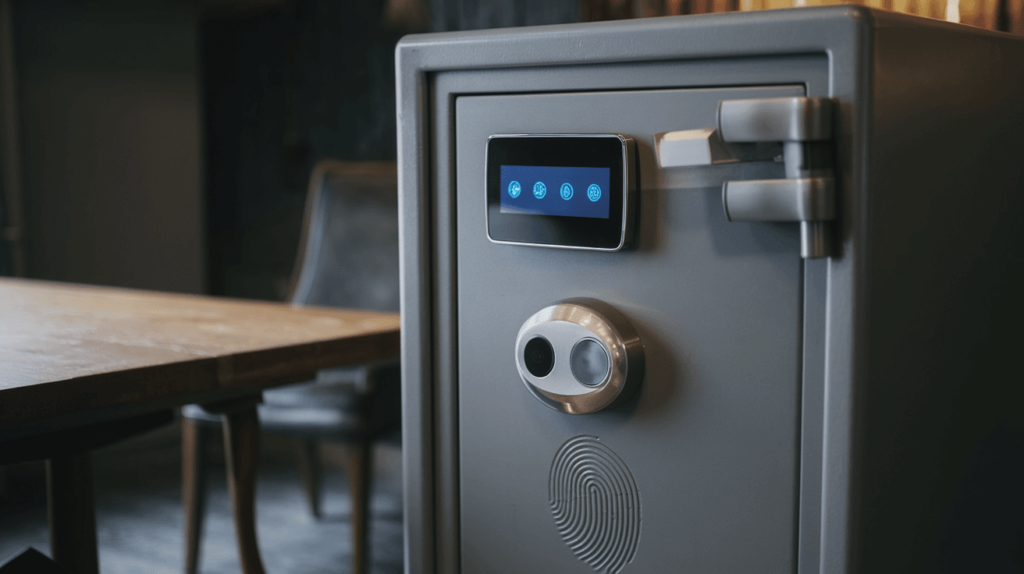
A biometric safe box is a high-security storage solution that uses advanced technology to grant access through unique biological identifiers, such as fingerprints, facial recognition, or even iris scans. Unlike traditional safes that rely on keys, combinations, or codes, these devices offer a seamless and highly secure way to protect your valuables.
Definition and Key Features
- Biometric Access:
The standout feature is its ability to use biometric data—like your fingerprint—to unlock the box. This ensures that only authorized individuals can access the contents. - Multiple User Profiles:
Many models allow you to register multiple users, making it ideal for families or shared spaces. - Backup Access Options:
In case of technical issues, most biometric safes include backup methods like PIN codes or physical keys. - Durability and Design:
Built with robust materials, these safes often come with fireproof and waterproof capabilities, ensuring your items are protected from both theft and environmental damage. - Compact and Portable Options:
Some models are designed for portability, making them perfect for travel or temporary storage needs.
How It Differs from Traditional Safes
- Access Method:
Traditional safes require keys, combinations, or codes, which can be lost, forgotten, or stolen. Biometric safes eliminate these risks by using unique biological traits for access. - Speed and Convenience:
Opening a biometric safe is as quick as a touch or a glance, whereas traditional safes can be time-consuming to unlock. - Enhanced Security:
Biometric data is nearly impossible to replicate, offering a higher level of protection compared to traditional locks, which can be picked or bypassed. - User Management:
Traditional safes often lack the ability to track who accessed them and when. Biometric models can log access attempts, providing an extra layer of accountability. - Modern Aesthetics:
Biometric safes often feature sleek, contemporary designs that blend seamlessly with modern home decor, unlike the bulky, industrial look of many traditional safes.
How Biometric Technology Works
Biometric technology is the backbone of modern secure storage solutions, offering a level of precision and convenience that traditional methods can’t match. But how does it actually work? Let’s break down the science behind these advanced systems and explore the various methods they use to keep your valuables safe.
The Science Behind Fingerprint Scanning
- Capture:
When you place your finger on the scanner, it captures an image of your fingerprint using optical, capacitive, or ultrasonic sensors. - Analysis:
The system analyzes unique patterns in your fingerprint, such as ridges, loops, and whorls, to create a digital template. - Storage:
This template is securely stored in the device’s memory, often encrypted to prevent unauthorized access. - Verification:
When you attempt to unlock the safe, the scanner compares your fingerprint to the stored template. If they match, access is granted.
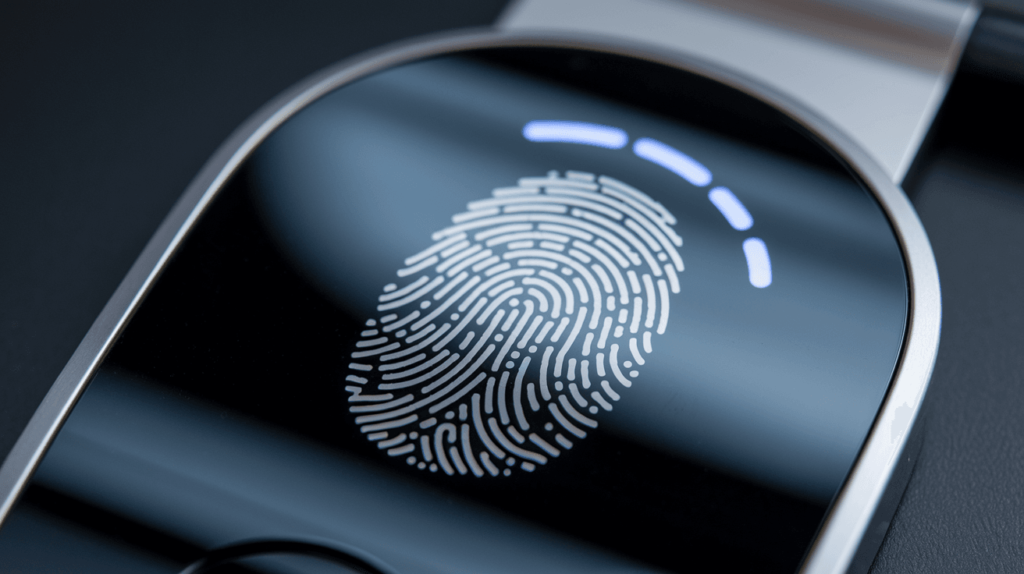
This process happens in milliseconds, offering both speed and accuracy. Fingerprint scanning is one of the most widely used biometric methods due to its reliability and ease of use.
Other Biometric Methods: Facial Recognition, Iris Scanning, and More
Facial Recognition:
- How It Works: Cameras capture facial features, such as the distance between your eyes, nose, and mouth, to create a unique map.
- Advantages: Hands-free access and quick verification.
- Limitations: Lighting conditions and facial changes (like glasses or makeup) can affect accuracy.
Iris Scanning:
- How It Works: Specialized cameras scan the unique patterns in your iris, the colored part of your eye.
- Advantages: Extremely accurate and difficult to forge.
- Limitations: Requires close proximity to the scanner and can be more expensive to implement.
Voice Recognition:
- How It Works: Analyzes vocal characteristics like pitch, tone, and rhythm to create a voiceprint.
- Advantages: Convenient for hands-free access.
- Limitations: Background noise and voice changes (like a cold) can impact performance.
Palm Vein Recognition:
- How It Works: Infrared scanners map the unique vein patterns in your palm.
- Advantages: Highly secure and non-invasive.
- Limitations: Less common and may require specialized hardware.
Top Benefits of Using a Biometric Safe Box
Biometric safe boxes are more than just a trend—they’re a game-changer in home security. By combining advanced technology with user-friendly features, these devices offer a level of protection and convenience that traditional safes can’t match. Let’s explore the top reasons why they’re becoming a must-have for modern households.
Enhanced Security and Protection
- Unique Biological Identifiers:
Unlike keys or codes, which can be stolen, duplicated, or guessed, biometric data is nearly impossible to replicate. Your fingerprint, facial features, or iris pattern are unique to you, ensuring that only authorized individuals can access the contents. - Tamper-Proof Design:
Many biometric safes are built with reinforced materials and advanced locking mechanisms, making them resistant to forced entry or tampering. - Access Logs:
Some models track who accessed the safe and when, providing an extra layer of accountability and security.
Quick and Easy Access for Authorized Users
- Instant Unlocking:
With just a touch or a glance, you can open your safe in seconds—no more fumbling with keys or struggling to remember combinations. - Multiple User Profiles:
These safes often allow you to register multiple users, making it easy for family members or trusted individuals to access the contents when needed. - Emergency Backup Options:
In case of technical issues, most biometric safes include backup methods like PIN codes or physical keys, ensuring you’re never locked out.
No Need to Remember Codes or Carry Keys
- Eliminate the Hassle:
Say goodbye to forgotten combinations or lost keys. Biometric safes rely on your unique biological traits, so there’s nothing to memorize or misplace. - Convenience on the Go:
Portable models are perfect for travel, offering secure storage without the need to carry extra keys or worry about codes. - Peace of Mind:
Knowing that your valuables are protected by cutting-edge technology allows you to focus on what matters most, without the stress of traditional security methods.
Common Uses for Biometric Safe Boxes
Biometric safe boxes are incredibly versatile, offering a secure solution for a wide range of needs. From protecting precious heirlooms to safeguarding sensitive information, these devices are designed to meet the demands of modern life. Let’s explore some of the most common ways people use them to enhance their security.
Storing Valuables Like Jewelry, Cash, and Documents
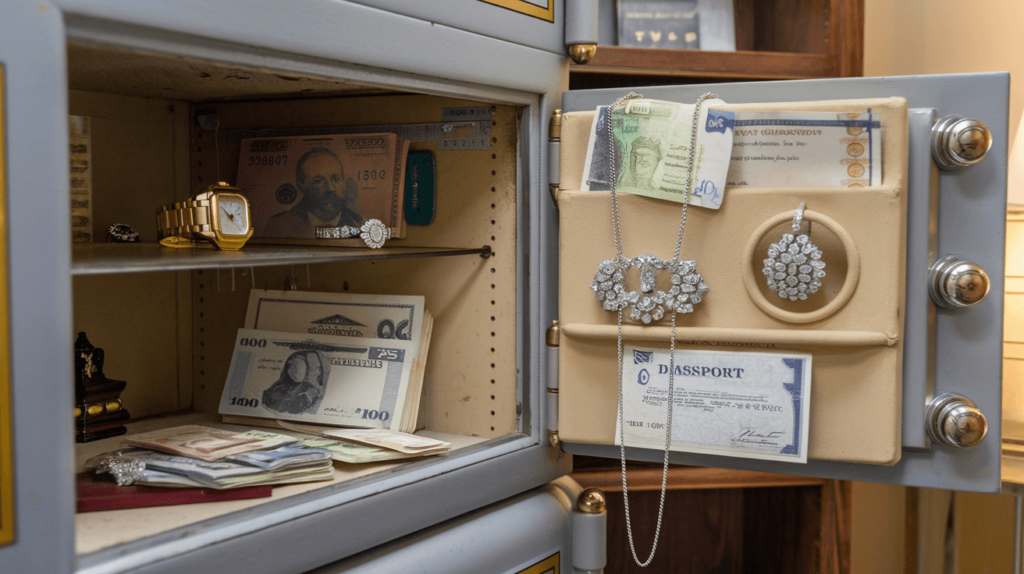
- Jewelry and Precious Items:
- Protect expensive watches, rings, necklaces, and other valuables from theft or damage.
- Ideal for storing family heirlooms with sentimental value.
2. Cash and Currency:
- Keep emergency funds or large sums of money secure and out of sight.
- Protect rare or collectible currency from loss or theft.
3. Important Documents:
- Safeguard property deeds, wills, passports, and birth certificates.
- Store insurance policies, financial records, and legal documents for easy access when needed.
Securing Firearms and Other Sensitive Items
- Firearms and Ammunition:
- Ensure guns are stored safely, preventing unauthorized access by children or intruders.
- Comply with legal requirements for firearm storage in many regions.
2. Medications and Prescriptions:
- Keep prescription drugs secure, especially in households with children or visitors.
- Prevent misuse or theft of sensitive medications.
3. Valuables with Emotional Significance:
- Protect items like family photos, letters, or keepsakes that hold irreplaceable sentimental value.
Protecting Digital Devices and Data
USB Drives and External Hard Drives:
- Store backups of important digital files, such as financial records or personal photos.
- Protect sensitive data from theft or unauthorized access.
Laptops and Tablets:
- Keep portable devices secure when not in use, especially in shared spaces.
- Prevent theft of expensive electronics.
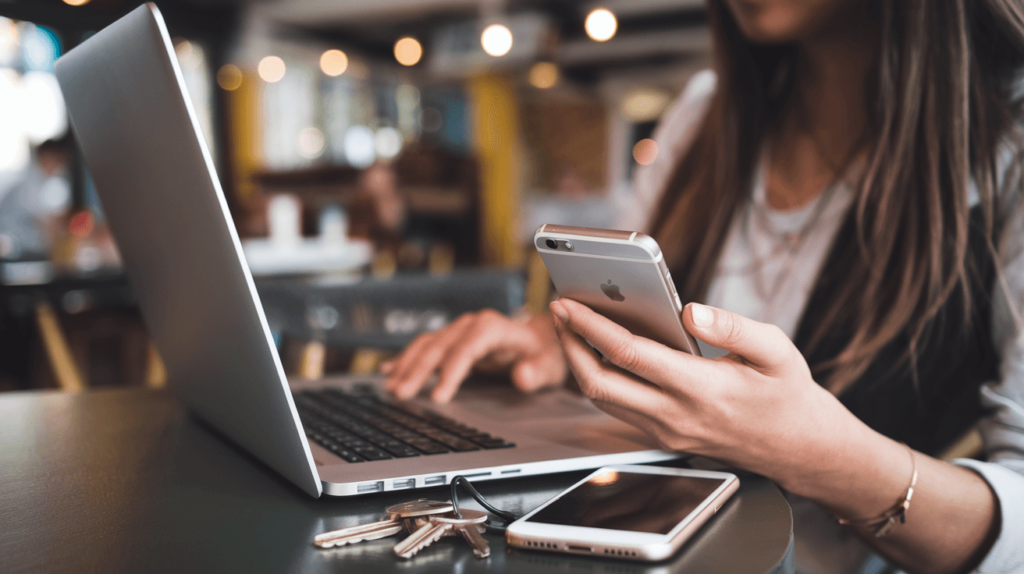
Smartphones and Keys:
- Store spare keys or secondary devices for added security.
- Protect access to digital accounts and personal information.
Types of Biometric Safe Boxes
Biometric safe boxes come in a variety of designs and configurations, each tailored to meet specific needs. Whether you’re looking for a compact portable model or a heavy-duty safe with advanced protection features, there’s an option for every situation. Let’s explore the different types available and how they can enhance your security.
Portable vs. Fixed Models
- Portable Safes:
- Compact and lightweight, perfect for travel or temporary storage.
- Ideal for securing valuables in hotel rooms, offices, or vehicles.
- Often include features like cable locks for added security.
2. Fixed Safes:
- Designed for permanent installation in homes or businesses.
- Typically larger, offering more storage space for bulkier items.
- Can be bolted to floors or walls to prevent theft.
Fireproof and Waterproof Options
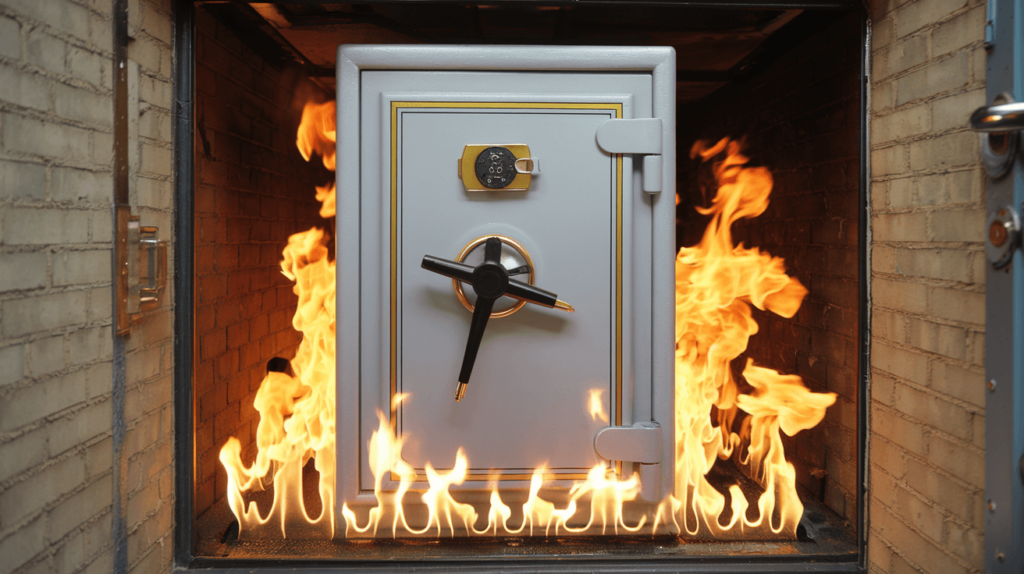
- Fireproof Safes:
- Built with heat-resistant materials to protect contents during a fire.
- Ideal for storing paper documents, cash, or sensitive electronics.
- Rated by fire resistance duration (e.g., 30 minutes, 1 hour).
2. Waterproof Safes:
- Designed to keep contents dry in case of flooding or water damage.
- Perfect for areas prone to heavy rain or flooding.
- Often combined with fireproof features for dual protection.
Specialized Safes for Guns, Documents, and More
- Gun Safes:
- Specifically designed to store firearms and ammunition securely.
- Often include additional features like quick-access biometric scanners for emergencies.
- Compliant with legal requirements for firearm storage.
2. Document Safes:
- Tailored for storing important papers like wills, deeds, and certificates.
- Typically fireproof and waterproof to ensure document safety.
- Compact designs for easy placement in homes or offices.
3. Jewelry Safes:
- Equipped with compartments and organizers for rings, necklaces, and watches.
- Often feature elegant designs to blend with home decor.
- Include advanced locking mechanisms for high-value items.
4. Digital Media Safes:
- Designed to protect USB drives, hard drives, and other digital storage devices.
- Often include fireproof and waterproof features to safeguard sensitive data.
- Compact and lightweight for easy portability.
Why These Options Matter
The variety of biometric safe boxes ensures that there’s a solution for every need, whether you’re looking for portability, advanced protection, or specialized storage. By understanding the different types available, you can choose the right model to meet your specific requirements and enhance your security.
Key Features to Look for in a Biometric Safe Box
When choosing a biometric safe box, not all models are created equal. To ensure you’re investing in a device that offers both security and convenience, it’s essential to know what features to prioritize. Here are the key elements to consider when selecting the right safe for your needs.
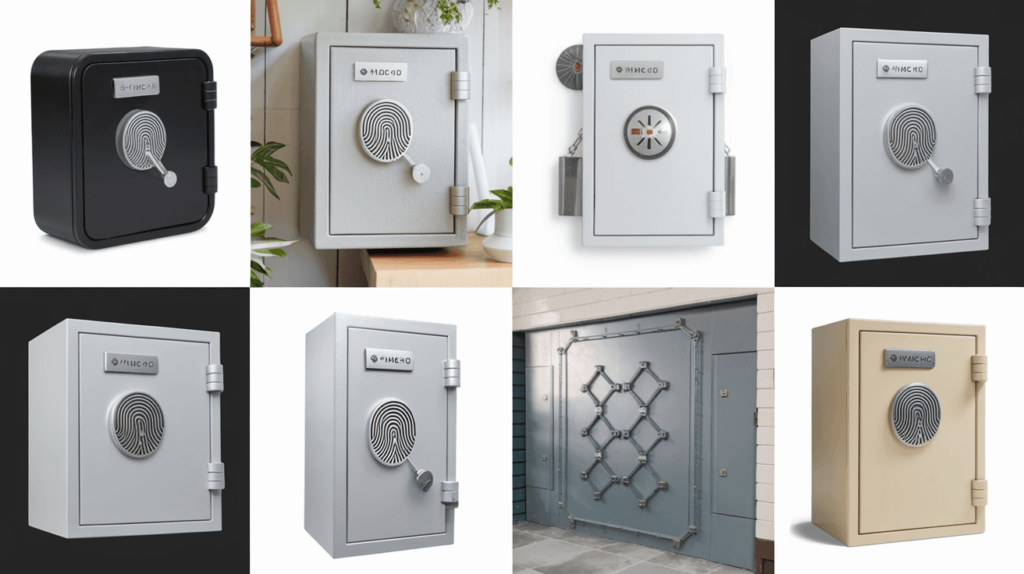
High-Quality Fingerprint Scanners
- Accuracy and Speed:
- Look for scanners that offer fast and precise recognition, minimizing errors or delays.
- Advanced models use optical or capacitive sensors for reliable performance.
- Multiple User Profiles:
- Ensure the safe allows you to register multiple fingerprints, making it ideal for families or shared spaces.
- Anti-Spoofing Technology:
- High-end scanners include features to detect fake fingerprints, such as silicone molds or photos.
Backup Access Methods (PIN Codes, Keys)
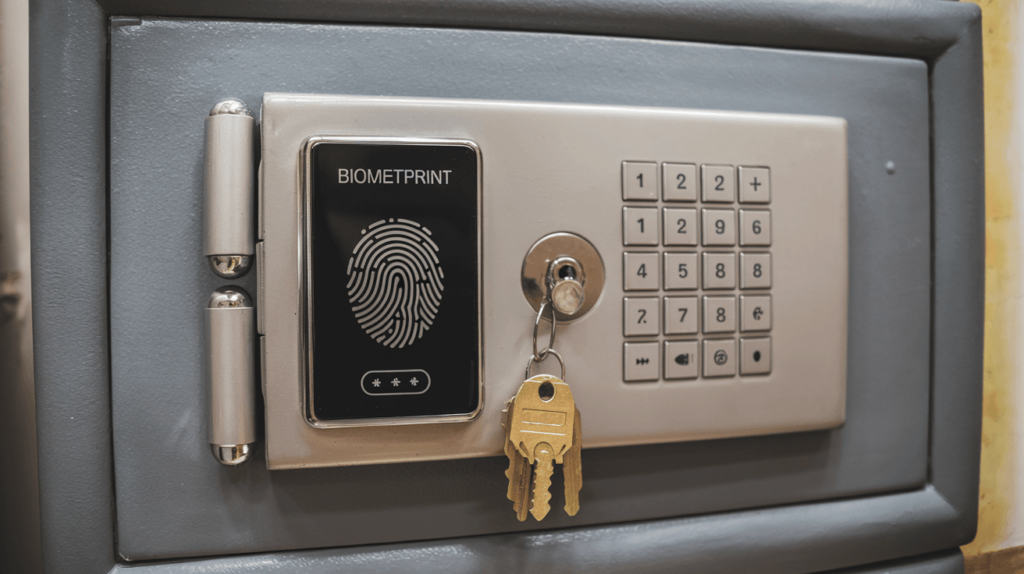
- PIN Code Access:
- A reliable backup option in case the biometric scanner fails or your fingerprint isn’t recognized.
- Choose models with easy-to-use keypads for quick entry.
- Physical Keys:
- Some safes include traditional keys as a last-resort backup.
- Ensure the keys are durable and stored securely to prevent loss or theft.
- Dual Authentication:
- Advanced models may offer dual authentication, requiring both a fingerprint and a PIN code for added security.
Durability and Resistance to Tampering
- Reinforced Construction:
- Look for safes made from heavy-duty materials like solid steel to withstand forced entry attempts.
- Tamper-Proof Design:
- Features like pry-resistant doors, concealed hinges, and anti-drill plates enhance security.
- Fireproof and Waterproof Options:
- If protecting documents or sensitive items, choose models with fire and water resistance ratings.
- Mounting Options:
- Safes that can be bolted to floors or walls provide an extra layer of protection against theft.
How to Choose the Right Biometric Safe Box for Your Needs
Selecting the perfect biometric safe box requires careful consideration of your unique needs and priorities. With so many options available, it’s essential to evaluate your security requirements, compare available features, and research trusted brands. Here’s a step-by-step guide to help you make an informed decision.
Assessing Your Security Requirements
- Identify What You’re Protecting:
- Determine whether you need to store documents, jewelry, firearms, or digital devices.
- Consider the size and quantity of items to ensure the safe can accommodate them.
- Evaluate Your Environment:
- Assess potential risks, such as theft, fire, or flooding, to choose a safe with appropriate protection features.
- Decide if you need a portable model for travel or a fixed safe for home use.
- Consider Accessibility Needs:
- Think about how often you’ll need to access the safe and whether quick, hands-free entry is important.
Comparing Sizes, Features, and Prices
- Size Options:
- Small safes: Ideal for documents, cash, or small valuables.
- Medium safes: Suitable for jewelry, electronics, or multiple items.
- Large safes: Best for firearms, bulkier items, or extensive collections.
- Key Features:
- Prioritize high-quality fingerprint scanners, backup access methods, and durable construction.
- Look for additional features like fireproofing, waterproofing, or tamper-resistant designs.
- Budget Considerations:
- Compare prices across brands and models to find a safe that fits your budget without compromising on essential features.
- Remember that investing in a high-quality safe is a long-term security solution.
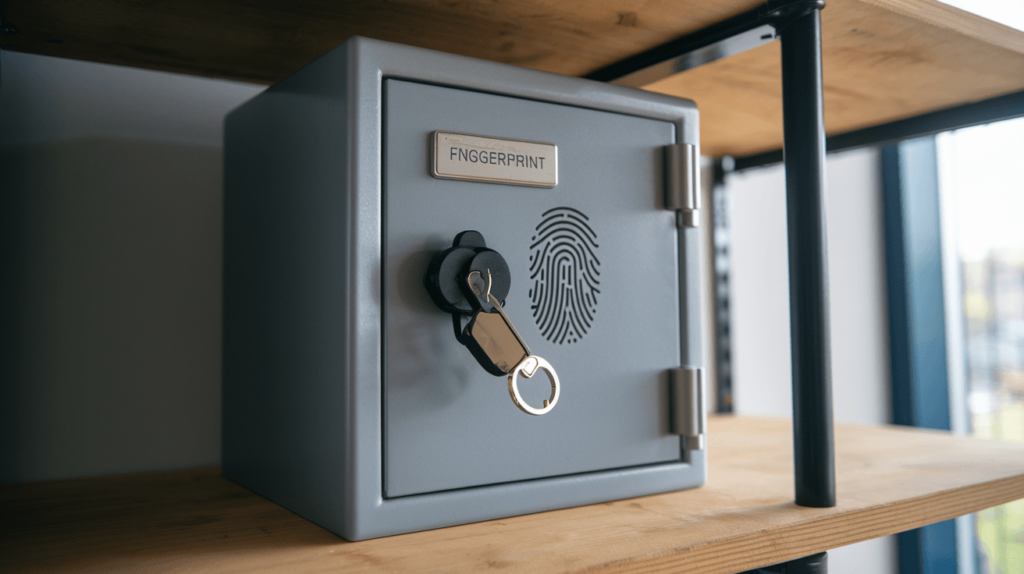
Reading Reviews and Checking Ratings
- Customer Feedback:
- Read reviews from verified buyers to understand the pros and cons of each model.
- Look for comments on reliability, ease of use, and customer support.
- Expert Opinions:
- Check ratings and recommendations from trusted sources, such as security experts or tech reviewers.
- Look for awards or certifications that indicate quality and performance.
- Brand Reputation:
- Choose brands with a proven track record in the security industry.
- Research their warranty policies and customer service responsiveness.
Installation and Setup Tips
Once you’ve chosen the right biometric safe box, proper installation and setup are crucial to maximizing its effectiveness. From selecting the ideal location to configuring access, these steps ensure your safe is secure, functional, and ready to protect your valuables. Here’s how to get started.
Choosing the Perfect Location
- Accessibility vs. Discretion:
- Place the safe in a location that’s easy for authorized users to access but hidden from potential intruders.
- Avoid obvious spots like master bedrooms or closets, which are often targeted during break-ins.
- Environmental Considerations:
- Choose a dry, stable area to prevent moisture damage or accidental tipping.
- If using a fireproof or waterproof model, ensure the location aligns with its protective capabilities.
- Mounting Options:
- For fixed safes, secure them to the floor or wall using bolts for added theft prevention.
- Portable models should be placed in discreet, out-of-sight areas when not in use.
Step-by-Step Guide to Setting Up Your Safe
- Unbox and Inspect:
- Carefully unpack the safe and check for any damage during shipping.
- Ensure all components, such as keys, manuals, and mounting hardware, are included.
- Install Batteries:
- Most biometric safes are battery-powered. Insert fresh batteries and test the power supply.
- Keep spare batteries on hand to avoid being locked out during a power failure.
- Mount the Safe (if applicable):
- Follow the manufacturer’s instructions to bolt the safe to the floor or wall.
- Use a level to ensure the safe is properly aligned and stable.
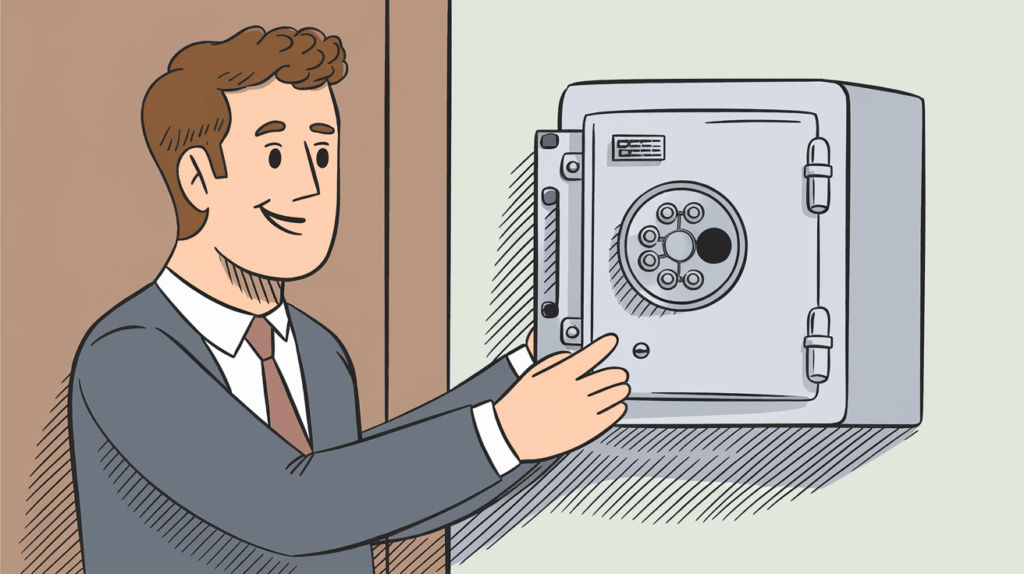
Registering Fingerprints and Testing Access
- Enroll Authorized Users:
- Follow the safe’s instructions to register fingerprints for all authorized individuals.
- Clean your fingers and the scanner surface to ensure accurate readings.
- Test Access:
- After registering, test the biometric scanner to confirm it recognizes each user quickly and accurately.
- Try different angles and pressures to ensure consistent performance.
- Set Up Backup Access:
- Program a backup PIN code or ensure physical keys are stored securely.
- Test the backup methods to confirm they work as intended.
- Perform a Trial Run:
- Simulate real-world use by accessing the safe multiple times to ensure reliability.
- Address any issues, such as scanner errors or slow recognition, before storing valuables.
Maintenance and Care for Your Biometric Safe Box
To keep your biometric safe box functioning at its best, regular maintenance and care are essential. From cleaning the scanner to replacing batteries and addressing potential issues, these steps ensure your safe remains reliable and secure over time. Here’s how to maintain your device for long-term performance.
Cleaning the Fingerprint Scanner
- Regular Cleaning:
- Use a soft, lint-free cloth to wipe the scanner surface gently.
- Avoid harsh chemicals or abrasive materials that could damage the sensor.
- Removing Residue:
- If the scanner becomes unresponsive, clean it with a slightly damp cloth to remove dirt, oil, or residue.
- Dry the surface thoroughly before use to prevent moisture damage.
- Testing After Cleaning:
- After cleaning, test the scanner to ensure it recognizes fingerprints accurately.
Replacing Batteries and Troubleshooting Issues
- Battery Replacement:
- Monitor the safe’s battery indicator and replace batteries as soon as they run low.
- Use high-quality batteries to ensure consistent performance.
- Troubleshooting Common Problems:
- Scanner Not Working: Clean the sensor and ensure your fingers are dry and clean.
- Slow Recognition: Re-register fingerprints and test different angles.
- Error Messages: Consult the user manual for specific error codes and solutions.
- Backup Access:
- If the scanner fails, use your backup PIN code or physical keys to access the safe.
- Keep spare batteries and backup keys in a secure but accessible location.
Ensuring Long-Term Reliability
- Regular Inspections:
- Check the safe’s exterior for signs of wear, rust, or damage.
- Ensure bolts or mounting hardware remain secure.
- Software Updates:
- If your safe has smart features, check for firmware updates to improve performance and security.
- Environmental Care:
- Keep the safe in a dry, stable environment to prevent moisture damage or corrosion.
- Avoid exposing the safe to extreme temperatures or direct sunlight.
- Professional Servicing:
- For complex issues, contact the manufacturer or a certified technician for repairs.
- Schedule periodic maintenance checks for high-end models.
Why Maintenance Matters
Proper care and maintenance ensure that your biometric safe box remains a reliable and effective security solution. By keeping the scanner clean, replacing batteries promptly, and addressing issues early, you can extend the lifespan of your safe and avoid unexpected problems.
Comparing Biometric Safe Boxes to Traditional Safes
When it comes to securing your valuables, the choice between biometric safe boxes and traditional safes can be a tough one. Each option has its strengths and weaknesses, but understanding the differences can help you make an informed decision. Let’s explore the pros and cons of each and why biometric models are gaining popularity.
Pros and Cons of Biometric vs. Combination Locks
- Biometric Safes:
- Pros:
- Quick Access: Unlock with a fingerprint or other biometric data in seconds.
- No Keys or Codes: Eliminates the risk of lost keys or forgotten combinations.
- Enhanced Security: Unique biological traits are nearly impossible to replicate.
- Cons:
- Higher Cost: Typically more expensive than traditional safes.
- Technical Issues: Scanners may occasionally fail or require maintenance.
- Power Dependency: Requires batteries or an external power source.
- Pros:
- Traditional Safes:
- Pros:
- Lower Cost: Generally more affordable than biometric models.
- No Power Needed: Relies on mechanical locks, eliminating battery concerns.
- Proven Reliability: Simple design with fewer technical components.
- Cons:
- Slower Access: Requires time to enter combinations or locate keys.
- Vulnerability to Theft: Keys can be lost, and combinations can be guessed or bypassed.
- Limited User Access: Typically supports only one combination or keyholder.
- Pros:
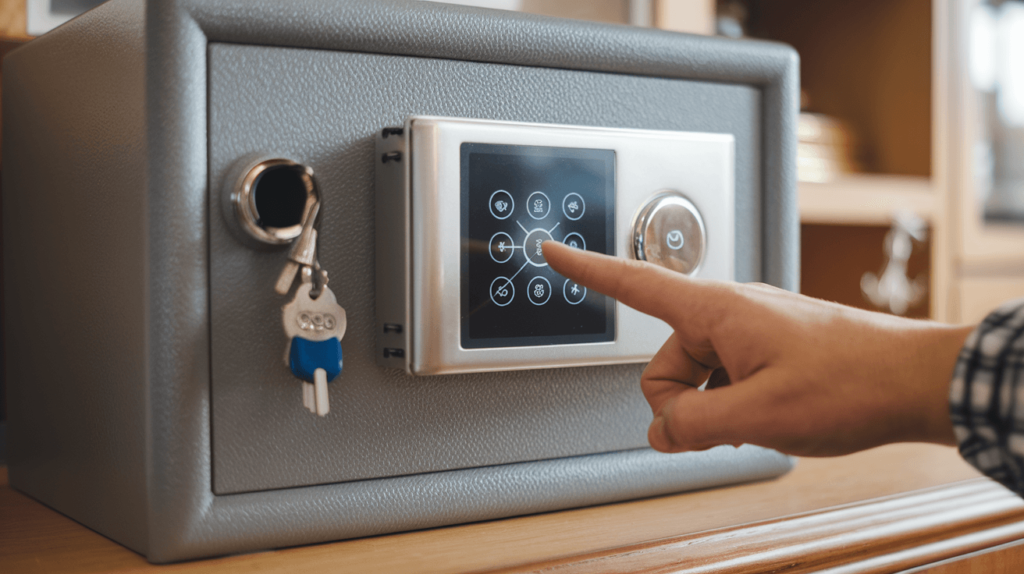
Why Biometric Safes Are Becoming the Preferred Choice
- Convenience and Speed:
- Biometric models offer instant access, making them ideal for emergencies or frequent use.
- Advanced Security Features:
- With unique biological identifiers, these safes provide a higher level of protection against unauthorized access.
- User-Friendly Design:
- Multiple user profiles and backup access methods make them versatile and easy to use for families or shared spaces.
- Modern Aesthetics:
- Sleek, contemporary designs blend seamlessly with modern home decor, unlike the bulky, industrial look of many traditional safes.
- Growing Affordability:
- As technology advances, biometric safes are becoming more accessible and affordable for everyday consumers.
Why This Comparison Matters
Understanding the differences between biometric and traditional safes helps you choose the right solution for your needs. While traditional models offer simplicity and affordability, biometric safes provide advanced security, convenience, and modern features that are hard to beat.


