 跳到内容
跳到内容 

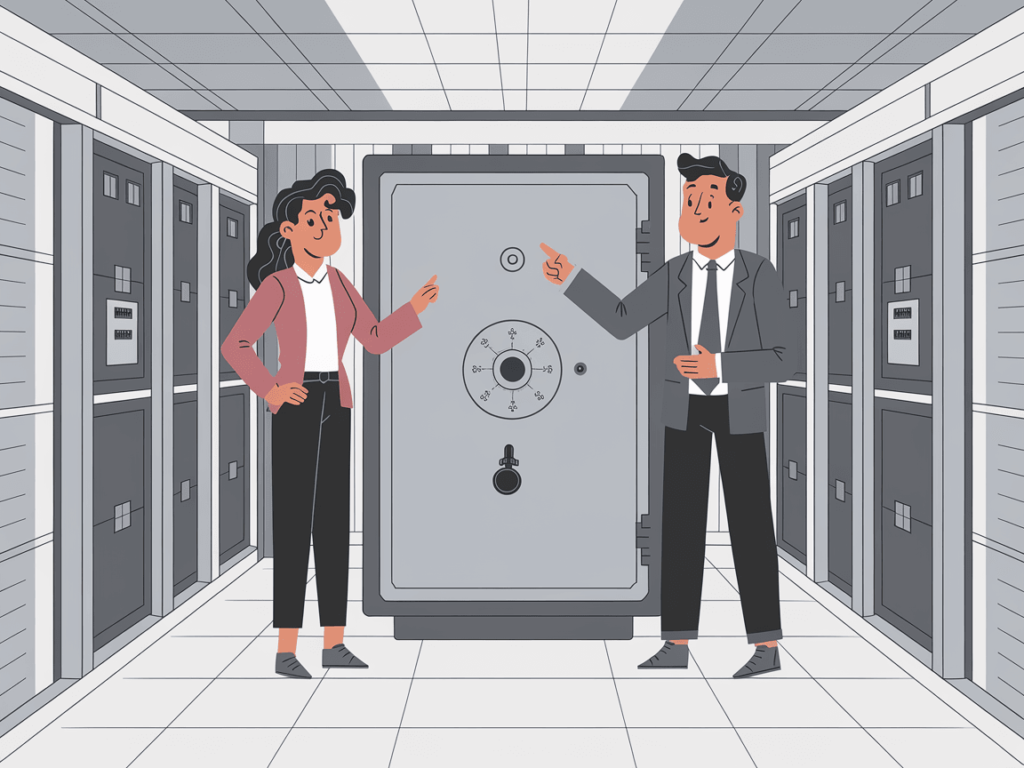
Introduction: Why a Safe Deposit Box is a Must-Have for Your Valuables
Picture this: a sudden flood sweeps through your neighborhood, or a thief targets your home. Your most cherished possessions—irreplaceable documents, rare collectibles, sentimental jewelry—are suddenly vulnerable. Would they survive unscathed? For countless individuals, the solution lies in a secure storage option, a hidden sanctuary far from life’s chaos. But here’s the twist: not all storage solutions are equal. Selecting the ideal one isn’t just about stashing your treasures; it’s about ensuring they’re shielded from harm, loss, and even your own oversight.
So, what exactly is this secure storage option? Imagine a personal stronghold, nestled within a trusted facility, built to guard what you hold dear. From legal papers and family heirlooms to digital backups and precious metals, it’s the ultimate protector for items you can’t afford to lose. Yet, with countless choices available—varying in dimensions, pricing, and protective features—how do you find the perfect match? Whether you’re new to this or reassessing your current setup, this guide will equip you with the knowledge to make the best decision. Let’s explore how to keep your most important belongings safe and sound.
What Can You Store in a Safe Deposit Box?
When it comes to safeguarding your most prized possessions, knowing what to place in a secure storage unit is crucial. These fortified compartments are designed to protect items that are difficult or impossible to replace. But what exactly belongs inside? Let’s break it down.
Important Documents (Wills, Deeds, Birth Certificates)
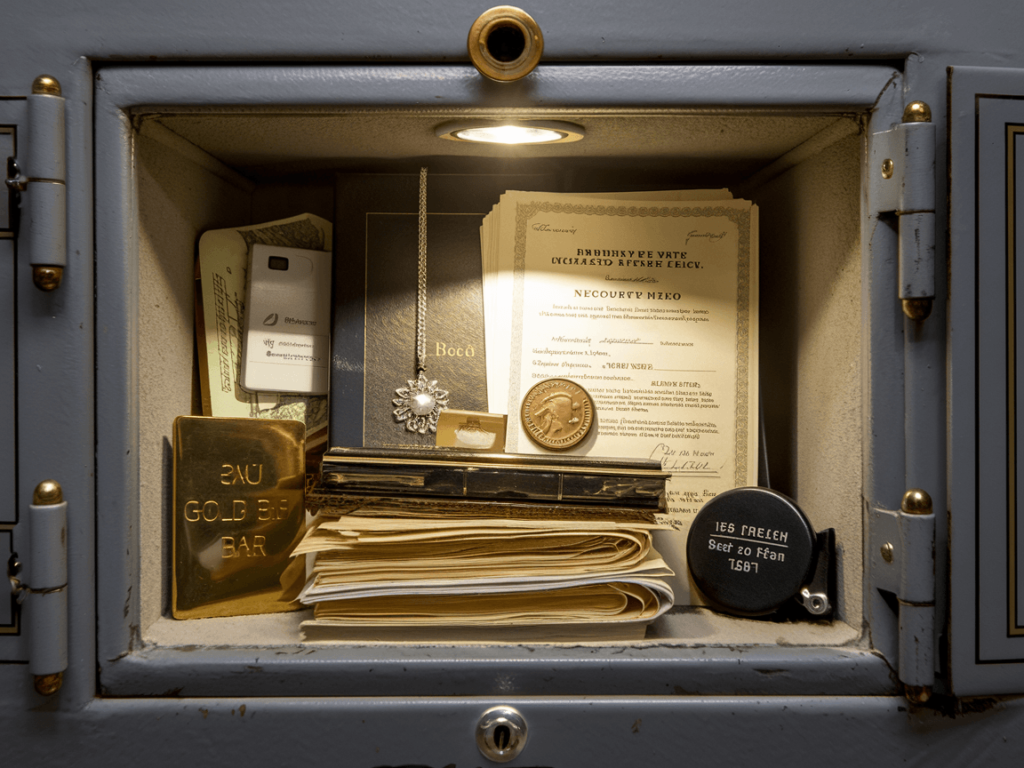
Legal papers like wills, property deeds, and birth certificates are often irreplaceable and essential for life’s major milestones. Storing them in a protected space ensures they remain intact and accessible when needed. Other critical paperwork, such as marriage licenses, divorce decrees, and adoption records, also belong here.
Valuables (Jewelry, Rare Coins, Precious Metals)
From family heirlooms to rare collectibles, items of significant monetary or sentimental value deserve extra protection. Think diamond rings, gold bars, vintage coins, or even antique watches. These treasures are not only costly to replace but often carry emotional weight, making them perfect candidates for secure storage.
Digital Storage (USB Drives, Hard Drives)
In today’s digital age, protecting your data is just as important as safeguarding physical items. External drives containing sensitive information, family photos, or business records can be stored securely. This ensures your digital life remains intact, even if your devices are lost or damaged.
Items You Should Never Store in a Safe Deposit Box
While these units are incredibly secure, they’re not suitable for everything. Avoid placing items you might need urgently, like passports or medical directives, as access can be restricted outside of business hours. Additionally, perishable goods, illegal items, or anything that could damage the box (like liquids or hazardous materials) should never be stored.
By understanding what belongs—and doesn’t belong—in your secure storage, you can maximize its benefits and keep your most important belongings safe.
Safe Deposit Box vs. Home Safe: Which is Better?
Deciding between a secure storage unit and a personal vault at home can be challenging. Both options offer protection, but they cater to different needs and scenarios. Let’s weigh the advantages and disadvantages of each to help you make an informed choice.
Pros and Cons of Safe Deposit Boxes\
Pros:
- Enhanced Security: These units are housed in highly secure facilities with advanced surveillance, fireproofing, and climate control.
- Theft Protection: Located outside your home, they’re immune to burglaries targeting your residence.
- Disaster Resilience: Designed to withstand fires, floods, and other natural disasters, ensuring your items remain safe.
Cons:
- Limited Access: You can only retrieve items during the facility’s operating hours.
- Additional Costs: Renting a unit comes with annual fees, which can add up over time.
- No Insurance Coverage: Most facilities don’t insure the contents, requiring you to purchase separate coverage.
Pros and Cons of Home Safes\
Pros:
- Convenience: Your valuables are always within reach, available 24/7.
- Customizable Security: You can choose a safe with features like biometric locks or fireproofing tailored to your needs.
- No Ongoing Fees: Once purchased, there are no additional rental costs.
Cons:
- Vulnerability to Theft: If discovered, a home safe can be targeted by burglars.
- Limited Disaster Protection: Unless specifically designed, many safes may not withstand extreme conditions like fires or floods.
- Space Constraints: Larger items may not fit, limiting what you can store.
When to Choose a Safe Deposit Box Over a Home Safe
Opt for a secure storage unit if:
- You need to protect irreplaceable items like legal documents or family heirlooms.
- Your home is in an area prone to natural disasters or high crime rates.
- You don’t require frequent access to your stored items.
On the other hand, a personal vault at home is ideal for:
- Items you need to access regularly, such as passports or emergency cash.
- Smaller valuables that fit within the safe’s capacity.
- Situations where you prefer immediate control over your belongings.
By understanding the strengths and limitations of each option, you can choose the solution that best aligns with your needs and lifestyle.
How to Choose the Right Size for Your Secure Storage Unit
Selecting the appropriate size for your storage compartment is crucial to ensure it meets your needs without overspending. Whether you’re storing a handful of documents or a collection of valuables, understanding your options will help you make the best decision.
Small, Medium, and Large Box Options
- Small Units: Ideal for essential paperwork like wills, deeds, or a few pieces of jewelry. These compact spaces are cost-effective and perfect for minimal storage needs.
- Medium Units: Great for those with a mix of documents and valuables, such as family heirlooms, rare coins, or small electronic devices. They offer a balance between space and affordability.
- Large Units: Designed for bulkier items or extensive collections, like multiple hard drives, stacks of legal files, or larger valuables such as artwork or precious metals.
How to Estimate the Space You Need
- Take Inventory: List all the items you plan to store, including their dimensions.
- Consider Future Needs: Think about whether your storage requirements might grow over time.
- Measure Twice: Use a box or container at home to simulate the space and see how your items fit.
Tips for Organizing Your Box Efficiently
- Use Dividers: Separate items into categories (e.g., documents, jewelry, electronics) for easy access.
- Label Everything: Clearly mark envelopes or containers to quickly locate what you need.
- Prioritize Accessibility: Place frequently accessed items near the top and less-used belongings at the bottom.
- Avoid Overpacking: Leave some room to prevent damage to delicate items and make retrieval easier.
By carefully considering your storage needs and organizing thoughtfully, you can maximize the utility of your secure unit while keeping your valuables safe and accessible.
Where to Get a Secure Storage Unit: Banks vs. Private Vaults
When it comes to protecting your valuables, choosing the right provider is just as important as selecting the right size or features. Two primary options are available: traditional financial institutions and specialized private facilities. Let’s explore the differences to help you decide which suits your needs best.
Traditional Banks (Chase, Truist, etc.)
- Convenience: Many people already have accounts with these institutions, making it easy to add a storage unit to their existing services.
- Reputation: Established banks often have a long history of trust and reliability.
- Limitations: Access is typically restricted to banking hours, and availability may be limited depending on location.
Private Secure Storage Companies
- Flexibility: These facilities often offer extended hours, 24/7 access, and more personalized service.
- Advanced Features: Many private providers boast state-of-the-art security measures, including biometric scanning and climate-controlled environments.
- Specialization: Focused solely on storage, these companies may offer a wider range of unit sizes and customization options.
Comparing Costs and Security Features
- Costs: Traditional banks may offer lower rental fees, especially for existing customers, but private facilities often provide more value through added services and flexibility.
- Security: Both options prioritize safety, but private vaults frequently invest in cutting-edge technology like motion sensors, reinforced walls, and round-the-clock monitoring.
- Insurance: Private providers may include insurance options for stored items, whereas banks typically do not cover contents.
Understanding Secure Storage Unit Costs and Fees
Renting a storage compartment for your valuables is an investment in their protection, but it’s essential to understand the associated expenses. From upfront prices to potential hidden charges, knowing what to expect can help you budget effectively and avoid surprises.
Average Prices for Secure Storage Units
- Small Units: Typically range from 20to50 annually, ideal for storing documents or a few small items.
- Medium Units: Usually cost between 50and150 per year, suitable for a mix of valuables and paperwork.
- Large Units: Can range from 150to300 or more annually, designed for bulkier items or extensive collections.
Hidden Fees to Watch Out For
- Key Replacement Charges: Losing your key or access card may result in hefty replacement fees.
- Late Payment Penalties: Missing a rental payment could lead to additional charges or even loss of access.
- Drilling Fees: If you lose your key and the unit needs to be opened forcibly, you may be billed for the service.
- Insurance Costs: While some facilities offer optional coverage, it often comes at an extra cost.
How to Get the Best Deal on a Secure Storage Unit
- Compare Providers: Research multiple banks and private facilities to find competitive pricing.
- Negotiate Terms: Some providers may offer discounts for long-term rentals or bundled services.
- Check for Promotions: Look for introductory offers or special deals for new customers.
- Read the Fine Print: Ensure you understand all fees and terms before signing a rental agreement.
Security Features to Look for in a Secure Storage Unit
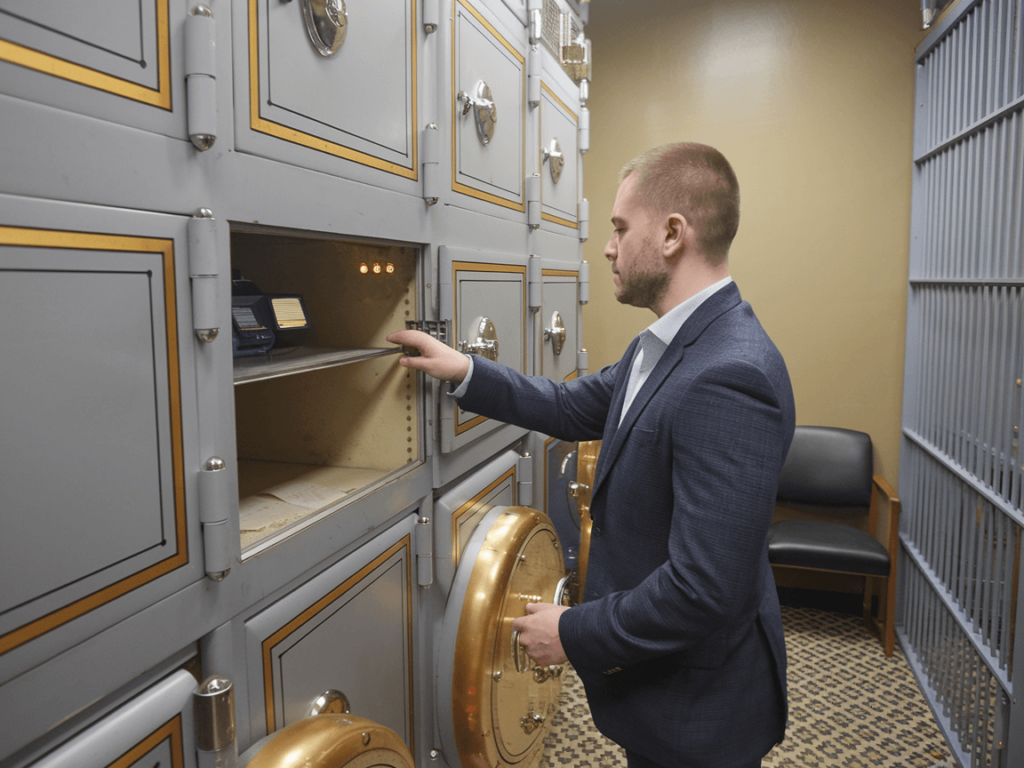
When entrusting your valuables to a storage facility, the level of protection offered is paramount. Not all units are created equal, and understanding the key security features can help you choose one that ensures your items remain safe under any circumstances.
Fireproof and Waterproof Protection
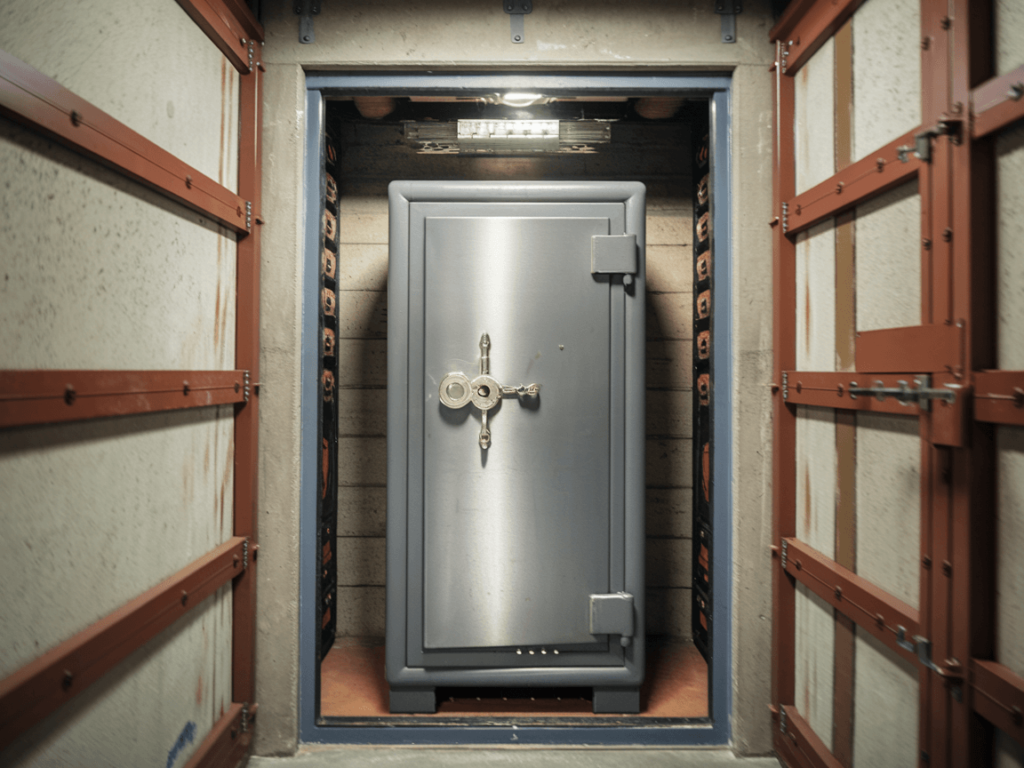
- Fire Resistance: Look for units housed in facilities with fire-rated walls and doors, designed to withstand extreme temperatures and protect contents from damage.
- Water Resistance: Ensure the storage area is equipped to prevent water damage from floods, leaks, or sprinkler systems, keeping your items dry and intact.
Advanced Locking Systems (Biometric, Dual-Key, etc.)
- Biometric Access: Facilities offering fingerprint or retinal scanning provide an extra layer of security, ensuring only authorized individuals can access the unit.
- Dual-Key Mechanisms: Some providers require two keys or a combination of keys and codes, reducing the risk of unauthorized entry.
- Tamper-Proof Locks: High-quality locks that resist picking or drilling add another level of protection against theft.
24/7 Surveillance and Monitoring
- CCTV Cameras: Round-the-clock video surveillance deters potential intruders and provides evidence in case of any incidents.
- On-Site Security: Facilities with trained security personnel offer an added sense of safety and quick response to emergencies.
- Alarm Systems: Look for units equipped with motion sensors and alarms that trigger during unauthorized access attempts.
How to Access Your Secure Storage Unit: Convenience Matters
When choosing a storage solution for your valuables, accessibility is just as important as security. After all, what good is a protected unit if you can’t reach your items when you need them? Let’s explore the key factors that determine how easily you can access your stored belongings.
Bank Hours and Accessibility
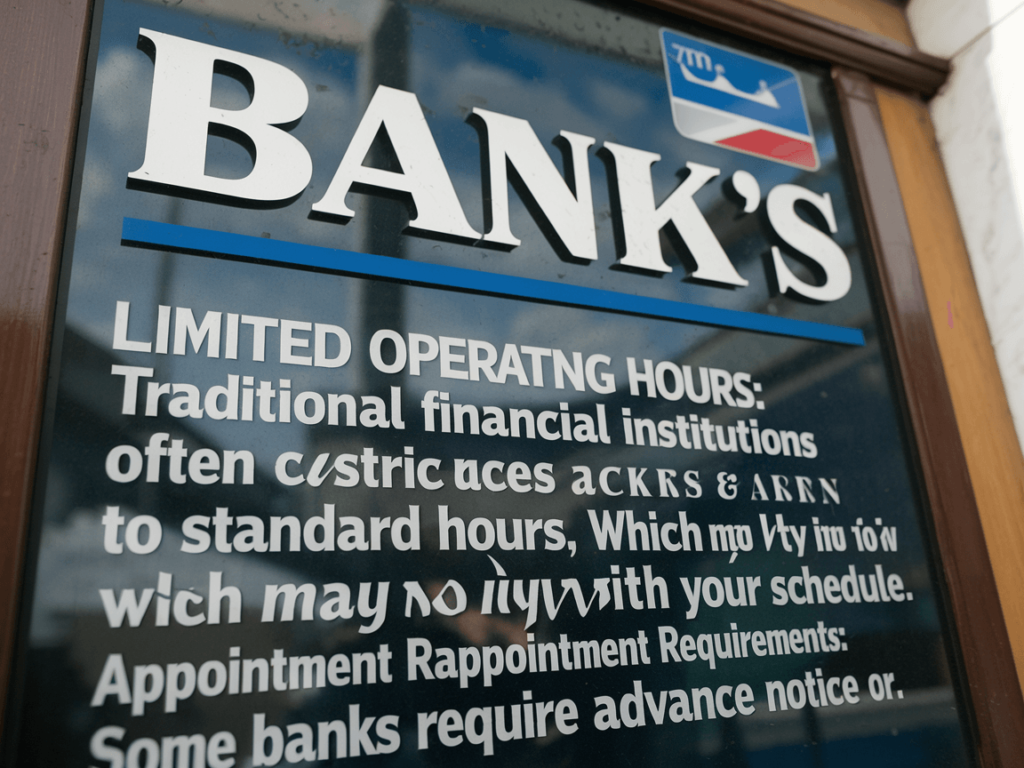
- Limited Operating Hours: Traditional financial institutions often restrict access to standard business hours, which may not align with your schedule.
- Appointment Requirements: Some banks require advance notice or appointments to access your unit, adding an extra step to the process.
- Holiday Closures: Be aware that banks are typically closed on holidays, limiting your ability to retrieve items during those times.
Private Vault Access Options
- Extended Hours: Many private facilities offer evening and weekend access, providing greater flexibility for busy individuals.
- 24/7 Availability: Some high-end providers allow round-the-clock access, ensuring you can retrieve your items at any time.
- Self-Service Options: Private vaults often feature user-friendly systems, such as keyless entry or digital codes, for quick and easy access.
Emergency Access: What Happens If You Lose Your Key?
- Key Replacement Process: Most facilities have a protocol for replacing lost keys, though it may involve verification steps and fees.
- Drilling the Unit: In cases where keys are irretrievable, the unit may need to be drilled open, often at the owner’s expense.
- Authorization Requirements: Ensure you understand the facility’s policies for emergency access, including who is authorized to request it and what documentation is required.
Insurance for Your Secure Storage Unit: Do You Need It?
While secure storage facilities offer robust protection for your valuables, they often don’t cover the contents inside. This raises an important question: should you invest in additional insurance? Let’s break down what’s typically included, what’s not, and how to ensure your items are fully protected.
What’s Covered (and What’s Not) by Facility Insurance
- Facility Liability: Most banks and private vaults only insure against damage or loss caused by their negligence, such as a fire or flood within the building.
- Exclusions: Theft, natural disasters, or damage due to improper storage are usually not covered under the facility’s policy.
- Content Limits: Even if partial coverage is offered, it often comes with low limits, leaving high-value items underinsured.
How to Insure Your Valuables Independently
- Homeowner’s or Renter’s Insurance: Check if your existing policy extends coverage to items stored outside your home. Some policies may require an add-on or rider for full protection.
- Specialized Insurance: Consider standalone policies designed specifically for high-value items like jewelry, art, or collectibles. These often provide broader coverage and higher limits.
- Documentation: Keep detailed records, including photos, appraisals, and receipts, to streamline the claims process if needed.
Tips for Choosing the Right Insurance Policy
- Assess Your Needs: Evaluate the total value of your stored items to determine the appropriate coverage amount.
- Compare Providers: Shop around for policies that offer comprehensive protection at a reasonable cost.
- Read the Fine Print: Understand exclusions, deductibles, and claim procedures before committing to a policy.
- Review Annually: Regularly update your coverage to reflect new acquisitions or changes in item values.
How to Choose the Best Location for Your Secure Storage Unit
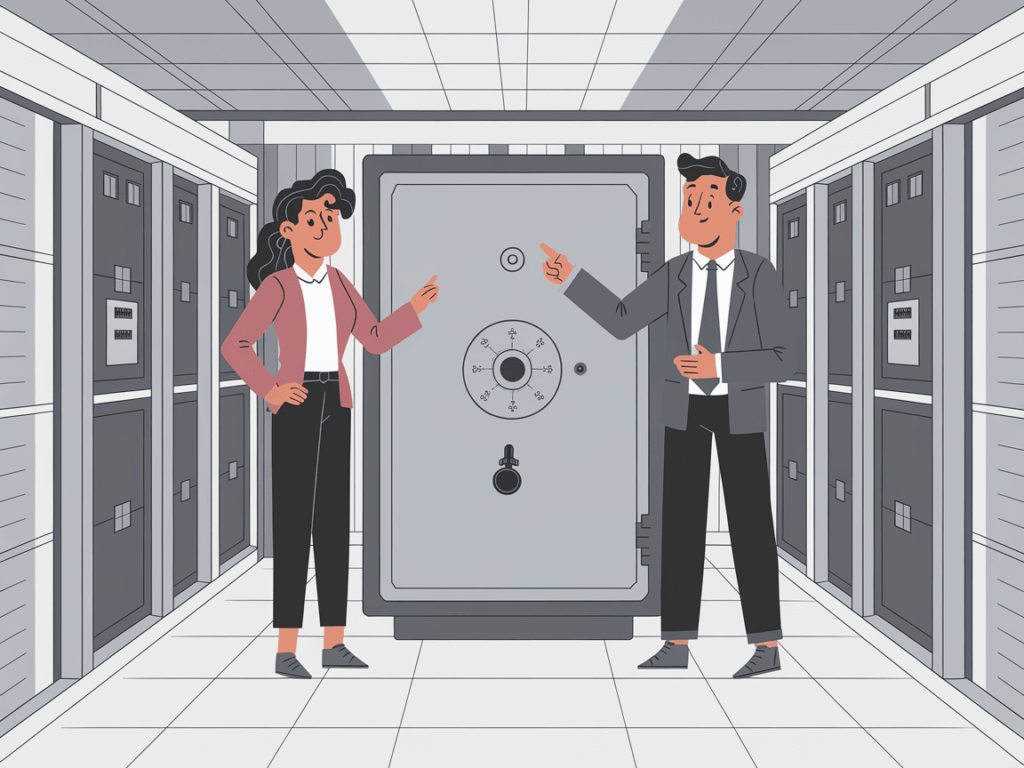
Selecting the right facility for your valuables isn’t just about security features—it’s also about location. The convenience and safety of the area can significantly impact your experience. Here’s what to consider when deciding where to store your most important items.
Proximity to Your Home or Office
- Ease of Access: Choose a facility that’s close to your daily routine, whether it’s near your home, workplace, or frequently visited areas.
- Travel Time: Consider how long it takes to reach the location, especially if you need frequent access to your stored items.
- Traffic and Parking: Ensure the area is easy to navigate, with ample parking or public transportation options.
Safety and Crime Rates in the Area
- Neighborhood Security: Research the crime statistics of the area to ensure it’s a low-risk environment for theft or vandalism.
- Facility Location: Opt for a storage provider situated in a well-lit, secure area, preferably with visible security measures like cameras or guards.
- Community Reputation: A facility in a reputable neighborhood is often a safer choice than one in a high-crime zone.
Evaluating the Facility’s Reputation
- Online Reviews: Check customer feedback on platforms like Google, Yelp, or Trustpilot to gauge the facility’s reliability and service quality.
- Industry Credentials: Look for certifications or affiliations with recognized security organizations, which can indicate a higher standard of care.
- Word of Mouth: Ask friends, family, or colleagues for recommendations based on their experiences.
How to Organize Your Secure Storage Unit for Maximum Efficiency
A well-organized storage compartment not only protects your valuables but also makes them easier to access when needed. Whether you’re storing documents, jewelry, or other important items, a little planning can go a long way. Here’s how to keep your unit tidy and efficient.
Using Dividers and Organizers
- Small Containers: Use plastic bins, envelopes, or pouches to group similar items together, such as legal papers, USB drives, or jewelry.
- Adjustable Dividers: If your unit allows, add removable dividers to create sections for different categories of items.
- Protective Sleeves: For delicate items like photos or certificates, consider using acid-free sleeves to prevent damage over time.
Labeling and Inventory Tips
- Clear Labels: Mark each container or envelope with a description of its contents for quick identification.
- Digital Inventory: Create a digital list of everything stored in the unit, including photos and estimated values, and keep a copy at home.
- Color Coding: Use colored labels or tabs to categorize items by type, such as financial documents, personal keepsakes, or valuables.
How Often Should You Check Your Unit?
- Regular Reviews: Plan to visit your storage compartment at least once or twice a year to ensure everything is in order.
- Life Changes: Update the contents after major life events, such as marriage, moving, or acquiring new valuables.
- Condition Checks: Inspect items for damage or wear, especially delicate or perishable materials like paper or electronics.
Alternatives to Secure Storage Units: Are They Worth It?
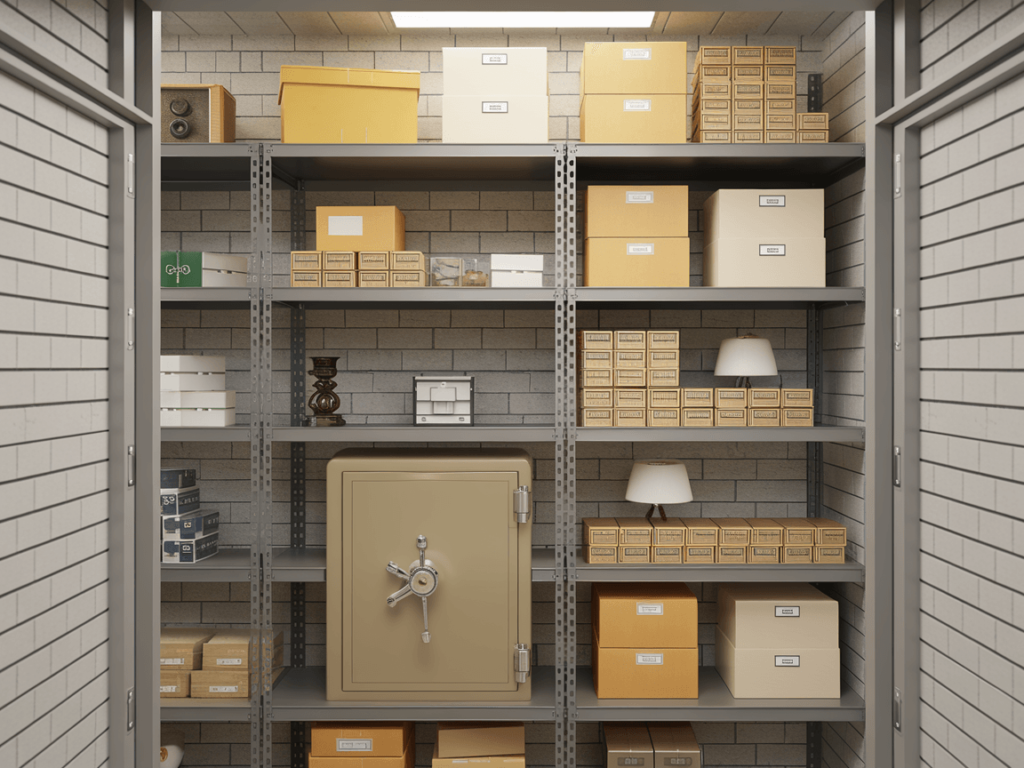
While traditional storage compartments are a popular choice for safeguarding valuables, they’re not the only option. Depending on your needs, alternatives like home safes, digital solutions, or private vaults might offer better convenience or security. Let’s explore these options to help you decide what’s best for you.
Home Safes with Advanced Security Features
- Convenience: Keep your items accessible 24/7 without relying on external facilities.
- Customization: Choose safes with fireproofing, waterproofing, or biometric locks tailored to your needs.
- Limitations: Home safes may be vulnerable to theft or damage during break-ins or natural disasters.
Digital Storage Solutions (Cloud, Encrypted Drives)
- Accessibility: Store important files, photos, or backups online or on encrypted drives for easy access from anywhere.
- Security: Use reputable cloud services with strong encryption or physical drives stored in a secure location.
- Considerations: Digital solutions are ideal for documents and data but won’t protect physical items like jewelry or heirlooms.
When to Consider a Private Vault
- High-Value Items: If you own expensive collectibles, art, or precious metals, private vaults often offer superior protection.
- Specialized Needs: Facilities with climate control, 24/7 monitoring, or advanced security features are ideal for sensitive or irreplaceable items.
- Flexibility: Private providers may offer more personalized services, such as extended access hours or insurance options.
Common Mistakes to Avoid When Choosing a Secure Storage Unit
Selecting the right storage solution for your valuables requires careful consideration. However, many people make avoidable errors that can lead to frustration or even loss. Here are the most common pitfalls to watch out for when making your decision.
Overlooking Size and Accessibility Needs
- Underestimating Space: Choosing a unit that’s too small can leave you scrambling for room, while one that’s too large wastes money.
- Ignoring Access Hours: Failing to consider when and how often you can retrieve your items can lead to inconvenience down the line.
- Location Matters: Picking a facility that’s too far from your home or workplace can make frequent access a hassle.
Ignoring Insurance Options
- Assuming Coverage: Many facilities don’t insure the contents of your unit, leaving you vulnerable to loss or damage.
- Skipping Research: Not exploring standalone insurance policies can result in inadequate protection for high-value items.
- Documentation Gaps: Failing to keep records like photos, appraisals, or receipts can complicate insurance claims.
Failing to Read the Fine Print
- Hidden Fees: Overlooking details about additional charges, such as key replacement or late payment penalties, can lead to unexpected costs.
- Access Restrictions: Not understanding the facility’s policies on authorized users or emergency access can create problems later.
- Termination Clauses: Ignoring the terms for ending your rental agreement might result in complications if you need to close your unit.
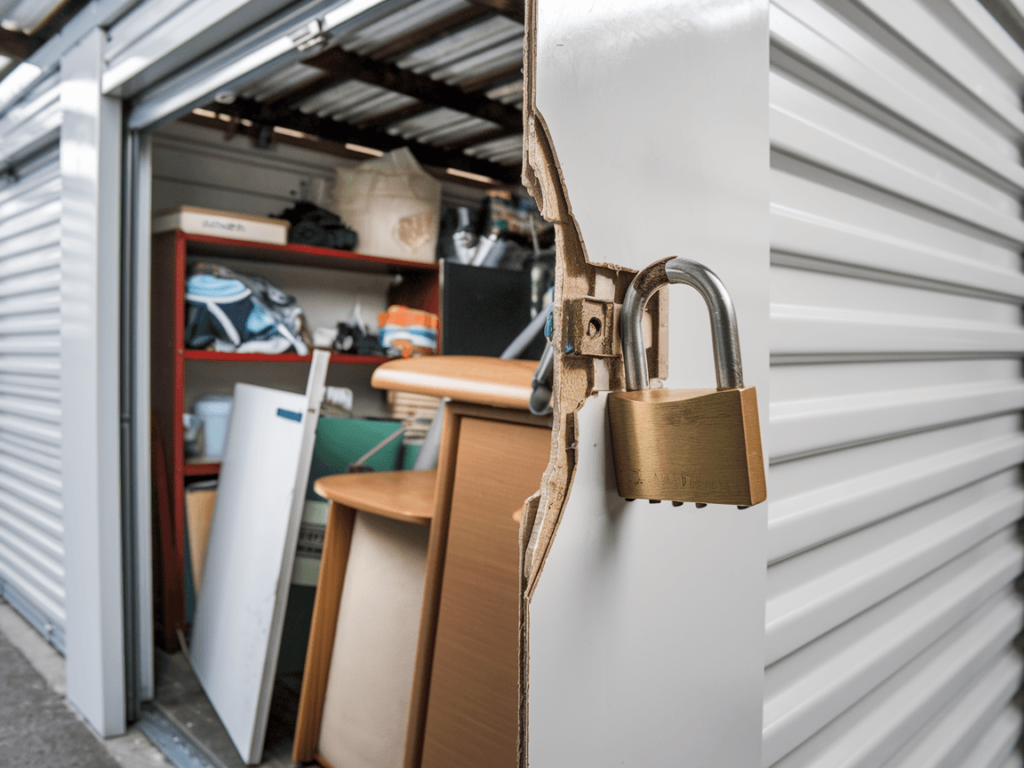
How to Transfer or Close Your Secure Storage Unit
Whether you’re moving to a new location, upgrading to a larger unit, or no longer need storage services, knowing how to handle the transition is crucial. Here’s a step-by-step guide to transferring or closing your storage compartment smoothly and securely.
Steps to Transfer Your Unit to Another Location
- Research New Facilities: Identify a new provider that meets your needs in terms of size, security, and accessibility.
- Notify Your Current Provider: Inform your current facility of your intent to transfer and ask about their process for closing or relocating your unit.
- Schedule the Move: Coordinate with both facilities to ensure a seamless transition, including arranging transportation for your items if necessary.
How to Properly Close Your Unit
- Remove All Contents: Double-check that nothing is left behind, including small items or documents tucked into corners.
- Settle Outstanding Fees: Pay any remaining rental fees or charges to avoid complications.
- Return Keys or Access Cards: Hand over all access materials and confirm the unit is officially closed.
What to Do with Your Valuables During the Transition
- Temporary Storage: If there’s a gap between closing one unit and opening another, consider using a home safe or trusted friend’s secure space.
- Transport Safely: Use padded containers or lockboxes to protect your items during the move.
- Update Insurance: Ensure your valuables remain insured throughout the transition, whether through your existing policy or a temporary solution.
Real-Life Stories: Secure Storage Unit Successes and Failures
Learning from real-world experiences can provide valuable insights into the benefits and potential pitfalls of using storage facilities. Here are some inspiring successes and cautionary tales to help you make informed decisions about protecting your valuables.
Stories of Valuables Saved by Secure Storage Units
- The Fire Survivor: A family’s home was destroyed in a wildfire, but their important documents and heirlooms, stored in a fireproof unit, remained intact.
- The Flood Escape: During a severe flood, a business owner’s critical contracts and financial records were protected in a waterproof facility, saving them from significant losses.
- The Burglary Foil: A rare coin collection was spared from theft when the owner stored it in a highly secure unit with advanced locking systems.
Lessons Learned from Storage Unit Mishaps
- The Lost Key Dilemma: One individual lost their access key and faced hefty drilling fees to retrieve their items, highlighting the importance of keeping spare keys in a safe place.
- The Forgotten Unit: A family neglected their storage compartment for years, only to discover their items had been auctioned off due to unpaid fees. This underscores the need to stay on top of rental payments.
- The Insurance Oversight: A collector failed to insure their valuables stored in a unit, resulting in a total loss when the facility was damaged in a storm. This emphasizes the value of additional coverage.
Conclusion: Your Step-by-Step Guide to Choosing the Best Secure Storage Unit
Selecting the right storage solution for your valuables doesn’t have to be overwhelming. By following a clear, step-by-step approach, you can make an informed decision that ensures your items are safe, accessible, and well-protected. Let’s recap the essentials and wrap up with actionable next steps.
Recap of Key Considerations
- Assess Your Needs: Determine what you’ll store, how much space you require, and how often you’ll need access.
- Compare Providers: Evaluate banks and private facilities based on security features, accessibility, and costs.
- Plan for Emergencies: Understand the facility’s policies for lost keys, closures, and insurance coverage.
Final Tips for Making the Right Choice
- Prioritize Security: Choose a provider with advanced features like fireproofing, biometric locks, and 24/7 monitoring.
- Stay Organized: Use dividers, labels, and digital inventories to keep your unit tidy and efficient.
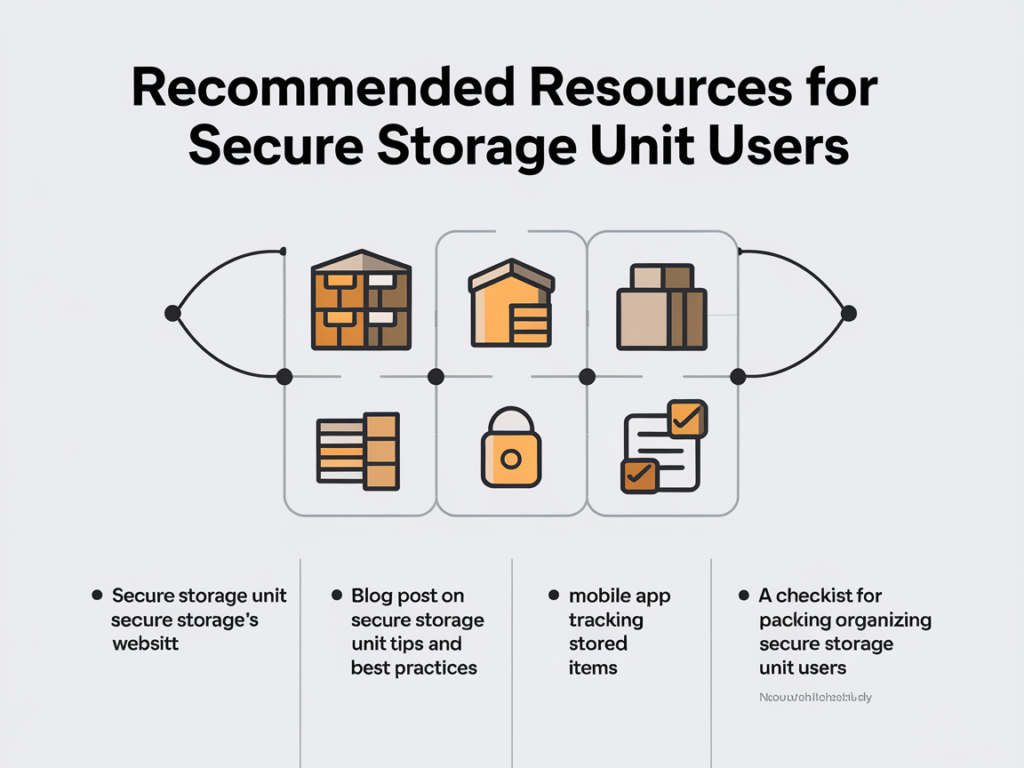
Recommended Resources for Secure Storage Unit Users
Once you’ve chosen the right storage solution, having the right tools and resources can make managing your valuables even easier. Here’s a curated list of helpful links, services, and tools to enhance your experience and keep your items organized and protected.
Links to Bank and Private Vault Websites
- Traditional Banks: Explore options from trusted institutions like Chase, Truist, or Bank of America for secure storage units.
- Private Facilities: Research specialized providers such as Private Vaults Inc. or Safe Deposit Center for advanced security features and flexible access.
Insurance Providers for Valuables
- Homeowner’s/Renter’s Insurance: Check with providers like State Farm or Allstate to see if your policy covers off-site storage.
- Specialized Insurers: Consider companies like Jewelers Mutual or Collectibles Insurance Services for tailored coverage of high-value items.
Tools for Organizing and Inventorying Your Unit
- Digital Inventory Apps: Use tools like Sortly or Encircle to create detailed lists of your stored items, complete with photos and descriptions.
- Labeling Supplies: Invest in durable labels, dividers, and storage bins to keep your unit tidy and easy to navigate.
- Document Scanners: Apps like Adobe Scan or CamScanner can help you digitize important papers for backup and easy access.
Call to Action: Secure Your Valuables Today
Your most important possessions deserve the best protection, and there’s no better time to take action than now. Delaying could leave your valuables vulnerable to theft, damage, or loss. Here’s how to get started and ensure your items are safeguarded for the long term.
Why Waiting Could Be Risky
- Unpredictable Events: Fires, floods, or burglaries can happen at any time, putting your valuables at risk.
- Limited Availability: High-quality storage units often have limited availability, especially in secure facilities.
- Peace of Mind: The sooner you secure your items, the sooner you can stop worrying about their safety.
How to Start Your Search for the Perfect Storage Solution
- Research Providers: Compare banks and private facilities in your area, focusing on security features, accessibility, and costs.
- Schedule Visits: Tour potential locations to assess their offerings and ask questions about their policies.
- Make a Decision: Choose a provider that aligns with your needs and budget, and secure your unit today.


